





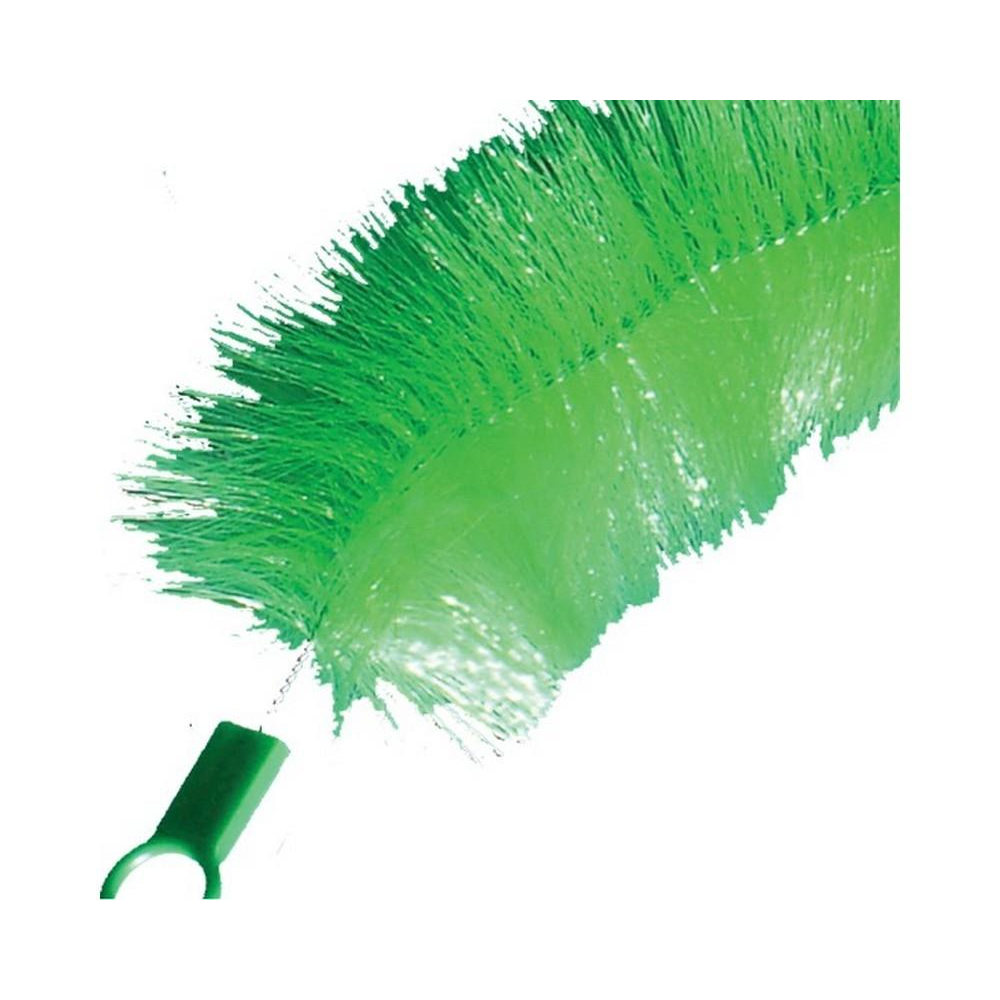
Black Knight Koi Spawning Brushes – Pack of 2
| Brand | |
|---|---|
| Pack quantity | 2 brushes |
| Length per brush | Approximately 150cm |
| Diameter per brush | Approximately 14cm |
| Purpose | Spawning surface |
Provide a place for koi to deposit their eggs with this pair of Black Knight spawning brushes. Each brush is approximately 150cm long and 14cm in diameter. They are designed as a spawning surface, with soft filaments that act as an alternative to suitable plants.
£18.99 (inc VAT)
Black Knight Koi Spawning Brushes – Pack of 2
Soft, reusable egg-laying surfaces for a prepared koi breeding setup
This pack contains two Black Knight spawning brushes, each approximately 150cm long and 14cm in diameter. Their soft, smooth filaments provide an alternative surface to plants and roots for koi to deposit adhesive eggs. Use them as part of a planned breeding arrangement, with suitable space and care available for any young fish you intend to rear.
Pack details and dimensions
| Brand | Black Knight |
|---|---|
| Quantity | 2 spawning brushes |
| Length of each brush | Approximately 1,500mm / 150cm |
| Diameter of each brush | Approximately 140mm / 14cm |
| Supplier code | FM243 |
Plan the space before positioning the pair
A 1.5m brush needs a clear working area as well as somewhere to attach it. Measure the proposed position along the pond edge and consider how you will reach both ends. Leave yourself a practical way to inspect and retrieve the brushes without leaning across the pond or disturbing nearby pipework.
The stated dimensions apply to each brush individually. Two brushes do not have to be stretched end-to-end into a three-metre run. Decide where the pair will sit before fitting the ties, keeping their placement separate from any netting, pump intake or other equipment that also needs access.
Fitting and settling the brushes
Black Knight recommends suspending the brushes below the surface, one above the other and slightly clear of the pond wall. Strings can be attached to the end loops. On first immersion, trapped bubbles may make the filaments buoyant; a gentle shake underwater releases the air so the brushes settle.
Check the position after they have settled rather than making your final adjustment while they are still floating high. The aim is a stable, accessible spawning surface. Keep the attachment arrangement straightforward enough to release when necessary, and avoid leaving loose lengths of tie material trailing through the working area.
A spawning brush has a different job from a filter brush
This product is sold for egg laying. The Black Knight 16 x 8-inch filter brush is a separate product for a filter chamber. Similar-looking cylindrical products should not be selected interchangeably: choose the brush specified for the job you need it to perform.
Adding spawning brushes also does not increase the capacity of the pond’s filtration system. Treat the breeding area, the existing adult-fish pond and any later rearing system as separate planning questions. A suitable egg-laying surface addresses only one part of that arrangement.
Prepare for eggs before encouraging spawning
The manufacturer explains that koi eggs adhere to the filaments and that adult fish can eat eggs and fry. Where you plan to move the brushes, prepare a separate filtered, oxygenated system in advance and match water temperatures before transfer. Spawning timing varies with seasonal conditions; placing brushes in a pond cannot guarantee a particular date or successful breeding.
Work out where the brushes would go, who will check them and how the rearing area will be maintained before they are needed. A spare container by itself is not a complete plan. Access to the water, a manageable maintenance routine and a realistic arrangement for growing fish all deserve consideration at this stage.
Watch water quality during spawning
Spawning puts additional organic material into the water. Tetra’s koi-care guidance recommends checking ammonia and nitrite daily during this period, maintaining effective aeration and cleaning the filter as required. Keep the parent pond under observation as well as any separate hatching tank: moving an egg-covered brush does not remove everything released during spawning.
Our Colombo Pond Test Lab Professional provides these separate water checks. Record the results with the date of spawning and any maintenance. If a reading changes, you can assess it alongside what has happened in the pond rather than relying on water clarity alone.
Observe the adult fish for injuries following vigorous activity. In hot weather, oxygen availability becomes a further concern, which is why reliable aeration matters throughout the day and night. Check that air delivery and filtration are actually operating; the presence of installed equipment is not the same as confirming that it is working.
Cleaning after the breeding period
Once the brushes are no longer supporting eggs or fry, Black Knight recommends hosing them clean and allowing them to dry before storage for another season. Keep that end-of-use cleaning separate from any inspection while eggs or young fish are still present.
Choose a storage position where the brushes can remain clean and are not crushed beneath heavy equipment. Before using them again, check the filaments, end loops and your chosen ties. Reusing the brushes should begin with a fresh condition check and a new assessment of the pond layout, particularly if equipment has moved since the previous season.
Plan for the first feeding stage
Hatching and free swimming are different stages. Tetra explains that newly hatched koi initially use their yolk reserves before beginning to seek food. Its fry-feeding guidance includes appropriately sized live foods such as Artemia and daphnia, followed by a transition to suitable prepared foods as the young fish develop.
Arrange an appropriate first-food supply before eggs hatch and obtain breeding advice if this is your first attempt. Ordinary adult koi pellets are not a substitute for a feeding plan for tiny fry. The brushes help provide a removable spawning surface; successful rearing depends on the care that follows.







Reviews
There are no reviews yet.