





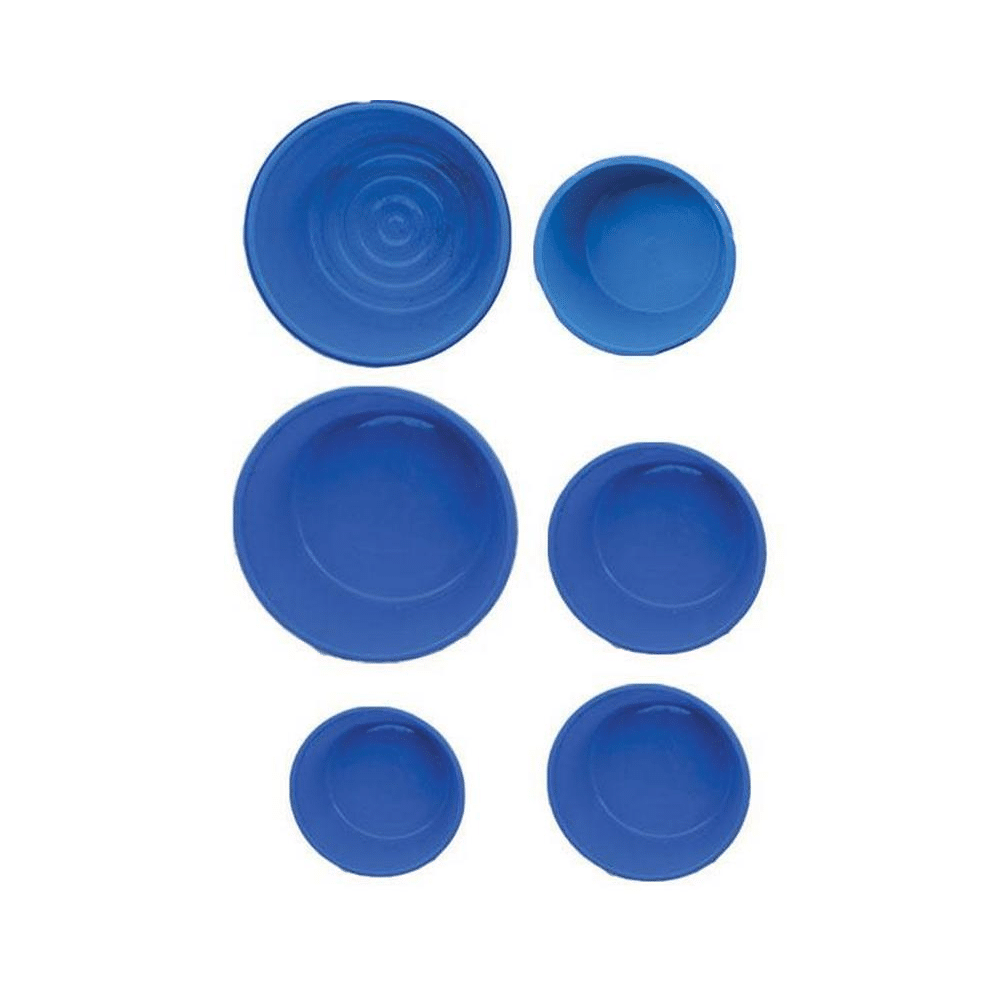
Blue Koi Inspection Bowls
| Bowl size | 22 x 9 inches, 24 x 10 inches, 26 x 10 inches |
|---|
These blue inspection bowls give you a separate vessel for viewing koi at close range and carrying out brief handling tasks. Choose from 22, 24 or 26-inch diameters, with the depth shown for each option. Each purchase supplies one bowl in the selected size; nets, aeration and covers are separate items.
Price range: £17.99 through £22.99 (inc VAT)
Blue Koi Inspection Bowls
Choose from three sizes for close viewing and brief koi-handling tasks
These blue inspection bowls provide a separate vessel for looking at koi at close range when handling is necessary. Three sizes are available: 22 inches in diameter by 9 inches deep, 24 inches by 10 inches, and 26 inches by 10 inches. Select the option that gives your fish suitable space and fits the area where you intend to work.
Each purchase supplies one bowl in the selected size. The supplier photograph illustrates the wider range, so the group shown should not be read as a set included with the order. Nets, covers and aeration equipment are separate items.
Compare the individual dimensions
| 22-inch bowl | 22-inch diameter × 9-inch depth Approximately 55.9 × 22.9cm Supplier code BT6052 |
|---|---|
| 24-inch bowl | 24-inch diameter × 10-inch depth Approximately 61.0 × 25.4cm Supplier code BT6051 |
| 26-inch bowl | 26-inch diameter × 10-inch depth Approximately 66.0 × 25.4cm Supplier code BT605 |
| Colour | Blue |
| Included | One bowl in your selected size |
The centimetre figures are conversions of SKS’s nominal inch dimensions, rounded to one decimal place. They are provided for comparison, rather than as independent measurements of an individual bowl. Dimensions are expressed as diameter followed by depth.
Choosing a size for your koi
Consider both dimensions rather than selecting on diameter alone. The 24-inch and 26-inch options have the same stated depth, while the 22-inch option is shallower. A wider bowl offers more horizontal space, but the fish still needs enough water and room for the task you are carrying out.
Allow for the koi’s body shape and movement as well as its length. A bowl’s nominal diameter should not be treated as a maximum fish-length rating. If your fish would be cramped, choose a more suitable vessel rather than relying on careful positioning to make an undersized bowl work.
Prepare before catching the fish
Decide what you need to inspect and have the necessary equipment ready before moving the koi. Prepare suitable pond water and arrange a stable working position with the bowl supported securely. Keep the route and working area clear so you do not need to move obstacles while also controlling the fish.
Koi breeders Cuttlebrook and Blue Ridge both emphasise keeping handling to a minimum. An inspection bowl is useful when a closer look is needed, but routine viewing in the pond avoids unnecessary disturbance. Plan the session so you can complete the intended observation promptly and return the koi without avoidable delays.
Guide koi calmly with suitable equipment
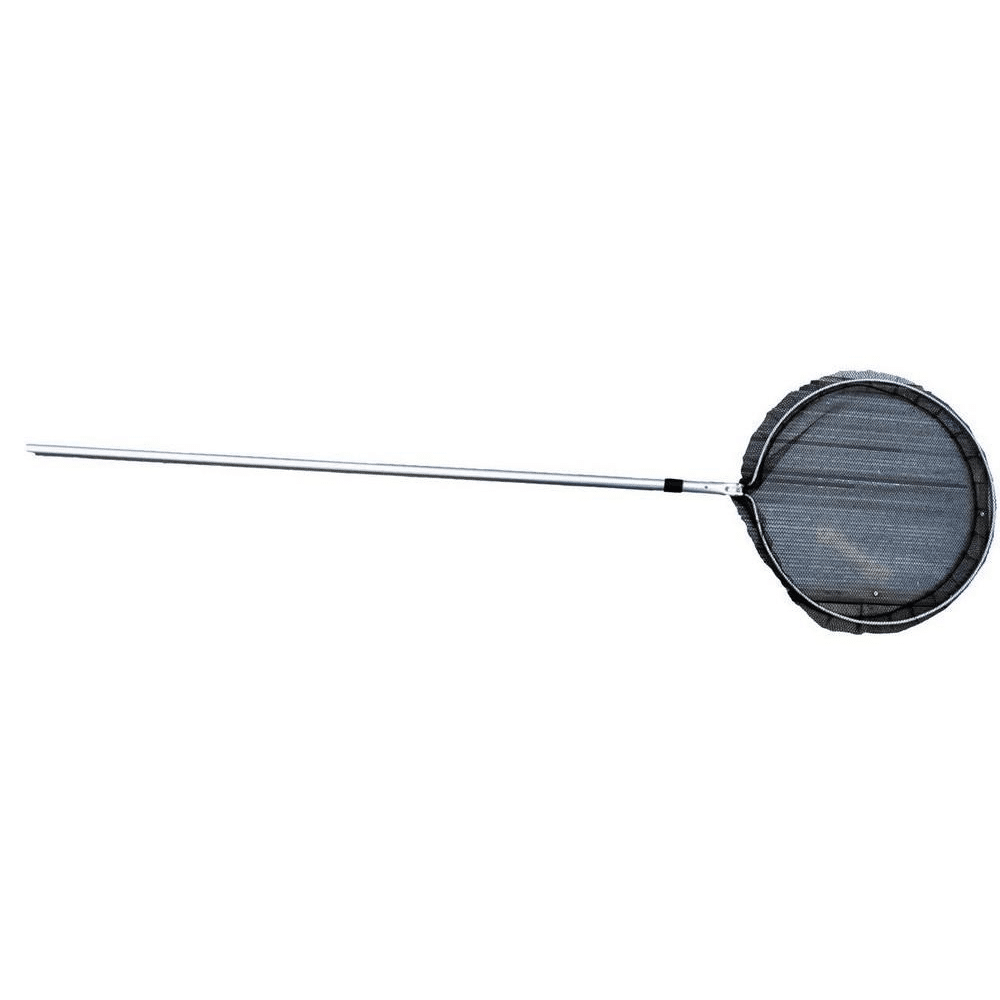
A shallow pan net is used to guide a koi, rather than to lift its full weight clear of the water. Blue Ridge recommends slow, deliberate movements and avoiding a chase around the pond. Keep the fish supported by water while guiding it towards the inspection vessel.
For a transfer between vessels, use suitable koi-transfer equipment and a method appropriate to the fish. Cuttlebrook explains the distinction between water-retaining and porous sock nets, so check which type you have before starting. Browse our pond nets and handling equipment when choosing the equipment for this stage.
Protect the fish during inspection
Keep the koi covered by suitable water and observe it throughout the session. If touching the fish is necessary, wet your hands first and remove jewellery that could scratch it. Avoid squeezing or forcing it against the side of the bowl. Dry surfaces and rough handling can damage its protective mucus layer.
Keep a second person available when a task would otherwise leave you managing both equipment and the fish. A simple bowl does not provide filtration or aeration by itself, and there is no fixed holding time that suits every fish, temperature and water volume. It is intended here for brief inspection, not an unattended holding arrangement.
Water volume and larger-vessel alternatives
SKS does not specify litre capacities for these three bowls. Measure water as you fill if you need to know the actual volume; calculating a cylinder from the listed diameter and depth would ignore the bowl’s shape and working water level. Do not use such an estimate for any task requiring an accurately measured volume.
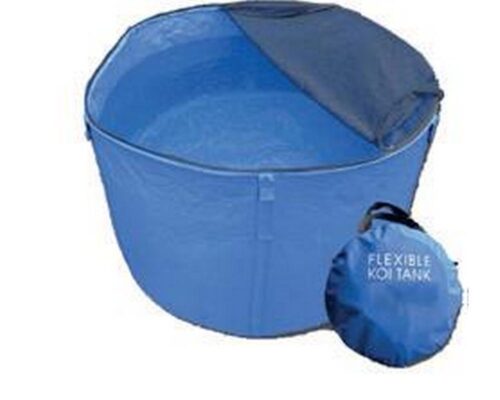
If you need more space, compare the Koi Pro 80cm inspection bowl and check its own listing before choosing. Select the vessel around the fish and intended use rather than assuming that all blue bowls share the same dimensions or accessories.
Clean, inspect and store
Clean the bowl after use and check its interior before the next session for damage or anything that could catch the fish. Keep equipment used for quarantine separate where practical, and follow an appropriate cleaning routine between systems. Store the bowl away from sharp objects and avoid placing heavy equipment inside it.
For help comparing the options, contact That Pond Guy with the size of your koi and the task you need the bowl for.




Reviews
There are no reviews yet.