





Pond Pumps
Choose the right pond pump by flow, head height, installation type and whole-system running cost
A pond pump is the moving heart of a pumped filtration system, waterfall or fountain. The correct model must deliver the required flow after vertical lift, pipe length, bends, valves, filter resistance and other restrictions are included. A maximum litres-per-hour figure is measured under specified conditions and is not the flow that every installation will receive.
Start with the job: circulating water through a filter, lifting water to a waterfall, creating a fountain display, supplying a water feature or serving an external pump chamber. Then compare the manufacturer pump curve, maximum head, electrical consumption, solids handling, inlet and outlet sizes, control options and permitted installation method.
Match the pump to the complete pond system
- Calculate the target flow required by the filter, waterfall or feature.
- Add vertical head and plumbing friction to establish the real operating point.
- Use adequately sized pipework to reduce restriction and wasted electricity.
- Confirm whether the pump is approved for submerged, dry-mounted or swimming-pond use.
- Leave practical access for safe cleaning, isolation and winter maintenance.
Our practical view: Give us the required filter flow or waterfall effect, the lift and the proposed pipe run. We will compare the pump curve at that duty rather than simply recommending the model with the largest maximum-flow number.
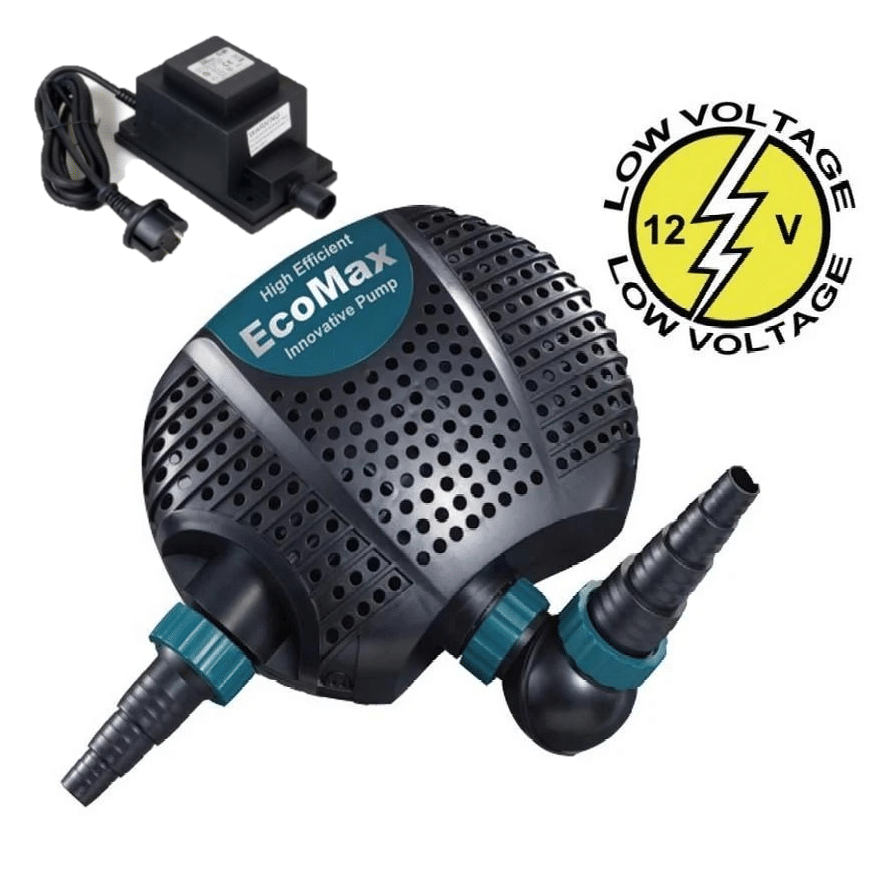
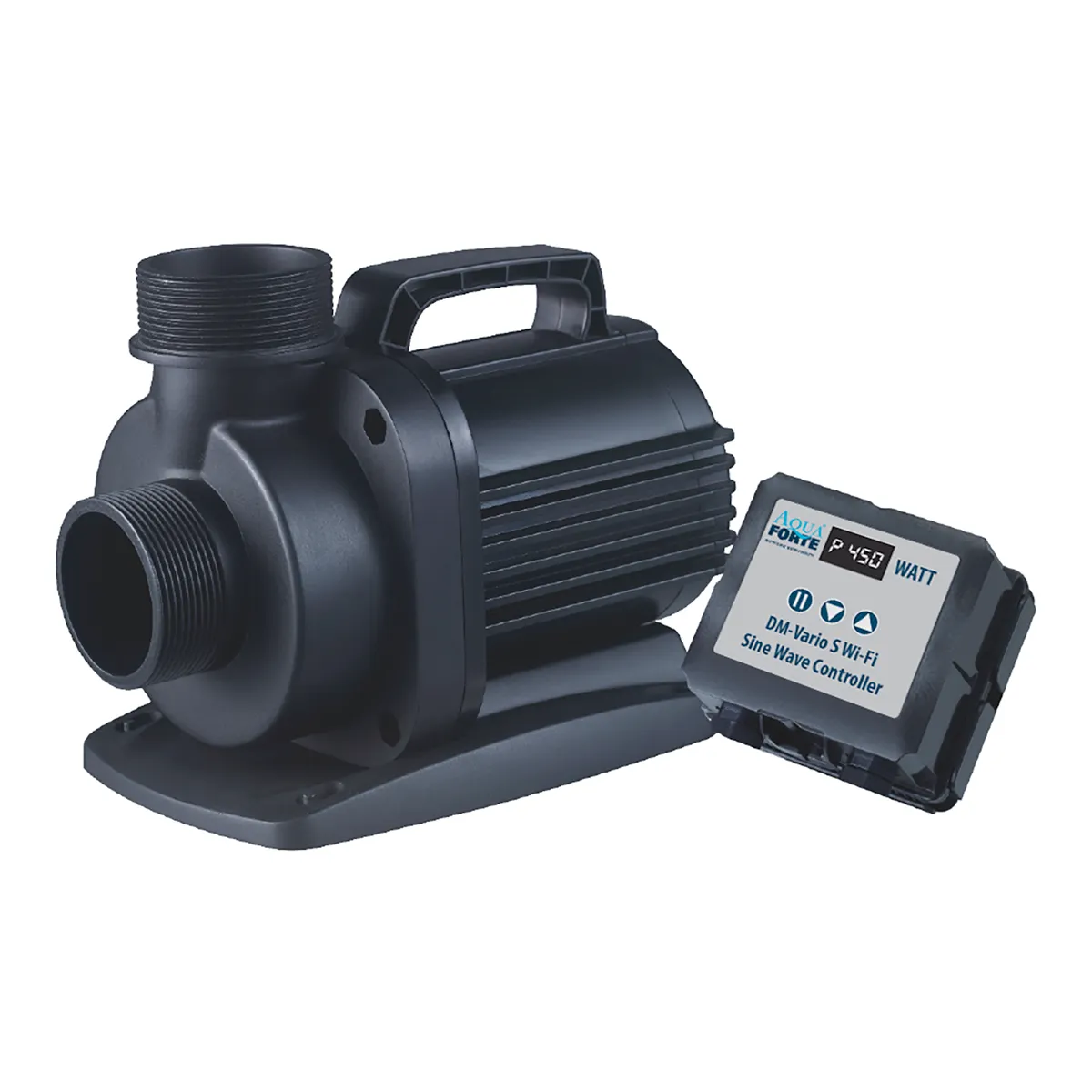
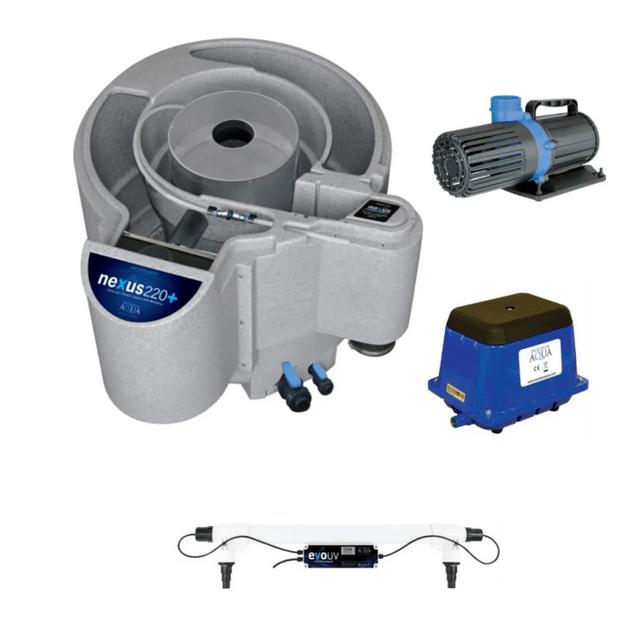
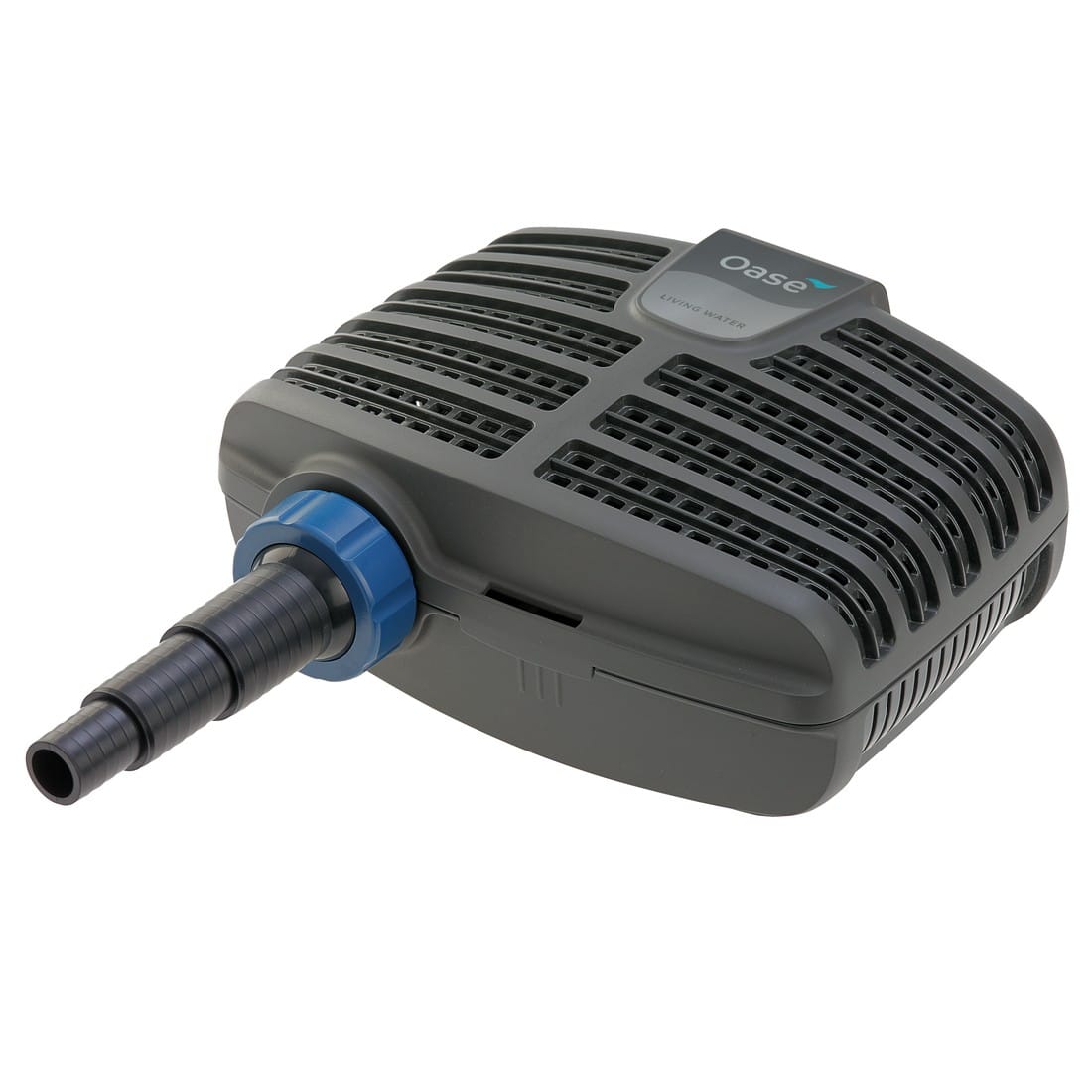

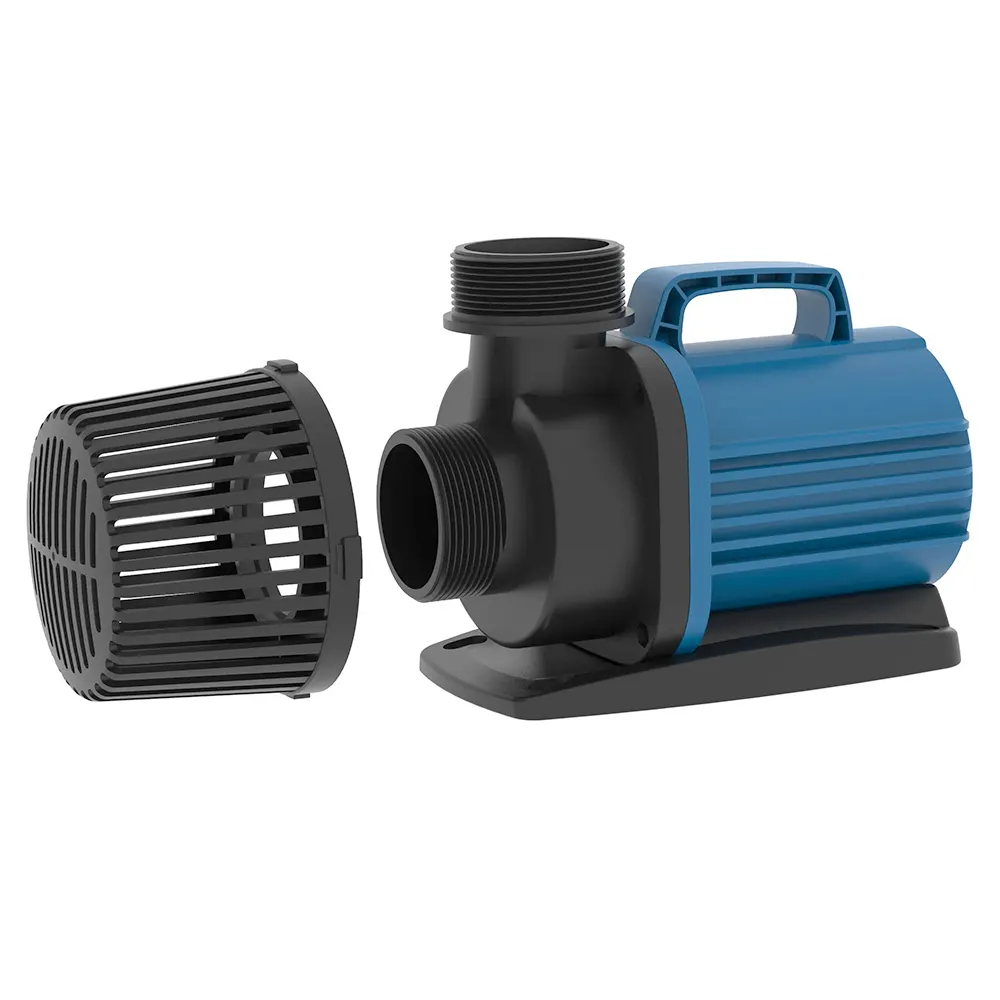
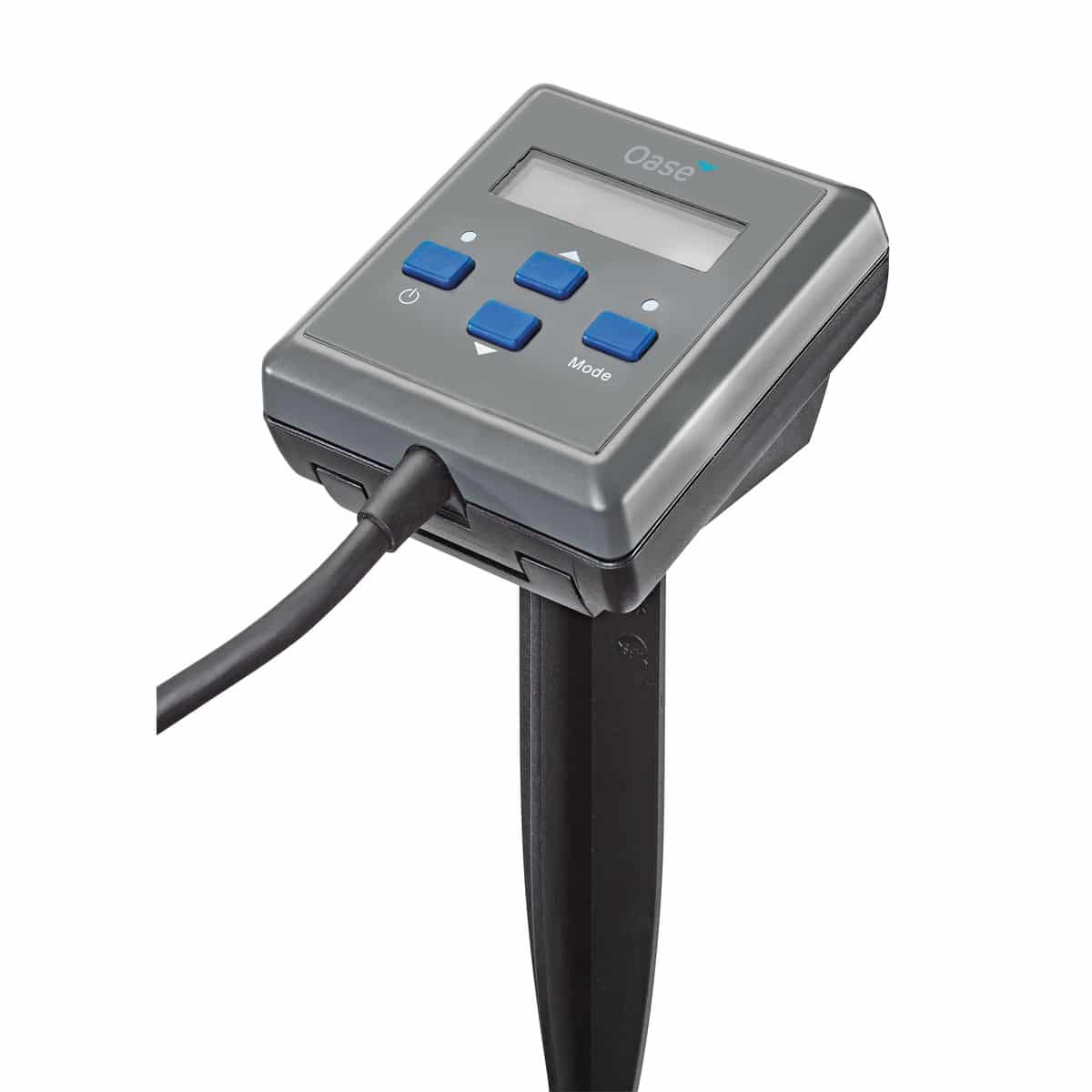
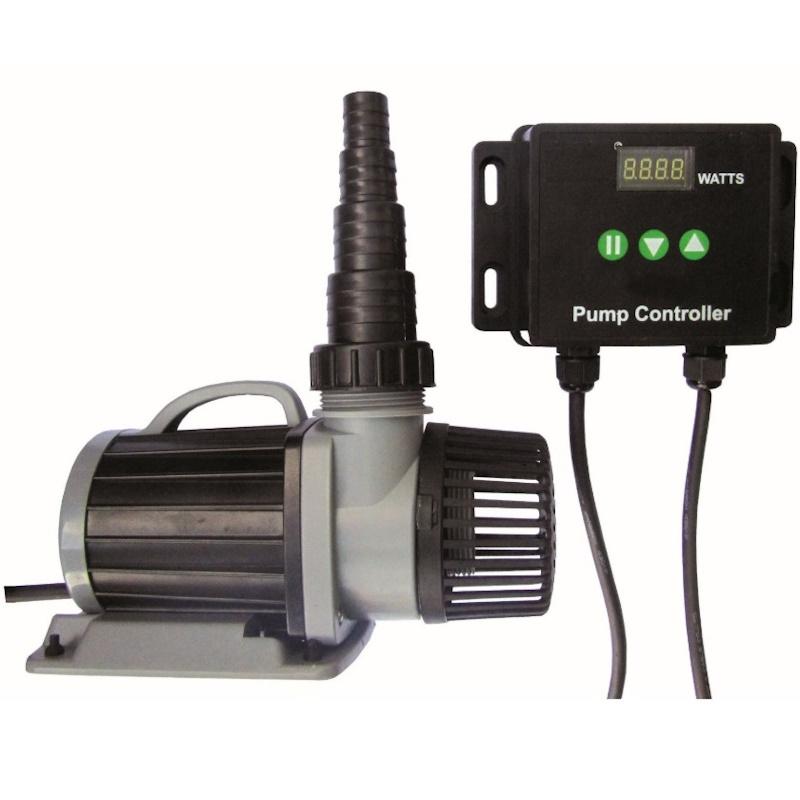
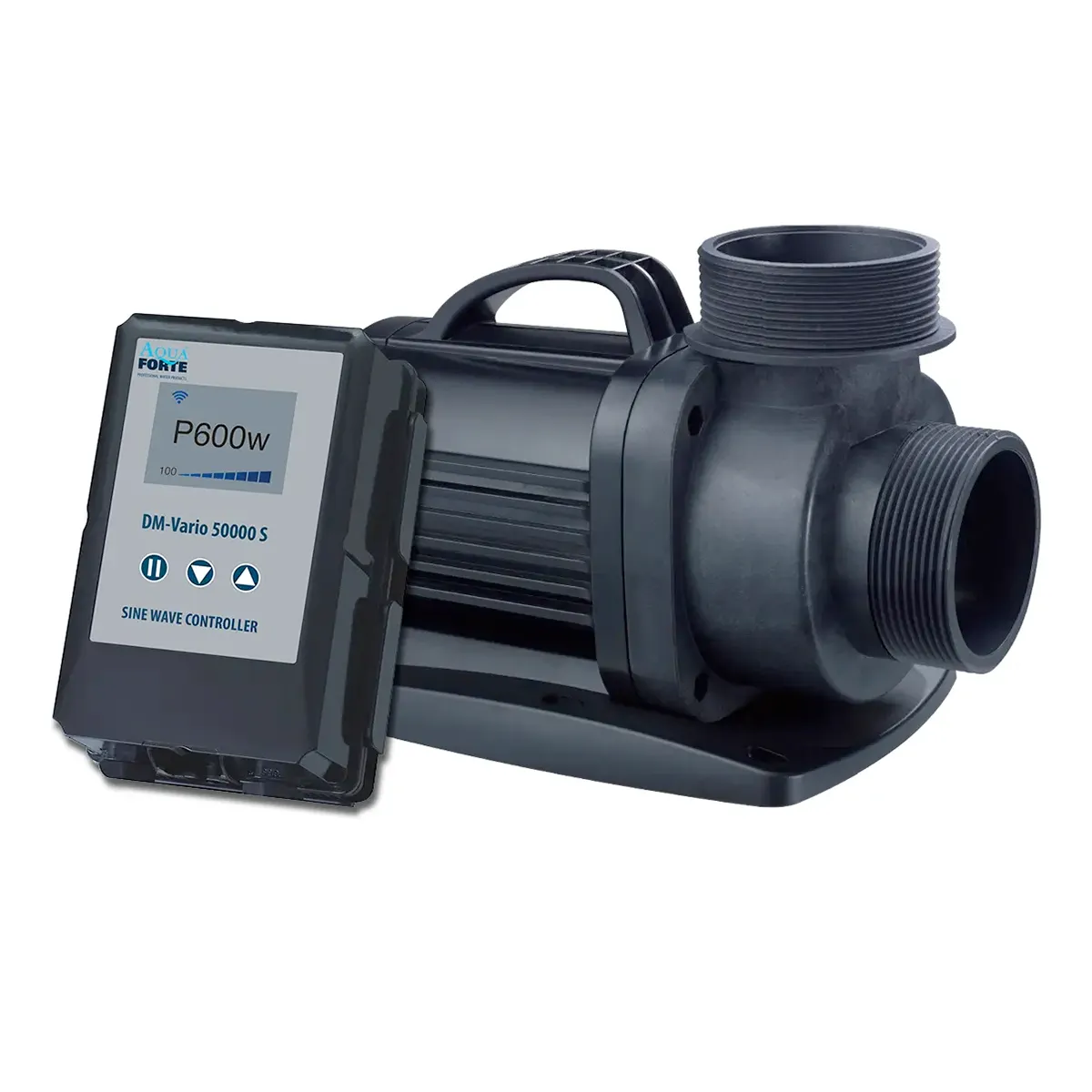
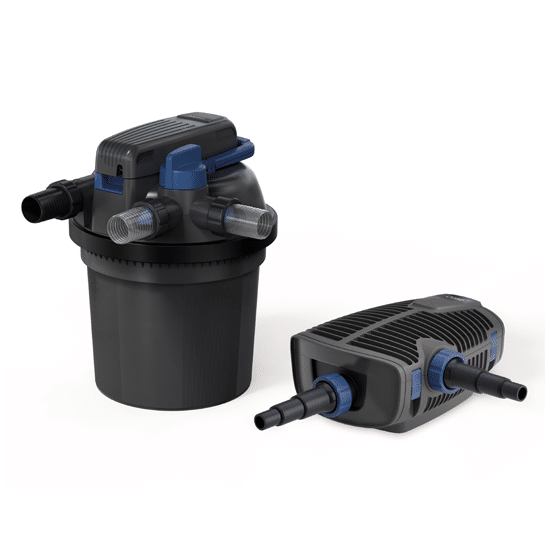
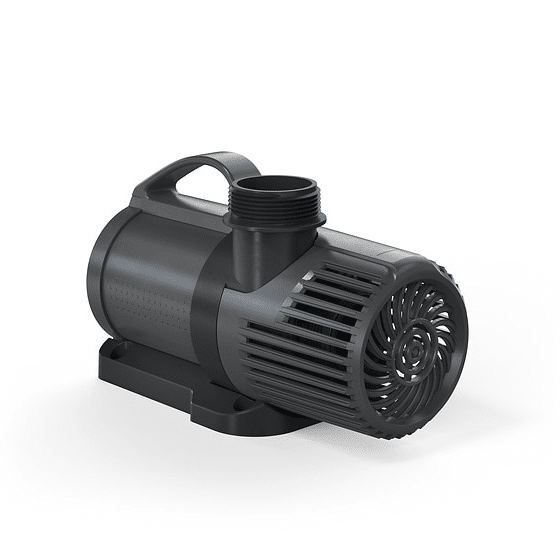

Pond Pumps Buying and Installation Guide
Flow and head must be considered together
As head and resistance rise, delivered flow falls. Use the manufacturer performance curve to find the output at your estimated total dynamic head rather than selecting from the zero-head maximum.
Pipework is part of pump performance
Undersized hose, long runs, sharp bends and restrictive fittings add friction. Sensible pipe diameter and a direct route can improve delivered flow without increasing pump wattage.
Select for the purpose and installation
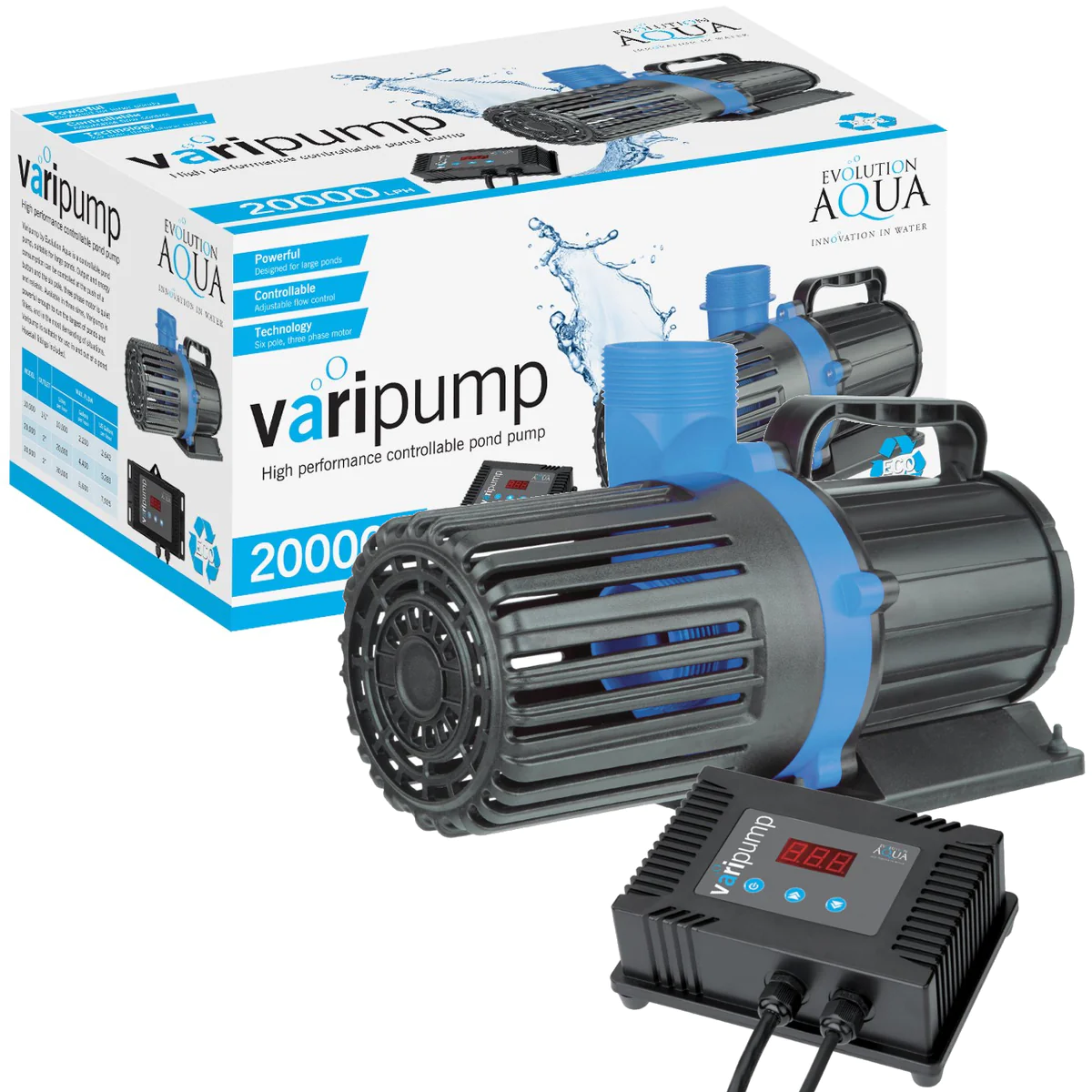
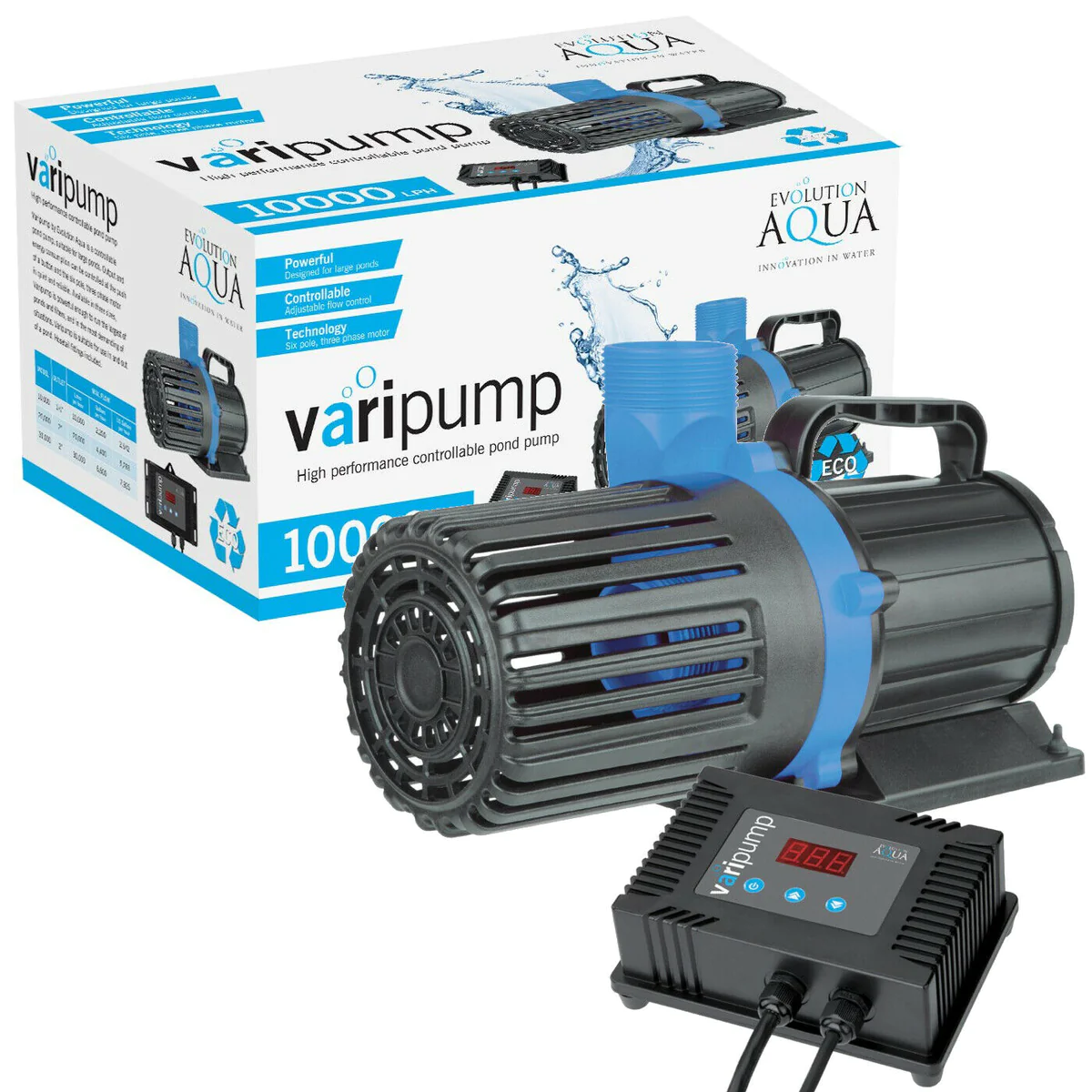
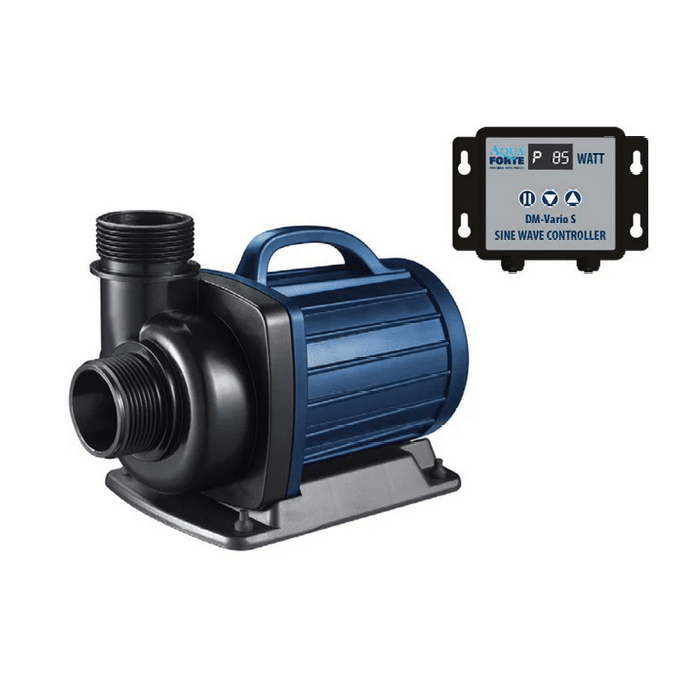
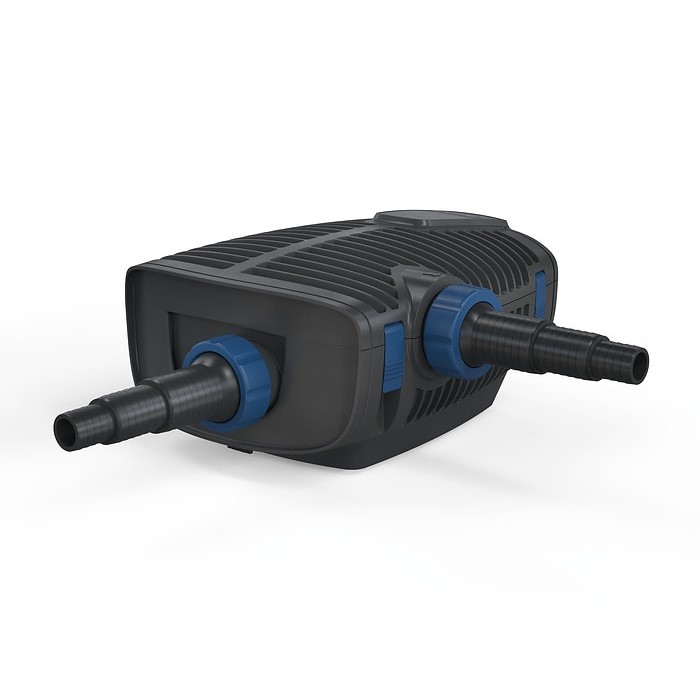
Filter pumps prioritise dependable circulation and debris handling, fountain pumps provide the head and outlets required for displays, variable pumps allow adjustment, and dry-mounted or self-priming pumps have specific plumbing requirements.
Useful pages alongside Pond Pumps: All pond pumps · Filter pumps · Variable-flow pumps · Fountain pumps · Pond filters · Pump accessories
Pond Pumps Frequently Asked Questions
These Pond Pumps answers cover the practical questions we are most often asked. The specification and manual for the exact pump model still take priority.
How do I choose the correct pond pump?
Define the required flow, calculate vertical and friction head, check the pump curve, confirm installation type and compare power consumption at the intended operating point.
What does litres per hour mean on a pond pump?
It is a flow-rate measure. The advertised maximum is normally a best-case value; actual flow is lower once the pump works against height and plumbing resistance.
What is pond pump head height?
Head describes the pressure the pump must overcome, commonly expressed as metres of water column. It includes vertical lift and resistance through the system.
What is total dynamic head?
It is the combined vertical head and friction head at the intended flow. It provides a more realistic basis for reading a pump performance curve.
How often should pond water circulate?
There is no universal turnover rate. Pond volume, fish load, filter design, solids load, waterfalls and manufacturer limits all affect the required flow.
Can a pond pump be too powerful for a filter?
Yes. Excess flow can exceed a filter or UV unit rating, reduce contact or settlement time, cause bypassing or overflow and waste electricity. Check every component limit.
Can I reduce the flow from a pond pump?
Use the approved controller on a compatible electronic pump, or follow the manufacturer plumbing guidance. Never restrict an inlet, and do not use an incompatible electrical speed controller.
What is a variable-flow pond pump?
It is a compatible pump whose output can be adjusted within its designed range, allowing commissioning, seasonal tuning and energy-use changes without replacing the pump.
What is the difference between a filter pump and a fountain pump?
A filter pump is selected mainly for continuous circulation and debris handling. A fountain pump is chosen for display height, pattern and suitable outlets, although some systems combine duties.
Can one pump run a filter and waterfall?
Sometimes, if its performance at the actual head meets both requirements and the plumbing can be balanced. Separate pumps can provide better control and resilience in other systems.
Can I install any pond pump out of the water?
No. Only use a pump in a dry-mounted arrangement when the manufacturer approves that exact model and installation. Priming, ventilation and inlet conditions matter.
What is a self-priming pump?
It is an external pump designed to evacuate a limited amount of air from a correctly prepared suction line. It still requires proper initial filling and leak-free plumbing.
Why is my pond pump delivering less than expected?
Common causes include head loss, narrow or kinked hose, clogged strainers, dirty impellers, air leaks, blocked filters, low water level or an unrealistic comparison with the zero-head rating.
Does wider pond pipe improve flow?
Often. A larger internal diameter can reduce friction significantly, but the complete design, fittings and pump curve must still be checked.
How much does a pond pump cost to run?
Multiply its input power in kilowatts by operating hours and your electricity unit price. Variable consumption and control settings mean actual cost may differ from the maximum wattage.
Should a pond pump run all day?
Pumps serving biological filtration are normally intended for continuous circulation unless the system designer or manufacturer states otherwise. Fountain-only pumps may follow a different schedule.
Can a pond pump run dry?
Assume not unless the manual explicitly provides protection and operating permission. Dry running can damage seals, bearings or the motor even where an automatic cut-out is fitted.
How do I clean a pond pump?
Isolate power, remove the pump safely and follow the manual for opening the housing and cleaning the strainer and impeller. Do not damage seals or use unapproved chemicals.
Why does my pond pump keep stopping?
Check for blockage, overheating, low water, dry-run protection, controller faults, damaged cable, electrical supply problems and whether the pump is operating outside its curve.
Can I use a pond pump in a swimming pond?
Only use equipment and installation arrangements explicitly approved for that application, including the required electrical separation, low-voltage or pump-chamber provisions.
Do pond pumps need an RCD?
Outdoor pond equipment must be installed to the applicable electrical rules and manufacturer instructions. Appropriate residual-current protection and a competent electrician are essential.
Should I turn the pump down in winter?
That depends on the pond, filter and livestock. Use an approved controller and follow the filter and pump guidance; do not reduce circulation so far that water quality is compromised.
Can pond pumps stay outside in frost?
Protection varies by model and installation. Follow the exact frost, immersion and storage instructions and prevent exposed pipework from freezing.
How do I compare two pond pumps fairly?
Compare delivered flow at your head, input power at that operating point, control range, solids handling, connections, permitted installation, warranty and service access.
What information should I gather before ordering?
Record pond volume, purpose, filter flow limits, vertical lift, pipe size and length, fittings, desired flow, installation location, available power and any swimming-pond constraints.
