





In-Lite Path & Bollard Lights
In-Lite Path & Bollard Lights
Guide movement without turning the garden into an over-lit runway
Path lighting should make changes of direction, steps, edges and entrances easier to read while still preserving the atmosphere of the garden. In-Lite offers upright bollards, low mushroom-style lights and flexible planting lights, so the fitting can suit both the route and the planting design rather than being chosen by height alone.
Choose the light distribution as carefully as the style
A taller fitting can spread light across a larger area, while a low fitting provides a quieter pool closer to the path. ACE accessories help modify direction and glare; EVO and LIV provide clean architectural forms; NAIL produces a low mushroom-style effect; and the modular SWAY family can be configured at different heights for a softer moving presence in planting.
- Steps and level changes: make the tread or edge readable without placing a bright source in the user’s eyes.
- Narrow paths: alternate positions where possible instead of creating two perfectly parallel rows.
- Driveway edges: protect fittings from vehicle overrun and maintenance equipment.
- Planting beds: allow for mature foliage height, not only the newly planted garden.
- Terraces: combine restrained path light with wall or ceiling light so one fitting type is not forced to do every job.
Set out positions on site
Published reach and output help with comparison, but real spacing depends on surface colour, nearby planting and the desired contrast. Mark positions and view a temporary test from both directions of travel. A route can be safely legible without being continuously and uniformly illuminated.
If the fitting should disappear into the paving, compare In-Lite recessed lights. For planting or tree emphasis rather than route lighting, use the spotlight range.
Price range: £112.85 through £139.86 (inc VAT)


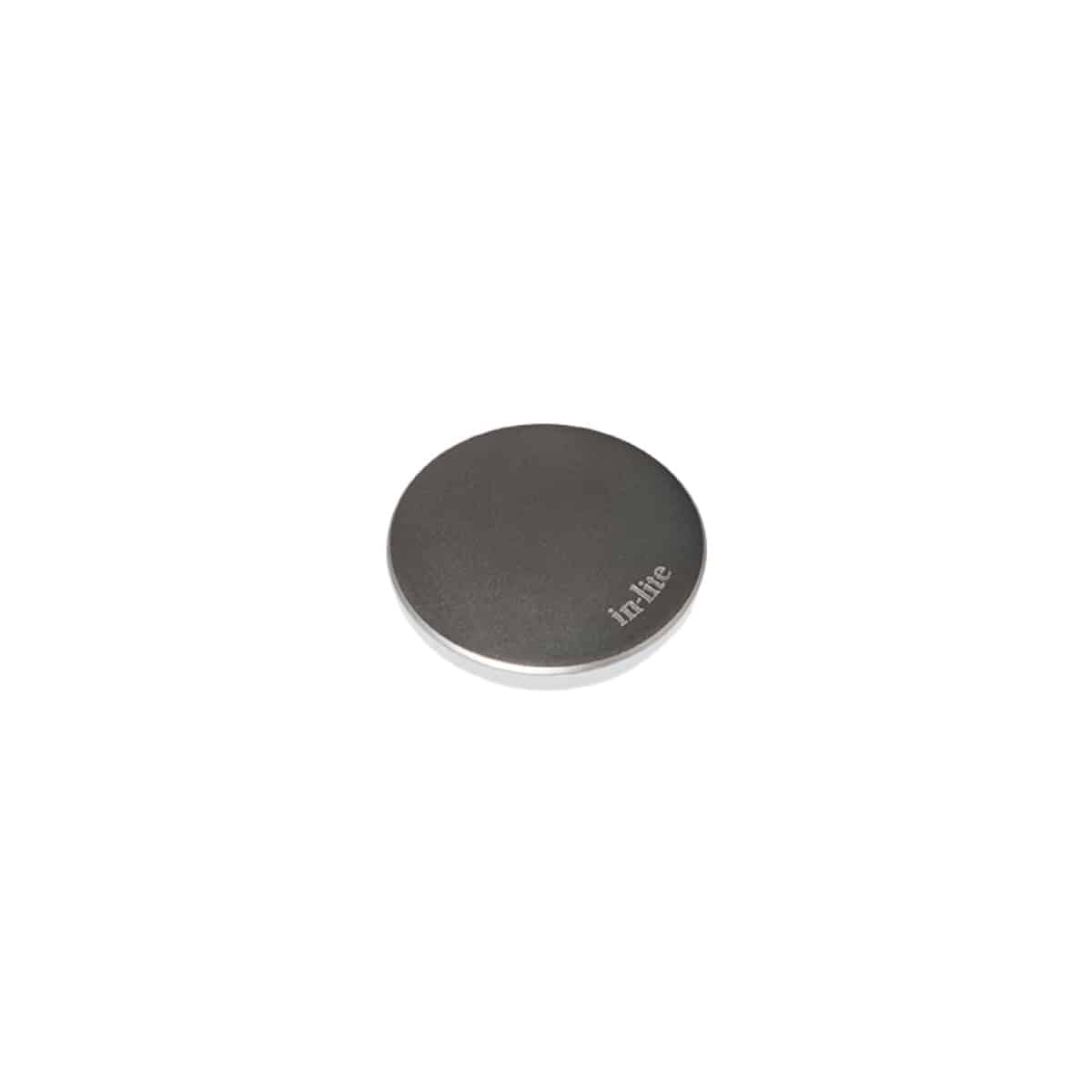


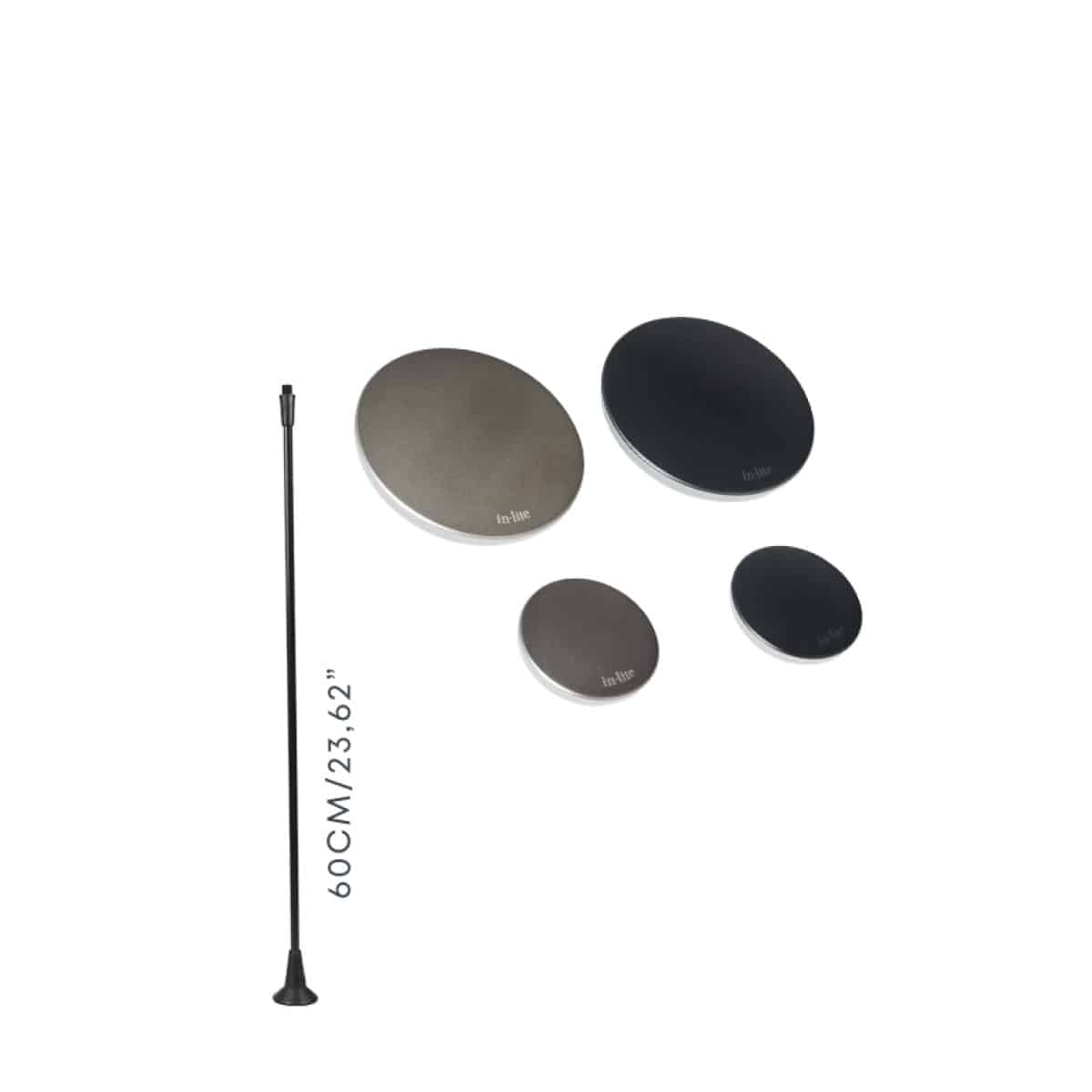


In-Lite Path & Bollard Lighting Guide
Plan for people, planting and maintenance
A light beside a path will be seen by people, brushed by plants and passed by mowers, barrows or vehicles. Choose a position that lights the route but remains protected and serviceable. Where planting will grow around the fitting, allow space for cleaning and future aiming.
Frequently asked questions
What is the best In-Lite light for a garden path?
The best choice depends on path width, adjacent planting and how visible you want the fitting to be. Compare low NAIL-style pools, upright ACE, EVO or LIV forms, and flexible SWAY planting lights.
How far apart should path lights be?
There is no fixed spacing. Test the intended fitting and mounting height against the actual surface and aim for readable transitions rather than a continuous strip of equal brightness.
Should path lights go on both sides?
Not usually. Alternating fittings on one side then the other often looks more natural and uses fewer lights. Both sides may be useful at a formal entrance or particularly wide route.
What is the difference between a path light and a bollard light?
The terms overlap. Bollard normally describes an upright visible fitting; path light describes the job. Low mushroom and flexible planting fittings can guide a path without looking like conventional bollards.
Are low lights bright enough for steps?
They can be, if positioned to reveal the tread and change in level. For built steps, a recessed or wall-mounted light may provide better control than a freestanding fitting.
What is SWAY lighting?
SWAY uses a flexible stem and modular light head to create a soft presence in planting. Different tube heights and compatible components allow the arrangement to suit the border.
What is NAIL LOW best for?
Its low mushroom form suits subtle pools of light beside paths, among planting and around terraces where a tall bollard would be visually intrusive.
Can path lights be used beside a driveway?
Yes, but position them beyond vehicle overrun and snow, mower or maintenance routes. Lighting products should not be treated as physical wheel stops.
How do I reduce glare from a bollard?
Choose a shielded or downward-distributing effect, keep the source below normal eye lines where practical and use model-specific accessories such as WINK or LENS DIFFUSE when suitable.
Will plants block path lights?
They can. Plan from mature plant height and spread, and keep foliage from growing directly over the source. A riser, taller bollard or different location may be preferable.
Can I mix different path-light families?
Yes, but repeat finishes, shapes or colour temperatures deliberately so the scheme feels related. Too many unrelated fitting styles can make a small garden look busy.
Should path lights stay on all night?
Usually not. A schedule or motion-responsive access layer can provide useful light without unnecessary all-night operation. Decorative zones can switch off earlier.
Are path lights connected to the same cable as spotlights?
Compatible 12V fittings can share a planned In-Lite circuit, provided the cable layout and transformer VA capacity are correct.
What colour temperature suits path lighting?
Warm white usually gives a comfortable effect around planting, brick and timber. Match nearby wall or recessed lights unless a deliberate contrast is part of the design.
Should I install the cable before the plants?
Coordinate both. The cable should be protected and recorded, while fitting positions should allow for rootballs and mature growth. Avoid routing it where routine digging is likely.
