






Build a pond filter you can live with
Good filtration removes debris, supports the biological processes that deal with fish waste, and remains straightforward to service. In an Aquascape ecosystem pond, those jobs are shared between a surface skimmer, biological filter, pump and the pond itself.
Start with pond skimmers to collect floating leaves, BioFalls filters for biological filtration and a waterfall return, or wetland components for a planted, upflow filter bed. Filter media and genuine service parts help maintain the system you already have.
For a new build, pond kits bring the core equipment together. The right choice depends on pond size, fish load, feeding and the flow reaching the filter—not simply the biggest litre figure on the box.
Should I start with a complete kit or separate filters?
A kit is a useful starting point for its specified pond layout. Separate components suit an existing pond or a different design, where the pump flow, debris collection and biological treatment need to be brought together deliberately.








The skimmer collects debris before it sinks
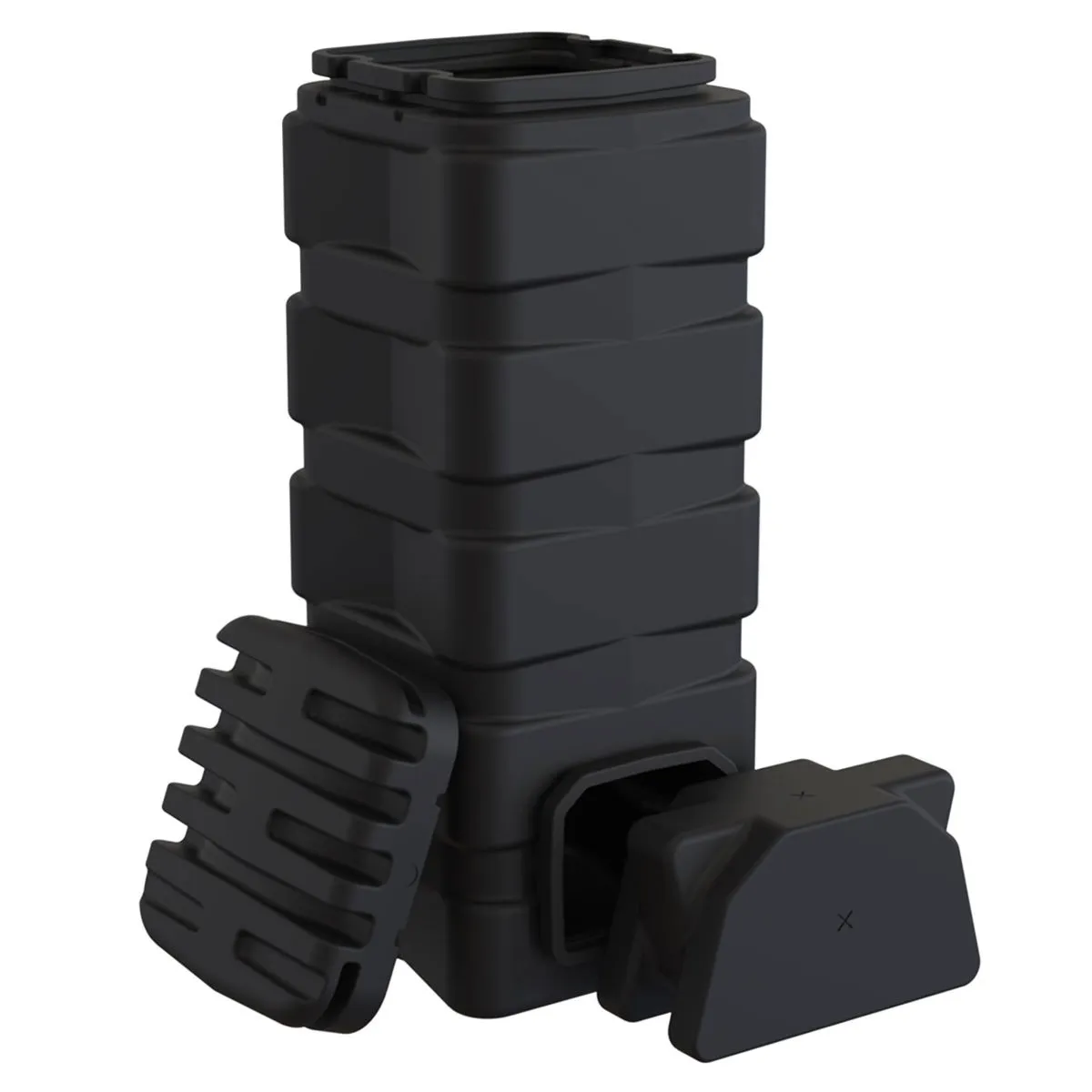
A skimmer draws surface water through a weir and into a removable collection area. Positioning matters: the return flow and prevailing wind should help carry leaves towards it. Leave room to lift out the basket or net, and make sure the pump and pipe arrangement suit the exact skimmer model.
BioFalls adds biological filtration at the return
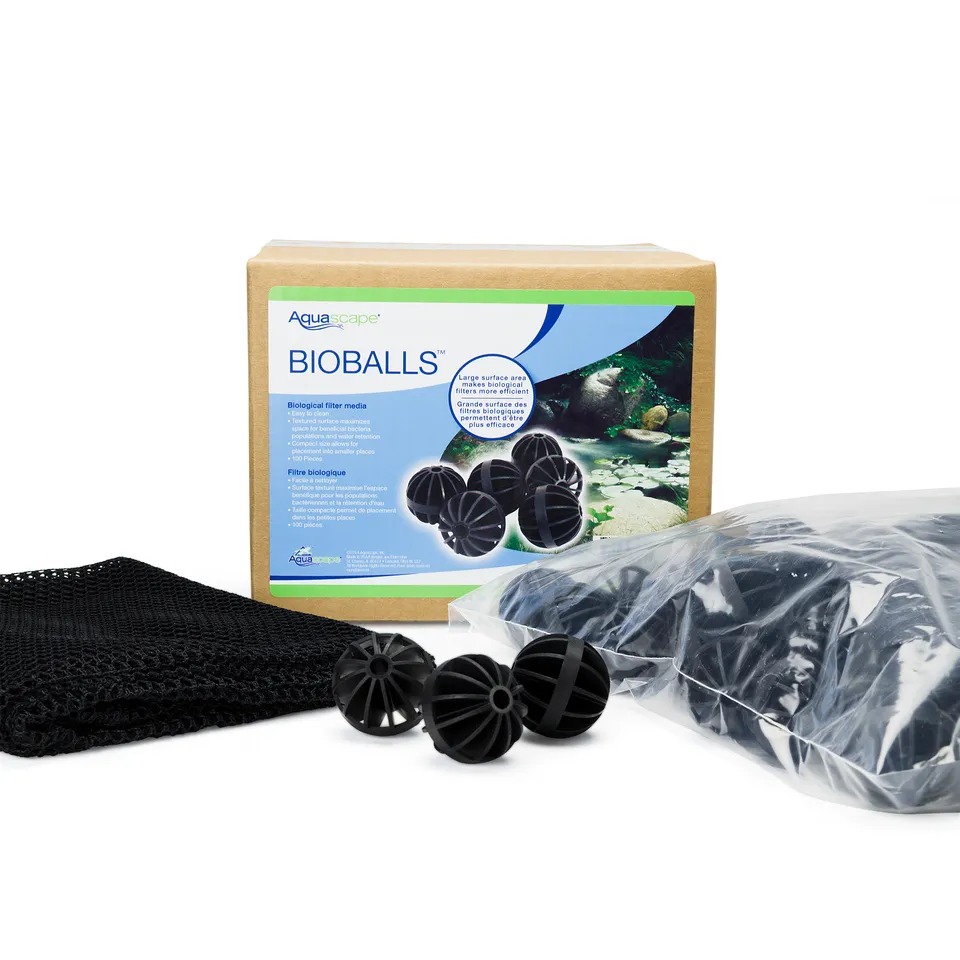
BioFalls houses filter media and creates a return waterfall. Mechanical cleaning removes collected material, while the biological media provides surfaces for the bacteria involved in processing fish waste. A newly installed filter needs time to establish; monitor water quality and stock or feed accordingly.
When a wetland filter makes sense
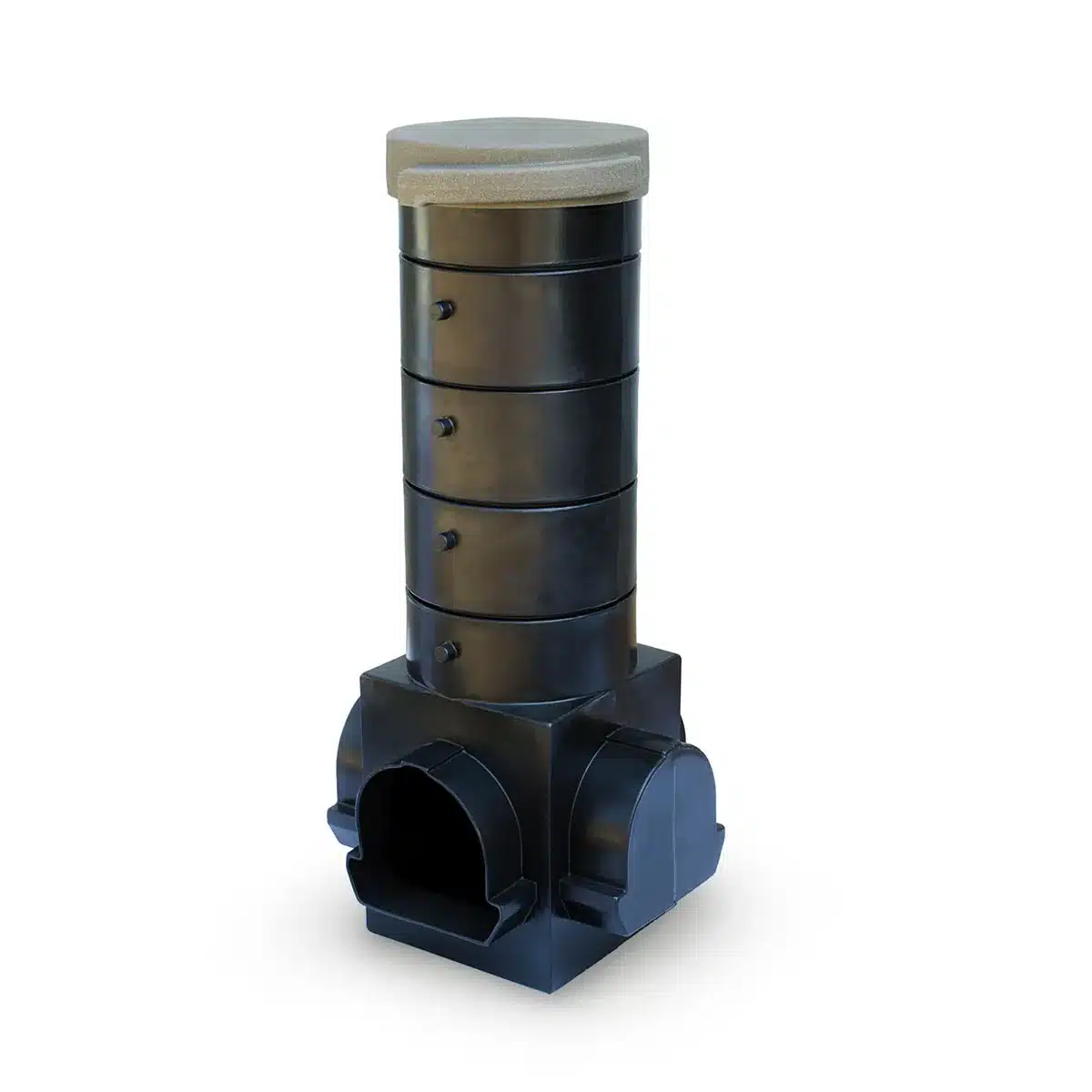
A constructed wetland uses a larger bed of media and may include plants. Water is spread across the bottom and flows upwards, with access retained for removing accumulated sediment. The Centipede V2 and Snorkel Vault V2 have different jobs within that layout. A pondless waterfall reservoir, by contrast, is primarily water storage and pump access rather than a fish-pond biological filter.
Choose a pump for the installed flow
The pump’s maximum flow is normally measured without the resistance of your installed system. Lift to the waterfall, pipe length, fittings and filter restrictions reduce the delivered flow. Match the actual working flow to the chosen skimmer and filter, rather than pairing products solely by their largest headline ratings.
Plan maintenance before landscaping
Keep skimmer baskets, filter media, valves and clean-out points reachable. Avoid concealing a component so thoroughly that routine cleaning means moving a heavy rock or dismantling decking. A clear waste-removal route is as important as making the waterfall look natural.
For a fish-heavy or intensively fed koi pond, the filtration design needs a separate assessment. An ornamental pond rating should not be treated as a guarantee for every stocking level.
