






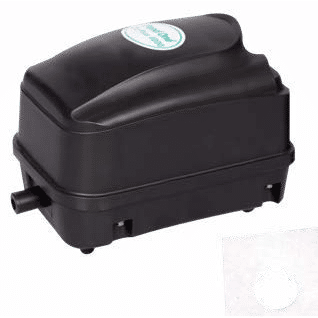
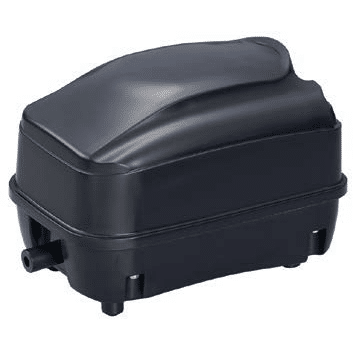
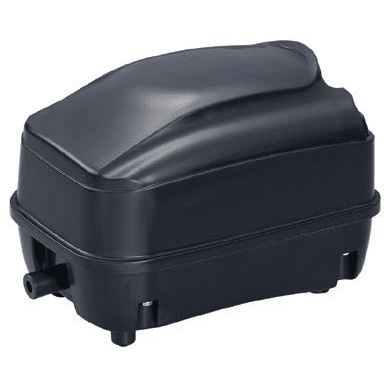
Pond One O2 Plus Pond Air Pumps
| Model | 4000, 8000, 12000 |
|---|---|
| Brand | Pond One |
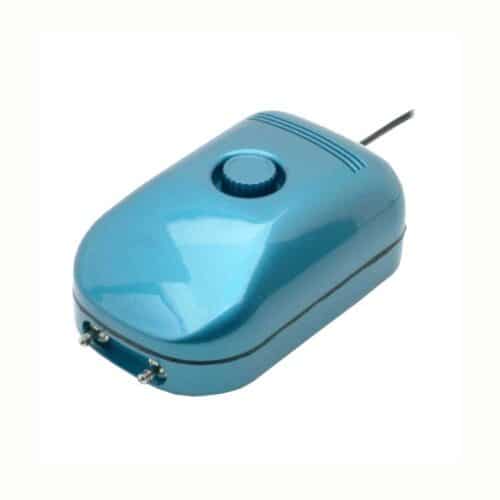
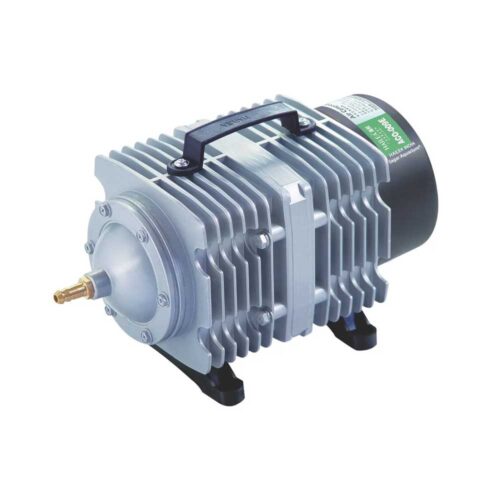
Choose the O2 Plus 4000, 8000 or 12000 for maximum airflow of 35, 70 or 110 litres/minute. Twin intake filters, a 10m cable, half-inch main outlet and 10-gang splitter. Airline and air stones selected separately. Install the pump above water level in a sheltered, ventilated position.
Price range: £69.99 through £129.99 (inc VAT)
Out of stock
Pond One O2 Plus Pond Air Pumps
Choose the 4000, 8000 or 12000 for distributed pond aeration
The Pond One O2 Plus range supplies air to a series of air stones, allowing you to spread aeration around the pond instead of concentrating it in one place. The three models provide maximum outputs of 35, 70 and 110 litres per minute. Each has twin air filters, a half-inch main outlet and a 10m electrical cable, with a multi-outlet splitter to connect the pump to your air lines.
Select the model for the air delivery your installation needs. The 4000 is the lowest-powered option at 20W; the 8000 doubles its maximum airflow at 47W; the 12000 provides the largest output at 60W. Model names are not litres-per-hour ratings. Compare the actual figures below before choosing, especially when replacing an existing pump or extending the number of diffusers in a pond.
Compare the three models
| Model | Maximum airflow | Power |
|---|---|---|
| O2 Plus 4000 | 35 litres/minute 2,100 litres/hour |
20W |
| O2 Plus 8000 | 70 litres/minute 4,200 litres/hour |
47W |
| O2 Plus 12000 | 110 litres/minute 6,600 litres/hour |
60W |
All three have a 10m cable and a half-inch main air outlet. The quoted airflows are maximum ratings, rather than a promise of delivery through every combination of hose, air stone and water depth. Deeper diffusers and restrictive or lengthy air lines increase the resistance the pump must overcome. Plan the complete air system, not simply the number printed on the pump.
Air distribution and the included splitter
The included 10-gang splitter provides separate connections for distributing air to multiple points. You can position air stones in different areas, tailoring the layout to the pond’s shape. A larger number of stones shares the available airflow; adding more connections does not increase the pump’s output. Choose diffusers with suitable airflow requirements and check that each produces a useful, even stream of bubbles.
Airline and air stones are selected separately. Our standard sinking airline is available in different sizes, so check the connection at the splitter and at the diffuser before ordering. The half-inch measurement describes the pump’s main outlet, not a requirement to use half-inch tubing on every small branch. Avoid forcing an unsuitable hose onto a connector.
Connect the outlet elbow and splitter securely using the supplied fittings and follow the assembly instructions. If not all splitter outlets are used, follow Pond One’s bridging arrangement for unused connections. Do not simply cap every unused branch or throttle the entire outlet. Leave the distribution fittings accessible so you can inspect the connections and identify a loose or restricted line.
Positioning the pump and air stones
Keep the air pump above the pond’s water level, in a sheltered, weatherproof location with ventilation. This is an air pump that stays outside the water: it must never be submerged. Place it on a stable surface, away from the pond edge and places where water can collect. Protect it from freezing conditions and avoid dusty or damp spaces that would quickly contaminate its intake filters.
The 10m cable gives flexibility when choosing a position, but electrical connections still need appropriate protection. Follow the installation instructions and use a suitably protected outdoor supply. Arrange the airline without sharp bends or crushing it beneath covers and paving. Keep enough access to inspect the pump and remove its filter covers without dismantling the installation.
Secure or weight the air stones so they remain in their intended positions. Keep their bubble streams away from the intake of a water pump, where drawing in air can interfere with water movement. If adding aeration around a filter, follow the filter’s own guidance on diffuser placement. An air supply should complement the system’s water circulation and biological filtration.
Twin filters and routine maintenance
The O2 Plus uses twin intake filters to help keep airborne debris out of the mechanism. Check them regularly, particularly where the pump is exposed to garden dust. Disconnect the electricity before maintenance. Remove and clean the filter material as instructed; if the foam is washed, allow it to dry completely before refitting it. Never operate the pump with wet filter material.
Inspect the system every two to three months, and more frequently in dirty conditions. Check the airline for kinks, loose connections and damage, and examine the air stones for blockages. A gradual loss of bubbles can come from a clogged diffuser or intake filter rather than a failed pump. Raising a diffuser temporarily can help establish whether its operating depth is contributing to poor airflow.
Silicone diaphragm components are used within the pump, but internal repairs should follow the manufacturer’s servicing instructions. If the unit becomes unusually noisy, first check whether its casing is vibrating against another surface or the airflow is restricted. Disconnect a faulty pump and arrange appropriate servicing rather than continuing to run it with an unresolved problem.
Building a suitable aeration system
Choose the airflow, diffuser layout and airline together. For alternative capacities and different pump designs, compare our pond air pumps. If you need a heavier airline to keep a longer run settled, see Evolution Aqua heavy duty sinking airline and check its bore against your fittings. Contact That Pond Guy with the pond depth, intended diffuser positions and existing equipment if you need help choosing the right arrangement.



Reviews
There are no reviews yet.