






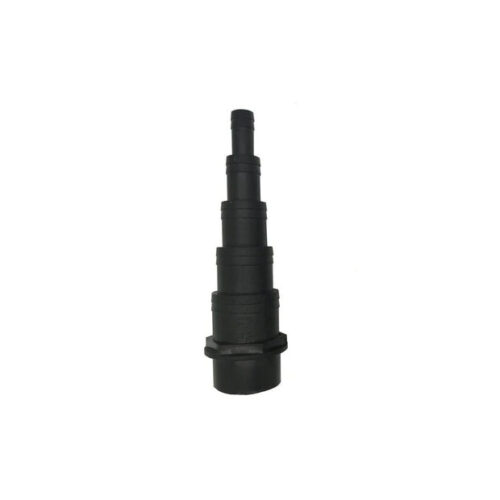
Kockney Koi 2 Inch Multifunctional Hosetail – 1½ Inch BSP Female
| Brand | |
|---|---|
| Material | ABS |
| Connection | 2 inch hose / compatible solvent weld / 1½ inch BSP female |
| Manufacturer part number | 002623 |
Versatile ABS pond adaptor with a 2 inch hose connection, an internal 1½ inch BSP female thread and alternative solvent-weld connections. Manufacturer part 002623. Match the pipe system carefully; hose, clips, seals and cement are separate.
£4.41 (inc VAT)
Kockney Koi 2 Inch Multifunctional Hosetail
The Kockney Koi multifunctional hosetail brings several useful pond plumbing connections into one ABS fitting. It accepts 2 inch flexible hose over its barbed end, with an alternative internal connection for compatible 1½ inch solvent-weld pipe. At the other end, an internal 1½ inch BSP female thread accepts a matching male threaded component, while the outside connects into a compatible 2 inch solvent-weld fitting.
It is particularly useful when a pond installation changes from flexible hose to rigid pipework, or when a threaded outlet needs a hose connection. Choose the connection arrangement that suits your equipment before gluing anything. The different connection surfaces provide alternative ways to use the adaptor; they are not separate outlets that divide the water into several branches.
Connection details at a glance
| Position | Connection |
|---|---|
| Barbed end, outside | 2 inch flexible hose |
| Barbed end, inside | Compatible 1½ inch solvent-weld pipe |
| Opposite end, inside | 1½ inch female BSP thread |
| Opposite end, outside | Fits compatible 2 inch solvent-weld fittings |
| Material | ABS |
| Manufacturer reference | 002623 |
| Barcode | 5031589002623 |
Match the pipe system, not just the inch label
Pond hose, waste pipe and imperial pressure pipe use different sizing conventions. Two components described as 2 inch do not necessarily connect directly. Measure the existing pipe and identify its system before ordering. The BSP figure describes the thread standard, rather than promising that every other part of the adaptor has the same diameter.
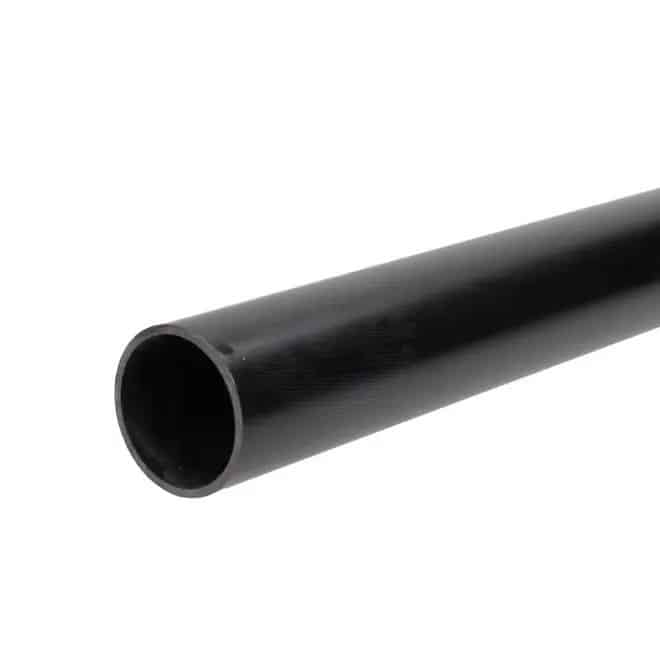
This fitting belongs with compatible Kockney Koi solvent-weld pond fittings. Do not force it into an imperial pressure socket or assume that a metric pressure component is interchangeable. When comparing our black waste solvent-weld pipe, check the selected pipe size and the matching fittings together. This is especially useful when extending an older installation whose pipe labels are no longer visible.
Decide which connection you need
For a hose connection, the flexible hose fits over the barbed end. Check the hose’s internal size and make sure its construction is appropriate for the equipment and location. A hose that looks roughly the right size can still be too loose, too stiff or incompatible with the way the connection needs to be secured.
For a rigid connection, use the appropriate solvent-weld surface and matching pipe or socket. For a threaded connection, check that the other component has the correct male BSP thread and that there is enough space to turn and remove it. Sketching the route first can prevent buying several adaptors when one correctly selected fitting will do the job.
Plan access before making a permanent joint
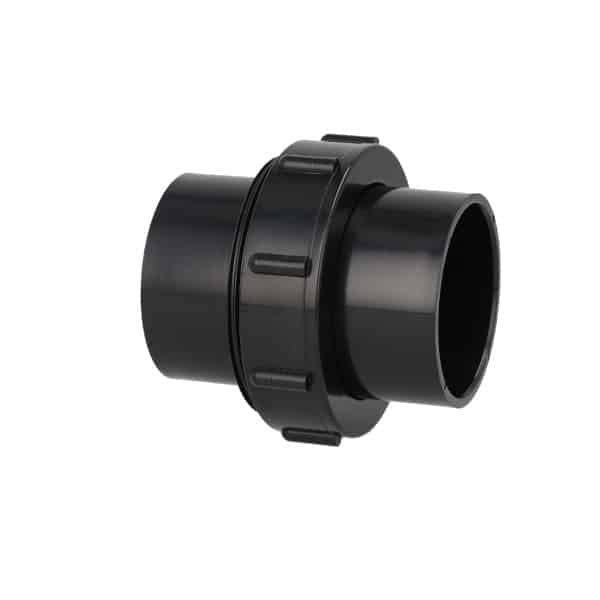
Think about how you will remove the pump, filter or UV unit for servicing. A permanent joint placed too close to equipment can make a simple cleaning job awkward. Where a removable connection is needed, compare our black waste split connectors and choose a matching size. Keep enough clearance around each connection to reach it without dismantling an unrelated section of pipe.
Support the pipe and hose so that their weight does not pull sideways on the adaptor. An unsupported run can place stress on an equipment outlet even when the fitting itself appears firmly connected. Avoid tight hose bends that flatten the waterway, and position the route where it can be inspected after the system is running.
Preparing solvent-weld connections
Check the arrangement and alignment before applying adhesive. Cut the adjoining pipe square, remove loose burrs and keep the mating surfaces clean. Use a solvent cement specified for the materials being joined and follow its preparation, application and curing instructions. Different adhesives and site conditions can require different waiting periods, so there is no single curing time quoted for this fitting.
Keep cement away from the threaded and barbed surfaces that are not being glued. Do not use adhesive to compensate for an incorrect pipe size or a poor fit. Once a solvent-weld connection has been made, it should be treated as permanent; plan the orientation carefully before assembly rather than trying to twist the route into position afterwards.
Threaded and hose connections
Start a threaded component carefully by hand so that the threads engage correctly. Follow the connected equipment’s instructions for its sealing arrangement. Some connections seal at a washer or O-ring, while others require a suitable thread seal. Do not assume that adding more tape or tightening harder will correct the wrong thread or a damaged sealing surface.
Secure hose using a suitable clip selected for the hose’s outside diameter and construction. Keep the clip on the intended clamping area and avoid damaging the plastic fitting through excessive tightening. The hosetail is supplied as a fitting; hose, clips, seals and solvent cement should be selected separately for the installation.
Useful alternatives and finishing checks
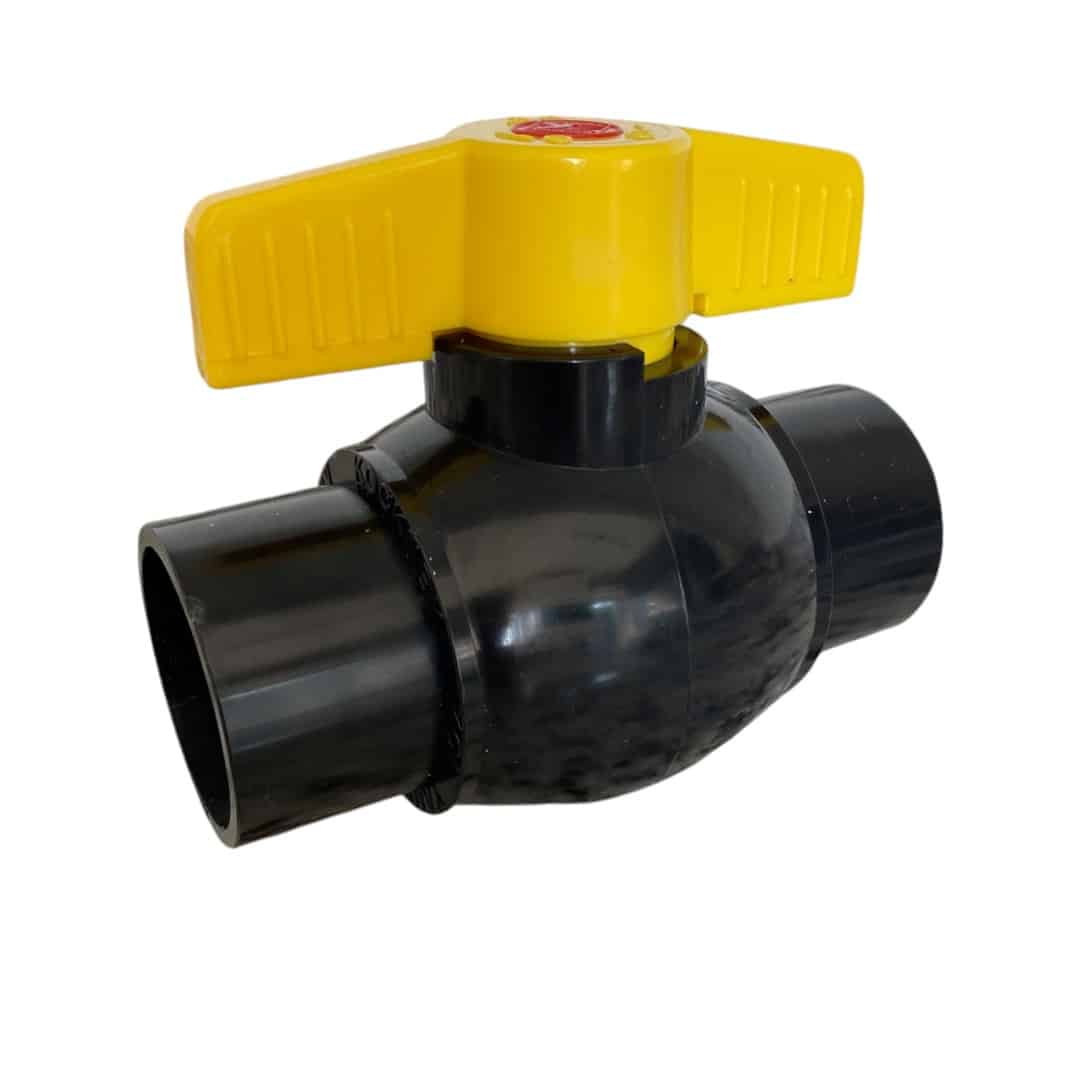
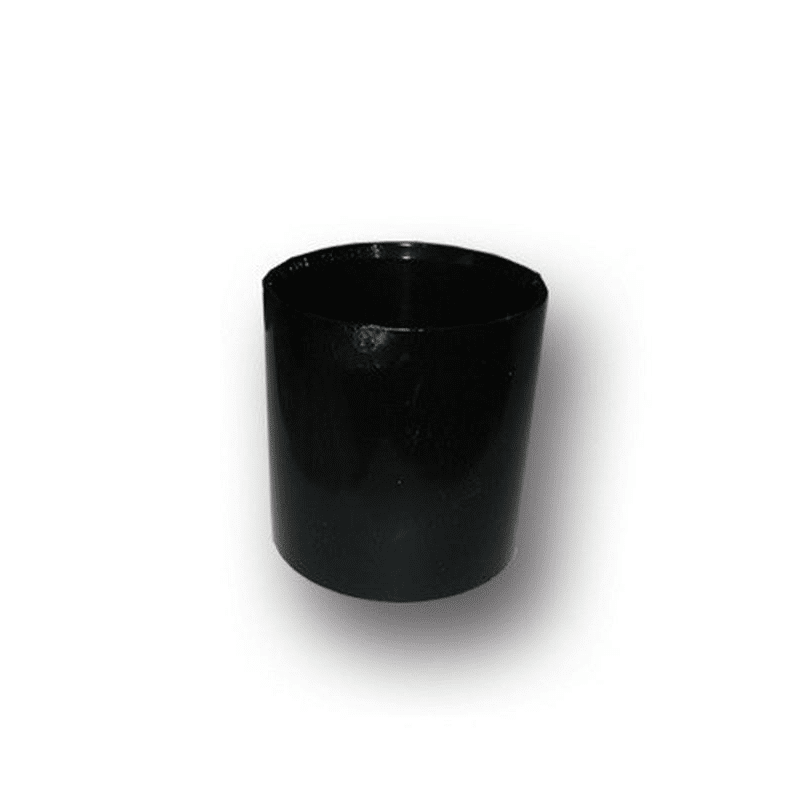
If you only need to join two matching rigid pipes, our black waste straight connectors may be simpler. If you need to control or isolate flow, compare the compatible Kockney Koi black waste ball valves. The multifunctional hosetail itself is an adaptor, not a valve, and does not provide a means of shutting off the water.
After the required curing period and the equipment’s installation checks, introduce water and inspect every connection before leaving the system unattended. Recheck for leaks or movement during the first run. Keep the fitting reference with your equipment records so that future changes can be planned around the actual connection types rather than an approximate visual match.





Reviews
There are no reviews yet.