






Chrome-Plated Brass Ball Valve — 1/2 Inch Female BSP
| Valve type | Lever-operated ball valve |
|---|---|
| Connection | 1/2 inch BSP female × female |
| Material | Chrome-plated brass |
| Quantity | One valve |
One chrome-plated brass lever ball valve with half-inch female BSP connections at both ends. Match the complete threaded connection; hose tails, seals and other fittings are separate.
£6.32 (inc VAT)
Chrome-Plated Brass Ball Valve — 1/2 Inch Female BSP
This chrome-plated brass lever ball valve provides manual control in a compatible half-inch BSP water connection. Its female connections accept the matching male BSP fittings, allowing the valve to be included in an appropriate pond-water route where accessible shut-off or adjustment is needed.
The selected product is one valve with 1/2 inch female BSP connections at both ends. The supplied description identifies a chrome-plated brass construction and lever operation. It is a threaded valve, rather than a solvent-weld valve for rigid pond pipe or an inline hose valve with a hose tail already fitted at each end.
Connection and construction
| Valve type | Lever-operated ball valve |
|---|---|
| Nominal connection size | 1/2 inch BSP |
| End connections | Female thread at both ends |
| Construction stated by the supplier | Chrome-plated brass |
| Supplied quantity | One valve |
The nominal thread size does not mean that a ruler measurement across the threaded opening will be half an inch. BSP is a pipe-thread designation, so identify the actual male fittings you intend to connect. A similarly named American pipe thread, a hose bore or a proprietary union thread is not interchangeable simply because its description contains the same inch figure.
Choose the valve around the water route
A ball valve can provide a convenient local shut-off point for an appropriate water circuit. Position it where the lever and connections remain accessible, so that operation and inspection do not depend on moving a heavy filter or reaching across the pond. Allow room for the lever’s movement when planning the layout.
Check that the connection size is appropriate for the equipment and intended flow. A half-inch route is a specific bore choice, not a general solution for every pond pump or filter. Reducing a larger connection to fit a small valve can restrict the water delivered, so follow the connected equipment’s requirements before adding adaptors.
Understand what is included
This listing covers the valve itself. Male threaded connectors, hose tails, hose clips, thread seals, unions and pipework are separate parts unless they are included in another selected product. Plan both sides of the connection before ordering, rather than expecting the female threads to accept a bare hose directly.
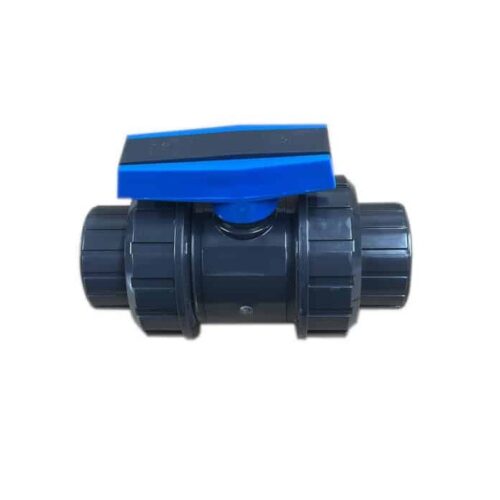
The valve is not described as a double-union model. If your layout needs the complete valve or adjacent equipment to be removable without disturbing fixed pipework, include the appropriate removable connections elsewhere in the installation or choose a suitable demountable valve arrangement.
Assembly and sealing
Isolate the pump or other equipment and drain the affected water route before dismantling it. Compare the new valve and male fittings before assembling the joint. Check the threads for damage and make sure the components engage squarely without binding or cross-threading.
Use a sealing method compatible with the valve, fittings and application. Follow the relevant fitting instructions where supplied; a seal that is suitable for one threaded connection is not automatically suitable for every material or joint. Keep loose sealing material out of the water route and avoid using excessive force to compensate for an incorrect thread.
Support the connection
Support rigid pipe or hose independently so that its weight does not pull continuously on the valve. Arrange the lever and connected fittings without putting the body under a twisting load. A neat installation should leave each connection visible enough to inspect and should not require the valve to act as a mounting bracket for other equipment.
Do not attach a hose directly to a female threaded end without a matching hose-tail adaptor. When using an adaptor, check both its thread and the intended hose bore. The retaining clip belongs around the assembled hose-to-tail joint, rather than around the valve’s threaded opening.
Restarting and maintenance
Refill and restart the equipment according to its manual. Check both threaded joints and the valve body for leakage, then confirm that the water route operates as intended. If a joint needs adjustment, isolate and drain it again before carrying out the work.
Include the valve in routine inspections. Check that the lever remains accessible, that nearby hoses are supported and that joints have not been disturbed by servicing the pump or filter. Do not force a valve that has become difficult to move. Investigate the condition of the valve and connected system instead of using an extended tool on the lever.
Operating limits
No unverified pressure class, temperature limit, drinking-water certification or chemical-resistance rating is assigned to this supplier-described valve. Use it within a compatible pond-water installation whose operating conditions are supported by the complete equipment specification. For another duty that requires a stated certification or rating, choose a valve documented for that duty.
Other fittings to compare
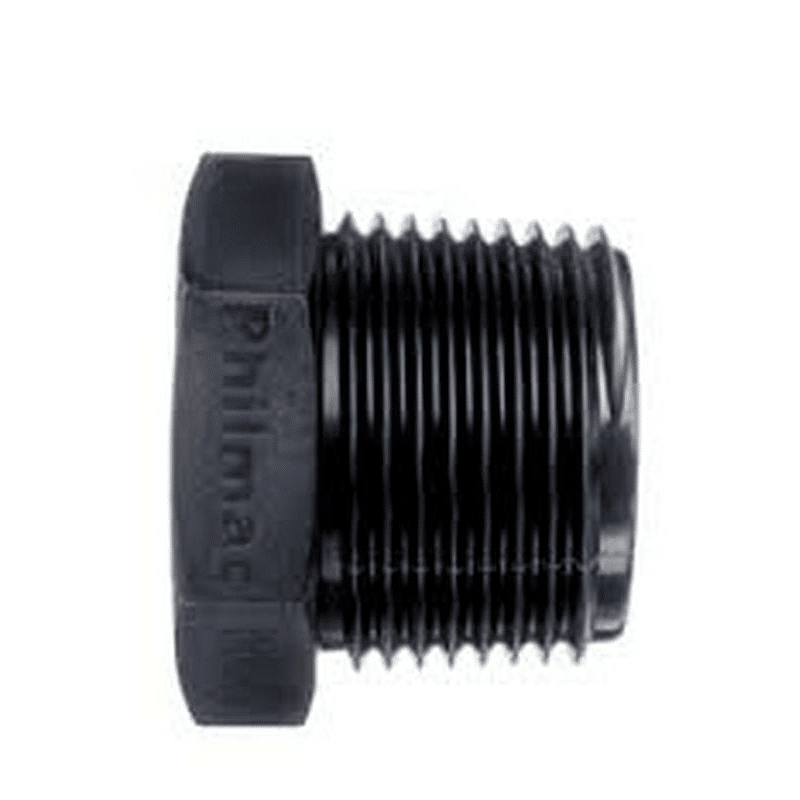
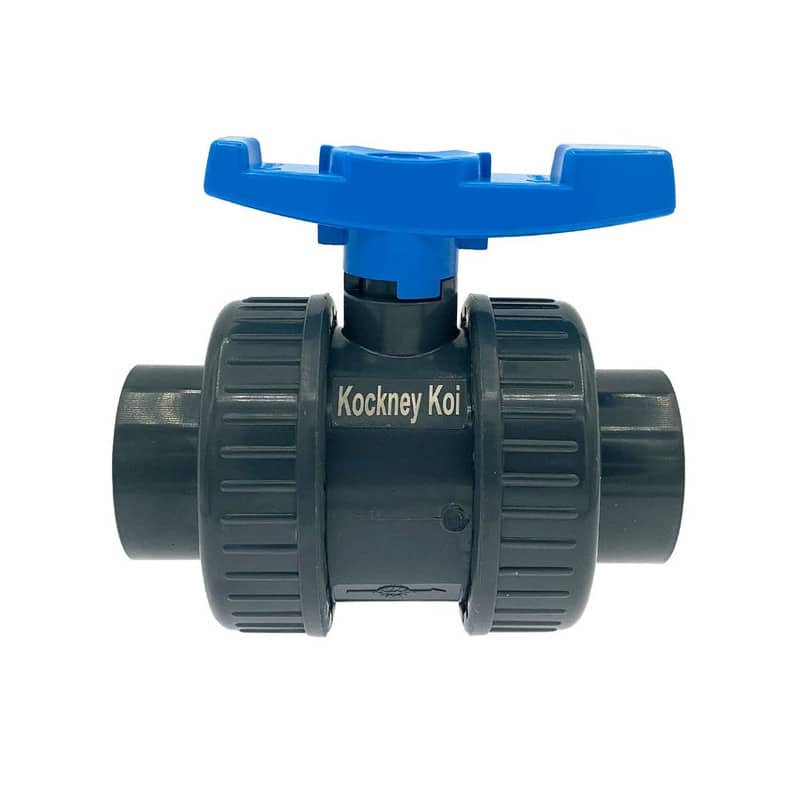
Our BSP threaded reducers provide different thread-size transitions to compare, but the connection at each end still needs to match. For larger demountable pond pipework, see our Kockney Koi double-union ball valves. Select the complete connection standard and size required by your layout rather than treating all ball valves as identical.





Reviews
There are no reviews yet.