






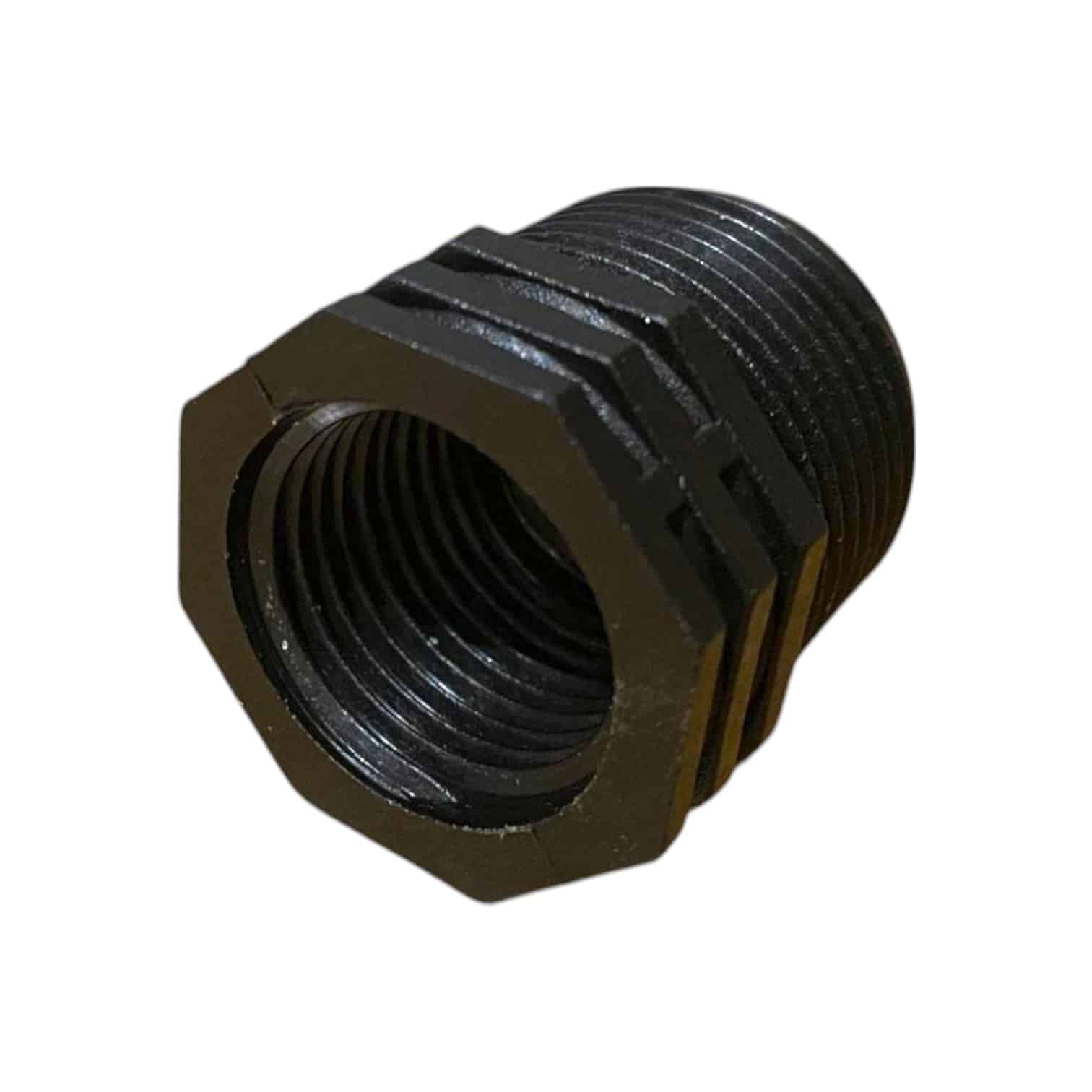
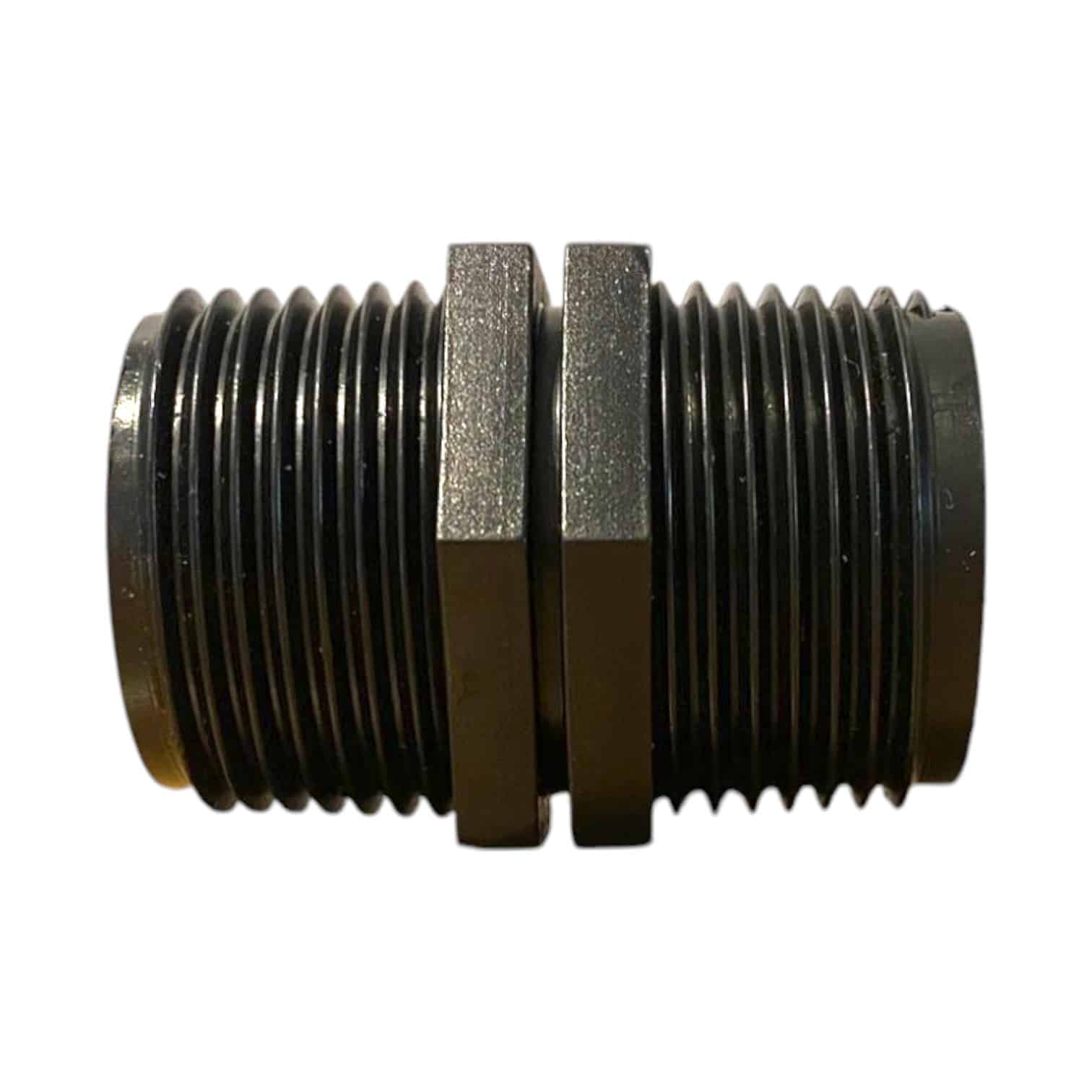
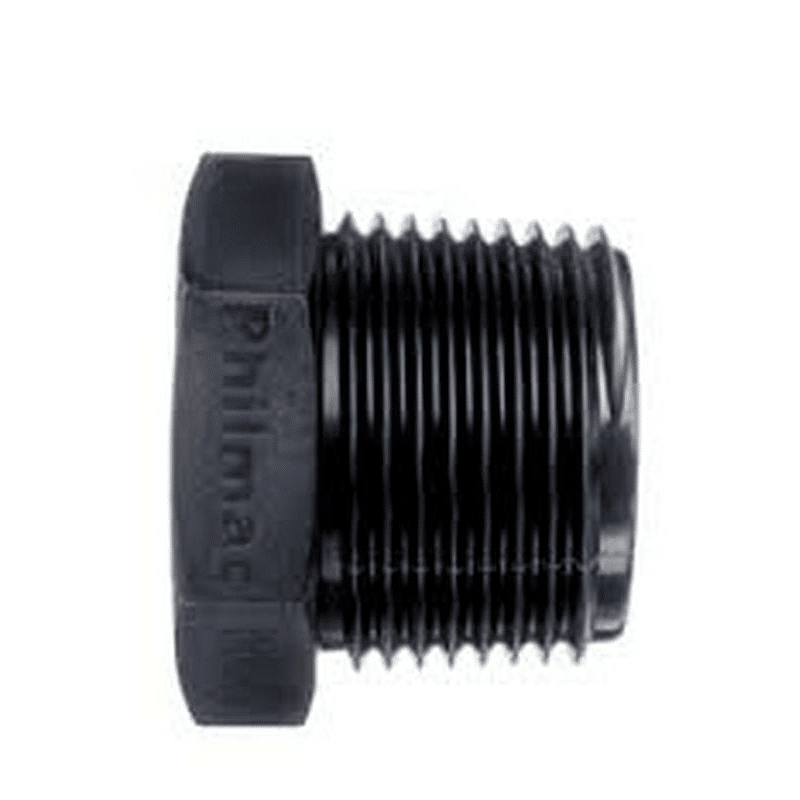
BSP Threaded Pond Fittings – Nipples, Sockets, Elbows, Tees, Caps & Plugs
| Connection standard | BSP |
|---|---|
| Supply format | One selected fitting |
| Fitting option | Equal nipple – 1/2 inch male x male, Equal nipple – 3/4 inch male x male, Equal nipple – 1 inch male x male, Equal nipple – 1.25 inch male x male, Equal nipple – 1.5 inch male x male, Reducing nipple – 1/2 inch male x 3/4 inch male, Reducing nipple – 1 inch male x 3/4 inch male, Reducing nipple – 1 inch male x 1.25 inch male, Reducing nipple – 1.25 inch male x 1.5 inch male, Reducing nipple – 2 inch male x 1.5 inch male, Equal socket – 1/2 inch female x female, Equal socket – 3/4 inch female x female, Equal socket – 1 inch female x female, Equal socket – 1.25 inch female x female, Equal socket – 1.5 inch female x female, Equal socket – 2 inch female x female, Reducing socket – 1/2 inch female x 3/4 inch female, Reducing socket – 3/4 inch female x 1 inch female, Reducing socket – 1 inch female x 1.25 inch female, Reducing socket – 1.25 inch female x 1.5 inch female, Adaptor – 1/2 inch male x 3/4 inch female, Adaptor – 3/4 inch male x 1/2 inch female, Adaptor – 1 inch male x 3/4 inch female, Adaptor – 1.25 inch male x 1 inch female, 90 degree elbow – 3/4 inch female x female, 90 degree elbow – 1 inch female x female, 90 degree elbow – 1.25 inch female x female, Equal tee – 1/2 inch female on all ports, Equal tee – 3/4 inch female on all ports, Equal tee – 1 inch female on all ports, Equal tee – 1.25 inch female on all ports, Blanking plug – 1/2 inch male, Blanking plug – 3/4 inch male, Blanking plug – 1 inch male, Blanking plug – 1.25 inch male, Blanking plug – 1.5 inch male, End cap – 1/2 inch female BSP, End cap – 3/4 inch female BSP, End cap – 1 inch female BSP, End cap – 1.25 inch female BSP, End cap – 1.5 inch female BSP |
One BSP fitting in your selected shape and connection size. Choose male nipples, female sockets, male/female adaptors, 90 degree elbows, equal tees, female end caps or male blanking plugs. Check both the nominal thread sizes and the male/female arrangement before ordering; pipe and separate sealing materials are not included.
Price range: £1.50 through £7.95 (inc VAT)
BSP threaded fittings for pond plumbing
These threaded fittings help connect the screw-threaded parts of a pond plumbing system. The range brings together male nipples, female sockets, reducing connections, elbows, tees, end caps and blanking plugs. Choose the complete fitting description in the selector: the shape, size and whether each connection is male or female all matter. Each option supplies one fitting, rather than an assortment or a bag containing every size shown.
A small adaptor can solve a very specific installation problem. Two female ports need a male-to-male nipple between them; two male ends need a female socket. A tee creates a branch, while a plug closes an unused female port. Picking that connection correctly is more useful than simply buying a fitting that looks roughly the right diameter. The option names state the connections so you can compare them with your pump, filter or existing adaptor before ordering.
Which fitting shape do you need?
| Fitting | Connection arrangement | Typical purpose |
|---|---|---|
| Equal male nipple | Male BSP at both ends, same nominal size | Join two matching female threaded ports |
| Reducing male nipple | Male BSP at both ends, different nominal sizes | Join differently sized female threaded connections |
| Female socket | Female BSP at both ends | Join male threaded fittings in a straight line |
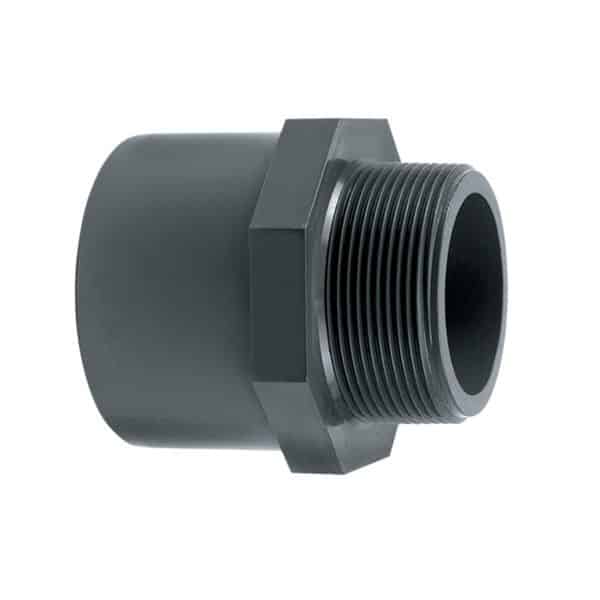
| Male/female adaptor | One external thread and one internal thread | Change the connection size and retain a male/female arrangement |
| Female elbow | Two female BSP connections at 90 degrees | Change the direction of a threaded connection |
| Female equal tee | Three female BSP connections of the same size | Add a branch to a threaded plumbing arrangement |
| Male blanking plug | One male BSP thread with a closed end | Close a matching unused female threaded port |
Understanding the size labels
BSP means British Standard Pipe. The inch figure identifies the nominal thread size; it is not the diameter of a flexible hose that happens to fit over the outside. A 1 inch BSP fitting should therefore be matched to a 1 inch BSP connection. It should not be selected because a ruler shows approximately one inch across an unrelated component. Check the equipment manual or the markings on the existing fitting if you are replacing a part.
Male means the thread is on the outside of the fitting. Female means the thread is inside the opening. On a reducing nipple, both ends are male even though their sizes differ. On a reducing socket, both ends are female. Our option labels spell out this arrangement because reversing it is an easy mistake when ordering several small parts for one installation. A male/female adaptor is a different part from a male/male reducing nipple.
These are threaded connections. A plain solvent-weld pipe socket, a hose barb and a threaded port perform different jobs. For a transition from rigid pipe to a screw connection, look instead at our PVC pressure pipe socket nipples. For an existing larger male/female reduction, compare the separately listed BSP threaded reducers. Do not use a fitting as a substitute for a different connection simply because the stated inch sizes appear similar.
Planning the plumbing around the fitting
Start with a simple sketch showing the connection at each end of the gap you need to bridge. Mark its size and whether it is male or female. Then check how the components will be assembled: a threaded connection needs space to turn, and two fixed pieces of equipment cannot necessarily be joined by rotating the fitting between them. Where equipment must come out for servicing, plan a suitable union or another removable connection into the layout.
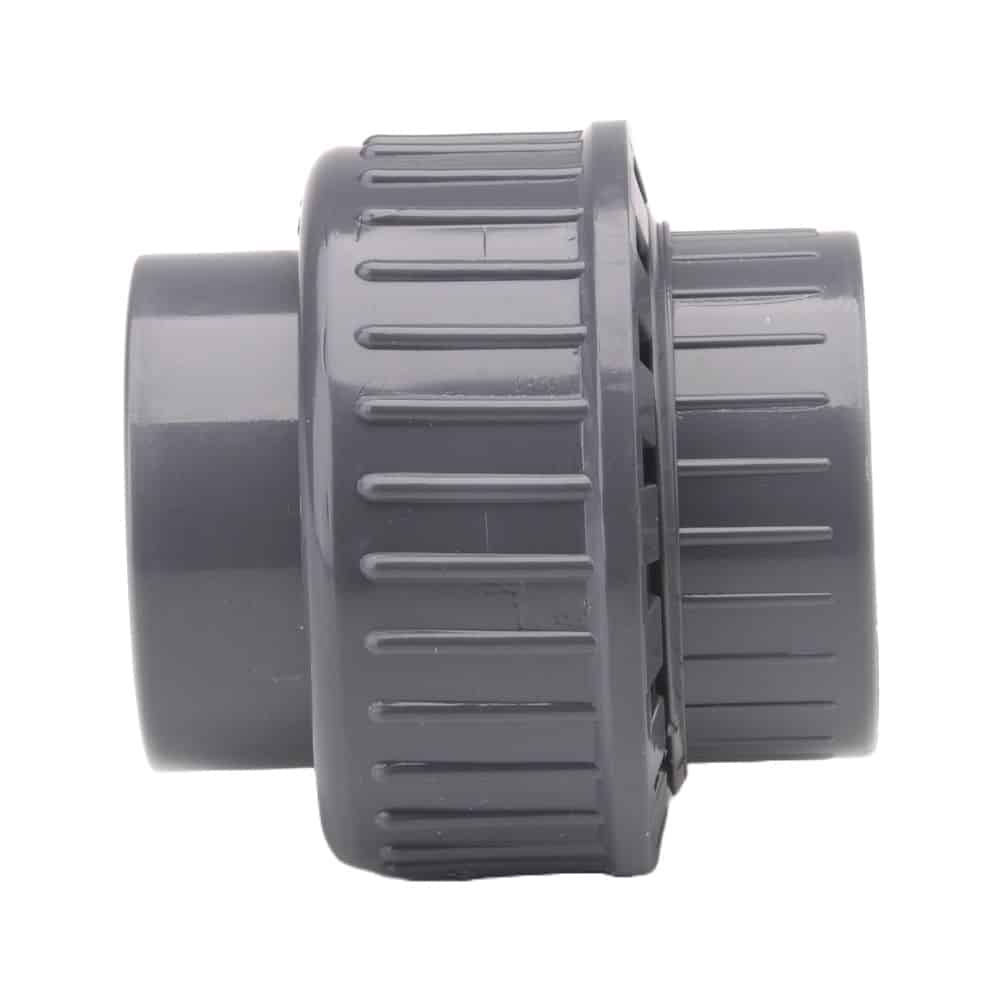
Our pressure pipe socket unions provide a separate option for service access on compatible rigid pipework. A nipple or straight socket is not itself a union. Allow room around any valve handle, electrical cover, pump basket or UV end cap before finalising the pipe position. Supporting the pipework properly also prevents a heavy or misaligned run from loading the equipment port.
Reducing size and splitting flow
A reducing fitting joins different connection sizes; it does not increase the capacity of the smaller port. Keep the intended flow and the equipment manufacturer’s pipework recommendations in mind, particularly where several reductions would be fitted close together. Choose the shortest practical route with the fewest unnecessary changes of direction, while keeping enough access to maintain the system.
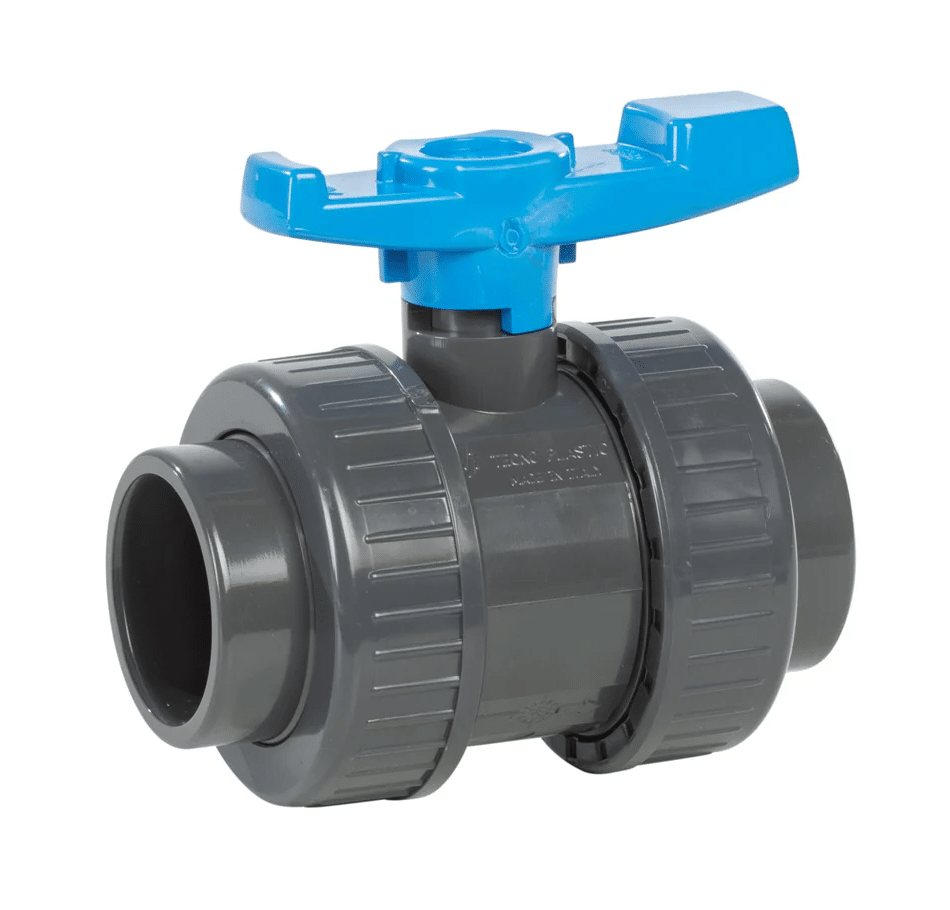
A tee provides a branch, but it does not automatically split the flow equally. The resistance of the connected runs and the equipment on each branch affect where the water goes. If you need independent adjustment or isolation, include suitable valves as part of the design. For compatible rigid pipe installations, compare our double union ball valves. Valves and additional adaptors are separate purchases.
Assembly and checking for leaks
Switch off and isolate the equipment, then drain the relevant pipe section before dismantling an existing connection. Inspect the mating threads for damage and clean away old sealing material. Start a new connection carefully by hand so that a crossed thread is spotted before force is applied. A fitting that immediately binds or sits at an angle needs checking, not harder tightening.
Use the sealing arrangement specified for the equipment and the actual mating parts. Some connections seal on a washer or O-ring rather than on the thread itself. Do not add solvent cement to a screw thread or use excessive packing to force a mismatched connection to seal. Follow the equipment and sealant instructions, support the adjoining pipework, and inspect the assembled connection as the system is refilled and restarted.
What is supplied and what to check
Your order includes one fitting in the selected shape and connection size. Pipe, hose, valves, clips and separate sealing materials are not included. A blanking plug closes a port; it should not be treated as a dedicated pressure-test device. Choose fittings against the operating conditions of the whole system and the instructions for the connected equipment, rather than transferring a pressure or temperature rating from a different product that looks similar.
Before placing the order, check all three details in the option name: fitting shape, nominal BSP size and male/female arrangement. For replacements, keeping a note of the selected option beside the equipment manual makes the same connection easier to identify at the next service.
Female threaded end caps
Choose a female BSP end cap when the connection you need to close has an external male thread. The available cap sizes are 1/2, 3/4, 1, 1.25 and 1.5 inch BSP. These are single fittings, selected separately from the male blanking plugs above. A female cap screws over the matching male connection; a male plug screws into a female opening. Neither is interchangeable with a plain solvent-weld end cap, even if the nominal inch size looks similar.
Before removing an existing cap, isolate the line and release any trapped pressure. Confirm the thread and sealing arrangement on the mating equipment, then check for leaks when returning the system to use. Choose a separately specified pressure-rated component wherever the installation requires a certified pressure class; no pressure class is stated for these general catalogue fittings.





Reviews
There are no reviews yet.