






TMC V2PowerPad 200 Ammonia Reduction Pad
| Brand | |
|---|---|
| Fits | TMC V2PowerBox 200 |
| Media type | Ammonia Reduction Pad |
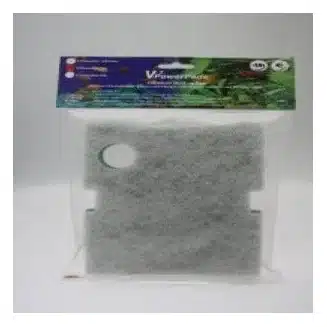
One TMC V2PowerBox 200 ammonia reduction pad. Check the water type and directions before fitting.
£7.89 (inc VAT)
A measured ammonia reduction stage in the V2PowerBox 200
The TMC Ammonia Reduction V2PowerPad fits the V2PowerBox 200 media compartment. Use it when your readings and the exact pad directions support it. Give water a clear path through the pad and protect the established filter stages. Check the readings again while you look at what changed in the aquarium.
Investigate a raised reading on an established 200
If this canister usually carries a mature filter but a reading has changed, write down what was different in the last few days. Check for an outage, a weak return, a blocked intake, increased feeding or a major clean of the filter. A change affecting biological media can take time to show up in testing. Begin by establishing that the PowerBox is moving water correctly and that its normal media are still present.
Take a fresh sample with a kit matched to the water type. For freshwater, see the NT Labs Aquarium Lab Multi Test Kit. In marine use, the Marine Lab ammonia test kit is a separate option. Follow the test’s timing and check how it reports the result. Compare measurements using the same kit and keep a note of any other product that has been added.
Check the model and media compartment
Read the filter label and match V2PowerBox 200 and TMC article 5972 before ordering. The model number identifies the filter, even if the canister has been moved to a different aquarium. Keep the original media layout available when you service an older filter. A photograph of the trays before you lift them out makes it easier to return the existing stages to the same order.
Make sure the canister label reads V2PowerBox 200 and the pad pack carries article 5972. In a used unit, check that original media trays are present. Before changing anything, identify which compartment currently holds the mechanical and biological stages so you can keep each functioning.
Follow the instructions for isolating and opening the external filter. Keep established biological media wet in aquarium water while you work. Seat the pad in the position shown for your filter and check that the tray can close without being forced. TMC asks for good water flow through the pad. When the filter is back together, prime it as instructed and check the return and connections before leaving it running.
Decide which 200 pad addresses the problem
Choose 5972 when the intended job is ammonia reduction, and follow the pad’s actual instructions. The 5960 PowerBox 200 activated carbon pad is sold for selected dissolved organics. The 5957 filtration start-up pad supports maturation. These are distinct uses in the same filter chassis. Use the reading and the history of the aquarium to decide what needs attention.
An ongoing source of waste can keep raising ammonia as a filter recovers. Check what is collecting where the normal routine might miss it and keep suitable aeration and water movement. If the aquarium is stocked and you see signs of distress, respond promptly according to the needs of that tank and seek knowledgeable advice. The supplier gives no dosing or removal rate for using more pads at once.
A routine filter service should leave the established stages in place wherever possible. Record the order of changes, especially if another person removed or replaced media recently. Check nitrite and the rest of the water readings relevant to that aquarium as well. A decline in ammonia alone does not identify whether the biological stage has recovered.
Check flow and set a service date
TMC’s published V2PowerPad range guidance is to replace the pad at four weeks or earlier if needed and to use it with regular water testing. Water readings and system conditions guide when an earlier check is needed.
Log the fitting date and why you used the pad. Check the 200 canister return after restart. If the output is falling, follow the filter instructions to check the intake and the normal mechanical stage rather than relying on the new pad to compensate for reduced water movement.
At the next check compare the reading with the earlier test, any water change and the actual flow. If the cause was an earlier service, restore a stable media routine and retain the established biological stage. Replace or remove the temporary medium as directed and keep monitoring after the change.
Find the matching part if you have another canister
Choose the 400 ammonia reduction pad or 100 Nano ammonia reduction pad if you have those filters. The part numbers reflect a change in canister fit. If the job is ongoing measurement, see the aquarium water care and testing range to choose a kit for the correct water type.
Technical overview
| Feature | Details |
|---|---|
| Manufacturer / article | Tropical Marine Centre 5972 |
| Fit | TMC V2PowerBox 200 media compartment |
| Function | Ammonia reduction |
| Pack | One pad |
| Water type | Follow the exact pad label for water-type suitability |
| Service | TMC advises four weeks or earlier if needed. Continue testing during use. |
Frequently asked questions
What does 5972 contain?
One ammonia reduction pad for the PowerBox 200. Match the model as well as the function. The filter stages used to trap debris and support the biological cycle are separate.
Does the name tell me the active ingredient or how much it can remove?
TMC specifies the function and fit. Use the exact pack for directions and check ongoing ammonia levels with an appropriate test. Selection by aquarium volume or a guessed chemical loading gives no basis for calculating a removal capacity for this pad.
How long will the pad keep reducing ammonia?
TMC’s general pad service interval is four weeks or earlier if required. Use regular tests and check the cause of a rise. The calendar interval gives no guarantee of remaining capacity, and the timing depends on the actual aquarium and its filter.
Can I use it to replace permanent biological media?
Keep the established biological stage in service. It provides the ongoing waste-processing capacity of the canister. The 597-series pad is an additional medium chosen for ammonia reduction, and its use should be reviewed with water tests and the pack instructions.
What should I note if the 200 has just been cleaned?
Record which mechanical and biological stages were moved or replaced. Confirm the canister has primed and returned to its usual flow, then check ammonia and nitrite over the following period so you can spot a change linked to the service.







Reviews
There are no reviews yet.