





Norfine Koi Sock Nets
| Model | 9 inch open-ended, 11 inch open-ended, 11 inch water-retaining |
|---|---|
| Brand |
Norfine transfer socks in 9 inch and 11 inch open-ended versions, plus an 11 inch water-retaining option. Compare the opening and water handling, and prepare the receiving bowl before making a short, controlled transfer.
Price range: £22.09 through £38.00 (inc VAT)
Norfine Koi Sock Nets for Controlled Transfers
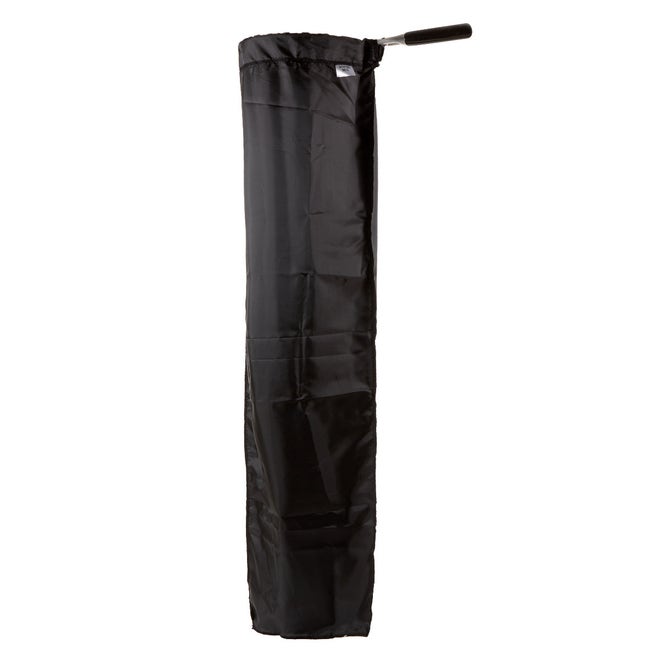
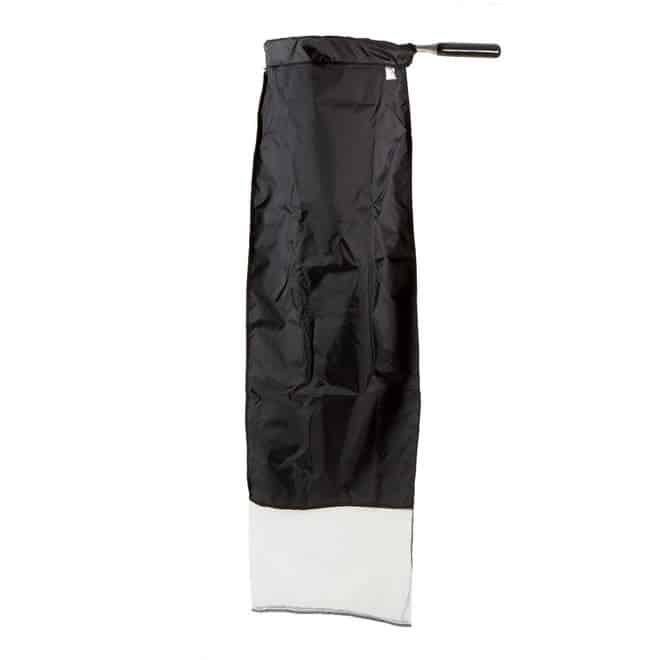
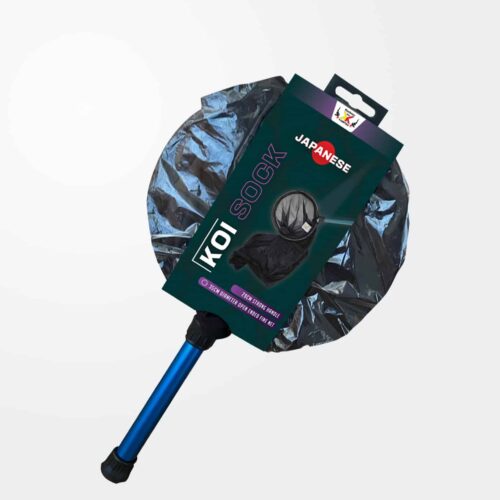
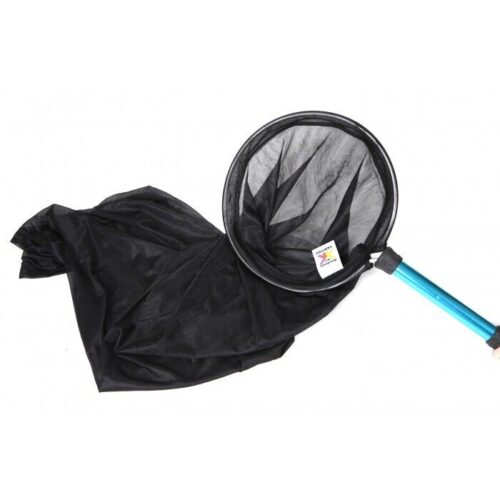
A Norfine koi sock is a transfer tube for moving a koi a short distance between a pond and a prepared bowl or holding container. Choose from the three models in this listing: a 9 inch open-ended sock, an 11 inch open-ended sock, and an 11 inch water-retaining sock. The opening and the way the fabric handles water are the main differences to compare.
We recommend arranging the receiving container and planning the route before you start handling the fish. A suitable sock can make that short transfer easier to control, but careful preparation still matters. The opening needs to accommodate the fish comfortably, and the receiving water needs to be ready. A nominal diameter is not a promise that every koi of a particular length or weight will fit.
Compare the options in this listing
| Model | Nominal opening | Water handling |
|---|---|---|
| 9 inch open-ended | Approximately 23cm | Drains water during the transfer |
| 11 inch open-ended | Approximately 28cm | Non-watertight transfer sock |
| 11 inch water-retaining | Approximately 28cm | Fabric holds water around the fish |
Select the exact model from the product options before adding it to your basket. Norfine also makes replacement sock fabric, larger transfer tubes and several handling nets. Those separate products should not be confused with the complete sock options here. Check the model name and opening rather than choosing on the appearance of a black fabric tube alone.
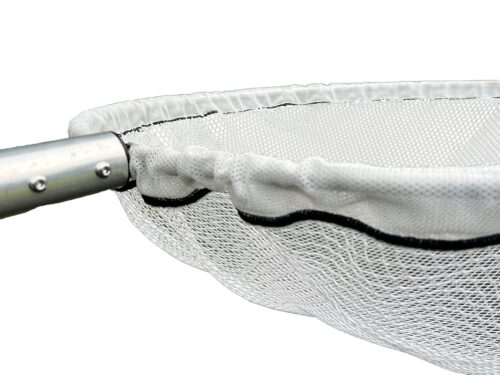
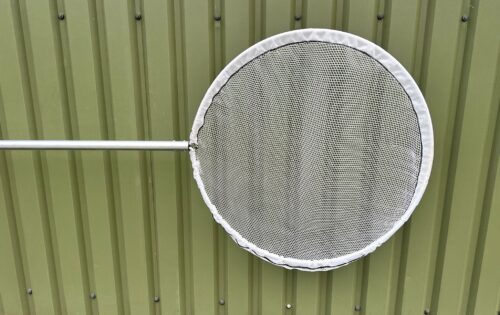
The manufacturer describes its current 28cm non-watertight model as a handling sock on a heavy-duty aluminium handle. Its current 11 inch watertight model is described as a transfer tube that holds water, also with an aluminium handle. These are different fabric arrangements, so a photograph of one should not be taken as an illustration of the other.
Open-ended or water-retaining?
The open-ended options allow water to drain through the fabric as you make the short transfer. A water-retaining version holds more water around the fish. That can be useful where water support is part of the chosen handling method, but the water adds weight. Consider both the fish and the water when deciding whether you can carry out the planned movement safely and with control.
Water-retaining does not mean that the sock is a permanently sealed transport bag. You still need to control its open end during use. Do not assume that the model can be carried by its handle alone, or that it makes a long journey away from the pond suitable. The intended task is a brief transfer into another prepared body of water.
Prepare the receiving container first
Put an appropriately sized bowl or holding container on a stable surface and arrange suitable receiving water before catching the koi. Clear the short route between the pond and that container. Think about where you can stand securely, how close the bowl can be placed and whether a wall, coping stone or pipe would interfere with a controlled movement.
Keep necessary equipment within reach so you do not have to stop halfway through the transfer to find it. Our pond net range includes separate handling equipment. A pan net and a sock serve different parts of the job: the net helps guide the fish in the water, while the sock is for the short movement to the receiving container.
Use the opening and handle thoughtfully
Compare the actual fish with the selected opening before beginning. There should be room to guide it into the tube without forcing it through or bending it to make it fit. A wider opening may provide more working room, but an opening diameter alone does not establish a lifting capacity. If the planned task cannot be managed calmly with the equipment available, change the arrangement first.
Keep the handling period brief and work close to the receiving water. Plan who will control the handle and the open end, and how the fabric will be supported through the movement. Having someone help with the receiving container can be useful when one person cannot manage the whole arrangement comfortably. Do not start with an obstructed route or unstable footing.
Inspect the sock before each use
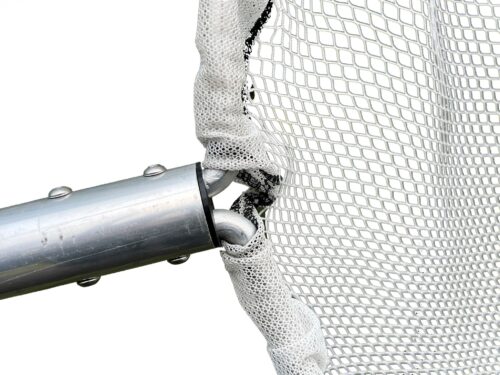
Check the fabric, seams, rim, handle and connection before the sock enters the water. Look for tears, loose connections, trapped material or rough areas that could catch a fin. A small damaged seam can become a more serious problem under load, so do not rely on a sock that already needs repair simply because the transfer is expected to be short.
Make sure the fabric is clean and free of debris from an earlier task. Keep equipment used on separate systems separate where that is part of your pond-care routine. If cleaning or disinfection is needed, follow the instructions for the method and product used, including any rinsing requirements, rather than assuming that a chemical suitable for another surface is suitable for this fabric and task.
Care, storage and matching equipment
Clean the sock after use and let it dry before storing it. Keep the fabric away from sharp hooks and rough edges, and put the handle where it will not be stepped on or trapped beneath other equipment. Inspect it again when you take it out of storage; a previously sound connection is still worth checking before the next transfer.
For another water-retaining option, compare our Japanese watertight koi transfer socks. For measuring equipment, browse koi measuring sleeves. Choose equipment for the particular task and dimensions, and keep the receiving container ready before handling begins.



Reviews
There are no reviews yet.