





Multiparameter Testing Kits
Multiparameter Testing Kits
One testing platform with clearly defined methods and consumables
A multiparameter kit can standardise testing and reduce the number of instruments carried, but each programmed parameter remains a separate analytical method with its own range, reagent, timing and possible interference.
Compare included methods, optional upgrades, wavelengths or sensors, sample volumes, reagent packs, calibration or validation standards, data logging and case contents. Confirm that every required parameter covers the expected concentration.
Compare the complete method menu, not only parameter count
- List essential parameters and expected ranges.
- Confirm freshwater, marine, pool or process suitability.
- Check included reagents and test quantities.
- Review validation and calibration options.
- Calculate ongoing reagent and replacement cost.
Our practical view: A multiparameter kit is only efficient if its ranges fit the water and its consumables are kept current. We compare the actual parameter menu, not the total number advertised.
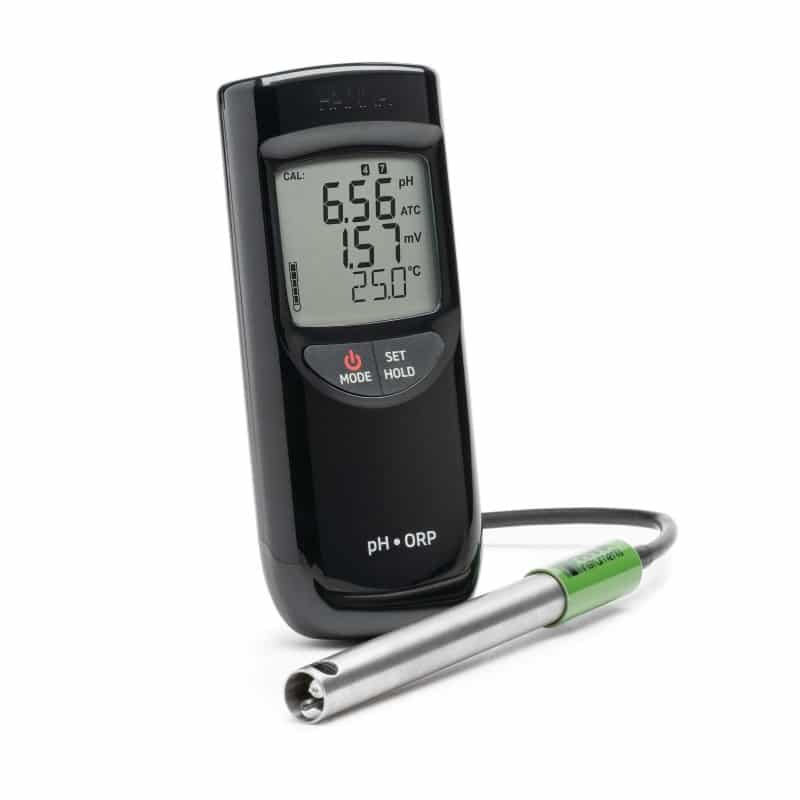
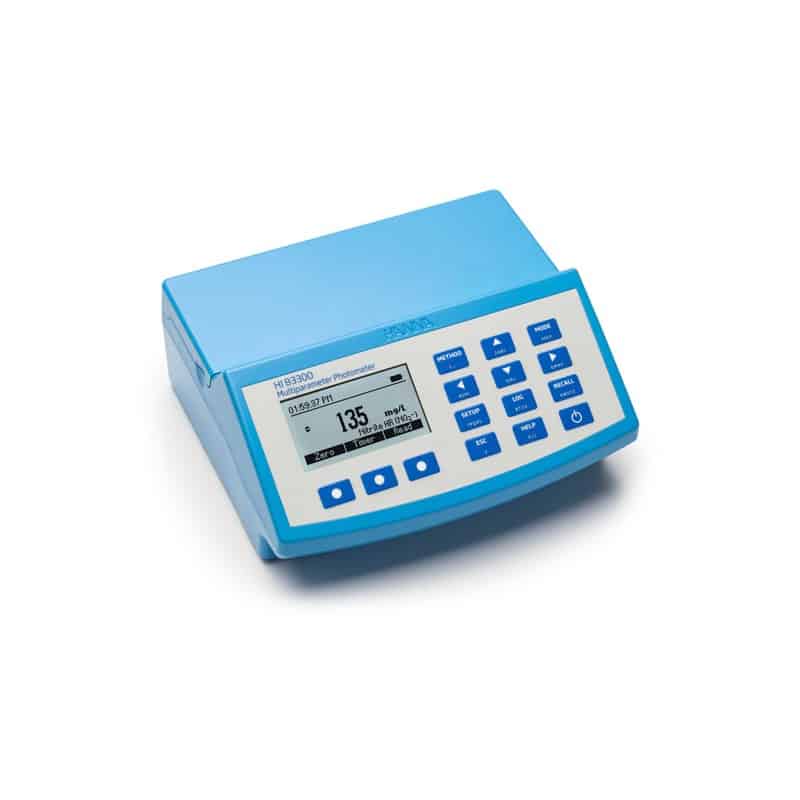
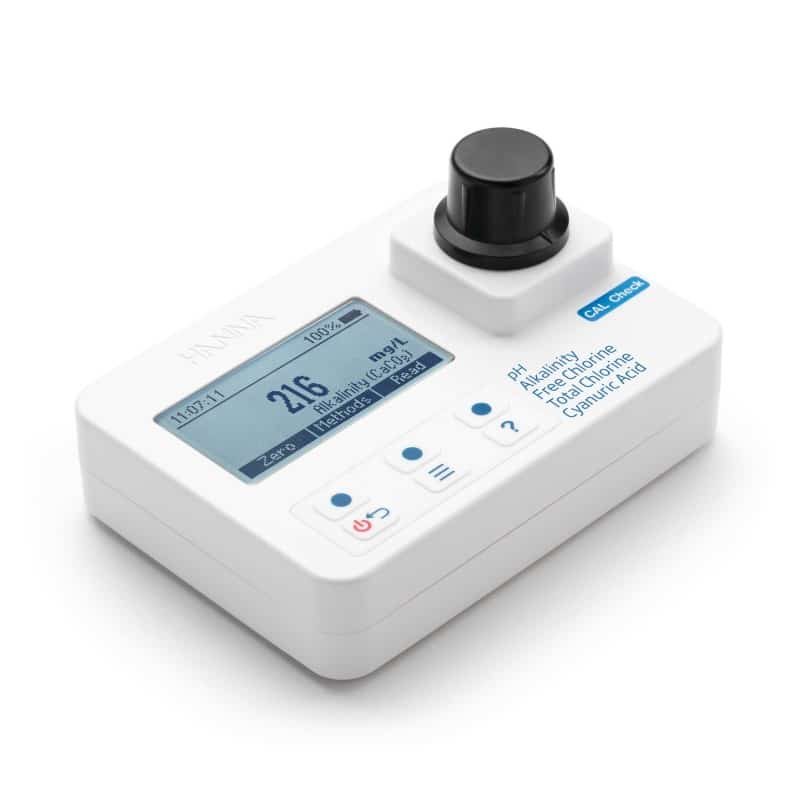
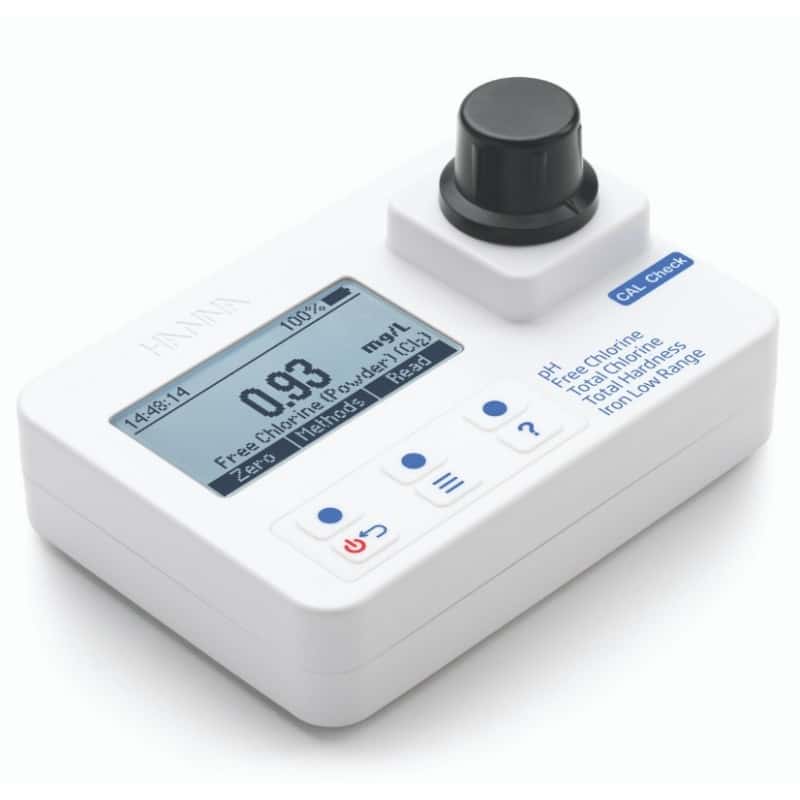
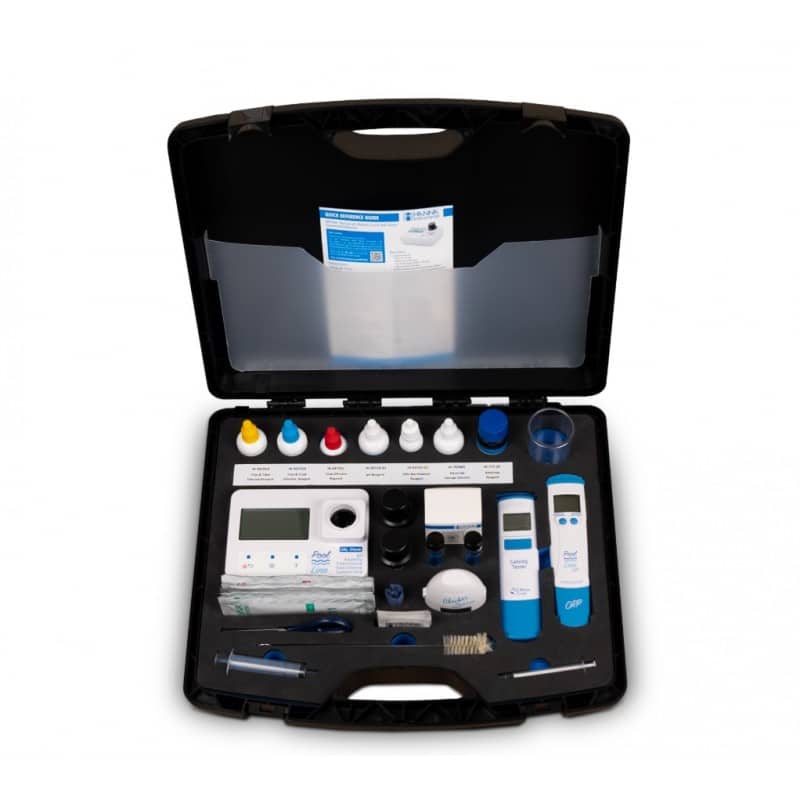
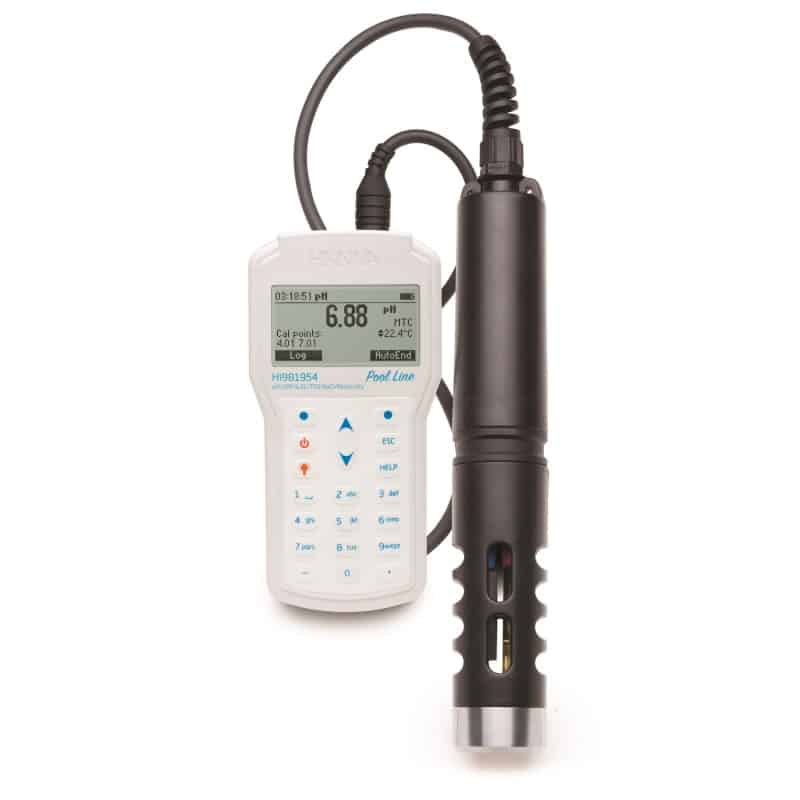
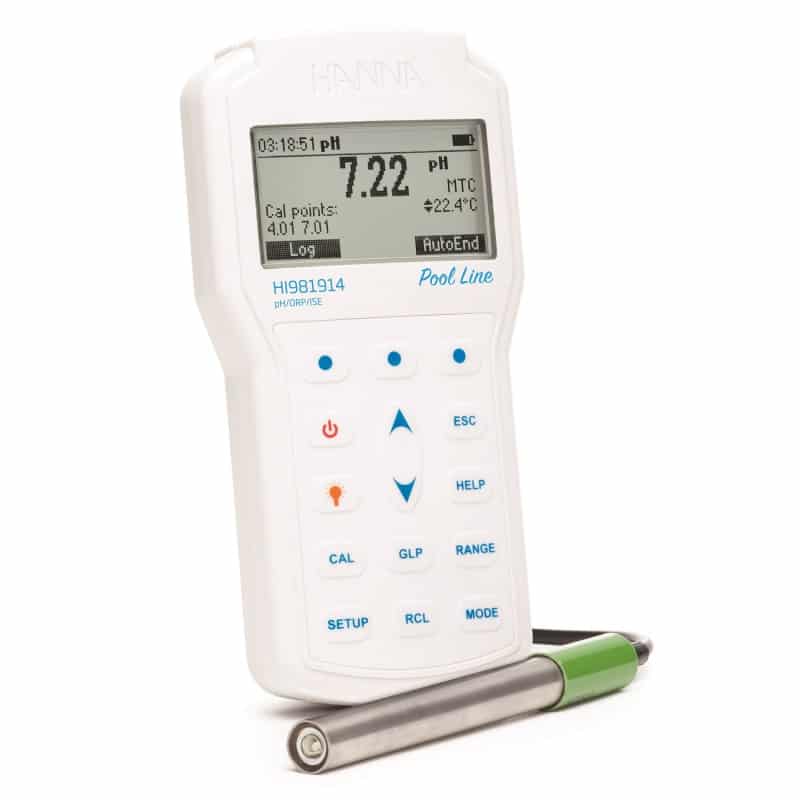
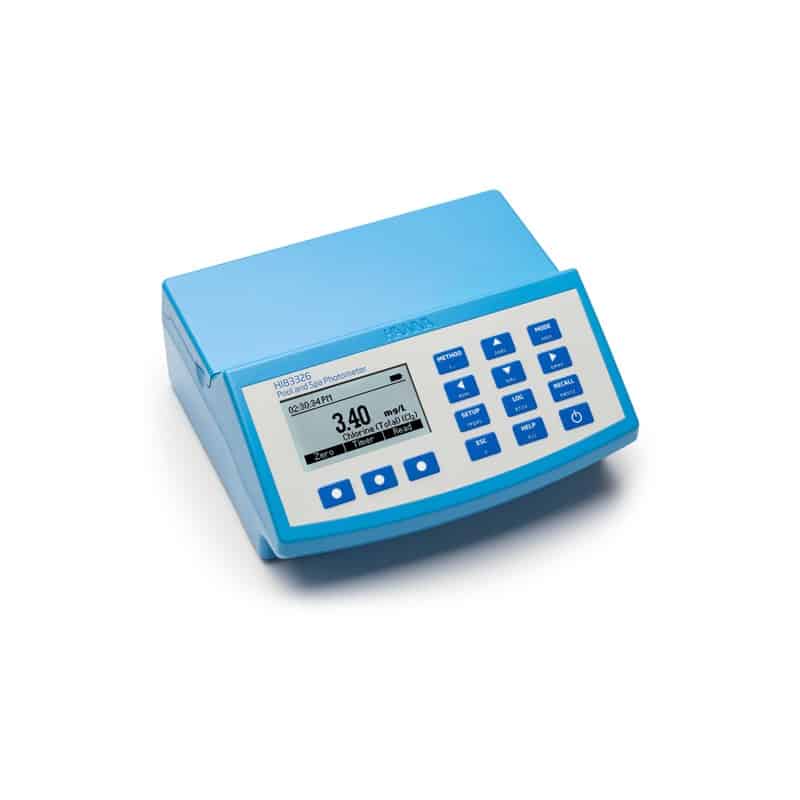
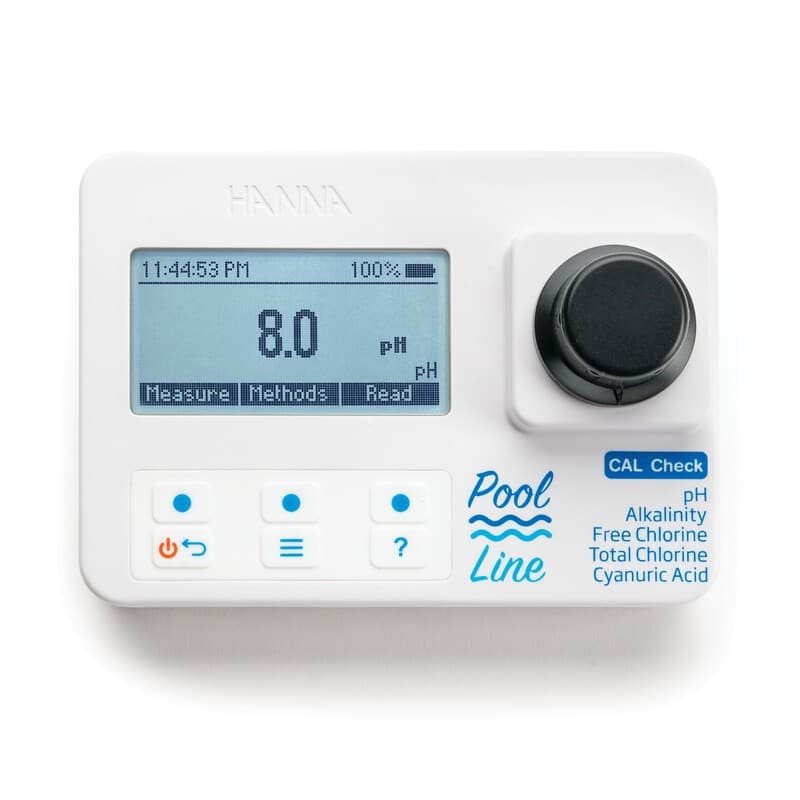
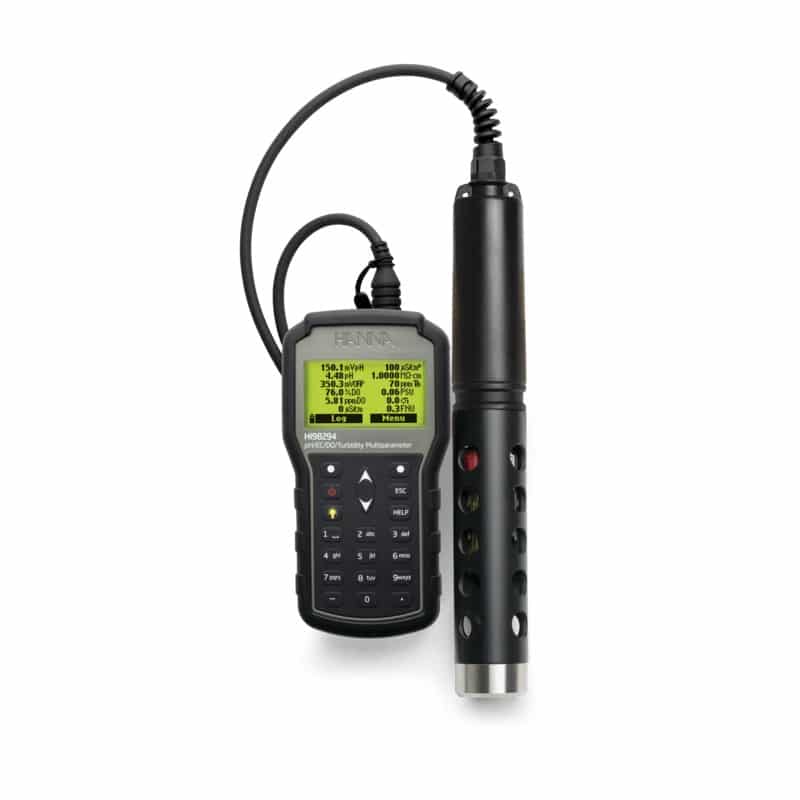
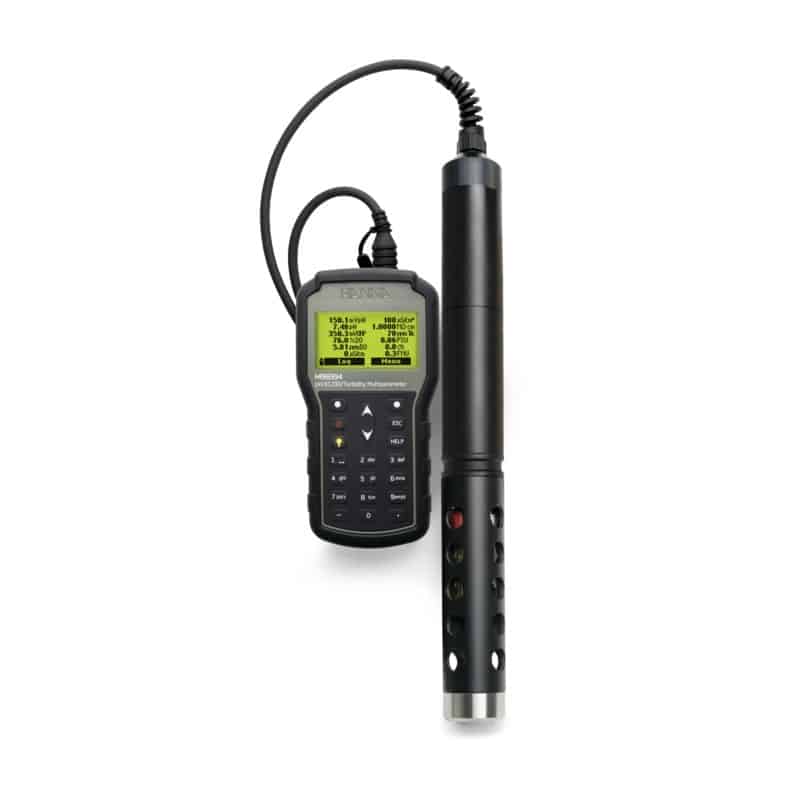
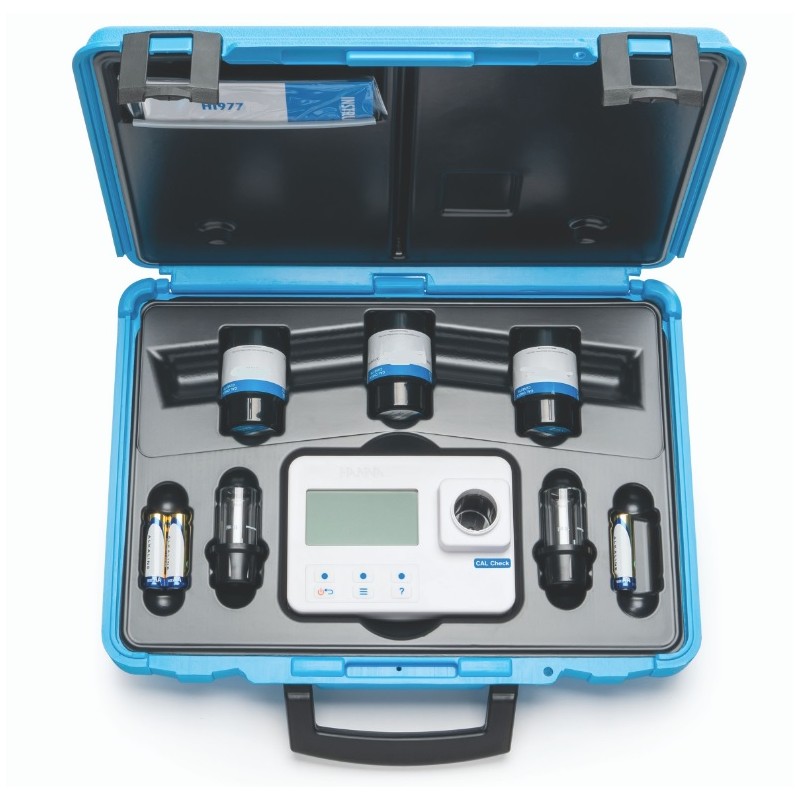
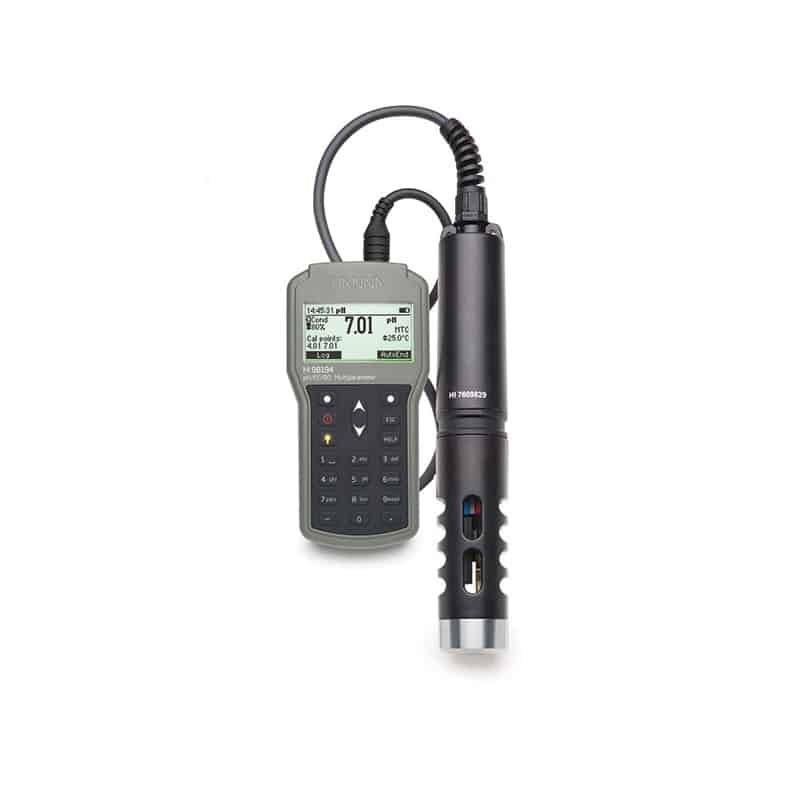
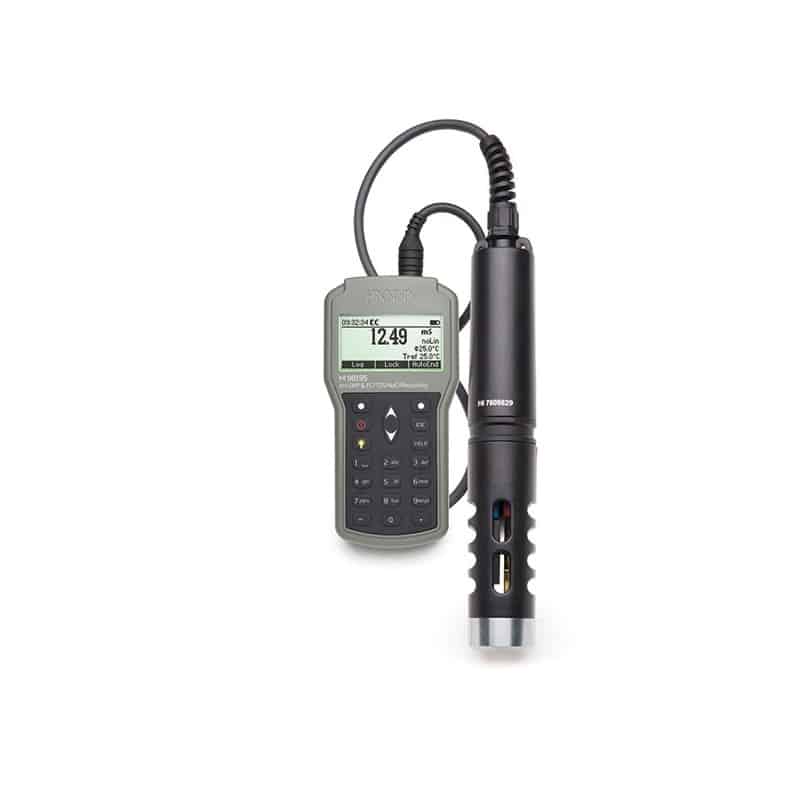
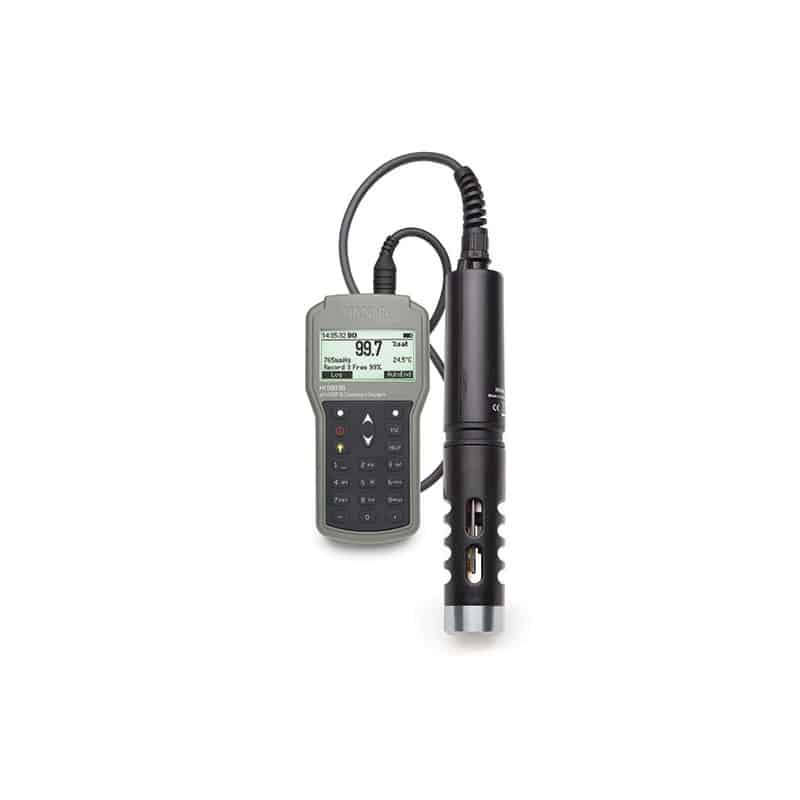
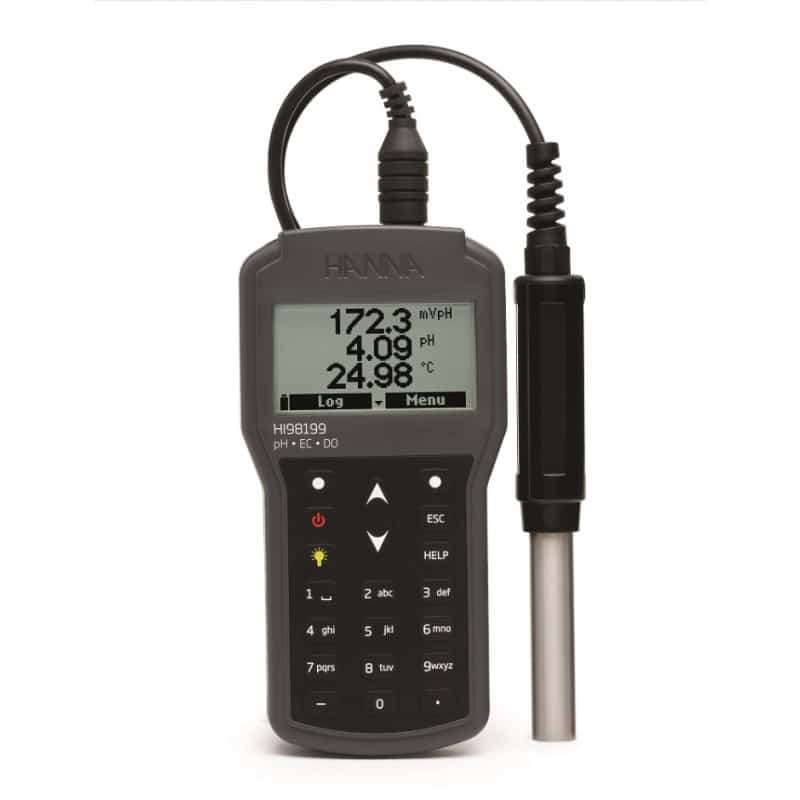
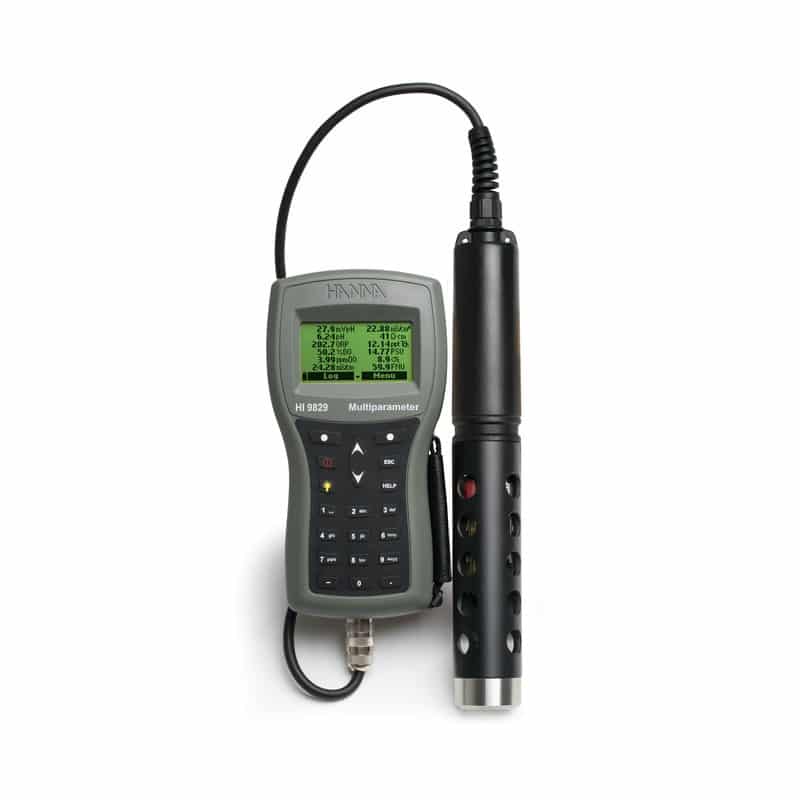
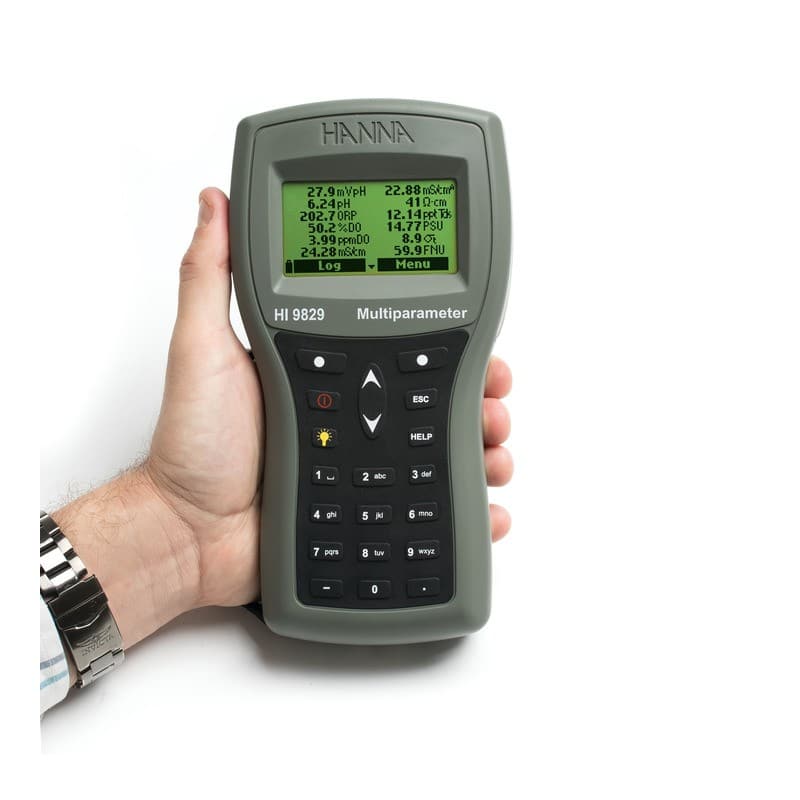
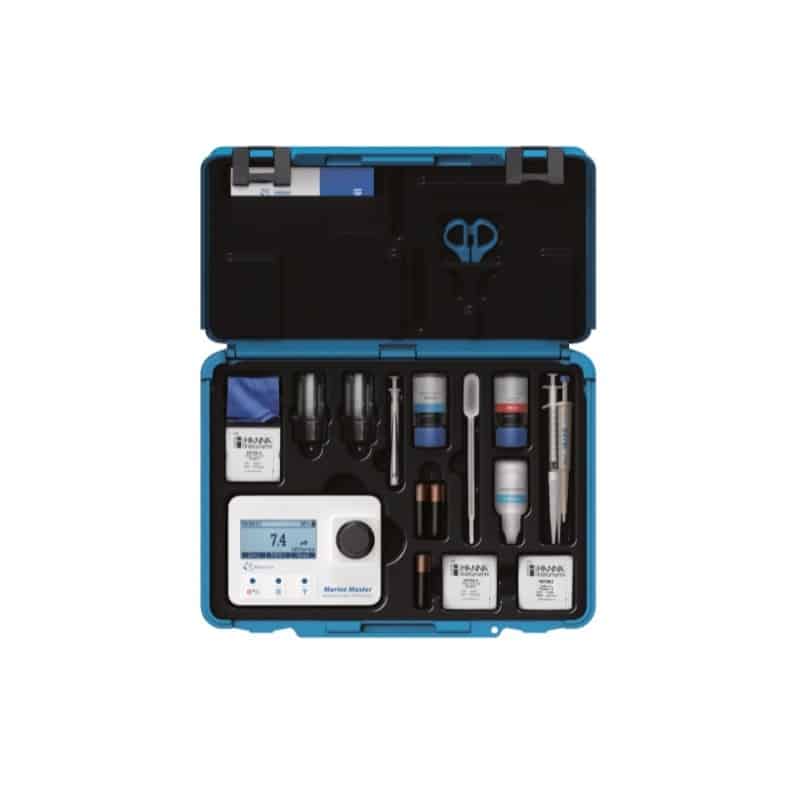
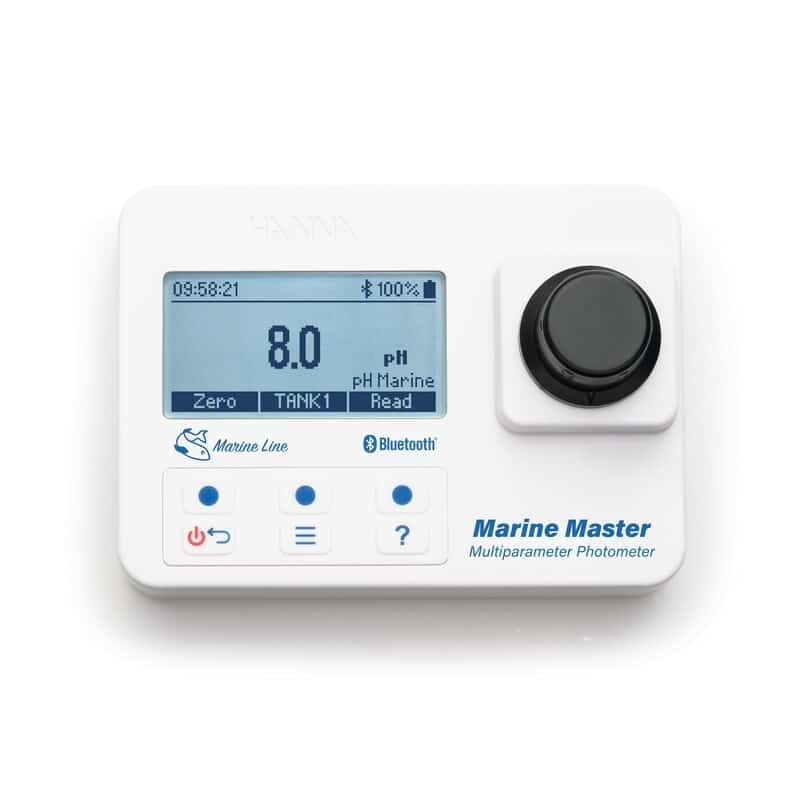
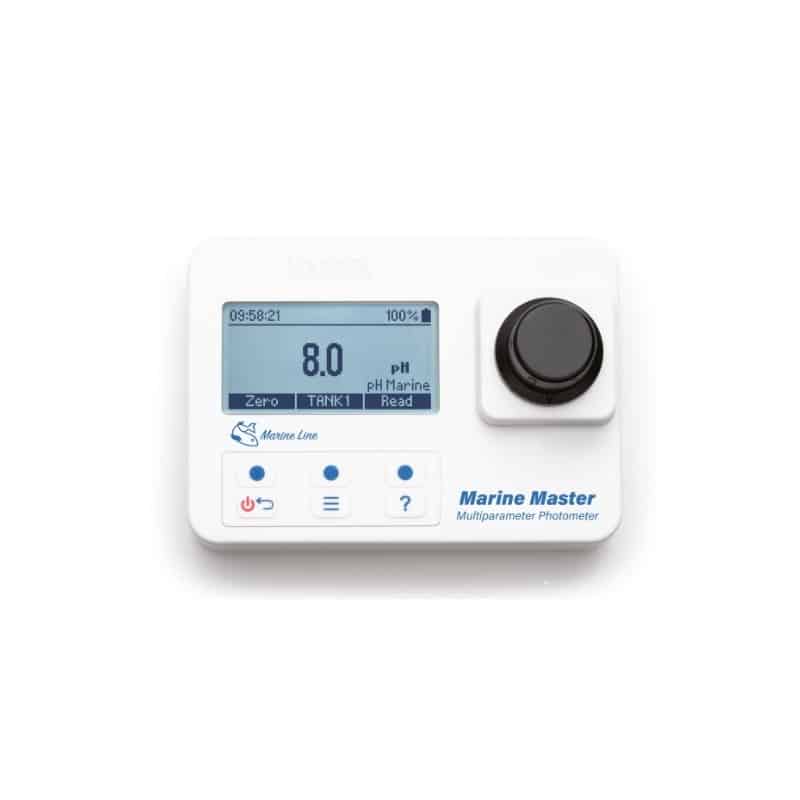
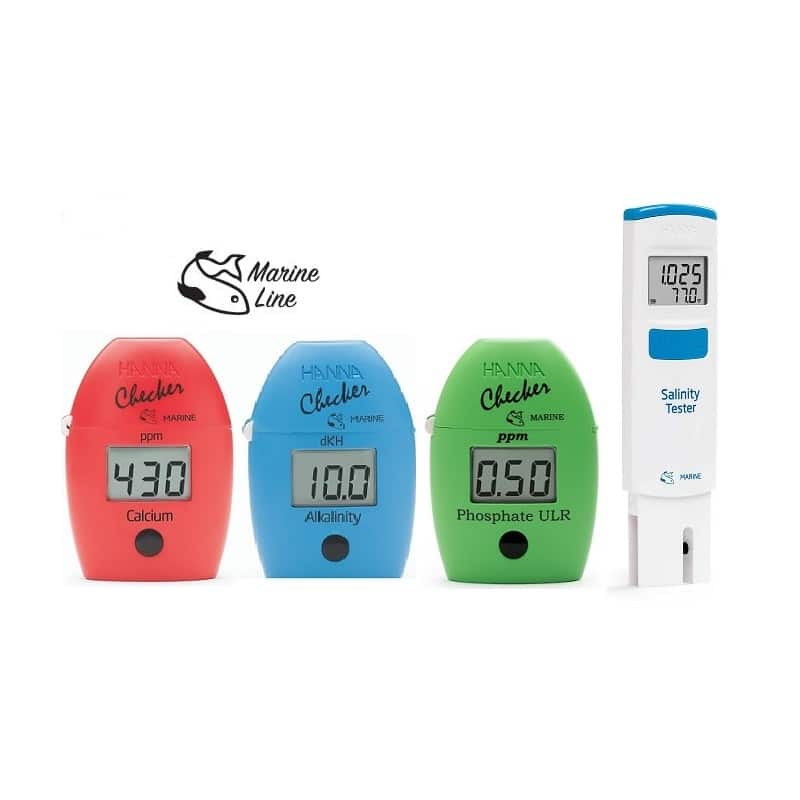
Choosing Multiparameter Testing Kits from a measured water result
Multiparameter testing kits combine several photometric or electrochemical measurements in one instrument or case. Some focus on pools, others water treatment, aquaculture or general laboratory work. Check which parameters are built in, which require separate electrodes and which reagents are supplied. A broad instrument can still be the wrong choice if its ammonia or chlorine range misses your application.
What to check before ordering
- List essential parameters, ranges and required resolution.
- Confirm the included probes, cuvettes, reagents and calibration materials.
- Budget for ongoing consumables and establish a quality-control routine.
Products you can compare in this section
Current examples include Hanna Extended Range pH/ORP Meter with Temperature Sensor – HI-991003N, Hanna Professional Multiparameter Water Quality Meter – HI-981954, Hanna GPS Multiparameter Portable Water Quality Meter – HI-98394, Hanna Digital Portable Meter for pH, EC & Dissolved Oxygen – HI-98199 and Hanna Marine Reef Testing Kit – HI-REEFKIT.
Send us a typical water report or target list. We can help narrow a large range to the instruments that genuinely cover the job.
Need to compare the wider range? Return to Hanna Instruments for the surrounding product family.
Multiparameter Testing Kits Testing Guide
More parameters do not always mean better coverage
A focused kit with the correct ranges can be more useful than a larger menu with unsuitable methods.
Cross-contamination needs a cleaning routine
Rinse cells and accessories between methods according to the instructions, particularly after strong reagents or high-concentration samples.
Result histories need method labels
Store parameter, chemical form, unit, instrument and method so data remains comparable after reagent or equipment changes.
Related water-care categories for Multiparameter Testing Kits: Water testing & purifiers · Hanna Instruments · Seneye · Water purifiers · Dechlorinator units · Pond treatments
Multiparameter Testing Kits Frequently Asked Questions
These Multiparameter Testing Kits answers cover the recurring buying and testing questions we encounter. The exact instrument, reagent and application instructions still take priority.
What is a multiparameter water-testing kit?
It combines an instrument and accessories for several defined analytical methods within one platform or case.
Does one reagent work for every parameter?
No. Colorimetric parameters normally use dedicated reagents and procedures, while sensor measurements need their own standards and care.
How do I compare multiparameter kits?
Compare required methods, ranges, sample matrices, included test quantities, accuracy specifications, validation, data handling and consumable cost.
Can methods be added later?
Some platforms support additional programmed tests or sensors, but compatibility, app licences and accessories must be checked for the exact model.
How do I choose the right Multiparameter Testing Kits product?
For Multiparameter Testing Kits, define the sample type, expected concentration, reporting unit and confidence required before comparing compatible instruments, reagents and standards.
Why does the measurement range matter?
When testing Multiparameter Testing Kits, a result outside the method range may be invalid, while an unnecessarily broad range can hide useful detail at low concentrations.
Why must I record the unit with a water-test result?
A Multiparameter Testing Kits value is meaningful only with its unit, reporting form and method; similar-looking numbers can otherwise describe different results.
How can I improve repeatability when using Multiparameter Testing Kits?
For repeatable Multiparameter Testing Kits results, use a representative sample, clean equipment, accurate volume and consistent timing, and keep optical cells free from fingerprints and bubbles.
What should I do if a water-test result looks wrong?
If a Multiparameter Testing Kits result looks wrong, repeat a fresh sample, confirm the method and range, inspect the reagents and validate with a suitable standard or independent method where needed.
How should water-test reagents and standards be stored?
Store Multiparameter Testing Kits reagents and standards sealed, labelled and within the stated temperature and expiry limits, and protect them from contamination.
Can Multiparameter Testing Kits prove water is safe to drink?
No. A Multiparameter Testing Kits field test covers defined parameters only and cannot establish overall drinking-water or microbiological safety.
What details should I record with a test result?
With a Multiparameter Testing Kits result, record the date, time, sampling point, temperature where relevant, instrument, method, chemical form, unit and recent treatment or maintenance.
