





Iodine & Calcium
Parameter-specific iodine and calcium testing for suitable aquatic systems
Iodine and calcium are chemically distinct parameters and require separate calibrated methods. Calcium is commonly monitored in marine systems and hardness-related applications, while iodine methods may target a defined treatment or water-analysis range.
Check whether a calcium result is reported as elemental calcium or a hardness equivalent, and confirm exactly which iodine species or method response is measured. Salinity and other ions can affect the required procedure.
Match parameter, reporting basis and sample matrix
- Use a dedicated method for iodine or calcium.
- Confirm marine, pool or process-water compatibility.
- Check elemental or hardness reporting basis.
- Use the exact sample volume and reagent order.
- Review interference and dilution instructions.
Our practical view: Iodine and calcium kits are specialised, and calcium hardness is not identical to marine calcium. We check the water type, reporting units and instrument code before recommending a product.
Choosing Iodine & Calcium from a measured water result
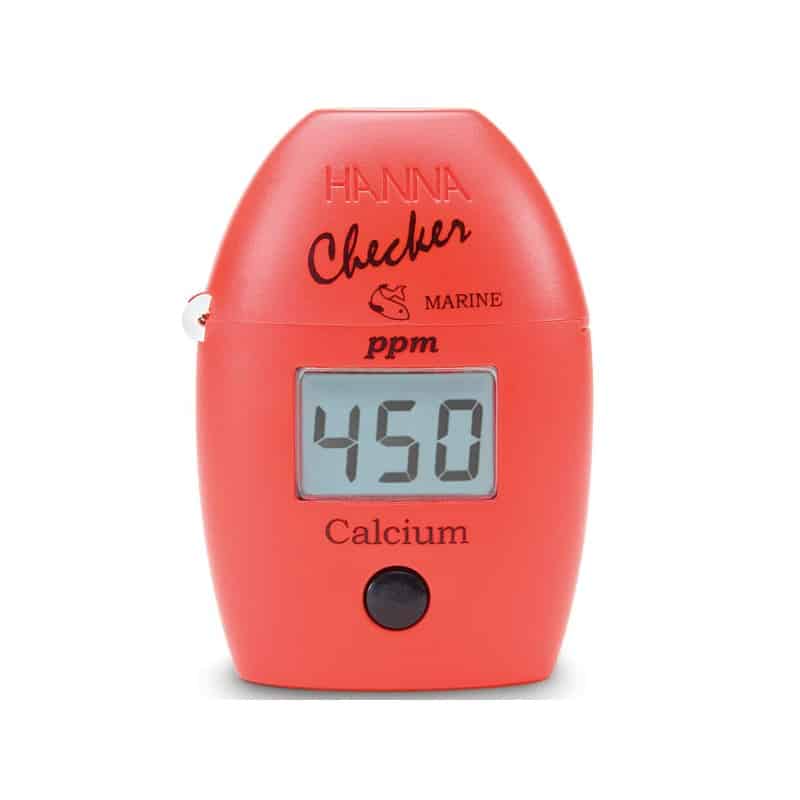
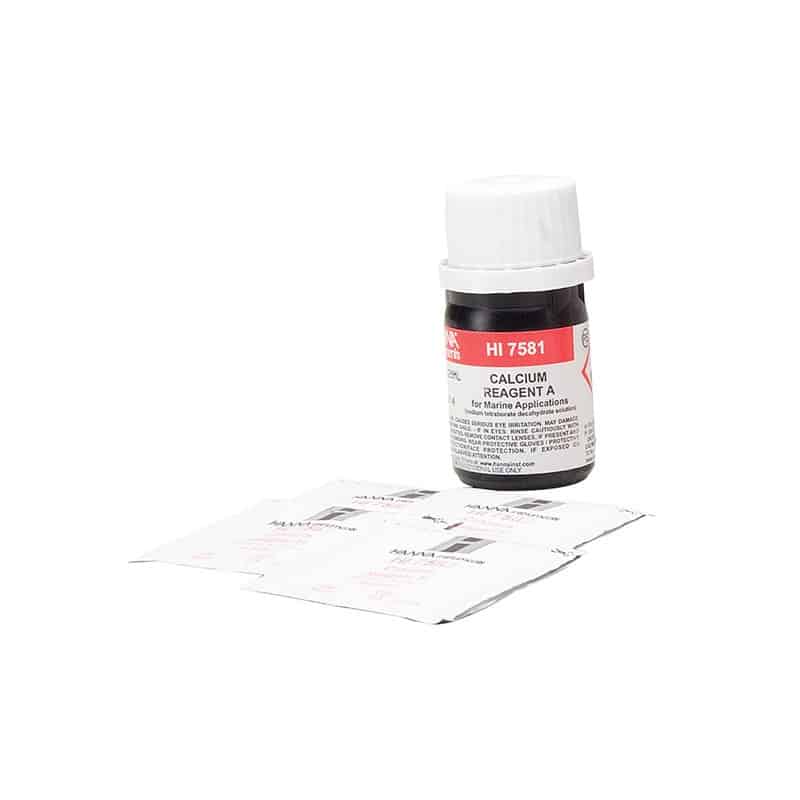
Iodine and calcium listings include marine calcium reagents and standards, calcium-hardness Checkers and iodine calibration products. These methods serve different applications. Marine reef calcium is typically measured at a much higher concentration than low-level or hardness testing, while iodine methods have their own range and interferences. Read the full HI code and description.
What to check before ordering
- Define the exact analyte: calcium, calcium hardness or iodine.
- Select the correct water matrix and expected concentration range.
- Use the instrument-specific reagent and calibration check set.
Products you can compare in this section
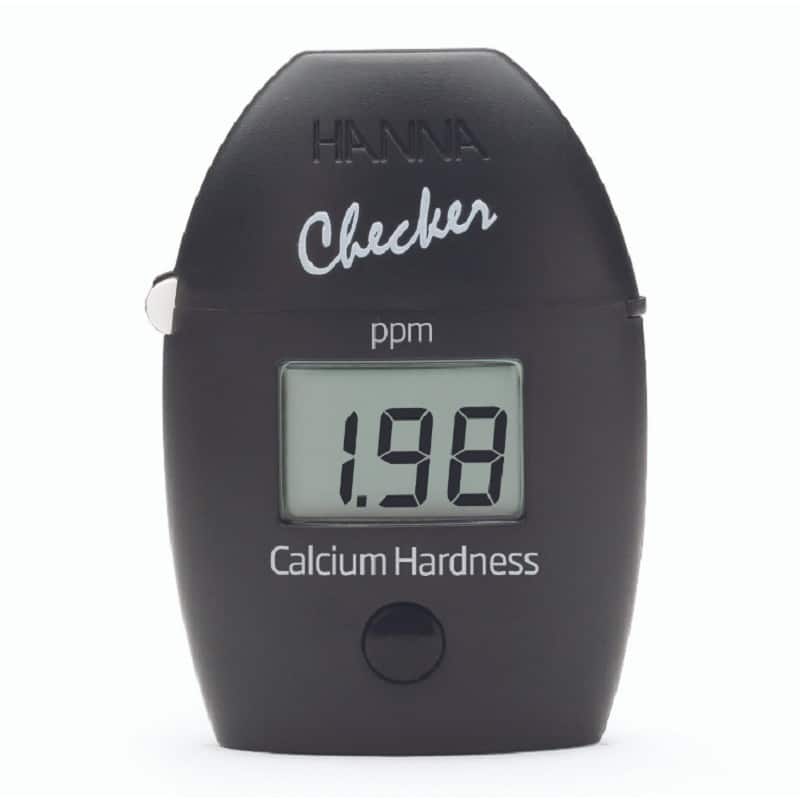
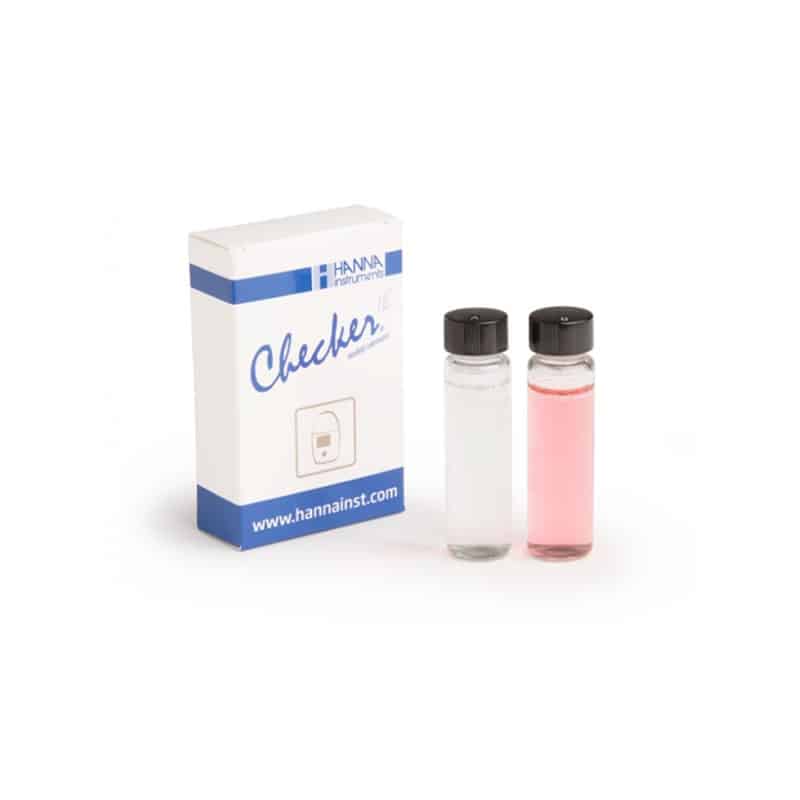
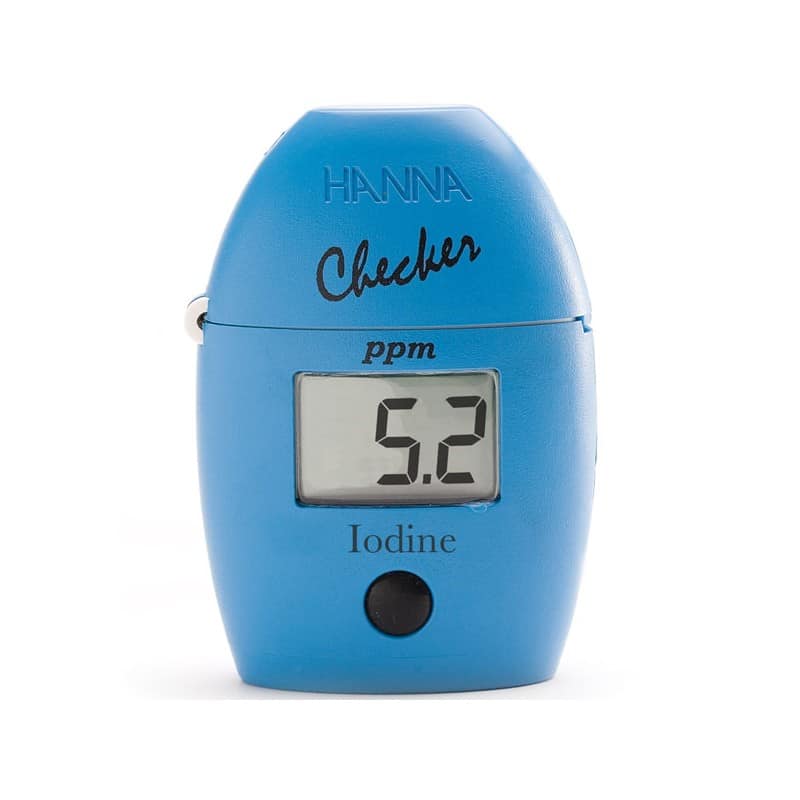
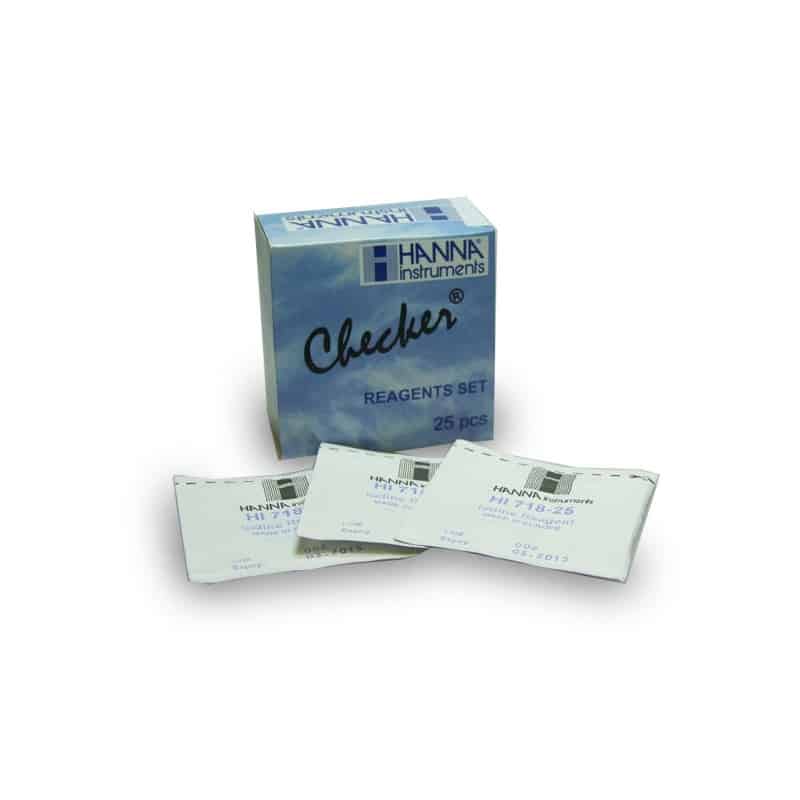
Current examples include Hanna Calcium Hardness Checker HC – HI-720, Hanna Marine Calcium Calibration Check Standard Set (0 & 400 ppm) for HI758 Checker – HI758-11, Hanna Marine Calcium Reagents – HI-758-26, Hanna Iodine Reagents (25 Tests) for HI718 Checker – HI718-25 and Hanna Iodine Checker HC – HI718.
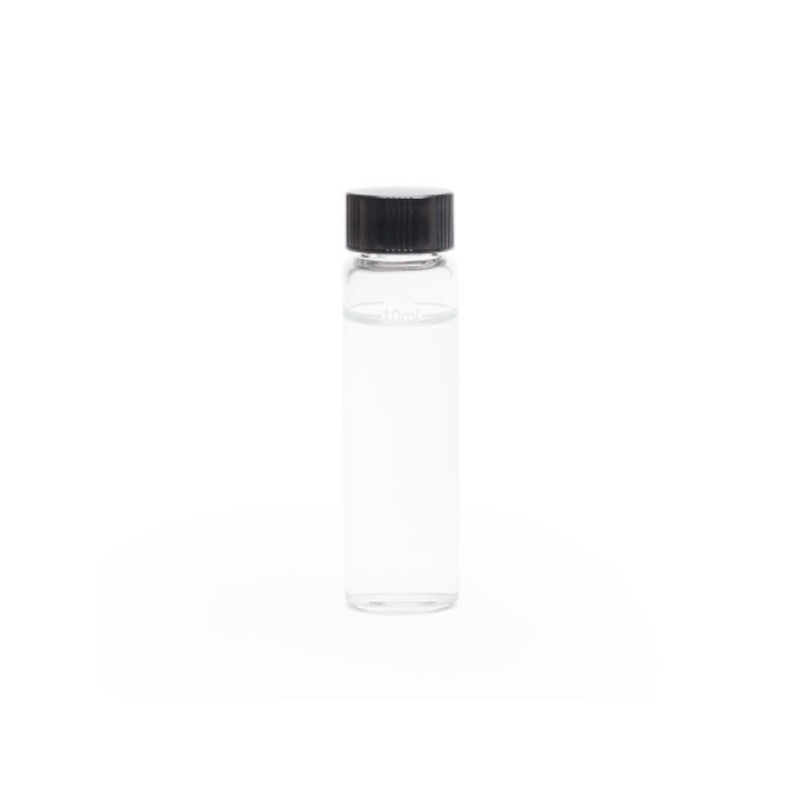
Keep cuvettes scrupulously clean for photometric work. A fingerprint or residual reagent matters far more when measuring subtle colour changes.
Need to compare the wider range? Return to Hanna Instruments for the surrounding product family.
Iodine & Calcium Testing Guide
Calcium and hardness are not identical labels
A result may be expressed as elemental calcium, calcium hardness or calcium carbonate equivalent, so compare units and method definitions.
Marine matrices need marine methods
High salinity changes sample chemistry and can require a method specifically designed and validated for seawater.
Iodine chemistry can be method-specific
Do not assume a single test measures every iodine species; use the analyte definition in the manual.
Related water-care categories for Iodine & Calcium: Water testing & purifiers · Hanna Instruments · Seneye · Water purifiers · Dechlorinator units · Pond treatments
Iodine & Calcium Frequently Asked Questions
These Iodine & Calcium answers cover the recurring buying and testing questions we encounter. The exact instrument, reagent and application instructions still take priority.
Can one test measure both iodine and calcium?
No. They require separate parameter-specific methods even if one photometer supports both programmed tests.
Is calcium the same as calcium hardness?
Not necessarily. Check whether the result is expressed as elemental calcium, calcium hardness or calcium carbonate equivalent.
Why does salinity matter for calcium testing?
A seawater matrix contains high concentrations of other ions that can alter method chemistry, so use a validated marine procedure.
Does an iodine test measure every iodine species?
Not automatically. The measured response depends on the defined chemistry and method.
How do I choose the right Iodine & Calcium product?
For Iodine & Calcium, define the sample type, expected concentration, reporting unit and confidence required before comparing compatible instruments, reagents and standards.
Why does the measurement range matter?
When testing Iodine & Calcium, a result outside the method range may be invalid, while an unnecessarily broad range can hide useful detail at low concentrations.
Why must I record the unit with a water-test result?
A Iodine & Calcium value is meaningful only with its unit, reporting form and method; similar-looking numbers can otherwise describe different results.
How can I improve repeatability when using Iodine & Calcium?
For repeatable Iodine & Calcium results, use a representative sample, clean equipment, accurate volume and consistent timing, and keep optical cells free from fingerprints and bubbles.
What should I do if a water-test result looks wrong?
If a Iodine & Calcium result looks wrong, repeat a fresh sample, confirm the method and range, inspect the reagents and validate with a suitable standard or independent method where needed.
How should water-test reagents and standards be stored?
Store Iodine & Calcium reagents and standards sealed, labelled and within the stated temperature and expiry limits, and protect them from contamination.
Can Iodine & Calcium prove water is safe to drink?
No. A Iodine & Calcium field test covers defined parameters only and cannot establish overall drinking-water or microbiological safety.
What details should I record with a test result?
With a Iodine & Calcium result, record the date, time, sampling point, temperature where relevant, instrument, method, chemical form, unit and recent treatment or maintenance.
