





Air Stones & Diffusers
Match diffuser airflow and pressure to pond depth and pump performance
Air stones and diffusers break pump output into bubbles and create rising-water movement. Oxygen transfer depends on bubble pattern, contact time, water condition and circulation; bubble quantity alone is not a complete performance measure.
Choose a diffuser from its recommended airflow range, operating depth, connector size, material, footprint and cleaning method. The pump must deliver that flow after overcoming depth, airline and diffuser resistance.
Select diffuser and air pump as one pressure-flow system
- Use the stated diffuser airflow range.
- Allow pressure for installation depth.
- Match connector and airline bore.
- Position for useful water circulation.
- Plan cleaning or membrane replacement.
Our practical view: A large diffuser is not automatically better. We match diffuser type and connection to the air pump, water depth and job it has to do; otherwise a pump can run hot while the pond still receives a poor spread of bubbles.
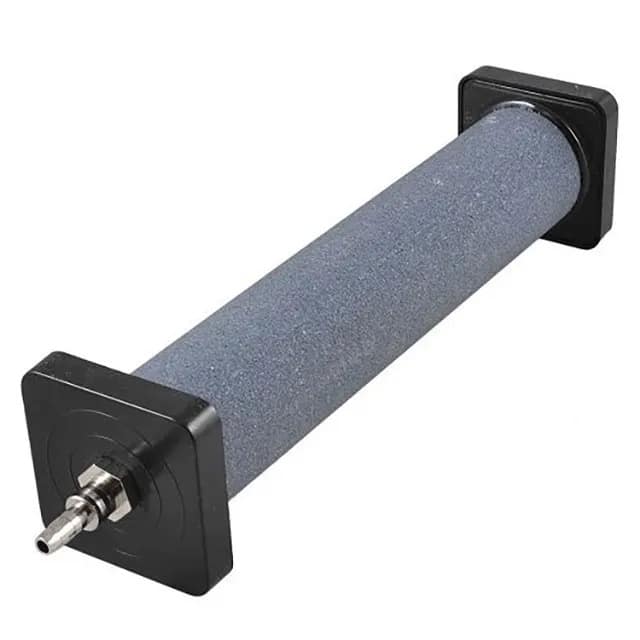
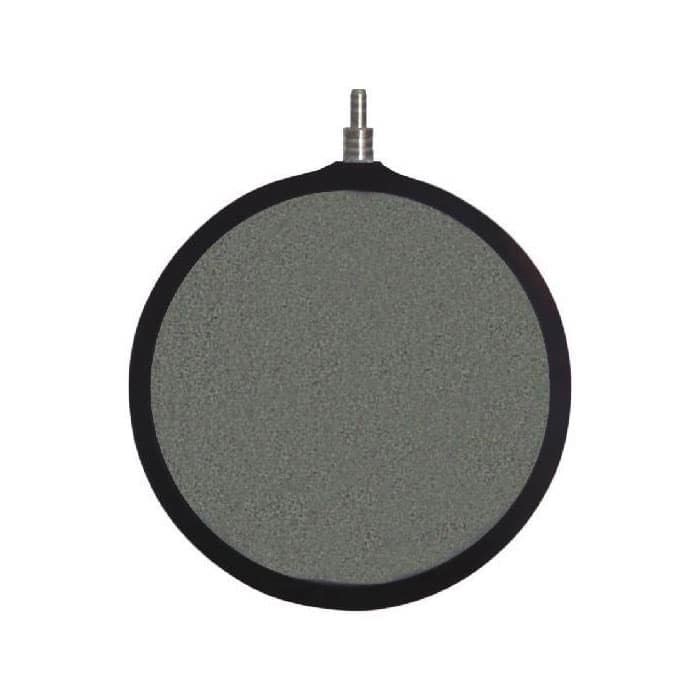
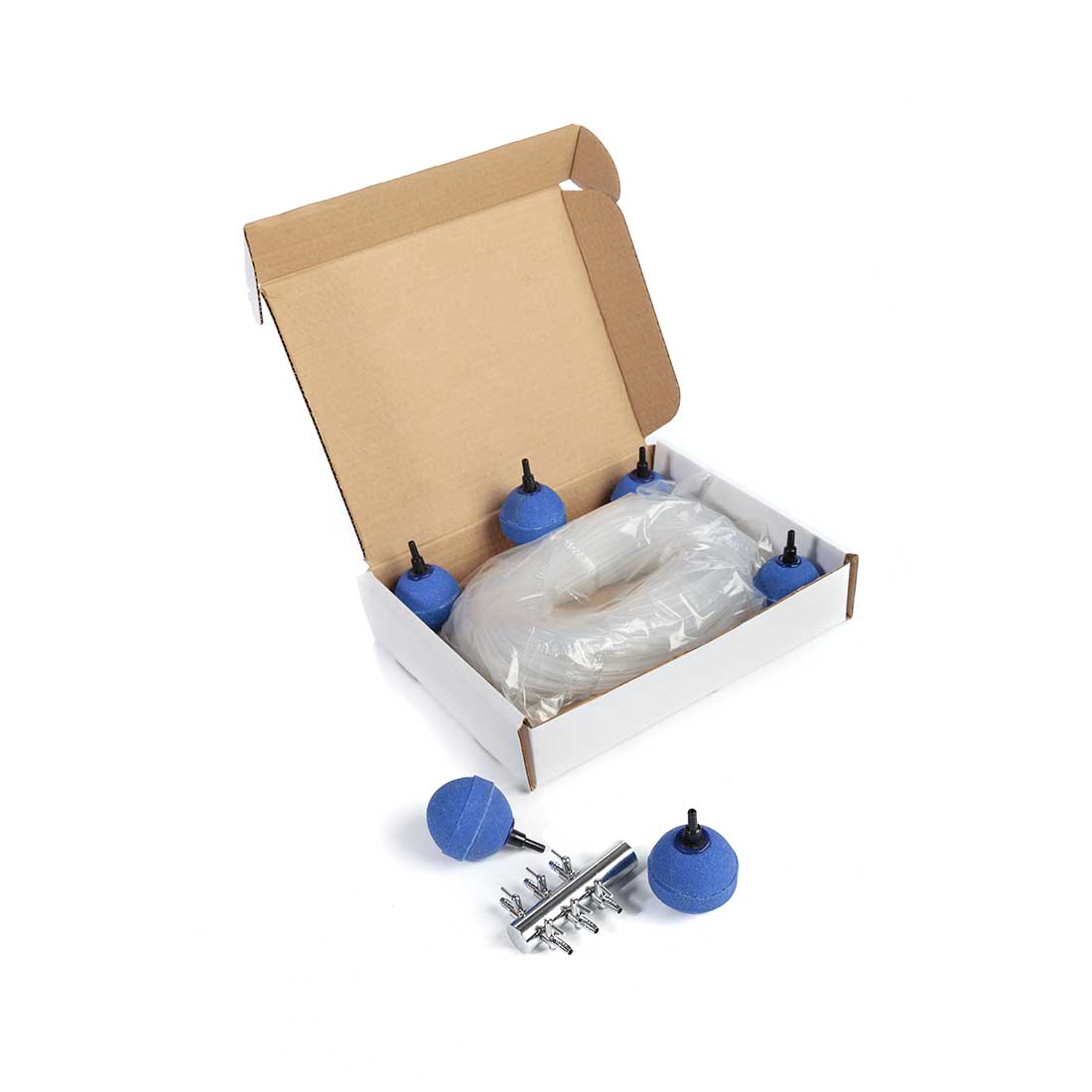
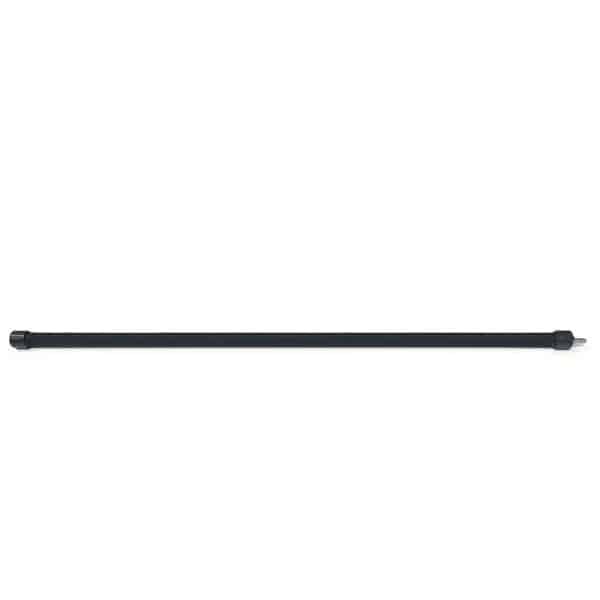
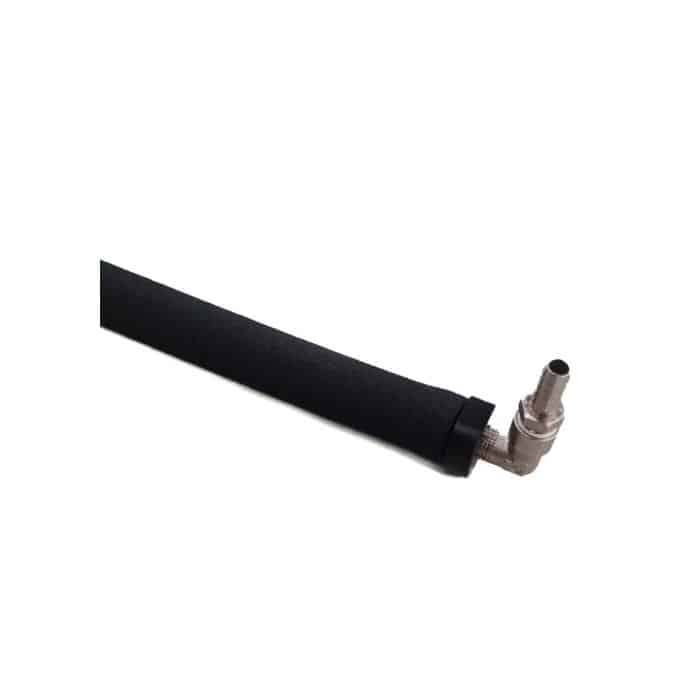
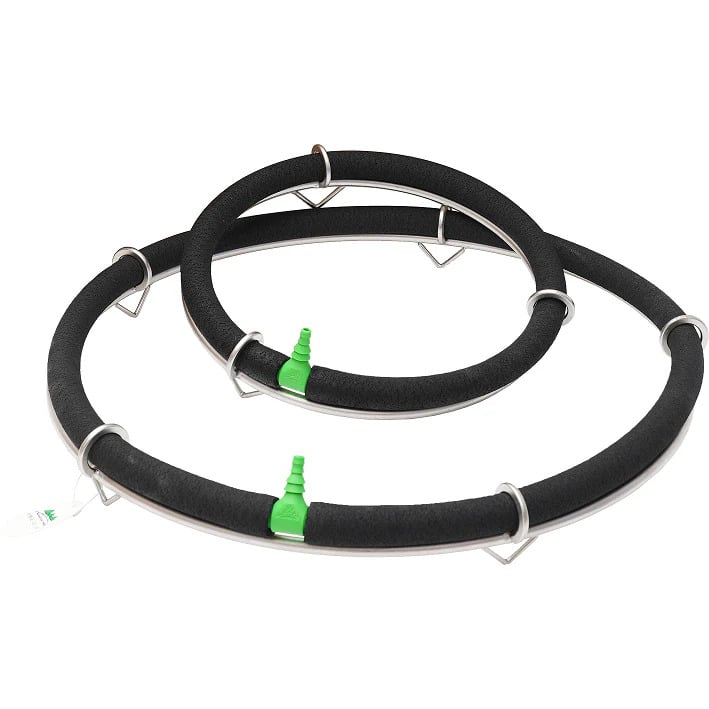
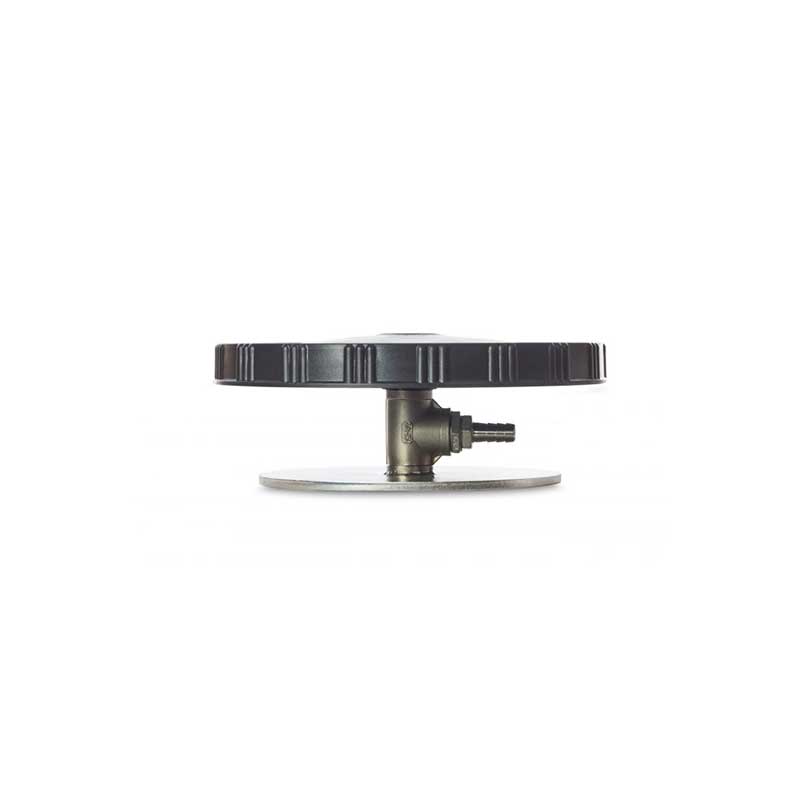
Choosing Air Stones & Diffusers for the required air depth and output
Air stones, discs, domes and bubble curtains all add aeration, but they create different back pressures and patterns. Fine-bubble diffusers provide a broad curtain and good gas exchange when supplied correctly, while simple stones are convenient for tanks and smaller ponds. Weighted products are easier to position without loose ballast. Check the hose size and stated airflow range, and remember that diffusers gradually block with mineral and biological deposits.
What to check before ordering
- Confirm the diffuser connection and recommended airflow.
- Account for water depth, because deeper placement increases pump pressure demand.
- Choose a shape that puts air where fish and filtration need it, not simply where it looks attractive.
Products you can compare in this section
Current examples include Aqua Source Air Pump Accessory Kit, Aqua Source Stainless Steel Air Dome Diffuser – 12.5mm / 1/2″ Hose, Mountain Tree Air Diffusers, Burtons Air Diffusers and Ceramic Flat Air Discs.
A falling bubble output is often a maintenance warning rather than proof that the air pump has failed. Inspect the airline, non-return valve and diffuser before replacing equipment.
Need to compare the wider range? Return to Airpump Accessories for the surrounding product family.
Air Stones & Diffusers Selection and Aeration Guide
Too little and too much air can both underperform
Under-supply may create an uneven bubble pattern, while excessive flow can waste energy or damage some diffuser media.
Fine bubbles increase resistance
A finer-pore diffuser can require more pressure and may foul faster depending on water conditions.
Placement shapes circulation
Diffuser position affects the water column moved and should not disturb fish, sediment or planting unnecessarily.
Related aeration categories for Air Stones & Diffusers: Pond air pumps · Air-pump accessories · Large pond and lake diffusers · Charles Austen ET Series · Pond pumps · Pond filters · Pond heating
Air Stones & Diffusers Frequently Asked Questions
These Air Stones & Diffusers answers cover recurring aeration questions. Follow the exact pump, accessory and application instructions.
What is the difference between an air stone and a diffuser?
Both release bubbles, but designs, materials, pore sizes, flow ranges and service methods vary.
How do I size a diffuser for an air pump?
Match the diffusers recommended airflow at its installation depth to the pumps delivered flow at pressure.
Why has my diffuser stopped bubbling evenly?
Pores may be fouled, airline may leak or kink, or the pump may no longer supply enough pressure.
Are finer bubbles always better?
Not automatically. Fine bubbles can improve contact area but need suitable pressure and maintenance.
How do I choose the right Air Stones & Diffusers product?
For Air Stones & Diffusers, define required airflow, working pressure, duty, power, connections, environment and servicing before comparing the exact performance data.
Why is free-air flow different from installed airflow?
With Air Stones & Diffusers, water depth, airline, valves, manifolds and diffusers create back pressure that reduces delivered airflow.
How does diffuser depth affect Air Stones & Diffusers?
For Air Stones & Diffusers, greater diffuser depth needs more pressure before air is released, so check the pump curve at that operating point.
Can Air Stones & Diffusers replace pond filtration?
No. Air Stones & Diffusers can support oxygen transfer and biological activity but does not replace mechanical or biological pond filtration.
How can I prevent water flowing back toward an air pump?
Install Air Stones & Diffusers in the position stated by the manual and use an approved non-return arrangement where required.
What causes an air system to lose flow?
If Air Stones & Diffusers loses flow, check for leaks, kinked or narrow airline, clogged diffusers, closed valves, dirty inlets and worn components.
Can I close outlets to reduce airflow?
Restrict Air Stones & Diffusers outlets only within the manufacturers pressure and control limits, because excessive back pressure can overheat or damage the pump.
What should I check before ordering Air Stones & Diffusers?
Before ordering Air Stones & Diffusers, record the pump model, required flow, depth, airline bore and length, branch count, diffuser range, power and installation environment.
