






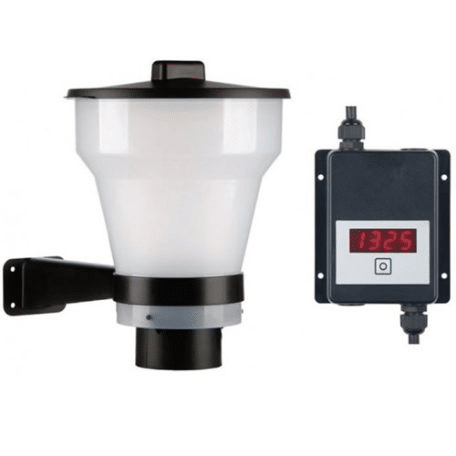
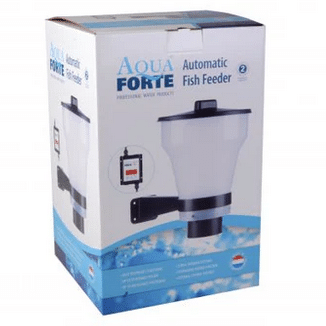
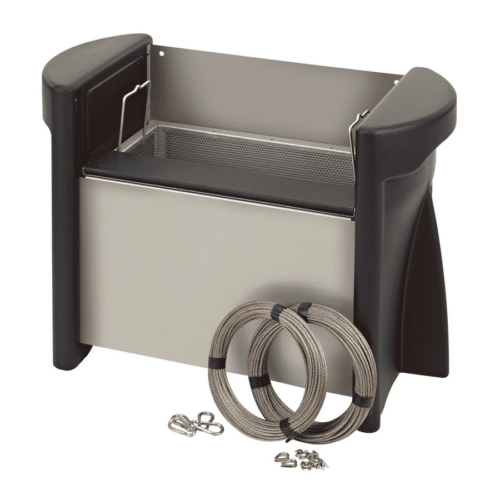
AquaForte Econo Feeder – 7L
| Brand | |
|---|---|
| Feeder Capacity | 7L |
| Compatible Pellet Size | Dry pond pellets |
| Product Type | Automatic Fish Feeder |
| Power Type | Mains powered |
| Feeding Frequency | Up to 24 feeds per day |
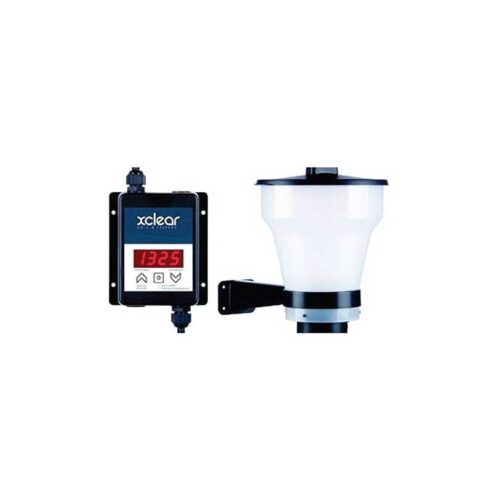
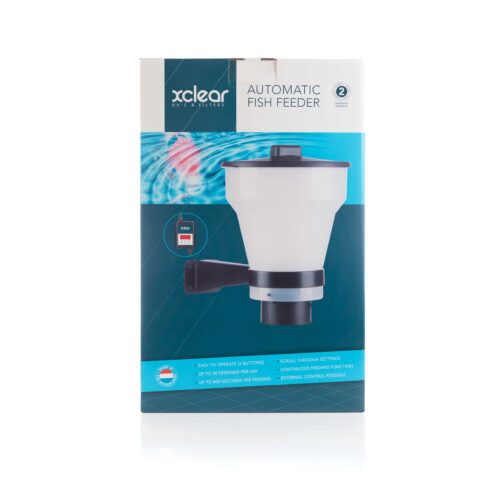
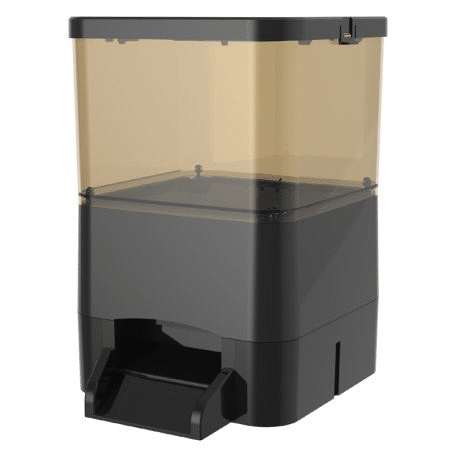
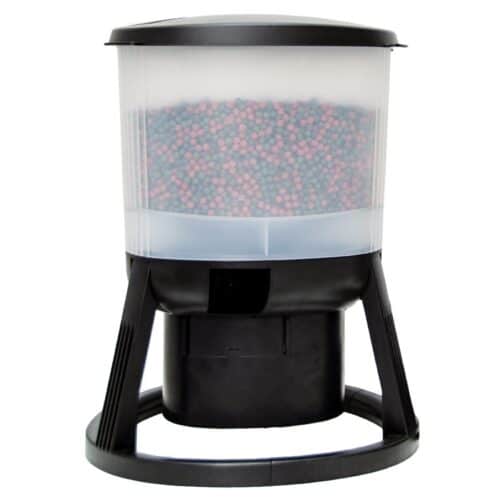
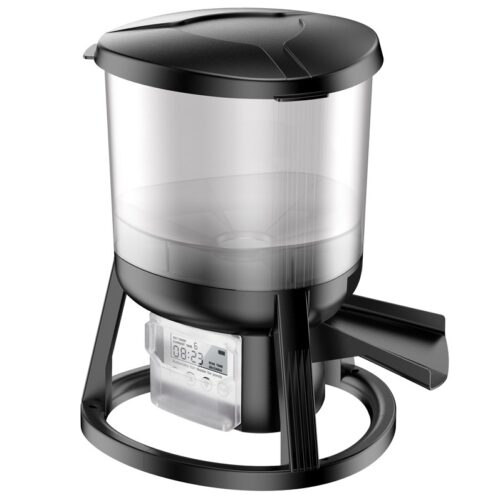
AquaForte Econo Feeder is a 7 litre automatic koi and pond fish feeder with programmable feeding, useful for regular feeding routines, holidays and warm-weather little-and-often feeding.
£245.99 (inc VAT)
AquaForte Econo Feeder – 7L
Automatic pond fish feeder for koi and ornamental pond fish
The AquaForte Econo Feeder is designed to make pond feeding more consistent. Instead of relying entirely on hand feeding, an automatic feeder can spread food delivery across the day, help maintain a routine and reduce the chance of missed feeds during busy periods. This is especially useful on koi ponds where regular, measured feeding supports growth, condition and stable behaviour.
Automatic feeders are not just for holidays. Used properly, they can improve feeding consistency and help avoid dumping too much food into the pond at once. Smaller, repeated meals are often easier for fish to use and can be less disruptive to water quality than one heavy feed. However, the feeder must be set sensibly because overfeeding will still overload the filter.
- Feeder capacity: 7L
- Compatible pellet size: Dry pond pellets
- Power / control: Mains powered
- Feeding frequency: Up to 24 feeds per day
This product is a feeder, not a bag of food. It has a 7 litre food capacity and programmable feeding settings, so the page should describe hopper size and feeding control rather than bag size.
Feeder capacity and pellet details
Real pond feeding notes
AquaForte Econo Feeder should be treated as a feeding aid, not a licence to overfeed. The biggest benefit of an automatic feeder is consistency: small, repeated feeds are usually easier for koi to clear than one heavy handful, especially in warm weather. The important part is matching the feed amount to the actual pond rather than simply filling the hopper and leaving it on a high setting.
Before using any automatic feeder, check the pellet size it can handle, the position over the pond, splash protection and how easy it is to remove or refill. A feeder should be set where pellets fall cleanly into the water without landing on coping, plants, skimmers or shallow shelves. Start with a conservative feed rate, watch the first few feeds, then increase slowly only if the fish are clearing everything and water tests remain stable.
- Start with fewer feeds or shorter feed times than you think you need, then adjust gradually.
- Use a complete koi food that suits the water temperature and pellet-size limits of the feeder.
- Check the hopper regularly for damp food, bridging, dust build-up or blocked outlets.
- Keep manual checks, water testing and filter maintenance part of the routine.
How to use an automatic feeder properly
The correct feeding amount depends on water temperature, oxygen level, fish size, stocking level, filter maturity and the food being used. In warm weather with mature filtration, fish may take multiple feeds per day. In colder water, feeding must be reduced or stopped depending on the food type and fish activity. A feeder should be checked regularly rather than filled and forgotten.
Place the feeder where food lands in a suitable area of the pond and where wind will not immediately blow pellets into a skimmer or planting area. Check that fish are eating the food promptly. Uneaten food should be removed because it breaks down into ammonia and adds unnecessary load to the filter.
Choosing this feeder against the range
Choose a larger capacity feeder where you feed more fish, use larger pellets or want fewer refills. Choose a simpler feeder where the pond is smaller and you only need occasional timed feeding. For koi ponds, accurate adjustment is more important than simply having a large hopper. A well set feeder should support water quality, not undermine it.
Technical details
- Application: automatic feeding for koi and pond fish
- Use with suitable floating pond pellets within the model’s stated pellet size range
- Adjust feeding according to water temperature and fish activity
- Check regularly for damp food, blockage, battery or power issues and uneaten pellets
- Best used alongside mature filtration and regular water quality checks
Expert advice from That Pond Guy
We recommend using automatic feeders as part of a managed feeding routine. Start low, watch the fish, check water quality and increase gradually if the pond can handle it. A feeder should make pond care more consistent, not replace observation.
Key benefits
- Works as part of a sensible feeding routine when used at the right time of year.
- Should be matched to water temperature, fish activity and filter maturity.
- Useful as part of a wider seasonal feeding plan alongside testing and good filtration.
- Feed carefully so food is cleared quickly and water quality remains stable.
Feeding and water quality advice
Koi food should always be matched to the pond conditions. Water temperature, oxygen levels, filter maturity and fish activity all matter. Feed small amounts and watch how quickly the fish clear it. If food is being left, water clarity drops or ammonia and nitrite rise, reduce feeding until the pond stabilises.
Good food supports growth, colour and condition, but it still adds load to the filter. Regular water testing, sensible feeding and strong filtration are what turn a quality food into a successful long term feeding routine.
Before you order
Check the product size, connection details, access requirements and the equipment it will be used with. On ponds, the surrounding system often decides how well the product performs. Suitable pump flow, clean filters, correctly sized hose or pipework, good access for servicing and realistic maintenance all help the product work as intended.
Maintenance and compatibility checks
It is worth checking the supporting parts at the same time as the main product. Hose size, pressure pipe, valves, unions, UV units, filter inlets, air manifolds, spares and cleaning access can all affect how well the final system works. A correctly matched installation usually performs better and is easier to maintain than one built from parts chosen separately.
Complete your AquaForte setup
Automatic feeding is most useful when it is matched to water temperature, filter maturity and fish activity. It should make feeding more consistent, not encourage overfeeding.
- View the full AquaForte range
- Browse automatic fish feeders
- Pond filters
- Pond pumps
- Pond treatments and water care
Extra installation guidance
Before ordering, think about the product as part of the wider pond rather than as a standalone item. The right choice depends on pond volume, fish load, available space, maintenance access and how the pond is actually used. A product that is technically powerful can still underperform if it is paired with undersized hose, poor flow, restricted pipework or an unsuitable filter. Taking time to plan the complete system usually gives clearer water, easier maintenance and lower long term running costs.
More useful AquaForte ranges and accessories
These related ranges can help with product comparison, installation planning and choosing the correct supporting equipment.
Related koi food options
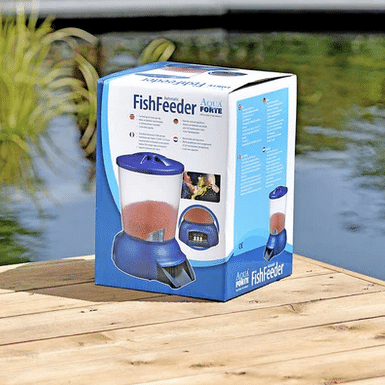
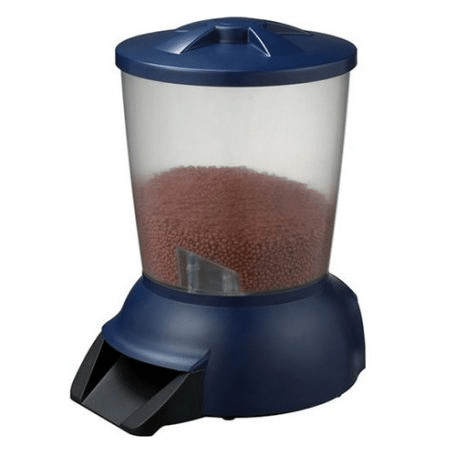
- Compare with AquaForte Koi Feeder (Battery or Mains Powered) if you want another same brand option.
- Compare with Burtons Growth Food if you want another related koi food option.
- Compare with Burtons Growth Sinking Food if you want another related koi food option.
- Browse more Automatic Fish Feeders to compare similar foods, bag sizes and feeding seasons.
- Browse more Koi Food to compare similar foods, bag sizes and feeding seasons.


Reviews
There are no reviews yet.