





Filter Pond Plants
Water Lilies for Garden Ponds
Beautiful flowering pond plants that provide colour, shade and valuable surface cover
Water lilies are among the most recognisable and rewarding plants for garden ponds. Their broad floating leaves spread across the water surface, while their flowers add colour and create an attractive focal point throughout the warmer months.
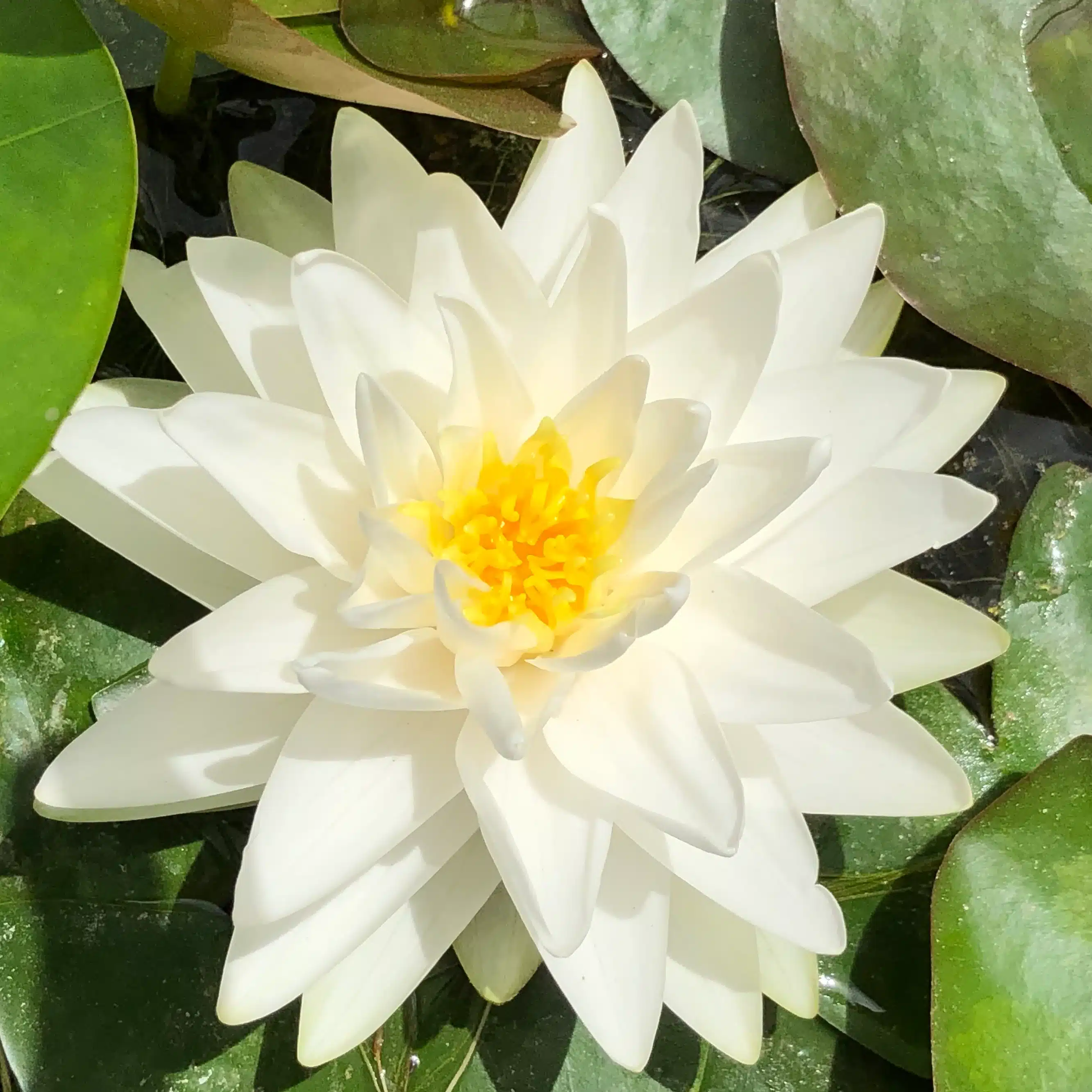
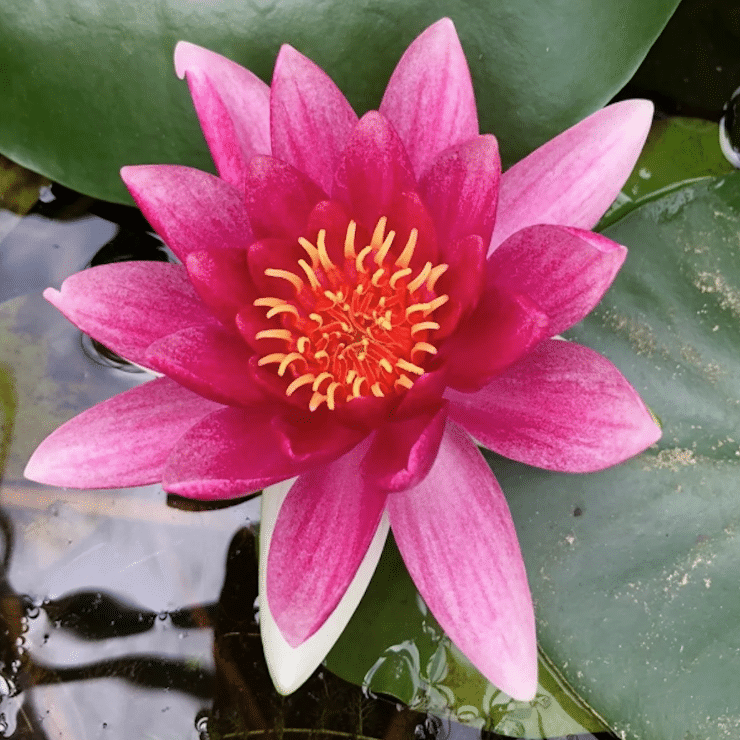
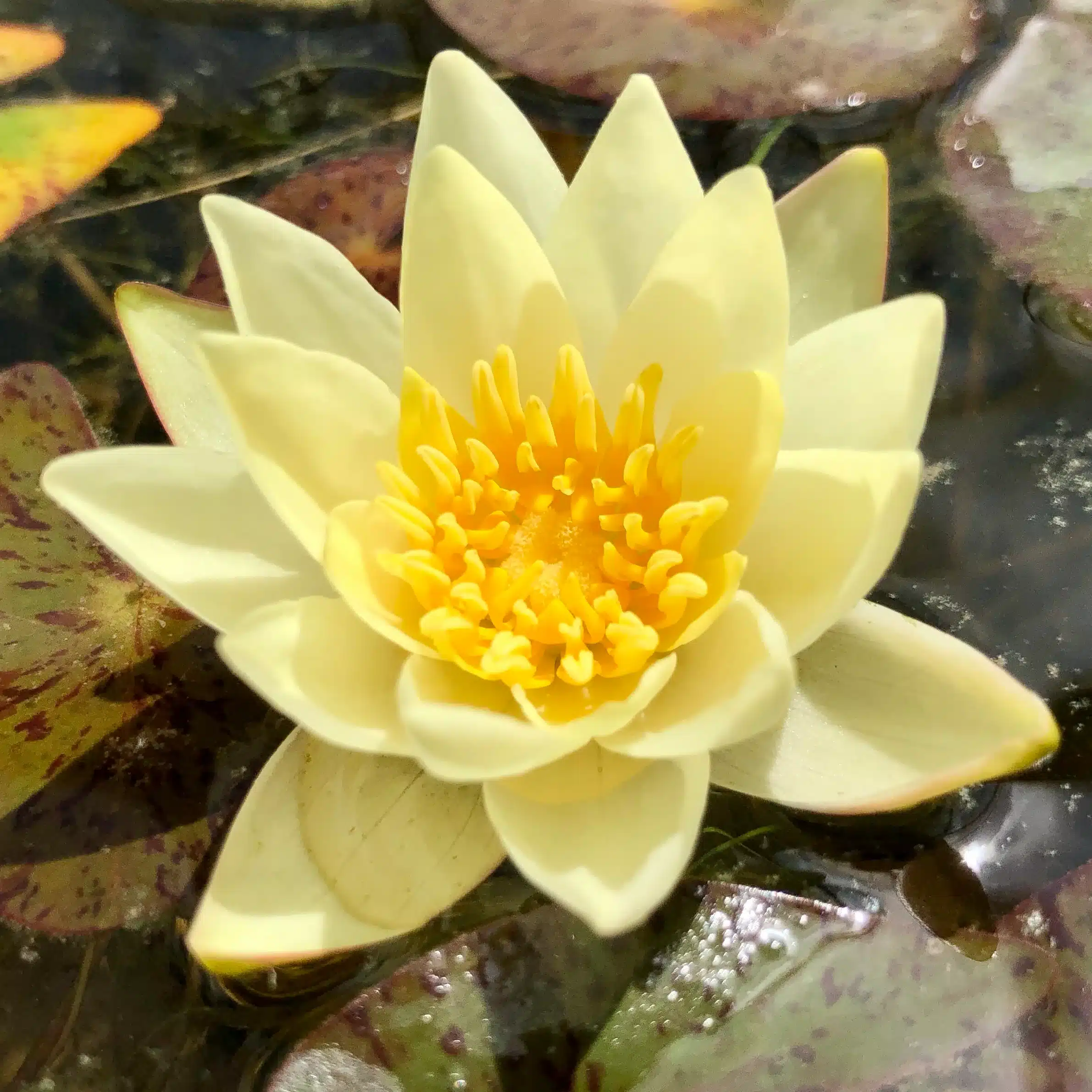
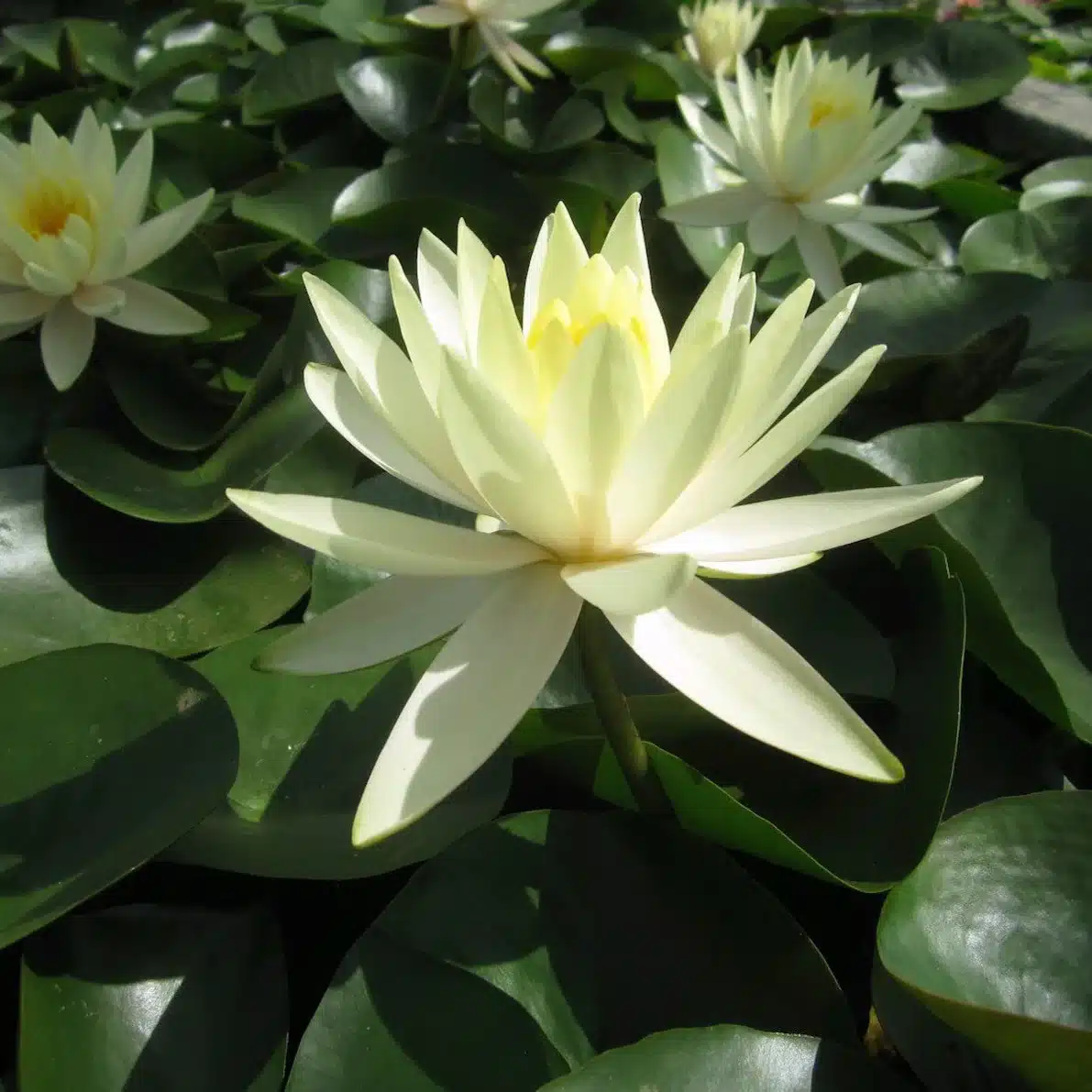
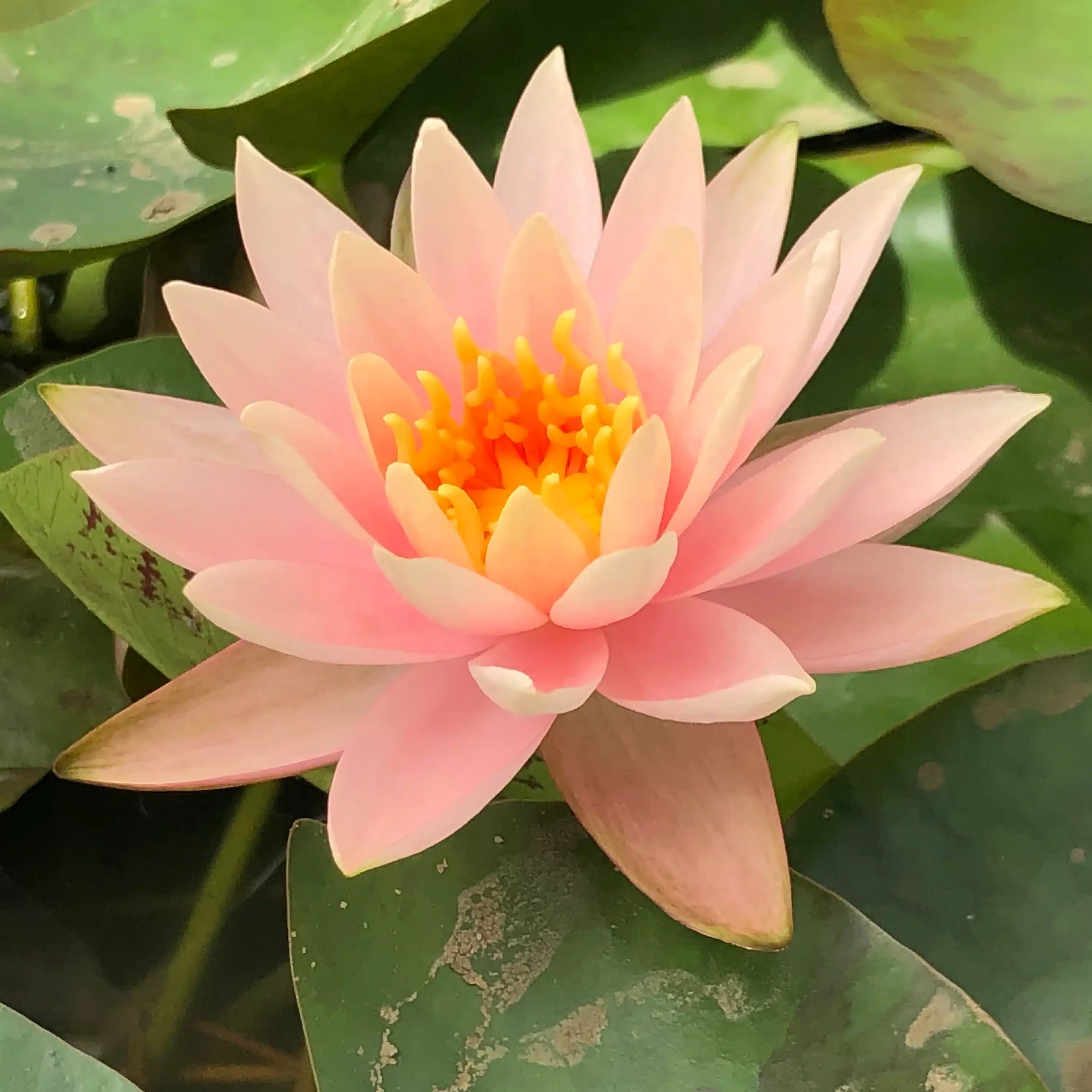
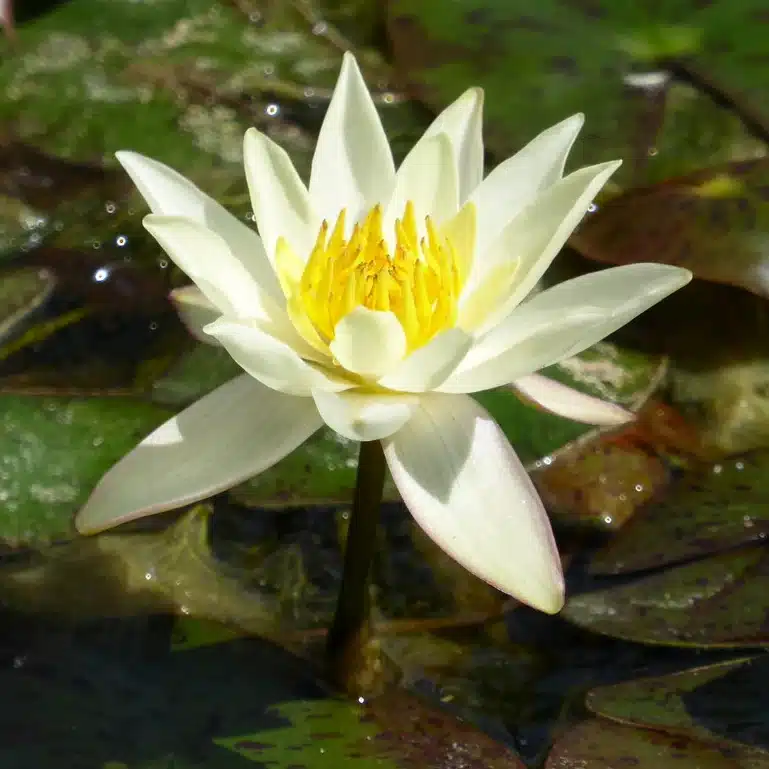
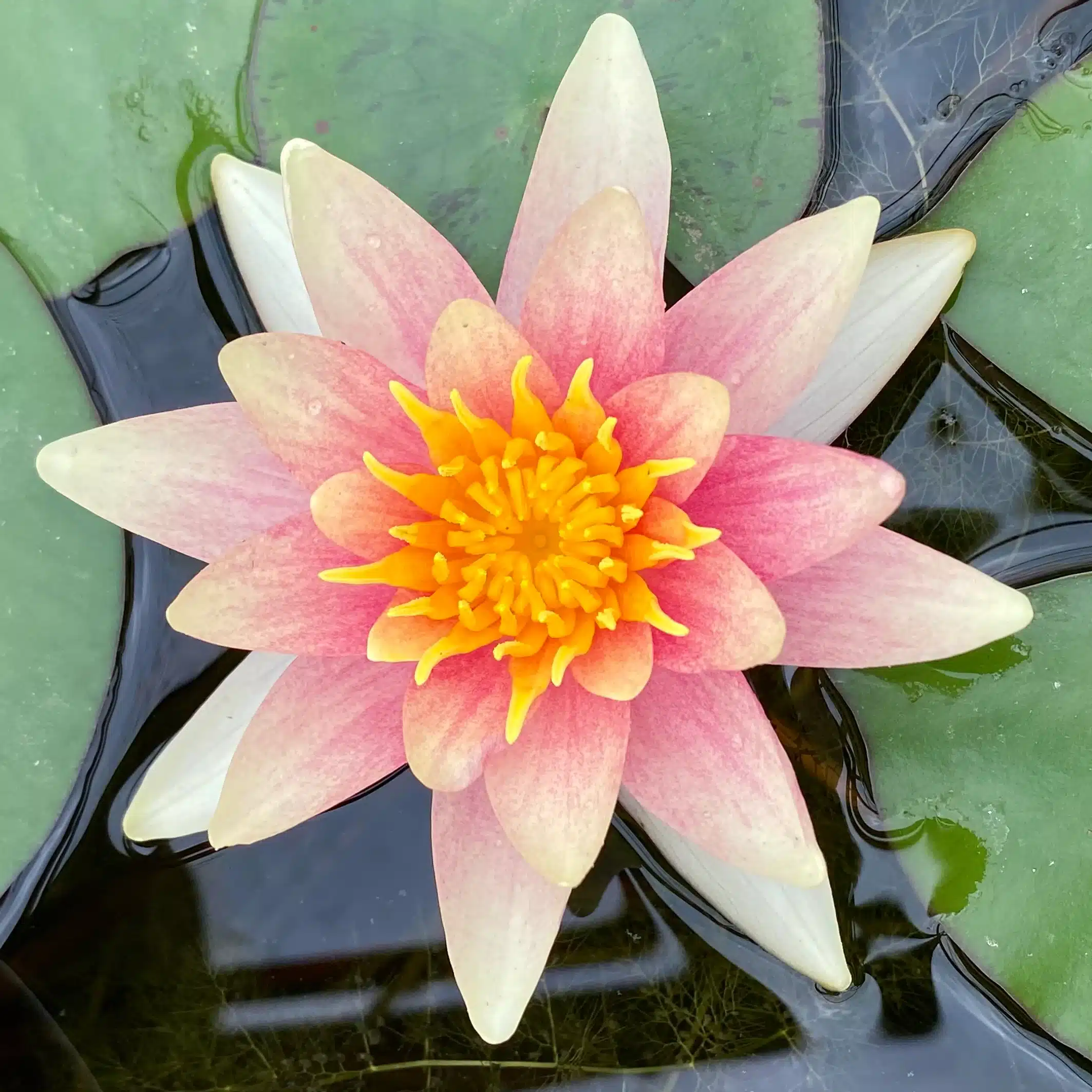
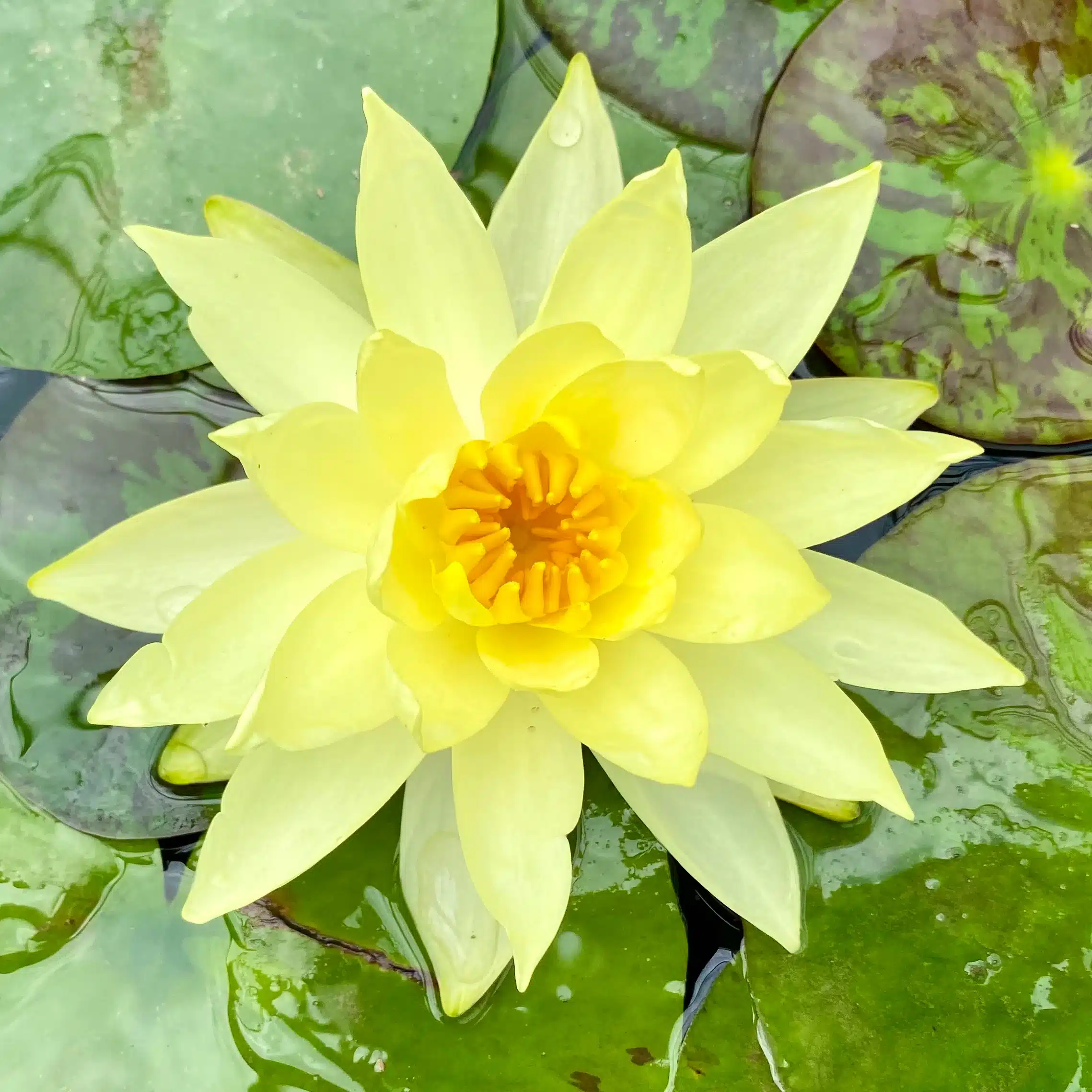
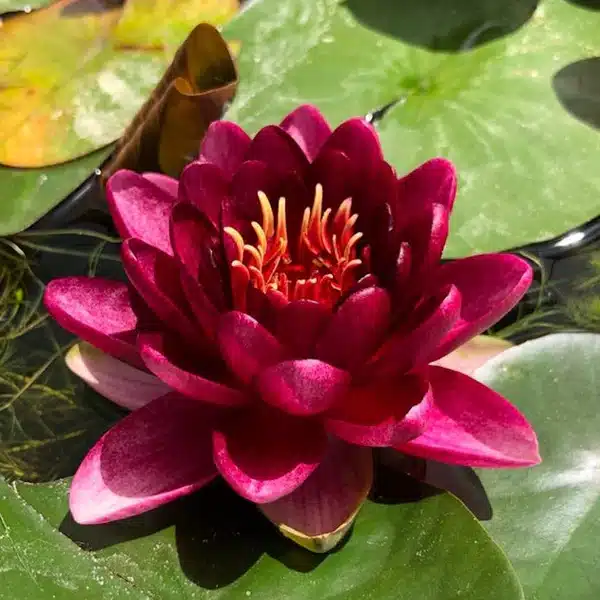
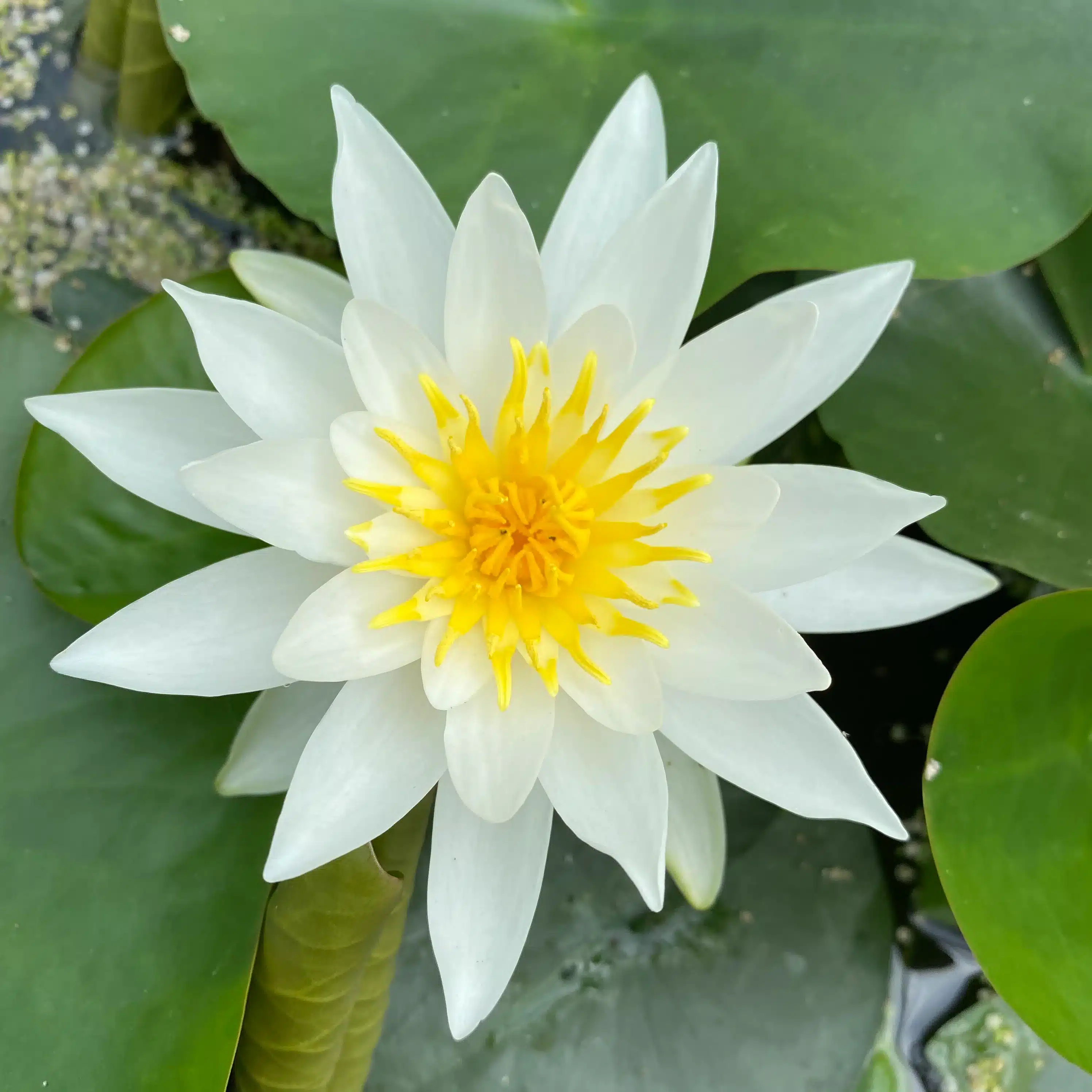
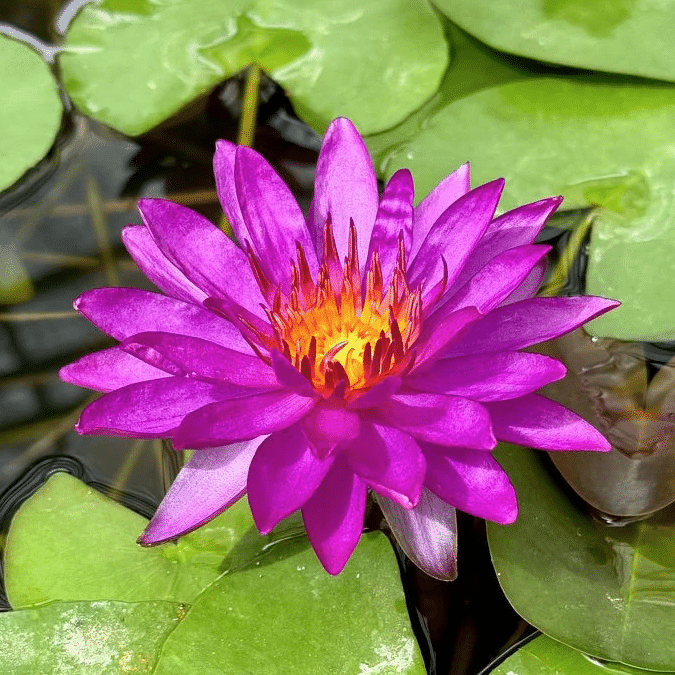
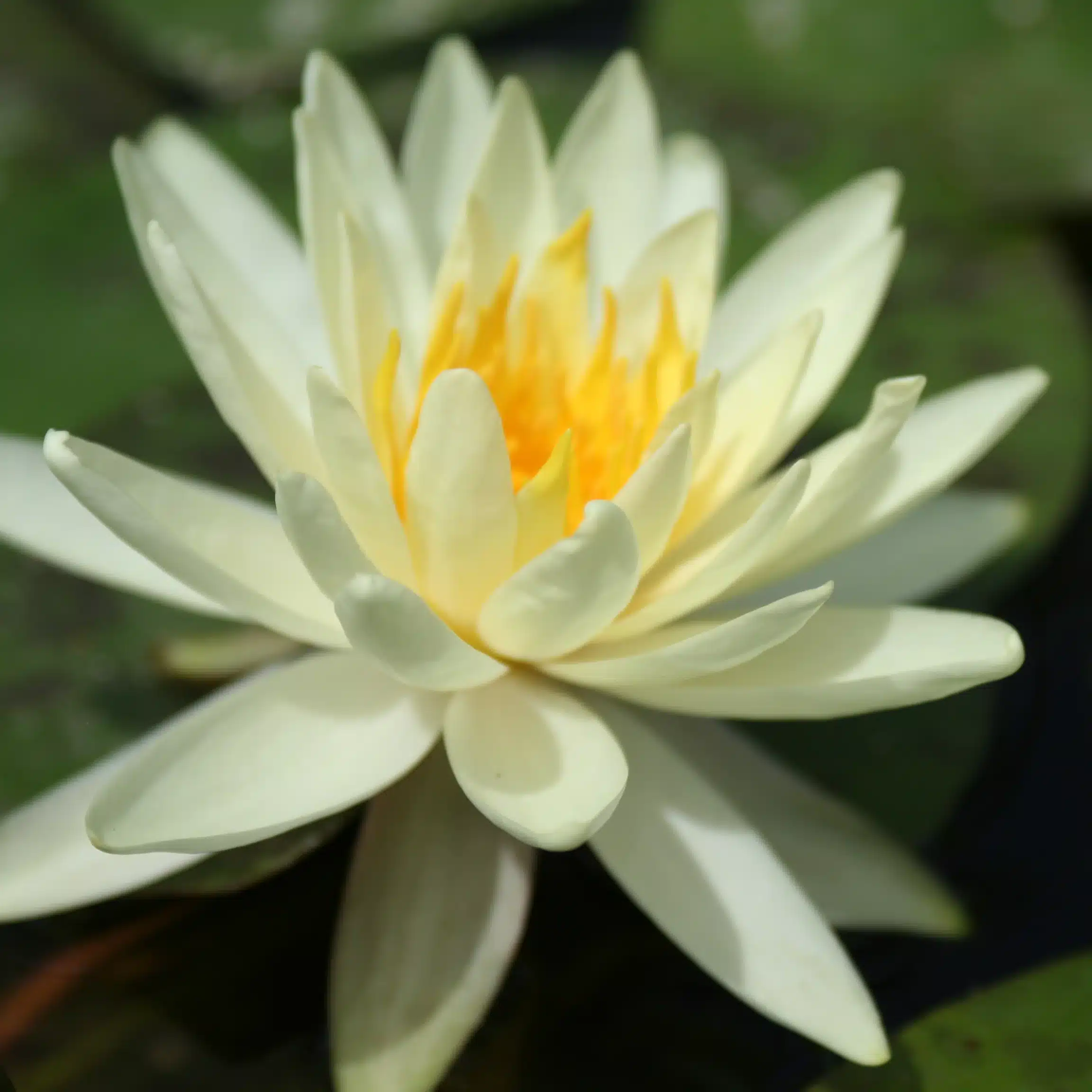
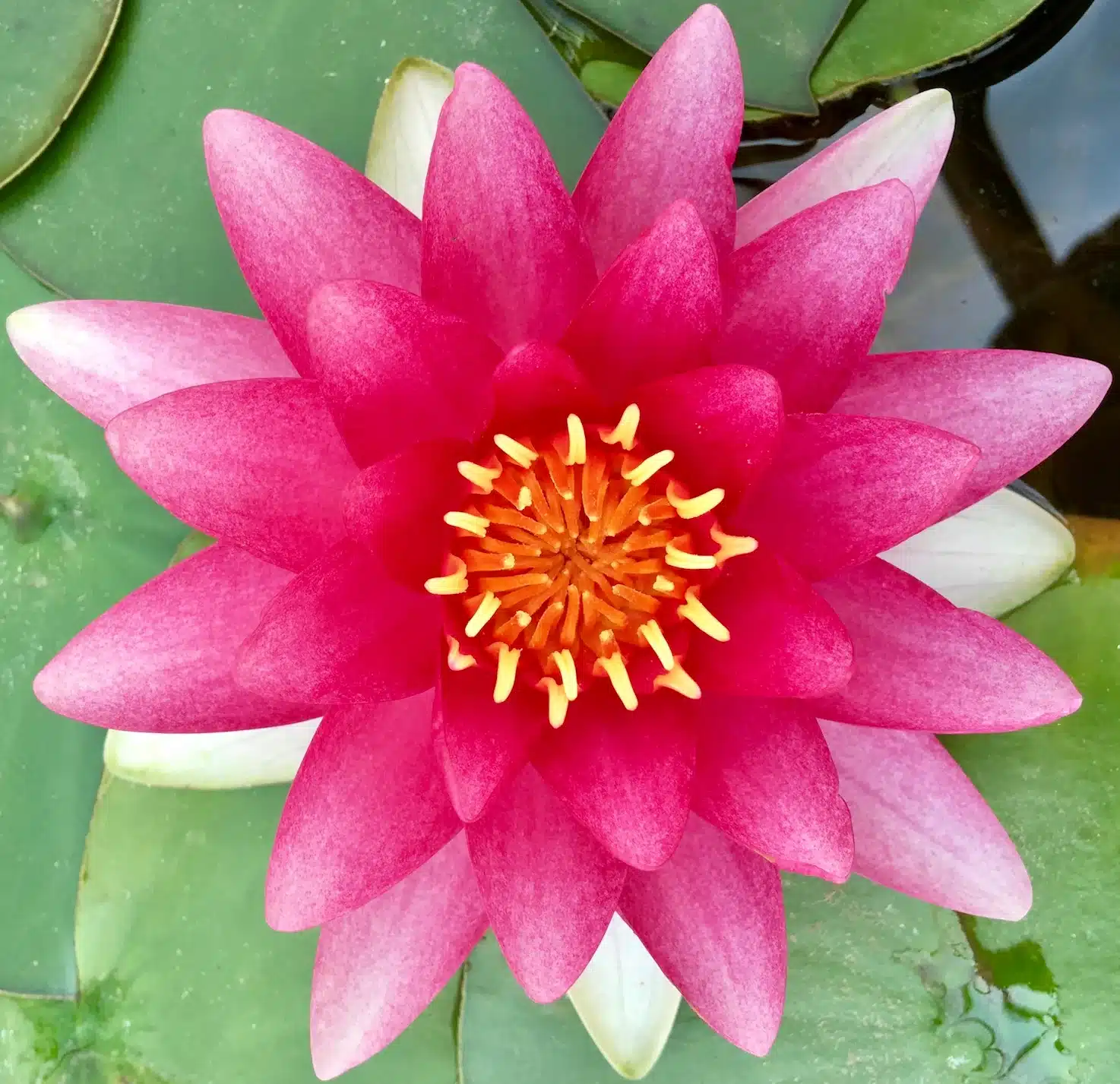
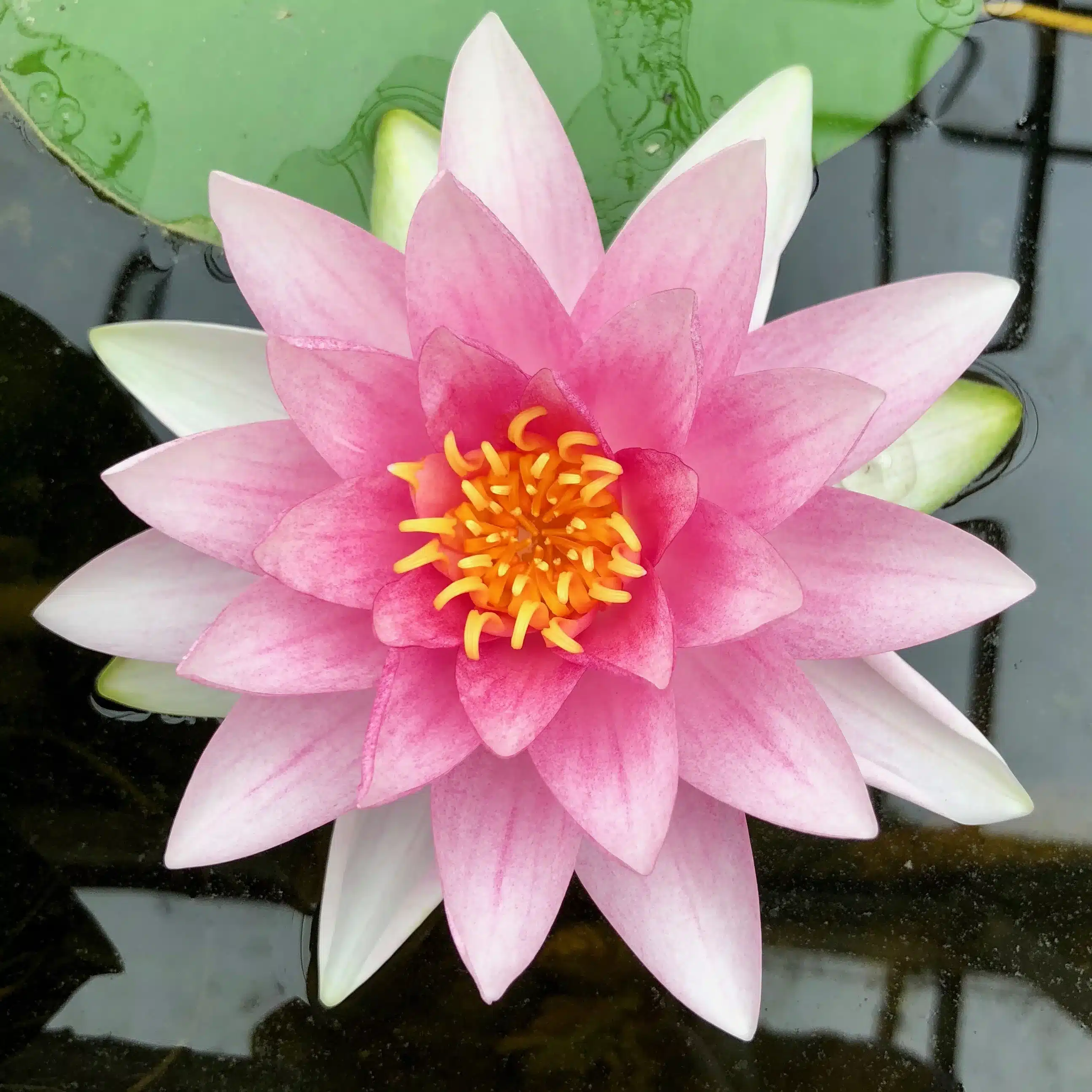
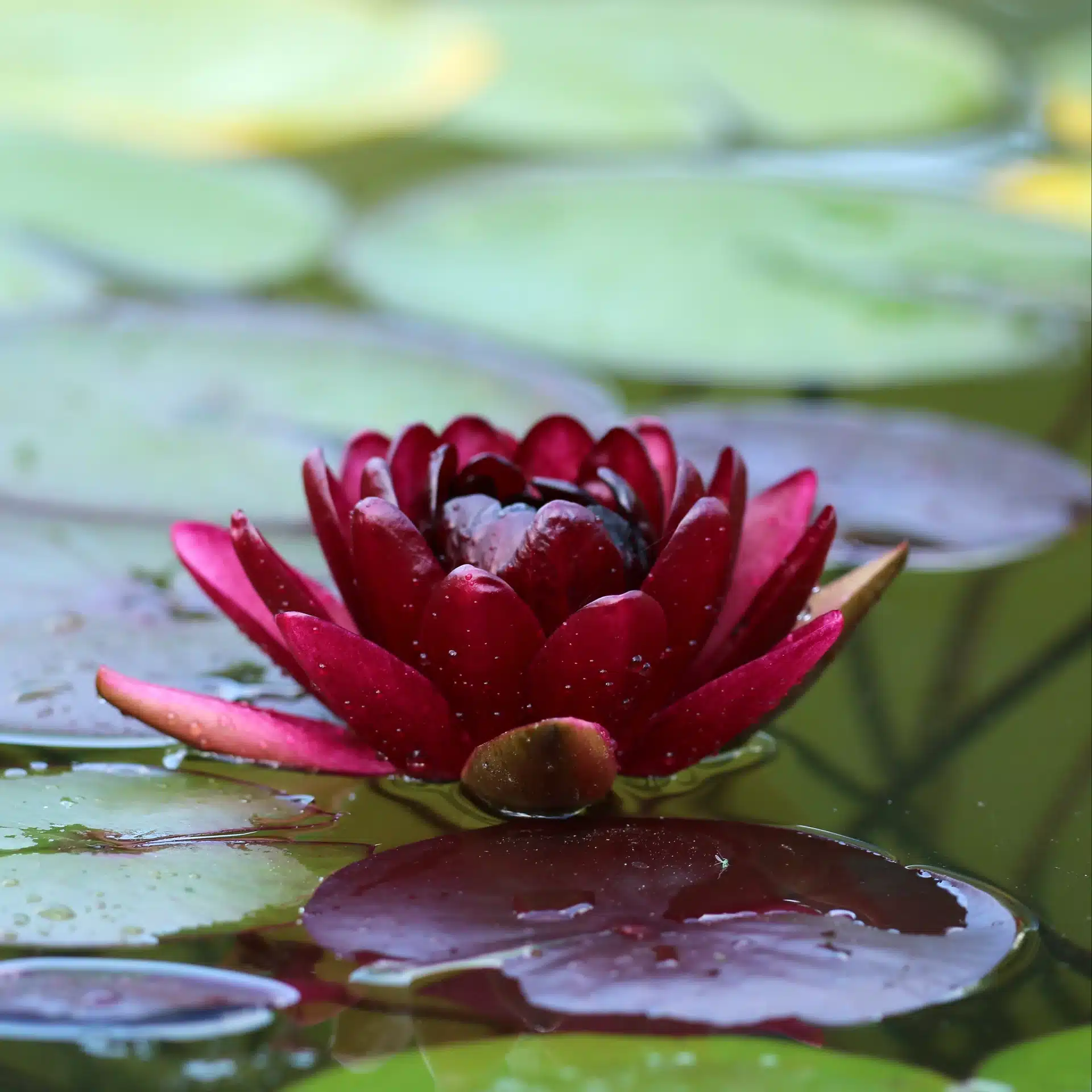
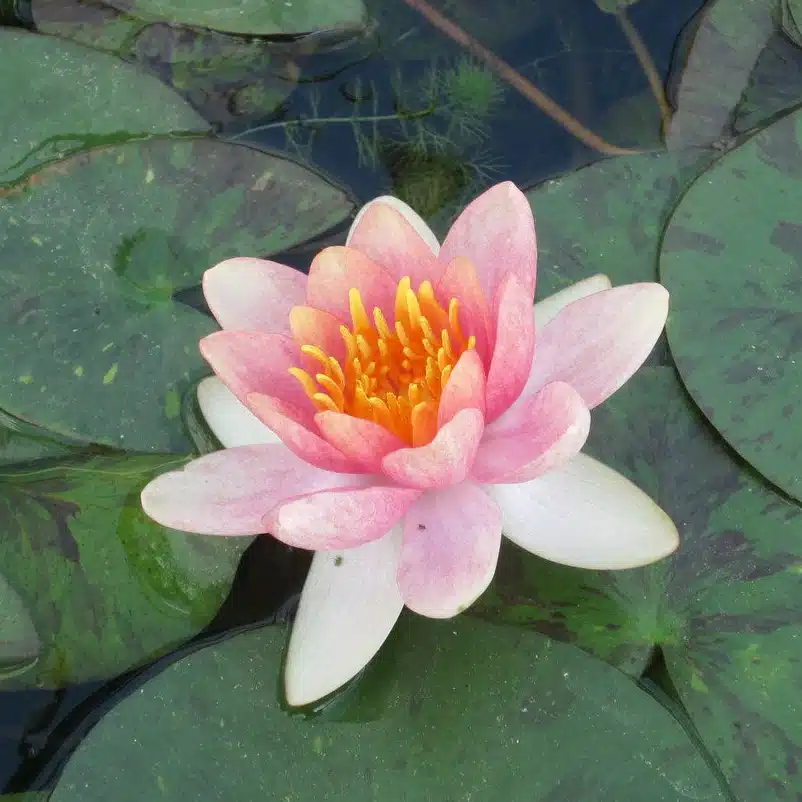
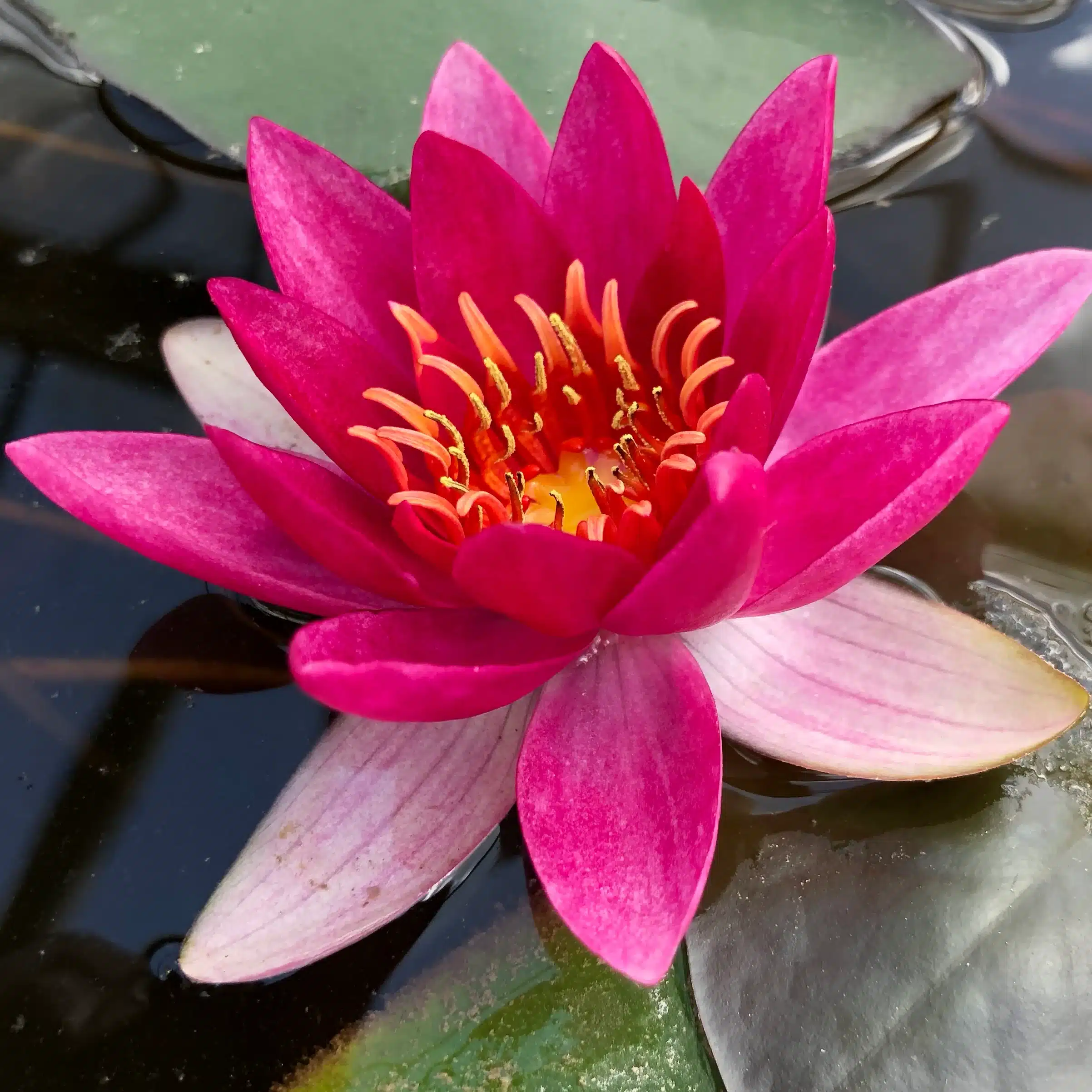
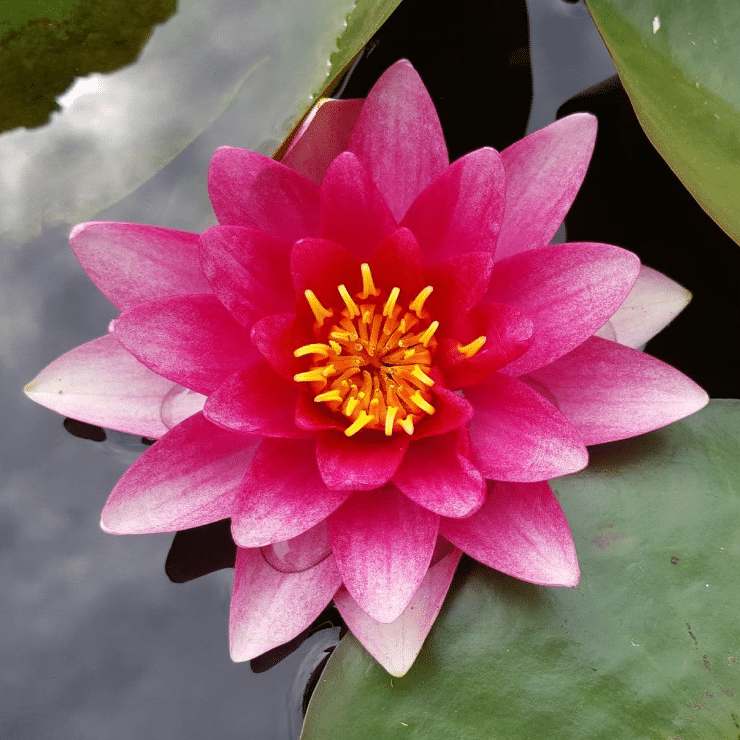
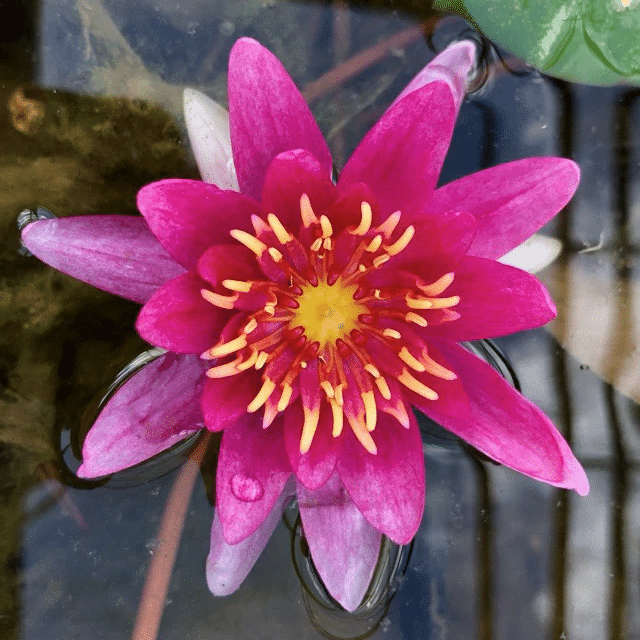
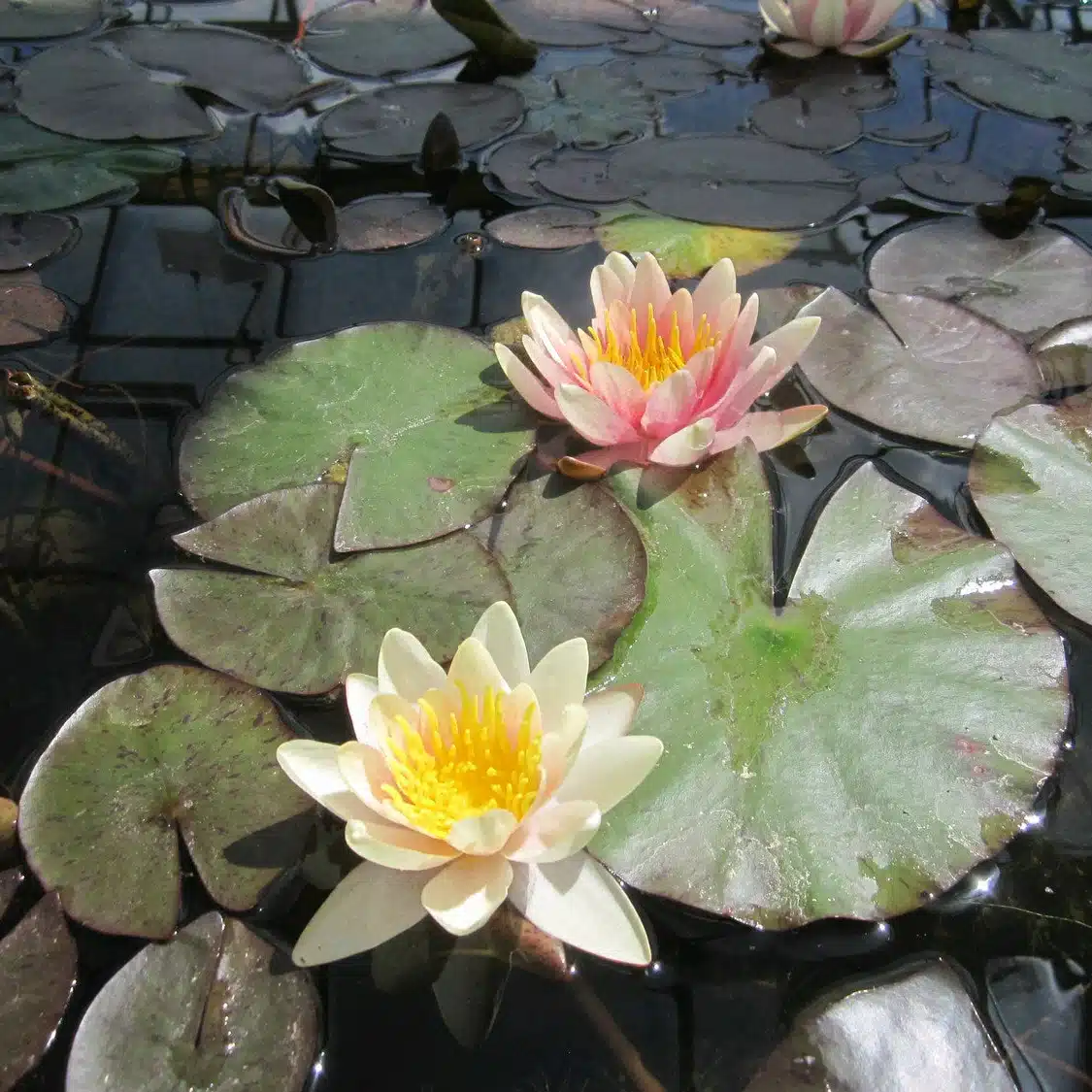
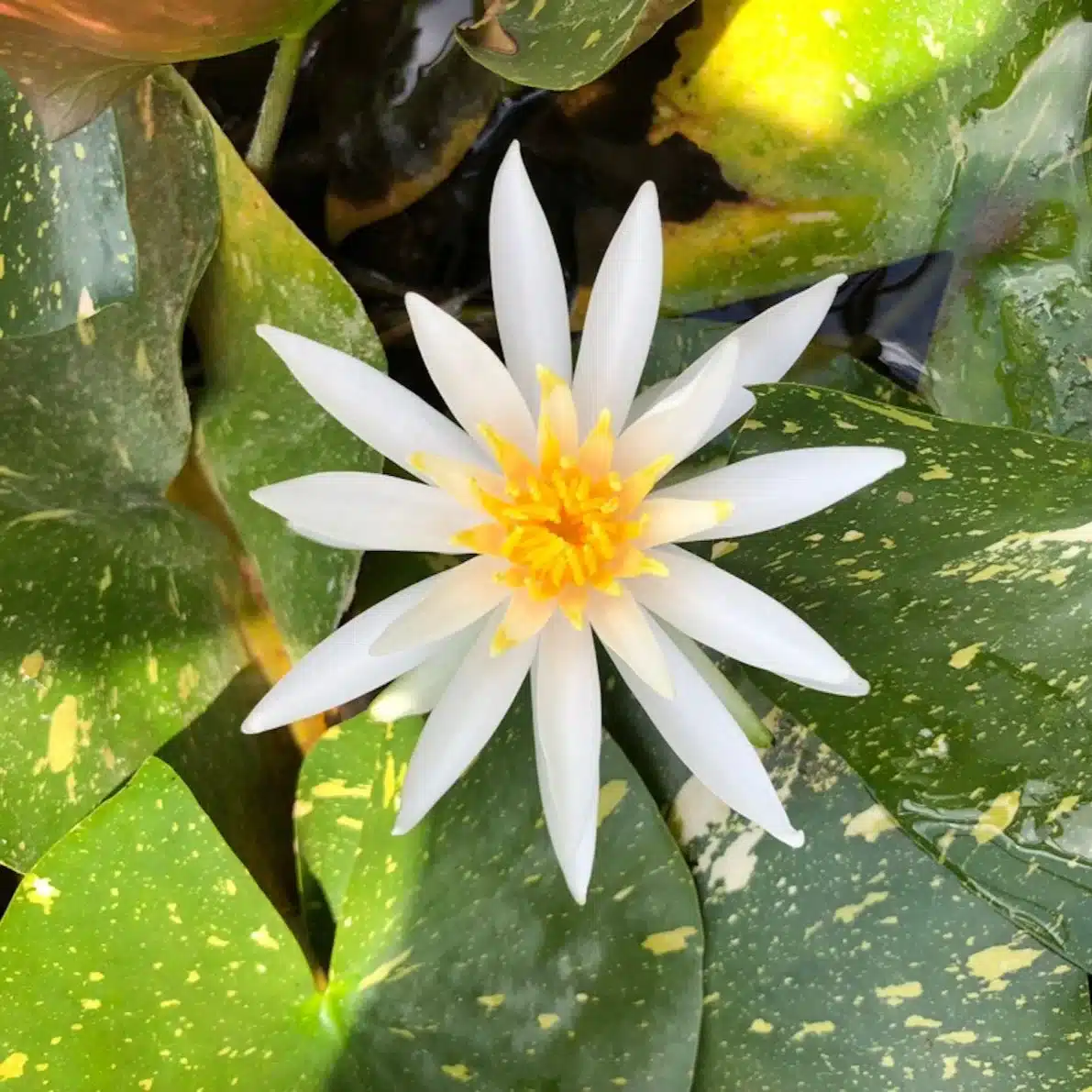
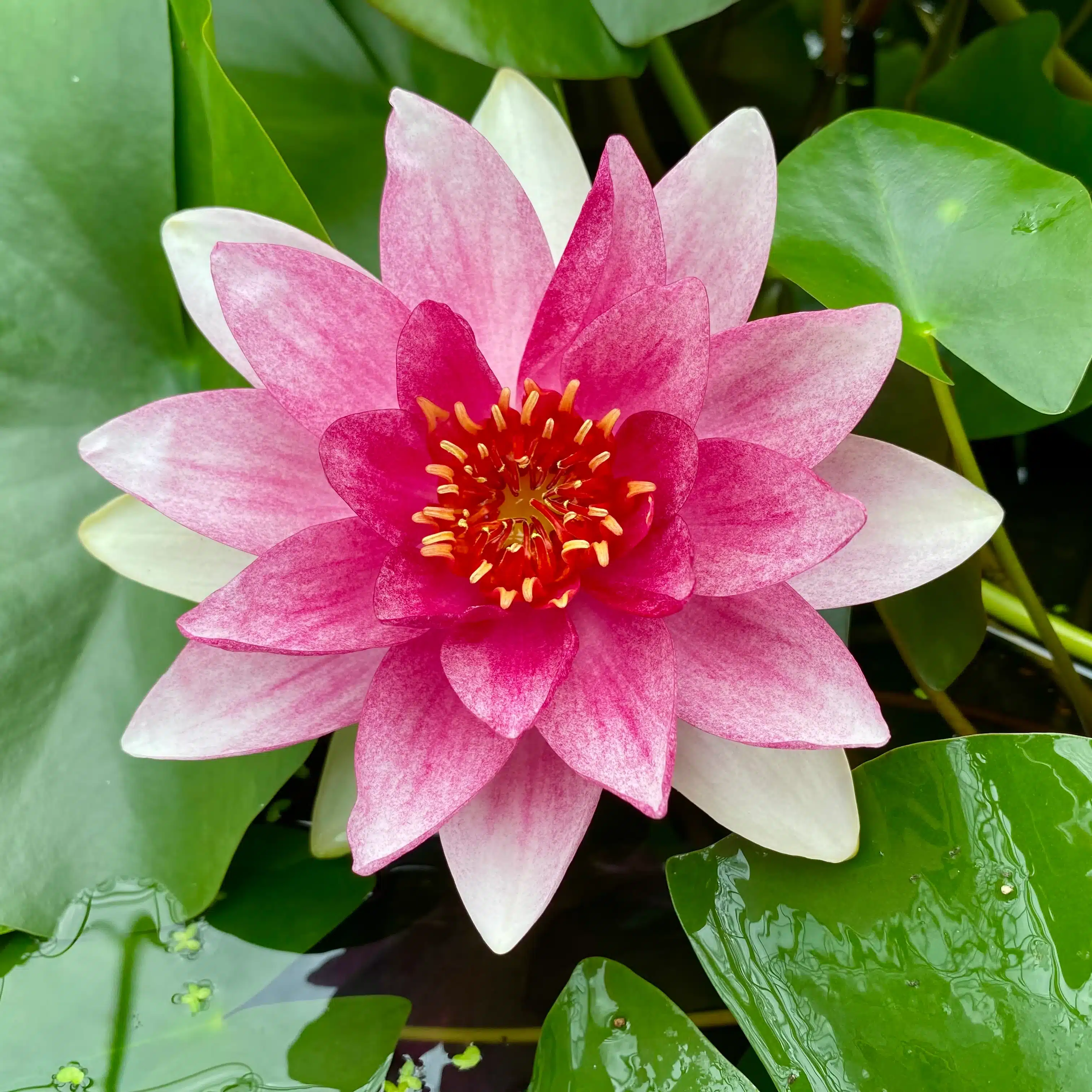
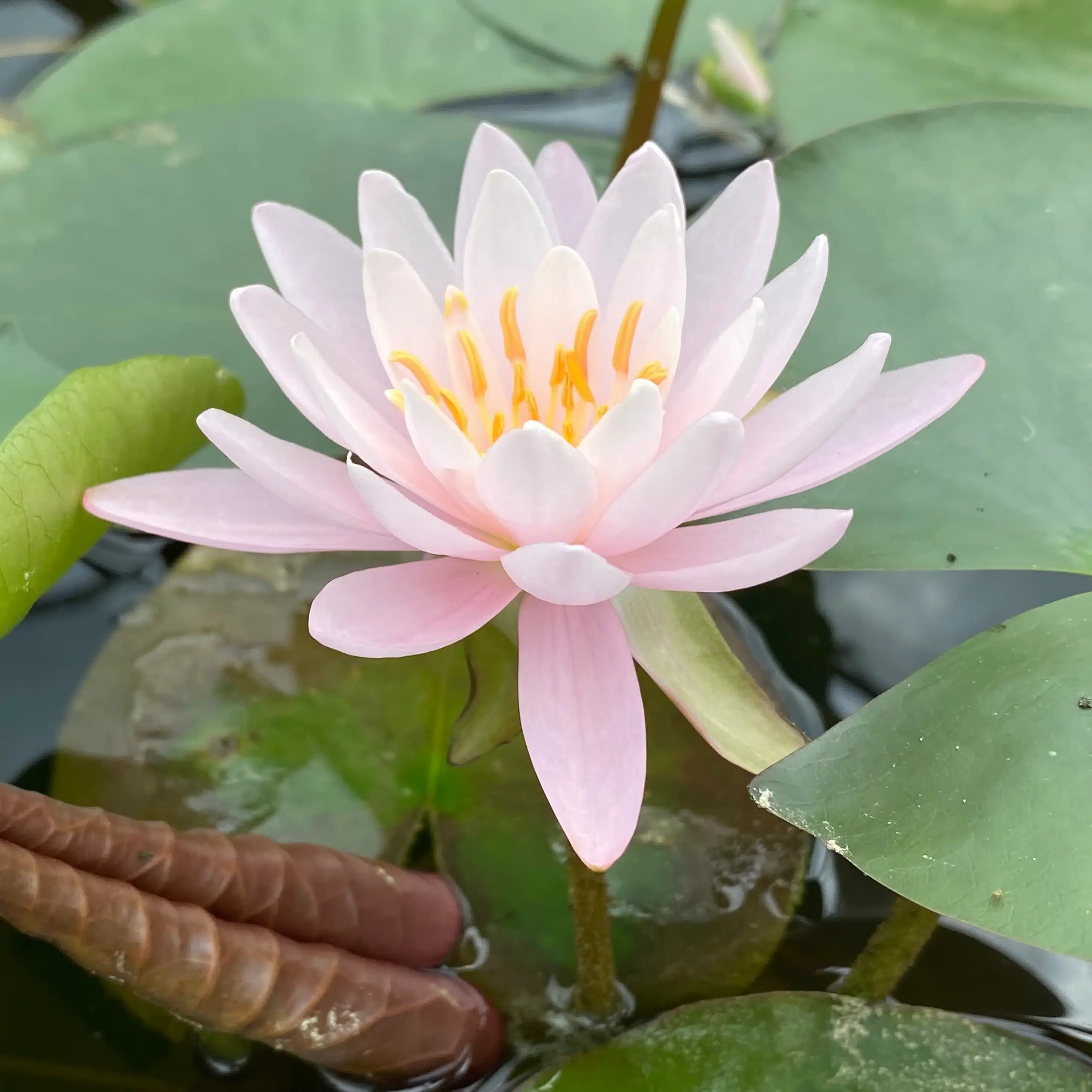
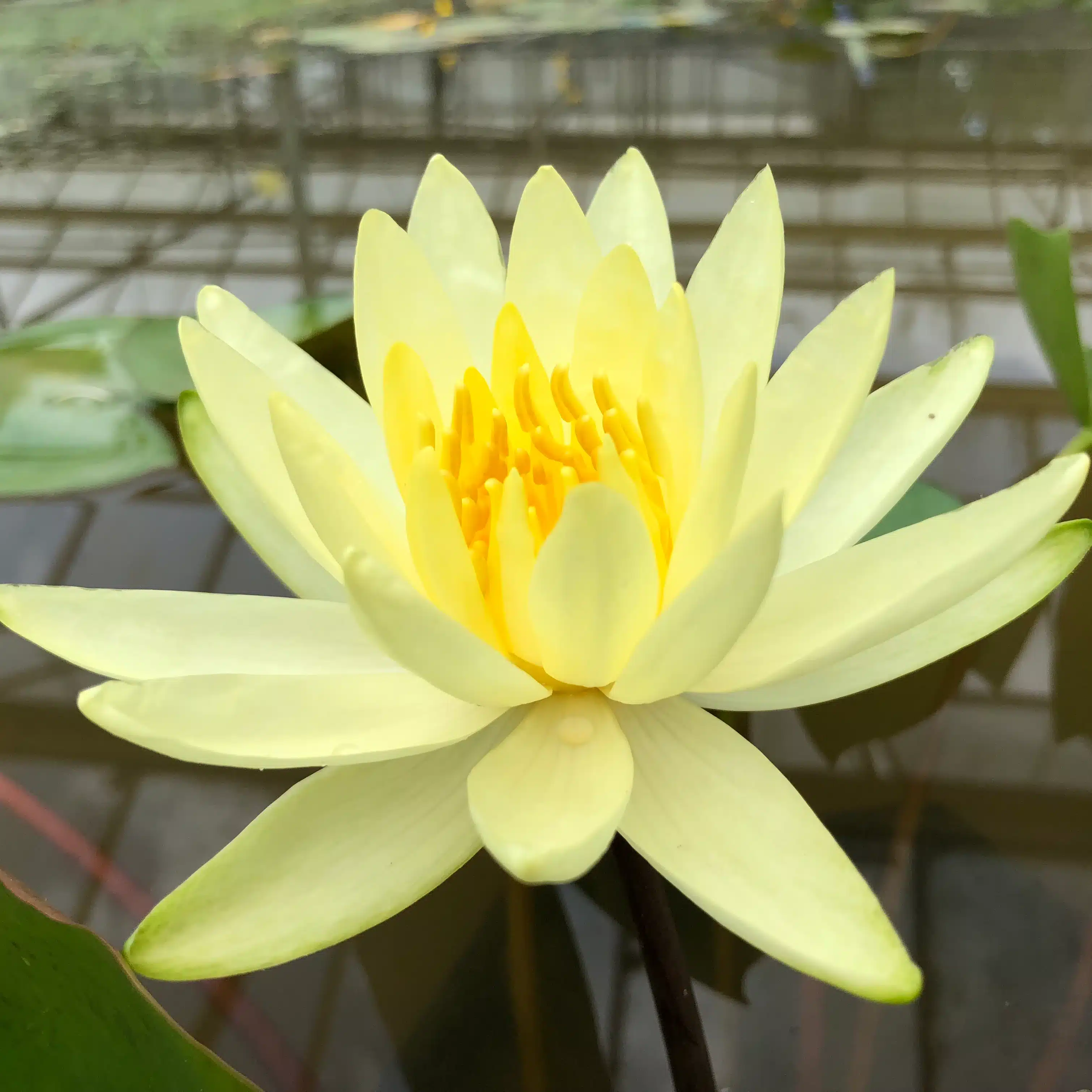
Our water lily range includes compact varieties for small ponds and container water gardens, medium varieties for typical garden ponds, and larger varieties suited to spacious ponds and lakes. Flowers are available in a wide choice of colours, including white, pink, yellow, red and deeper shades.
Water lilies provide more than seasonal colour. Their floating leaves create shaded areas across the pond, reducing the amount of direct sunlight entering the water and offering shelter for fish and pond wildlife. This shade can help make conditions less favourable for excessive algae while also helping to keep parts of the pond cooler during warm weather.
They work particularly well alongside oxygenating plants, marginal plants and other deep water pond plants, creating a varied planting scheme above and below the water surface.
Key Benefits of Water Lilies
- Produce attractive flowers throughout the growing season
- Provide valuable shade across the pond surface
- Create shelter and cover for fish and wildlife
- Help soften the appearance of open water
- Add colour and seasonal interest
- Available in sizes suitable for small, medium and large ponds
- Complement marginal plants and oxygenating plants
- Suitable for garden ponds, wildlife ponds and larger water features
Choosing the Right Water Lily
Choosing the correct variety is important because water lilies differ significantly in their eventual spread and preferred planting depth.
Compact water lilies are suited to small ponds, container ponds and shallow water. Medium varieties work well in most garden ponds, while larger water lilies require more depth and surface area to develop properly.
Before choosing a variety, consider:
- The depth from the top of the basket to the water surface
- The available pond surface area
- The expected spread of the leaves
- The amount of direct sunlight
- The strength of water movement
- The flower colour and flowering period
- Whether fish are likely to disturb the basket
Each product page includes guidance on planting depth, eventual spread and preferred growing conditions.
Planting Water Lilies at the Correct Depth
Water lily planting depth is normally measured from the top of the aquatic basket to the surface of the pond water.
A newly supplied water lily should usually be positioned so its existing leaves can reach or sit close to the surface. Young plants may struggle if they are placed immediately at the maximum recommended depth.
As stronger stems and new leaves develop, the basket can be lowered gradually until it reaches the final depth recommended for that variety.
If a pond shelf is too deep, the basket can be raised using stable bricks, blocks or an upturned aquatic basket. Any supports should be secure and free from sharp edges that could damage the pond liner.
Sunlight and Water Movement
Water lilies generally flower best in a sunny position. Most varieties benefit from several hours of direct sunlight each day, although exact requirements vary.
They also prefer still or gently moving water. Avoid placing water lilies directly beneath waterfalls, fountains, air stones or powerful return pipes. Constant splashing and turbulence can damage the leaves, prevent them from resting naturally on the surface and reduce flowering performance.
Keep baskets and trailing growth away from pumps, skimmers and filter inlets.
Recommended Surface Coverage
As a general guide, floating foliage from water lilies, deep water plants and floating plants can cover approximately 50% to 66% of the pond surface during summer.
This provides useful shade while leaving open water for circulation, gas exchange and viewing fish.
The ideal coverage will depend on the pond size, fish stocking, filtration and the amount of sunlight it receives. Water lilies should be divided or thinned if their leaves begin crowding the entire surface or overlapping heavily with other plants.
Caring for Water Lilies
Water lilies are generally straightforward to care for once established at the correct depth.
Remove yellowing leaves and faded flowers throughout the growing season. This keeps the plant tidy and reduces the amount of decaying organic material entering the pond.
Established water lilies may eventually become crowded within their baskets. Reduced flowering, small leaves or growth pushing beyond the basket can indicate that the plant needs dividing and repotting.
When repotting, use specialist aquatic compost rather than ordinary garden compost. A layer of washed aquatic gravel can help keep the growing medium contained and reduce disturbance from fish.
Water Lilies in Fish and Koi Ponds
Water lilies can provide valuable shade and shelter in ponds containing goldfish and other ornamental fish.
Large koi may disturb the baskets, remove aquatic compost or damage young leaves and shoots. In koi ponds, water lilies may require heavier baskets, protective gravel or planting areas that the fish cannot easily access.
Water lilies can contribute to a balanced pond, but they should not be relied upon to process all the waste produced in a heavily stocked fish pond. Suitable filtration and regular maintenance will still be required.
Supplied Ready for Your Pond
Our water lilies are UK grown by trusted specialist growers and supplied established in aquatic baskets, ready to be placed into the pond at the recommended depth.
Water lilies are naturally seasonal. Plants ordered early in the growing season may arrive with fewer or smaller leaves than plants supplied during summer, and they are not guaranteed to arrive in flower.
We only dispatch plants when they are sufficiently established and suitable for transport. Once delivered, unpack the plant promptly and place it into the pond as soon as practical.
Why Buy Water Lilies From That Pond Guy?
Our water lilies are carefully selected for their health, strength and suitability for British garden ponds.
Each variety includes clear guidance on planting depth, eventual spread, flower colour and preferred growing conditions, helping you choose a plant that is appropriate for your pond.
With practical pond experience, reliable UK delivery and helpful advice available when required, you can order with confidence from experienced pond specialists.
Browse our collection of water lilies and find the right variety for your pond size, depth and preferred flower colour.
Price range: £24.50 through £148.50 (inc VAT)
Price range: £31.00 through £36.00 (inc VAT)
Price range: £31.00 through £36.00 (inc VAT)
Price range: £36.50 through £148.50 (inc VAT)
Price range: £24.50 through £148.50 (inc VAT)
Price range: £42.00 through £148.50 (inc VAT)
Price range: £42.00 through £148.50 (inc VAT)
Price range: £31.00 through £36.00 (inc VAT)
Frequently Asked Questions About Water Lilies
Water lilies are among the most popular plants for garden ponds, providing floating foliage, seasonal flowers and valuable shade. The answers below explain how to choose the right variety, position it correctly and help it establish successfully.
What are water lilies?
Water lilies are aquatic plants that grow from rhizomes planted in baskets below the water surface. Long stems rise through the water and produce floating leaves and flowers at the surface.
They are available in a wide range of colours and sizes, with varieties suitable for container ponds, ordinary garden ponds and much larger ponds or lakes.
Are water lilies deep water pond plants?
Yes. Water lilies are a type of deep water pond plant because their baskets are positioned below the surface and their leaves grow upwards to float on the water.
They are often placed in a separate category because there are so many varieties, flower colours, planting depths and eventual spreads available.
What are the benefits of adding water lilies to a pond?
Water lilies add colour, surface cover and seasonal interest while creating shaded areas for fish and wildlife.
Their broad leaves reduce the amount of direct sunlight entering parts of the pond and can help keep the water cooler during warm weather. They also provide shelter and resting places for frogs, insects and other pond creatures.
Water lilies work best as part of a varied planting scheme rather than being the only plants in the pond.
Do water lilies help keep pond water clear?
Water lilies can contribute to clearer water by shading the pond surface and reducing the amount of sunlight available to algae.
However, they cannot guarantee clear water on their own. Fish stocking, feeding, filtration, nutrient levels, water movement and regular maintenance will all affect water clarity.
They should be combined with other suitable pond plants and correctly sized filtration where required.
Can water lilies help reduce algae?
Water lily leaves can help make conditions less favourable for excessive algae by shading the water surface.
Their roots also use nutrients while the plant is actively growing. However, a water lily will not cure green water or blanketweed if the pond has high nutrient levels, excessive fish waste or unsuitable filtration.
The best results come from combining planting, shade and good pond management.
Do water lilies produce oxygen?
Water lilies release oxygen during daylight as part of photosynthesis, but most of their leaves sit on or above the water surface.
They should not be considered a replacement for submerged oxygenating plants or mechanical aeration.
Their main benefits are surface shade, habitat, flowers and the absorption of nutrients while they are growing.
Are water lilies suitable for wildlife ponds?
Yes. Water lilies can be an excellent addition to wildlife ponds when the pond has enough depth and surface area.
Their leaves provide shade and resting places for frogs and insects, while the stems and underwater growth create additional shelter.
They should be combined with marginal plants, oxygenating plants and areas of open water to create a varied habitat.
Are water lilies safe for fish?
Water lilies are generally suitable for ponds containing goldfish and other ornamental fish.
Their floating leaves provide shade and cover, which can help fish feel more secure. Some fish may nibble young leaves or investigate the planting basket, but established plants can usually tolerate minor disturbance.
Large koi may cause more significant damage.
Can water lilies be grown in koi ponds?
Water lilies can be grown in koi ponds, but the baskets may need additional protection.
Large koi can disturb the aquatic compost, uproot young shoots and damage leaves before they reach the surface. Heavier baskets, washed gravel and protected planting areas can help.
In heavily stocked koi ponds, water lilies should not be relied upon to manage water quality.
How do I choose the right water lily for my pond?
Start by measuring the available water depth and estimating the surface area that the plant will have available.
Then compare these measurements with the recommended planting depth and eventual spread shown on each product page. Compact varieties are best for small ponds, while vigorous water lilies require greater depth and more open surface area.
Flower colour, sunlight and water movement should also be considered.
What is the difference between small, medium and large water lilies?
The classification usually refers to the plant’s eventual surface spread and suitable planting depth.
Small water lilies remain relatively compact and are suitable for container ponds or small garden ponds. Medium varieties work well in many standard garden ponds, while large water lilies need considerably more room and are better suited to spacious ponds and lakes.
The size of the flower alone does not determine the overall size of the plant.
Which water lilies are suitable for small ponds?
Compact and miniature water lilies are the best choices for small ponds.
These varieties have a more restrained spread and can usually grow at shallower depths than larger plants. Always compare the expected mature coverage with the available pond surface before ordering.
A vigorous variety can overwhelm a small pond even if the plant looks compact when it first arrives.
Can water lilies grow in container ponds?
Yes. Compact water lilies can grow successfully in large containers, barrels and patio ponds.
The container must provide enough water depth and surface area for the chosen variety. Water levels should be checked frequently because small containers can lose water quickly during hot weather.
Only varieties specifically suited to compact spaces should be used.
Which water lilies are best for medium garden ponds?
Medium water lilies are generally suitable for ordinary garden ponds with reasonable depth and several square metres of surface area.
They provide good leaf coverage without spreading as vigorously as larger varieties. The exact choice should still be based on planting depth, available space, sunlight and preferred flower colour.
Check the eventual spread before placing several plants in the same pond.
Which water lilies are suitable for large ponds and lakes?
Large and vigorous water lily varieties are best suited to spacious ponds and lakes where their leaves have enough room to spread.
They usually tolerate greater planting depths once established and can produce extensive surface cover.
Smaller varieties may become lost in a very large pond, while large varieties can quickly dominate a compact garden pond.
What depth should a water lily be planted at?
The correct planting depth depends on the variety and maturity of the plant.
Compact water lilies may prefer relatively shallow water, while larger established plants can grow at significantly greater depths.
Planting depth is measured from the top of the aquatic basket to the surface of the pond water. Always follow the guidance on the individual product page.
Should a new water lily be placed at its maximum depth?
A newly supplied water lily should not normally be placed immediately at its maximum recommended depth.
Young leaves may struggle to reach the surface if the basket is positioned too deeply. Start at a shallower depth so the existing leaves can reach the light, then lower the basket gradually as stronger growth develops.
The final depth must still remain within the recommended range for the variety.
How do I raise a water lily basket if the pond is too deep?
The basket can be placed on stable bricks, blocks or an upturned aquatic planting basket.
The support should create a level platform and must not have sharp edges that could damage the pond liner. As the water lily establishes and produces longer stems, the supports can be removed gradually.
Always lift the basket rather than dragging it across the pond floor.
How much sunlight do water lilies need?
Most water lilies flower best when they receive several hours of direct sunlight each day.
Plants grown in partial shade may still produce leaves but often flower less freely. Heavily shaded conditions can result in weak growth and very few flowers.
The sunlight requirements should be checked for each variety before ordering.
Can water lilies grow in moving water?
Water lilies prefer still or gently moving water.
Strong currents, fountains, waterfalls and powerful return pipes can damage the leaves, push them beneath the surface and reduce flowering. Constant splashing can also prevent the leaves from resting naturally on the water.
Position the basket in a calmer area away from significant turbulence.
Can water lilies grow near a fountain?
Water lilies can grow in the same pond as a fountain, but they should not be positioned directly beside the spray or strongest surface movement.
Repeated splashing can damage flowers and leaves, while turbulence may prevent the foliage from resting properly on the surface.
Place the basket in a calmer section of the pond where the leaves can spread naturally.
Can water lilies grow near a waterfall?
Water lilies generally perform poorly directly beneath or beside a waterfall.
Constant falling water can submerge the leaves, damage delicate flowers and create more movement than the plant prefers. The basket should be placed farther away in an area of still or gently circulating water.
Can water lilies grow near an air stone?
Water lilies can grow in a pond containing aeration, but an air stone should not be positioned directly beneath the leaves.
Strong bubbles can keep the foliage moving, splash the flowers and interfere with the leaves resting flat on the surface.
Position the air stone elsewhere in the pond so it provides aeration without disturbing the plant.
Can water lilies grow near a pond pump?
They can grow near a pump if the intake is protected and the leaves and stems cannot be pulled towards it.
Keep the basket and trailing growth away from pump inlets, surface skimmers and powerful return pipes. A suitable pump cage can help reduce the risk of leaves and stems entering the equipment.
Do water lilies need an aquatic planting basket?
Most water lilies in lined, concrete or fibreglass ponds should be grown in aquatic baskets.
The basket contains the rhizome and growing medium, makes the plant easier to move and helps control its spread. It also allows the water lily to be lifted for dividing or repotting.
In natural earth ponds, some water lilies may be planted directly into suitable soil.
What compost should be used for water lilies?
Water lilies should be planted in specialist aquatic compost or another heavy, low nutrient aquatic planting medium.
Ordinary multipurpose compost is unsuitable because it can float from the basket and release excessive nutrients into the water.
A layer of washed aquatic gravel over the compost can help keep it contained and discourage fish from disturbing the basket.
What size basket does a water lily need?
The correct basket size depends on the eventual size and vigour of the water lily.
Compact varieties can grow in smaller aquatic baskets, while medium and large varieties benefit from wider containers that provide more space for the rhizome to spread.
A basket that is too small may restrict growth and cause the plant to need repotting more frequently.
Can a water lily be planted in gravel?
A water lily should not normally be planted in loose gravel alone because its rhizome requires a stable growing medium.
Aquatic compost should be used within the planting basket, with washed gravel added over the surface to hold the compost in place.
In specialist natural ponds, water lilies may establish in suitable silty or clay based substrates.
Do water lilies need fertiliser?
Established water lilies may benefit from specialist aquatic fertiliser if flowering becomes poor or growth appears weak.
Aquatic fertiliser tablets can be pushed into the compost near the roots. Ordinary garden fertiliser should never be added because nutrients may escape into the pond and encourage algae.
Newly supplied plants may not require feeding immediately.
How often should water lilies be fertilised?
Feeding requirements vary depending on the variety, basket size and age of the compost.
Many established water lilies benefit from feeding during spring as active growth begins. Additional feeding may be helpful later in the season if recommended for the plant.
Avoid overfeeding, as excessive nutrients can escape into the pond water.
When should water lilies be repotted?
Water lilies should be repotted when the basket becomes overcrowded, the rhizome begins growing beyond the container or flowering noticeably declines.
This is usually required every few years, although vigorous varieties may need attention sooner.
Spring and early summer are normally the best times to repot because the plant is beginning active growth.
Can water lilies be divided?
Yes. Established water lilies can be divided when they become too large for their baskets.
Lift the plant carefully and separate healthy sections of rhizome that have strong roots and visible growing points. Replant the best sections into fresh aquatic compost and remove old, soft or decaying material.
Dividing the plant can help restore stronger growth and flowering.
How long does a water lily take to establish?
Establishment time depends on the season, water temperature, sunlight, planting depth and maturity of the plant.
A water lily introduced during warm spring or summer conditions may begin producing fresh leaves within a few weeks. Plants added during cooler weather may take longer.
Correct positioning is more important than expecting immediate growth.
When do water lilies flower in the UK?
Most hardy water lilies flower between late spring and early autumn, with the strongest display usually occurring during the warmer summer months.
The exact flowering period depends on the variety, sunlight, water temperature, weather and maturity of the plant.
Plants purchased early in the season may need time to establish before producing their first flowers.
How long does each water lily flower last?
Individual water lily flowers normally remain open for several days, although the exact lifespan varies by variety and weather conditions.
Flowers may open during daylight and close later in the day or during dull weather. Once one flower fades, an established plant may continue producing further buds throughout its flowering season.
Why is my water lily not flowering?
Poor flowering can be caused by insufficient sunlight, planting too deeply, overcrowding, recent planting or exhausted compost.
Water lilies may also need time to mature before they flower strongly. Check that the plant receives enough direct sun, is positioned at the correct depth and has sufficient space.
An established plant with weak growth may benefit from repotting or suitable aquatic fertiliser.
Why is my water lily producing leaves but no flowers?
Leaf growth without flowers often indicates that the plant is receiving too little sunlight or is still becoming established.
Overcrowded rhizomes, old compost and excessive depth can also reduce flowering. Some varieties naturally produce more foliage before their main flowering period begins.
Monitor the plant through the growing season before making major changes.
Should faded water lily flowers be removed?
Faded flowers can be removed to keep the pond tidy and reduce decaying material in the water.
Follow the flower stem down as far as practical and cut it cleanly without damaging nearby leaves or buds.
Removing old flowers is helpful but will not necessarily force the plant to produce more blooms.
Should yellow water lily leaves be removed?
Yellowing leaves should be removed once they begin deteriorating.
Older leaves naturally turn yellow as they are replaced by fresh growth. Removing them prevents unnecessary organic matter from sinking and decomposing on the pond floor.
Cut the leaf stem carefully rather than pulling it from the plant.
Why are my water lily leaves turning brown?
Brown leaves may be caused by natural ageing, physical damage, frost, repeated splashing, fish activity or unsuitable growing conditions.
A few damaged older leaves are not normally a concern if healthy new growth is appearing. Remove badly deteriorated leaves and check that the plant is receiving suitable sunlight and calm water.
Do water lilies die back during winter?
Most hardy water lilies naturally die back as temperatures fall.
Their floating leaves yellow, collapse and disappear, while the rhizome remains alive within the basket below the water surface. Fresh growth normally returns during spring as the water warms.
Winter dormancy is normal and does not mean the plant has died.
Should water lilies be removed from the pond during winter?
Hardy water lilies can usually remain in the pond throughout winter.
The basket should stay deep enough to protect the rhizome from prolonged freezing. In very shallow ponds or containers, the plant may need to be moved into deeper water or protected from severe frost.
Tender tropical varieties require different winter care and may need to be moved indoors.
Can water lilies survive if the pond freezes?
Hardy water lilies can normally survive a layer of ice forming on the pond surface.
The rhizome remains protected beneath the water, provided the basket is not frozen solid. Problems are more likely in shallow containers where the entire water volume can freeze.
Avoid breaking ice directly above the plant with force, as this can damage the pond and disturb wildlife.
When do water lilies start growing in spring?
Water lilies normally begin producing new growth as water temperatures rise during spring.
The exact timing depends on the variety, pond depth, sunlight and local weather. Shallow ponds often warm sooner than deeper ponds, so growth may begin earlier.
Small rolled leaves may appear beneath the surface before they reach the top of the water.
What should I expect when a water lily arrives?
The appearance of a water lily will depend on the season and the maturity of the plant.
Early season plants may have only a few small leaves or shoots, while summer plants are likely to have more developed foliage. Water lilies are not guaranteed to arrive in flower.
The health of the rhizome, roots and growing points is more important than the condition of older leaves.
Will my water lily arrive with leaves on the surface?
Not necessarily. Leaves may be short, folded or still developing when the plant arrives.
Once the basket is positioned at a suitable depth, the stems should extend towards the surface. New plants should initially be placed shallow enough for their leaves to reach the light easily.
They can be lowered gradually as stronger growth develops.
Will my water lily arrive in flower?
Water lilies are not guaranteed to arrive in flower.
Flowering depends on the variety, maturity, time of year, sunlight and growing conditions. A healthy plant may arrive without flowers and begin blooming once it has established in the pond.
The usual flowering period is shown on each individual product page.
How quickly should a water lily be placed into the pond after delivery?
A water lily should be unpacked and placed into suitable water as soon as reasonably possible.
Keep the basket wet and protect the leaves from strong sunlight and drying winds while handling it. Do not allow the rhizome, roots or aquatic compost to dry out.
Position the plant initially at a depth where its leaves can reach the surface.
Can a water lily be kept temporarily in a bucket?
A water lily can be kept temporarily in a clean bucket, tub or other suitable container filled with pond water.
The basket should remain submerged, while the leaves should have enough space and light. Avoid allowing the water to overheat or become stagnant.
A bucket should only be used as a temporary solution before the plant is placed into the pond.
What should I do if a water lily arrives damaged?
Remove leaves or stems that are completely broken or badly decayed.
Place the remaining healthy plant into the pond at the correct depth and allow it time to settle. Minor damage to older leaves does not usually prevent the rhizome from producing fresh growth.
Take clear photographs and contact the supplier promptly if the rhizome, basket or growing crown appears seriously damaged.
Why are my water lily leaves not reaching the surface?
The basket may be positioned too deeply for the plant’s current size.
Young or recently divided water lilies often have shorter stems and should begin at a shallower depth. Raise the basket so the leaves can reach the surface, then lower it gradually as the plant grows.
Poor light and cold water can also slow stem development.
Why are my water lily leaves standing above the water?
Leaves that rise above the surface can indicate that the plant is positioned too shallowly or has become overcrowded.
Strong growth from a mature plant can also cause leaves to overlap and lift one another. Check whether the basket should be lowered or whether the water lily needs dividing.
Some temporary raised growth is normal during rapid summer development.
Why are my water lily leaves very small?
Small leaves can be caused by recent planting, cold water, insufficient sunlight, exhausted compost or an overcrowded basket.
New plants may initially produce smaller leaves while establishing. If an older plant continues producing weak growth, it may need feeding, dividing or repotting.
Check the planting depth and sunlight before making changes.
Why are there holes in my water lily leaves?
Holes may be caused by fish, pond snails, water lily beetles, larvae, physical damage or natural deterioration.
A small amount of damage is usually harmless. Remove badly affected leaves and inspect both the upper and lower surfaces for pests.
Repeated damage to new leaves may require closer investigation.
What are water lily beetles?
Water lily beetles are small insects whose adults and larvae can feed on water lily leaves.
They may leave holes, trails or damaged areas across the foliage. Light infestations can often be managed by removing affected leaves and inspecting the plant regularly.
Avoid using general garden pesticides near ponds, as they can harm fish and wildlife.
Do pond snails eat water lily leaves?
Pond snails mainly feed on algae, decaying material and weakened plant tissue.
They may graze damaged or ageing leaves but are less likely to destroy healthy growth. Significant damage is often caused by fish, beetles or other aquatic pests.
A small snail population is normally part of a healthy pond ecosystem.
Will goldfish eat water lily leaves?
Goldfish may nibble young leaves, stems and soft growth.
Established water lilies can often tolerate minor damage, but newly supplied plants may need protection while they settle. Covering the compost with washed gravel can also help stop fish from disturbing the basket.
Damage is usually more severe in ponds containing large koi.
How can I protect a water lily from koi?
Use a heavy aquatic basket and cover the compost with a substantial layer of washed gravel.
The basket can also be placed within a protected planting area or behind a suitable barrier. Young leaves may still be vulnerable once they reach the surface.
In ponds with very large or persistent koi, it may be difficult to grow water lilies successfully without separating them from the fish.
Why is my water lily rotting?
Rotting may be caused by damaged or buried growing points, unsuitable compost, poor water conditions or the plant being positioned too deeply before it is established.
Lift the basket and inspect the rhizome. Remove any soft or foul smelling material while keeping firm, healthy sections with visible growing points.
Replant into fresh aquatic compost if necessary and return the plant to a suitable depth.
How can I tell whether a water lily rhizome is healthy?
A healthy rhizome should feel firm rather than soft or hollow.
It should have healthy roots and at least 1 visible growing point or new shoot during the active season. Dark outer surfaces can be normal, but foul smelling, mushy or collapsing tissue usually indicates rot.
Healthy sections can often be separated and replanted if part of the rhizome has deteriorated.
Are any water lilies native to the UK?
Yes. The White Water Lily, Nymphaea alba, is native to the UK and occurs naturally in suitable lakes, slow moving waterways and larger ponds.
Native status should be checked on each product page, as many ornamental water lilies grown in British garden ponds are cultivated varieties or originate from elsewhere.
A native water lily can be an excellent choice for a larger wildlife pond, provided there is sufficient depth and surface area.
Is Brandy Bottle a water lily?
Brandy Bottle, Nuphar lutea, is often called the Yellow Water Lily, but it is not a true Nymphaea water lily.
It is a vigorous native deep water plant with rounded floating leaves and distinctive yellow flowers. It normally requires more space than many ornamental water lilies and is better suited to larger ponds and lakes.
Brandy Bottle should be selected according to its own planting depth and eventual spread.
What flower colours are available in water lilies?
Hardy water lilies are available in shades of white, cream, pale pink, deep pink, red, yellow, peach and copper.
Some flowers may change colour slightly as they mature or appear different depending on the light and weather conditions.
The final colour can also vary slightly from photographs, as living plants do not always produce identical shades under every growing condition.
Are there purple water lilies suitable for UK ponds?
True purple and blue water lilies are most commonly associated with tropical varieties, which require warmer conditions than ordinary hardy water lilies.
Some hardy varieties may have deep red, plum or violet toned flowers, but they may not produce the bright blue or purple shades seen in tropical lilies.
Check whether a purple flowering variety is hardy before buying it for a UK garden pond.
Are water lily flowers scented?
Some water lily varieties produce a noticeable fragrance, while others have little or no scent.
The strength of the fragrance can depend on the variety, time of day, flower maturity and weather conditions.
If scent is important, choose a variety specifically described as fragrant rather than assuming every water lily will have a strong perfume.
Why do water lily flowers close during the day?
Many water lily flowers open and close according to light levels, temperature and their natural flowering cycle.
A flower may open during the morning and close later in the afternoon. Cloudy weather can also cause flowers to remain partly closed.
This is usually normal and does not indicate that the plant is unhealthy.
Why do water lily flowers only last a few days?
Each individual water lily flower naturally has a limited lifespan.
The bloom may open and close over several days before sinking or fading. A healthy established plant can continue producing new buds, so the display is maintained through a succession of flowers rather than 1 bloom lasting all season.
Remove spent flowers once they begin deteriorating.
Can water lilies flower in their first year?
Yes, although flowering in the first year is not guaranteed.
A mature plant introduced during spring or early summer may flower once established. Smaller plants, recently divided plants or lilies placed in cooler conditions may concentrate on producing roots and leaves before flowering.
Correct sunlight, depth and growing space will improve the chances of early flowering.
Can water lilies be grown from seed?
Water lilies can be grown from seed, but this is a slower and more specialised process than growing them from established rhizomes.
Seed grown plants may take several years to reach flowering size, and cultivated varieties may not produce offspring identical to the parent plant.
Most garden pond owners choose established basket grown water lilies for quicker and more predictable results.
How do water lilies spread?
Water lilies spread primarily through the growth of their underground rhizomes.
As the rhizome develops, it produces new roots, leaves and growing points. Mature plants may eventually fill their baskets and require dividing.
Some water lilies can also produce seed, although this is not normally the main method used to propagate named ornamental varieties.
Can a water lily spread outside its basket?
The leaves and stems will naturally spread well beyond the basket across the pond surface.
Roots and rhizomes may also grow through the openings of an aquatic basket if the plant becomes crowded. In a natural earth pond, an unrestricted rhizome may spread through the pond substrate.
Regular lifting and division helps keep vigorous growth under control.
Can water lilies be planted directly into an earth pond?
Yes. Water lilies can be planted directly into suitable clay or silty soil in a natural earth pond.
Direct planting can allow them to establish strongly, but growth may become difficult to control and the plant will be harder to lift or divide.
Aquatic baskets are normally preferable in lined garden ponds because they provide greater control over positioning and maintenance.
Can water lily roots damage a pond liner?
Water lily roots are unlikely to puncture a sound, good quality pond liner.
The greater risk comes from dragging heavy baskets, bricks or rough supports across the liner while positioning or lifting the plant.
Always lift baskets carefully and use smooth, stable supports without sharp edges.
Can water lilies be moved after they are established?
Yes. Basket grown water lilies can be moved if they are positioned too deeply, too shallowly or in an area with insufficient sunlight.
Move the basket carefully to avoid breaking stems and disturbing the aquatic compost. Spring and early summer are generally the best times for major repositioning.
A plant may pause its growth briefly while adjusting to its new location.
Can water lilies tolerate changing pond levels?
Water lilies can tolerate modest changes in depth, but repeated or significant fluctuations may affect growth.
If the water level rises too far, young leaves may struggle to reach the surface. If the level falls considerably, the basket may become too shallow or partially exposed.
Maintain a reasonably stable water level and reposition the basket if necessary.
Can water lilies grow in hard water?
Many hardy water lilies grow successfully in hard water.
Stable conditions are usually more important than achieving an exact hardness level. The plant’s performance will also depend on sunlight, temperature, planting depth and the condition of the aquatic compost.
If growth is poor, test the wider pond conditions before assuming hardness is the cause.
Can water lilies grow in soft water?
Water lilies can grow in soft water, although some ponds may contain fewer available minerals.
Most established plants adapt well if the water chemistry remains stable. Sudden changes in pH or hardness can be more stressful than consistently soft water.
Use suitable aquatic compost and monitor the general health of the plant.
Can water lilies survive in chlorinated tap water?
Chlorine and chloramine in untreated tap water can affect aquatic plants, fish and beneficial pond organisms.
Use a suitable dechlorinator when filling or topping up the pond where required. Avoid storing a newly delivered water lily in untreated tap water.
Pond water is normally the safest choice for temporary holding.
Do water lilies affect pond pH?
Water lilies can contribute to normal daily changes in oxygen and carbon dioxide as they photosynthesise and respire.
However, they are unlikely to cause or correct a significant pH problem on their own. Pond pH is influenced more strongly by alkalinity, water hardness, biological activity and the source water.
Persistent fluctuations should be investigated using suitable water tests.
Can pond salt damage water lilies?
Water lilies vary in their tolerance of salt, and stronger salt treatments can damage leaves, roots or rhizomes.
Before adding pond salt, check the intended concentration and whether the plant should be removed temporarily. Keep removed lilies in untreated pond water.
Salt should only be used when there is a clear reason and the correct dose has been calculated.
What is the difference between a water lily and a lotus?
Water lilies and lotus plants are different groups of aquatic plants.
Water lily leaves normally float directly on the surface, and most flowers sit on or just above the water. Lotus plants usually produce leaves and flowers on strong stems that rise much higher above the surface.
Lotus plants also generally require warmer conditions and considerably more growing space than most hardy garden pond water lilies.
Do water lily flowers rise above the water?
Most hardy water lily flowers sit directly on the water or rise slightly above it.
The exact height depends on the variety, maturity of the plant and growing conditions. Some flowers remain close to the floating leaves, while others stand several centimetres above the surface.
Flowers that are forced underwater by fountains or strong circulation may become damaged.
Can water lilies be added to a newly built pond?
Yes, once the pond is ready to support aquatic plants.
Any concrete, cement, sealant, paint or fibreglass finish must be fully cured before the water lily is introduced. Tap water should also be treated with a suitable dechlorinator where required.
Position the basket at a shallow starting depth so the leaves can reach the surface while the plant establishes.
Can water lilies grow in lined, concrete or fibreglass ponds?
Yes. Water lilies can grow successfully in lined, concrete and fibreglass ponds when they are planted in suitable aquatic baskets.
The basket provides the compost and root space that would otherwise be available in a natural pond base. It also makes the plant easier to move, divide and control.
Protect the pond finish when lowering heavy baskets or supports into place.
Can water lilies grow in a pond without planting shelves?
Yes. A water lily basket can be positioned on the pond floor if the depth is suitable for the chosen variety.
If the pond is too deep, stable blocks, bricks or an upturned aquatic basket can be used to raise the plant. Another option is a suspended planting platform designed for the pond.
The support must remain level and should not have sharp edges that could damage the liner.
Can water lilies grow in very deep ponds?
Large established water lilies can grow at greater depths than compact varieties, but every plant has a recommended depth range.
A newly supplied plant should not be placed immediately into very deep water. It may need to begin closer to the surface and be lowered gradually as stronger stems develop.
Choose a vigorous large variety if the final position is particularly deep.
Can water lilies grow in very shallow ponds?
Compact water lilies can grow in shallow ponds, provided there is enough water above the basket and the roots remain submerged.
Shallow water warms and cools quickly, so temperatures and water levels may fluctuate considerably. During hot weather, regular topping up may be required.
Larger water lilies are generally unsuitable because they need more depth and surface area.
Can water lilies grow in raised ponds?
Yes. Water lilies can grow well in raised ponds if the variety is suited to the available depth and surface area.
Raised ponds may experience greater temperature changes than large ground level ponds. Water levels should therefore be monitored carefully during warm weather.
Keep the plant away from strong returns, pumps and areas where the leaves could be pushed against the pond edge.
Are water lilies suitable for formal ponds?
Water lilies can add colour and soften the appearance of formal ponds.
Choose a variety with an eventual spread that suits the size and shape of the pond. Compact or medium varieties are often easier to keep within a defined area than vigorous large lilies.
Regular removal of older leaves can help maintain a neat and controlled appearance.
Can water lilies be used in natural swimming ponds?
Water lilies can be grown in the planted or regeneration areas of some natural swimming ponds.
They should normally be positioned away from the main swimming area, circulation inlets, surface skimmers and access steps. Their leaves and stems must not interfere with the designed water flow.
The chosen variety should form part of the wider planting and filtration plan.
Can water lilies grow near a surface skimmer?
Water lilies should be positioned far enough away that their leaves are not continually drawn towards the skimmer.
Leaves and flower stems can restrict the opening or become damaged by the suction. As the plant spreads, regular trimming may be needed to keep the skimmer clear.
A contained planting position can help direct growth away from pond equipment.
Can fish medicines damage water lilies?
Some fish medicines may damage water lily leaves, roots or rhizomes.
Always read the treatment instructions before use. The manufacturer should explain whether aquatic plants need to be removed and when they can safely be returned.
If removal is required, keep the basket in a suitable container of untreated pond water.
Should water lilies be removed before using an algae treatment?
This depends on the treatment being used.
Some algae and blanketweed treatments are suitable for planted ponds, while others may affect water lilies or delicate new growth. Follow the manufacturer’s instructions carefully and never assume that all pond treatments are plant safe.
Removing the lily may be necessary during certain treatments.
Can ducks damage water lilies?
Ducks can damage water lilies by eating young leaves, disturbing baskets and swimming through developing foliage.
They may also increase nutrient levels through their waste, which can affect water quality and algae growth.
Established vigorous plants may tolerate occasional visits, but repeated duck activity can make it difficult for a young water lily to establish.
Are water lilies safe around pets and children?
Water lilies can be grown in family gardens, but children and pets should not be encouraged to eat or handle pond plants.
Individual varieties and other plants sold under similar common names may have different properties. Check the specific plant information if ingestion is a concern.
Children should always be supervised around garden ponds regardless of the planting used.
Can water lilies become too vigorous for a pond?
Yes. A large or vigorous water lily can produce more surface growth than a small pond can accommodate.
The leaves may overlap heavily, crowd other plants and cover most of the open water. Choosing the correct variety at the beginning is easier than repeatedly controlling a plant that is too large.
Established lilies can be divided and replanted into smaller sections when necessary.
How should an unwanted water lily be disposed of?
Lift the basket and leave it beside the pond briefly so that any small aquatic creatures can return to the water.
The plant can then normally be composted or placed with suitable garden waste. Large rhizomes may need to be cut into smaller pieces before disposal.
Never release unwanted water lilies into rivers, streams, lakes or public ponds.
Why are new water lily leaves red or purple?
Young water lily leaves often emerge with red, bronze or purple colouring before becoming greener as they mature.
This pigmentation can help protect tender new growth from strong light and is normal in many varieties.
Colour varies between cultivars, and some leaves may retain mottled or darker markings throughout the season.
Why do water lily flowers fade or change colour?
Some water lily flowers naturally change shade as they mature.
A bloom may open with a stronger colour and gradually become paler over several days. Sunlight, temperature, flower age and the individual variety can all influence its appearance.
This natural change does not normally indicate a problem with the plant.
When is the best time to buy and plant a water lily?
Spring and early summer are generally the best times to introduce a water lily because the plant has plenty of time to establish during the growing season.
Water lilies can also be added later in summer, although they may produce less growth before becoming dormant.
Plants purchased early in the season may arrive with fewer leaves and are not guaranteed to be flowering when delivered.
