Pond Bio Chambers – Frequently Asked Questions
Below are some of the most common questions pond owners ask about biological chambers and moving bed filtration. These answers explain how bio chambers work, why biological filtration is essential for ponds and how moving bed filters help maintain stable, healthy water conditions.
What is a pond biological chamber?
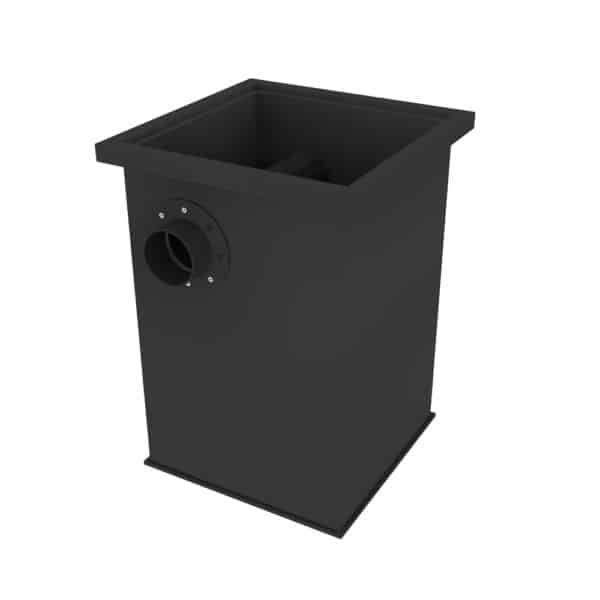
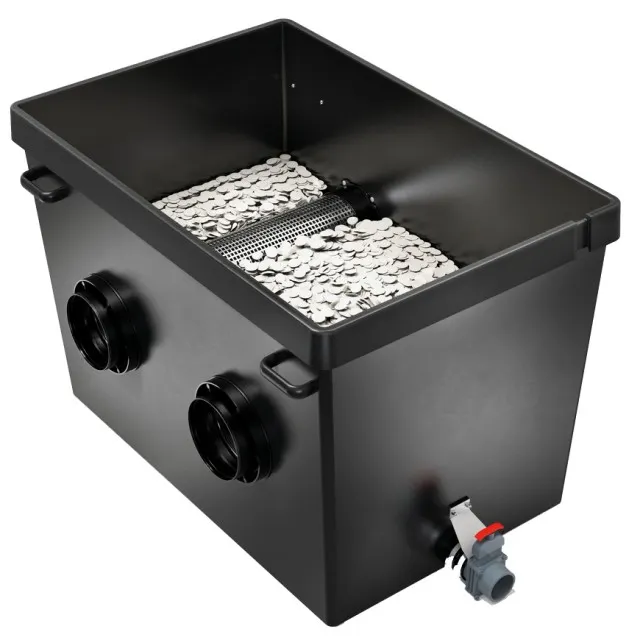
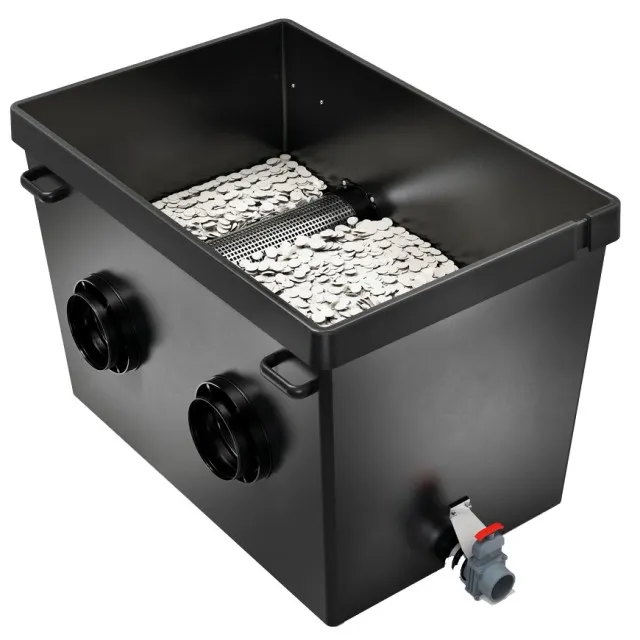
A pond biological chamber, often called a bio chamber or bio filter, is the part of a pond filtration system responsible for biological filtration.
While mechanical filtration removes solid debris from the water, biological filtration processes the invisible waste produced by fish and organic matter. A bio chamber contains specialised filter media where beneficial bacteria grow and break down harmful compounds.
As pond water flows through the chamber, these bacteria convert toxic ammonia into nitrite and then into the less harmful compound nitrate through the nitrogen cycle.
Why are biological chambers important for pond filtration?
Biological chambers are essential because they remove harmful waste compounds that cannot be seen in the water.
Fish constantly release ammonia through waste and respiration. Uneaten food and decaying organic matter also produce ammonia. Without biological filtration, ammonia and nitrite can quickly build up and become toxic to fish.
A properly sized bio chamber allows beneficial bacteria to process this waste continuously, helping maintain safe and stable pond conditions.
What is moving bed filtration?
Moving bed filtration is a highly efficient form of biological filtration commonly used in koi ponds.
In a moving bed filter, floating plastic media is constantly circulated inside the chamber using aeration from an air pump. This tumbling motion keeps the media clean while exposing the bacteria living on its surface to high levels of oxygen.
Because the bacteria receive constant oxygen and water flow, they remain extremely active and are able to process fish waste very efficiently.
Why is moving bed filtration so effective?
Moving bed filtration is considered one of the most efficient forms of biological filtration for ponds.
The constantly moving media prevents debris from settling on the surface and keeps the bacteria supplied with oxygen rich water. This allows beneficial bacteria to grow in large numbers and process ammonia and nitrite rapidly.
For heavily stocked koi ponds, moving bed bio chambers provide powerful waste processing capacity and stable long term filtration.
What filter media is used in pond bio chambers?
Several different types of biological filtration media can be used in pond bio chambers depending on the filtration design.
Common examples include:
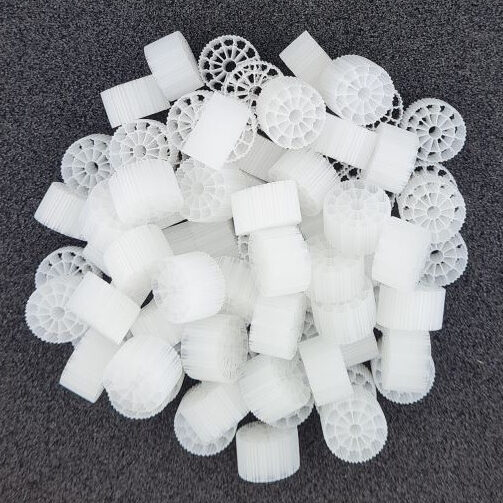
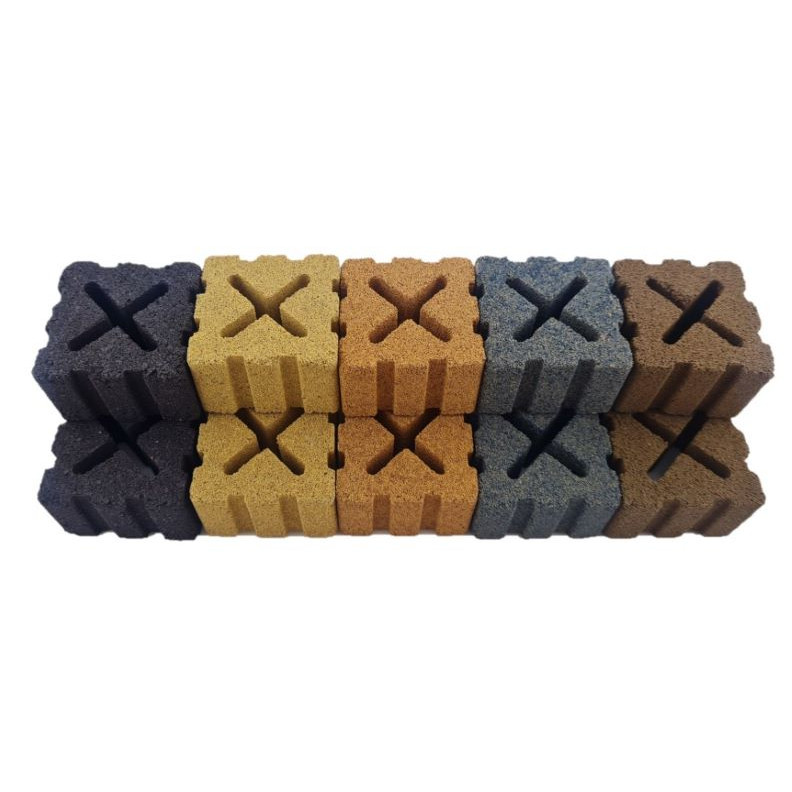
Moving bed media such as K1 style bio carriers
Plastic bio balls
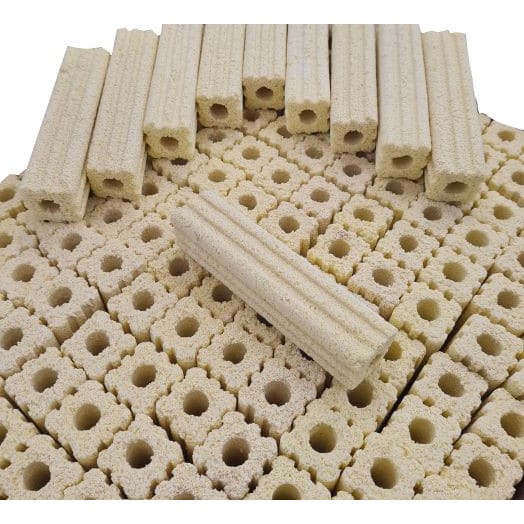
Ceramic filtration media
Static biological media
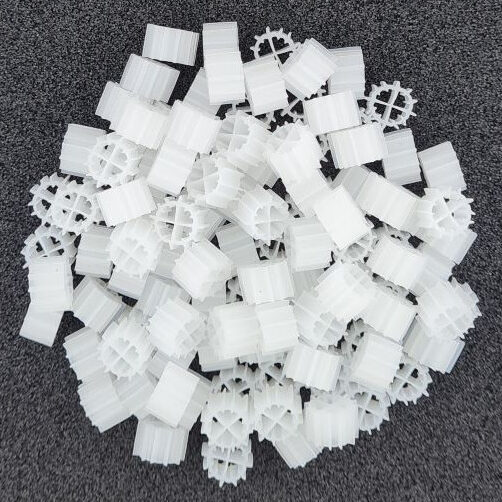
High surface area plastic bio carriers
Porous ceramic media
Moving bed media is particularly popular in modern koi pond filtration systems because it provides very high biological efficiency.
What is moving bed media?
Moving bed media is a type of floating plastic bio carrier designed specifically for aerated biological filtration chambers.
These media pieces have a large surface area where beneficial bacteria can colonise. When air is added to the chamber, the media begins tumbling continuously which keeps it clean and ensures bacteria remain exposed to oxygen rich water.
This constant movement allows the biological filtration system to process waste very efficiently.
How does a bio chamber remove ammonia?
A bio chamber removes ammonia using beneficial nitrifying bacteria.
These bacteria grow on the surface of the biological filter media. As water passes through the chamber, the bacteria convert ammonia into nitrite and then into nitrate through the nitrogen cycle.
This natural process helps prevent dangerous ammonia spikes and protects fish from toxic water conditions.
How long does it take for a bio chamber to mature?
Like all biological filtration systems, bio chambers require time for beneficial bacteria to colonise the filter media.
This process usually takes several weeks depending on water temperature and feeding levels. During this time the bacterial colonies gradually establish themselves and begin processing ammonia and nitrite more efficiently.
Once matured, the bio chamber can provide stable long term filtration.
Do bio chambers improve pond water clarity?
Bio chambers can contribute to improved water clarity by breaking down dissolved organic waste in the water.
Although biological filters do not remove solid debris directly, they help stabilise the pond ecosystem and support clearer water when combined with mechanical filtration such as drum filters or sieve filters.
Can a bio chamber be used with a drum filter?
Yes, bio chambers are commonly installed after drum filters in modern pond filtration systems.
The drum filter removes solid waste first while the bio chamber provides the biological filtration stage. This combination creates a highly effective multi stage filtration system capable of supporting heavily stocked koi ponds.
What size bio chamber do I need for my pond?
The correct size of bio chamber depends on several factors including pond volume, fish stocking levels and feeding rates.
Heavily stocked koi ponds require significantly larger biological filtration capacity than lightly stocked garden ponds. Installing a larger bio chamber with more filtration media helps ensure the system can process waste effectively.
Can a moving bed filter handle large koi ponds?
Yes, moving bed filters are particularly well suited to large koi ponds.
Because the media is constantly tumbling and highly oxygenated, moving bed bio chambers can process large biological loads produced by heavily stocked ponds and high feeding rates.
This makes them a popular choice for serious koi keepers.
Do bio chambers require aeration?
Moving bed bio chambers require aeration to keep the media tumbling.
An air pump supplies air to the chamber through an air diffuser or air ring. This aeration keeps the media circulating and ensures the bacteria receive a continuous supply of oxygen.
Static bio chambers may not require aeration but still rely on oxygen rich water flow.
What air pump is used for moving bed filtration?
Air pumps used for moving bed filtration should provide enough airflow to keep the media circulating continuously.
Commonly used pumps include diaphragm air pumps designed for pond aeration and filtration systems. The correct pump size depends on the size of the chamber and the amount of media being used.
Can bio chambers be used in gravity fed systems?
Yes, bio chambers are commonly used in gravity fed pond filtration systems.
In gravity fed setups, water flows from the pond into the filtration system through bottom drains before passing through mechanical and biological filtration chambers.
Moving bed bio chambers are often used as the biological stage in these systems.
Can bio chambers be used in pump fed systems?
Yes, bio chambers can also be used in pump fed filtration systems.
In pump fed setups, water is pumped from the pond into the filtration system where it passes through mechanical filtration and then into the biological chamber.
Both systems can provide effective filtration when properly designed.
Do bio chambers help stabilise pond water parameters?
Yes, biological filtration plays a major role in maintaining stable pond water conditions.
By processing ammonia and nitrite continuously, bio chambers help prevent dangerous toxin spikes. Stable water conditions are essential for healthy fish and a balanced pond ecosystem.
Do bio chambers help fish health?
Bio chambers contribute significantly to fish health by maintaining stable water quality.
When ammonia and nitrite levels are controlled and oxygen levels remain high, fish experience less stress and are able to grow more naturally.
Strong biological filtration is therefore essential for maintaining healthy koi and other pond fish.
Do bio chambers require maintenance?
Bio chambers generally require very little maintenance once established.
Moving bed media is self cleaning due to the tumbling motion inside the chamber. Occasionally checking the air supply and ensuring water flow remains unobstructed is usually sufficient.
How long do bio chambers last?
Well built bio chambers can last many years with minimal maintenance.
Plastic filtration chambers are durable and resistant to corrosion, while the biological filter media inside the chamber can remain effective for long periods without needing replacement.
Can bio chambers be added to existing pond filtration systems?
Yes, bio chambers can easily be added to existing filtration systems to increase biological filtration capacity.
Many pond owners upgrade their filtration systems by adding a moving bed chamber after mechanical filtration to improve waste processing.
What is the best filtration setup for a koi pond?
Many modern koi ponds use a multi stage filtration system consisting of:
Bottom drains and skimmers
Mechanical filtration such as a drum filter
Biological filtration using moving bed bio chambers
Additional oxygenation or Bakki shower filtration
This combination provides highly efficient waste removal and stable long term water quality.
Are bio chambers suitable for garden ponds?
Yes, bio chambers can be used in both garden ponds and koi ponds.
In lightly stocked garden ponds smaller bio chambers may be sufficient. In larger ponds or ponds with higher fish populations, larger biological filtration systems are recommended.
Why is biological filtration the most important part of pond filtration?
Biological filtration is essential because it removes toxic compounds that cannot be seen in the water.
Even if pond water appears clear, ammonia and nitrite may still be present. Without beneficial bacteria to process these compounds, fish can become stressed or ill.
Bio chambers provide the environment needed for these bacteria to thrive and maintain safe pond conditions.
What is the difference between mechanical filtration and biological filtration?
Mechanical filtration removes solid waste from pond water. This includes fish waste, uneaten food, leaves and other debris.
Biological filtration, which takes place inside a bio chamber, processes the invisible waste compounds dissolved in the water. Beneficial bacteria living on the filtration media convert ammonia into nitrite and then into nitrate.
Both stages are essential for maintaining healthy pond water.
Can a bio chamber remove fish waste?
A bio chamber does not directly remove solid fish waste. Instead, it processes the dissolved waste compounds that result when organic matter begins to break down.
Mechanical filters such as drum filters or sieve filters remove solid debris first. The biological chamber then processes the remaining dissolved waste compounds through bacterial activity.
What is the nitrogen cycle in a pond?
The nitrogen cycle is the biological process that removes toxic waste compounds from pond water.
Fish produce ammonia through waste and respiration. Beneficial bacteria convert this ammonia into nitrite and then into nitrate.
A biological filtration chamber provides the environment where these bacteria grow and carry out this process.
Why is ammonia dangerous in ponds?
Ammonia is extremely toxic to fish even at relatively low concentrations.
If ammonia levels rise in a pond, fish may experience stress, gill damage and reduced oxygen uptake. In severe cases ammonia poisoning can be fatal.
Biological filtration in a bio chamber helps prevent ammonia from accumulating by converting it into less harmful compounds.
Why is nitrite harmful to fish?
Nitrite is produced when bacteria convert ammonia during the nitrogen cycle.
Although less toxic than ammonia, nitrite can still harm fish by interfering with their ability to carry oxygen in their blood. This condition is sometimes referred to as brown blood disease.
A mature bio chamber contains bacteria that convert nitrite into nitrate, helping prevent these problems.
What happens if a pond does not have enough biological filtration?
Without sufficient biological filtration, ammonia and nitrite can quickly accumulate in the water.
This can cause unstable water conditions, stressed fish and poor overall pond health. In heavily stocked ponds the problem can develop rapidly.
A properly sized bio chamber helps maintain stable water quality by processing these waste compounds continuously.
Why is surface area important in biological filtration media?
Beneficial bacteria grow on the surface of filtration media rather than floating freely in the water.
Media with a large surface area provides more space for bacterial colonies to develop. The greater the surface area available, the more waste the biological filter can process.
This is why specialised bio media is used in modern pond filtration systems.
How much biological filtration does a koi pond need?
Koi ponds require significantly more biological filtration than lightly stocked ornamental ponds.
Large koi produce substantial amounts of waste, particularly when feeding levels are high. Installing a large bio chamber with sufficient filtration media ensures the system can cope with the biological load.
Oversizing biological filtration is often recommended for koi ponds.
Can too much filtration harm a pond?
Having too much biological filtration will not harm a pond.
In fact, larger biological filtration systems generally create more stable water conditions. Additional filtration capacity allows beneficial bacteria to process waste more efficiently and reduces the risk of ammonia spikes.
Does water flow affect biological filtration?
Yes, water flow plays an important role in biological filtration performance.
Water must flow through the bio chamber at an appropriate rate so bacteria receive a steady supply of oxygen and nutrients. Too little flow can reduce filtration efficiency, while excessive flow may reduce contact time with the media.
Correct system design ensures balanced water flow through the filtration stages.
Why do koi ponds often use large biological filters?
Koi ponds typically contain large fish that produce significant amounts of waste.
High feeding rates also increase the biological load within the pond. Larger biological filters ensure there is enough surface area for bacteria to process ammonia and nitrite effectively.
This helps maintain stable water conditions even when fish growth and feeding increase.
Can moving bed filtration reduce maintenance?
Yes, moving bed filtration systems are known for their low maintenance requirements.
Because the media constantly tumbles inside the chamber, debris does not easily accumulate on the surface. This helps prevent clogging and allows the bacteria to remain active.
For many pond owners this makes moving bed filtration one of the easiest biological filtration systems to maintain.
Why is oxygen important in biological filtration?
Beneficial nitrifying bacteria require oxygen to break down ammonia and nitrite.
If oxygen levels are low, bacterial activity slows and waste compounds may begin to accumulate in the water. Moving bed filtration systems maintain high oxygen levels by continuously mixing water and air inside the chamber.
This helps keep bacterial colonies active and efficient.
Does water temperature affect biological filtration?
Yes, temperature influences bacterial activity within biological filters.
Beneficial bacteria become more active as water temperatures rise. In colder water their activity slows, which is why filtration performance naturally decreases during winter.
However, mature bio chambers continue to provide some biological filtration throughout colder months.
Can a bio chamber help prevent algae problems?
Strong biological filtration helps maintain balanced water chemistry, which can indirectly help reduce algae problems.
By processing excess nutrients and maintaining stable water conditions, bio chambers help prevent the imbalances that can contribute to excessive algae growth.
Do bio chambers improve pond oxygen levels?
Bio chambers themselves do not directly add oxygen unless aeration is used.
However, moving bed bio chambers use air pumps to circulate the media, which increases oxygen levels in the water passing through the filter. This added oxygen benefits both beneficial bacteria and fish.
What is the difference between static bio media and moving bed media?
Static bio media remains stationary inside the filtration chamber while water flows through it.
Moving bed media floats freely and is kept in motion using aeration. This tumbling action keeps the media clean and ensures bacteria receive a constant supply of oxygen rich water.
Moving bed filtration is often considered more efficient for heavily stocked ponds.
Can multiple bio chambers be used together?
Yes, multiple biological chambers can be installed in series to increase filtration capacity.
Large koi pond filtration systems often include several biological chambers or combine different biological filtration methods. This approach increases the total surface area available for beneficial bacteria.
Should a bio chamber be cleaned regularly?
Biological filtration chambers should not be cleaned too frequently.
Excessive cleaning can remove beneficial bacteria colonies and reduce filtration performance. Maintenance should focus on ensuring water flow and aeration remain unobstructed rather than removing the media.
Can a bio chamber handle large fish loads?
Yes, properly sized bio chambers can support heavy fish loads when combined with effective mechanical filtration.
Many koi pond filtration systems are designed specifically to handle large fish populations and high feeding rates. Adequate biological filtration ensures the system remains stable under these conditions.
How does a mature bio chamber support pond stability?
Once established, a mature bio chamber contains large colonies of beneficial bacteria.
These bacteria continuously process waste compounds as they enter the filtration system. This constant biological activity helps maintain stable water parameters and reduces sudden fluctuations in ammonia or nitrite levels.
Can biological filtration reduce fish stress?
Stable water quality is one of the most important factors for reducing stress in fish.
By processing toxic waste compounds and maintaining balanced water conditions, biological filtration helps create a more stable environment where fish can thrive.
Can bio chambers be used alongside Bakki showers?
Yes, many advanced koi pond filtration systems combine bio chambers with Bakki shower filters.
The bio chamber provides submerged biological filtration while the Bakki shower adds additional aerobic filtration and oxygenation. This combination can create extremely efficient filtration for heavily stocked ponds.
What is the best position for a biological chamber in a filtration system?
Biological chambers are normally positioned after mechanical filtration.
Mechanical filters remove solid debris first, allowing the biological chamber to focus on processing dissolved waste compounds. This arrangement improves filtration efficiency and helps prevent the bio media from becoming clogged.
Do bio chambers help improve overall pond ecosystem balance?
Yes, biological filtration plays a key role in maintaining a balanced pond ecosystem.
Beneficial bacteria help regulate nutrient levels, stabilise water chemistry and support the health of fish and plants. A well designed biological filtration system forms the foundation of a healthy pond environment.
What is the best moving bed filter for a koi pond?
The best moving bed filter for a koi pond is one that provides enough biological capacity to process the waste produced by the fish.
A well designed moving bed chamber should contain a large volume of floating bio media and strong aeration to keep the media circulating continuously. The more media available for beneficial bacteria to colonise, the greater the biological filtration capacity of the system.
For heavily stocked koi ponds, large moving bed bio chambers are often used as the primary biological filter.
How much moving bed media should a pond filter contain?
The amount of moving bed media required depends on pond size, fish stocking levels and feeding rates.
Heavily stocked koi ponds generally require significantly more biological media than lightly stocked ornamental ponds. Increasing the amount of media increases the surface area available for beneficial bacteria to grow.
A larger volume of media provides greater biological stability and helps the filtration system cope with higher waste loads.
Can moving bed filtration handle large koi?
Yes, moving bed filtration is widely used on ponds containing large koi.
Because the media constantly tumbles and remains highly oxygenated, moving bed filters can support large bacterial colonies capable of processing significant amounts of fish waste. This makes them well suited to ponds with large fish and heavy feeding.
What is the best media for moving bed filtration?
Moving bed filtration requires floating plastic bio media specifically designed to move freely within the chamber.
This type of media provides a very large surface area where beneficial bacteria can colonise. The tumbling motion keeps the media clean and ensures the bacteria receive a constant supply of oxygen rich water.
Media designed for moving bed filters is generally considered one of the most efficient biological filtration materials available for ponds.
What is the difference between K1 media and other moving bed media?
K1 style media is one of the most widely used types of moving bed bio media.
It consists of small plastic carriers with internal fins that provide a large surface area for beneficial bacteria to grow. As the media tumbles inside the chamber, bacteria remain exposed to oxygen rich water which allows them to process waste efficiently.
Other moving bed media works on a similar principle but may vary slightly in shape or surface area.
How does moving bed filtration compare to static biological filtration?
Static biological filtration uses stationary media where water flows through the chamber.
Moving bed filtration uses aerated chambers where floating media constantly circulates. This movement prevents clogging and keeps the bacteria exposed to high oxygen levels.
Because of this continuous movement and oxygenation, moving bed filters are often considered more efficient for high waste loads.
Can moving bed filtration replace other biological filters?
In many pond systems, moving bed filters provide the main biological filtration stage.
However, some advanced filtration setups combine multiple biological filtration methods, such as moving bed chambers together with Bakki showers. This approach increases total biological capacity and improves overall filtration performance.
Why do koi keepers prefer moving bed bio chambers?
Moving bed bio chambers are popular among koi keepers because they provide strong biological filtration with relatively low maintenance.
The constantly moving media prevents debris from building up while maintaining excellent oxygen levels for beneficial bacteria. This makes moving bed filtration particularly effective for heavily stocked ponds.
How big should a bio chamber be for a koi pond?
The size of the bio chamber should match the biological load produced by the pond.
Larger ponds with more fish require greater biological filtration capacity. Installing a larger bio chamber with more filtration media helps ensure the system can process waste efficiently.
Oversizing biological filtration is often recommended for koi ponds to maintain stable water quality.
How does a bio chamber support beneficial bacteria growth?
Bio chambers contain filtration media with a large surface area where beneficial bacteria can colonise.
These bacteria attach themselves to the media surface and form bacterial colonies that process ammonia and nitrite as water flows through the chamber. The greater the surface area available, the more bacteria can develop.
Can bio chambers help prevent ammonia spikes?
Yes, properly sized bio chambers help prevent ammonia spikes by maintaining large populations of beneficial bacteria.
These bacteria continuously convert ammonia into nitrite and nitrate, preventing harmful concentrations from building up in the pond.
What happens if a bio chamber is too small?
If a bio chamber is too small, it may not contain enough filtration media to support sufficient bacterial colonies.
This can lead to ammonia or nitrite accumulation, particularly in heavily stocked ponds. Installing a larger biological chamber or adding additional media helps increase filtration capacity.
How long does beneficial bacteria take to colonise bio media?
Beneficial bacteria typically take several weeks to fully colonise new filtration media.
During this time the biological filtration system gradually becomes more efficient as bacterial populations increase. Water temperature, oxygen levels and feeding rates all influence the speed of colonisation.
Do bio chambers work during winter?
Bio chambers continue to function during winter although bacterial activity naturally slows as water temperatures decrease.
Even during colder months biological filtration still processes waste and helps maintain stable pond conditions.
Can bio chambers be used in large pond filtration systems?
Yes, bio chambers are commonly used in large filtration systems designed for koi ponds and large garden ponds.
Many multi bay filtration systems include dedicated biological chambers filled with filtration media or moving bed media.
What is the difference between a bio chamber and a multi bay filter?
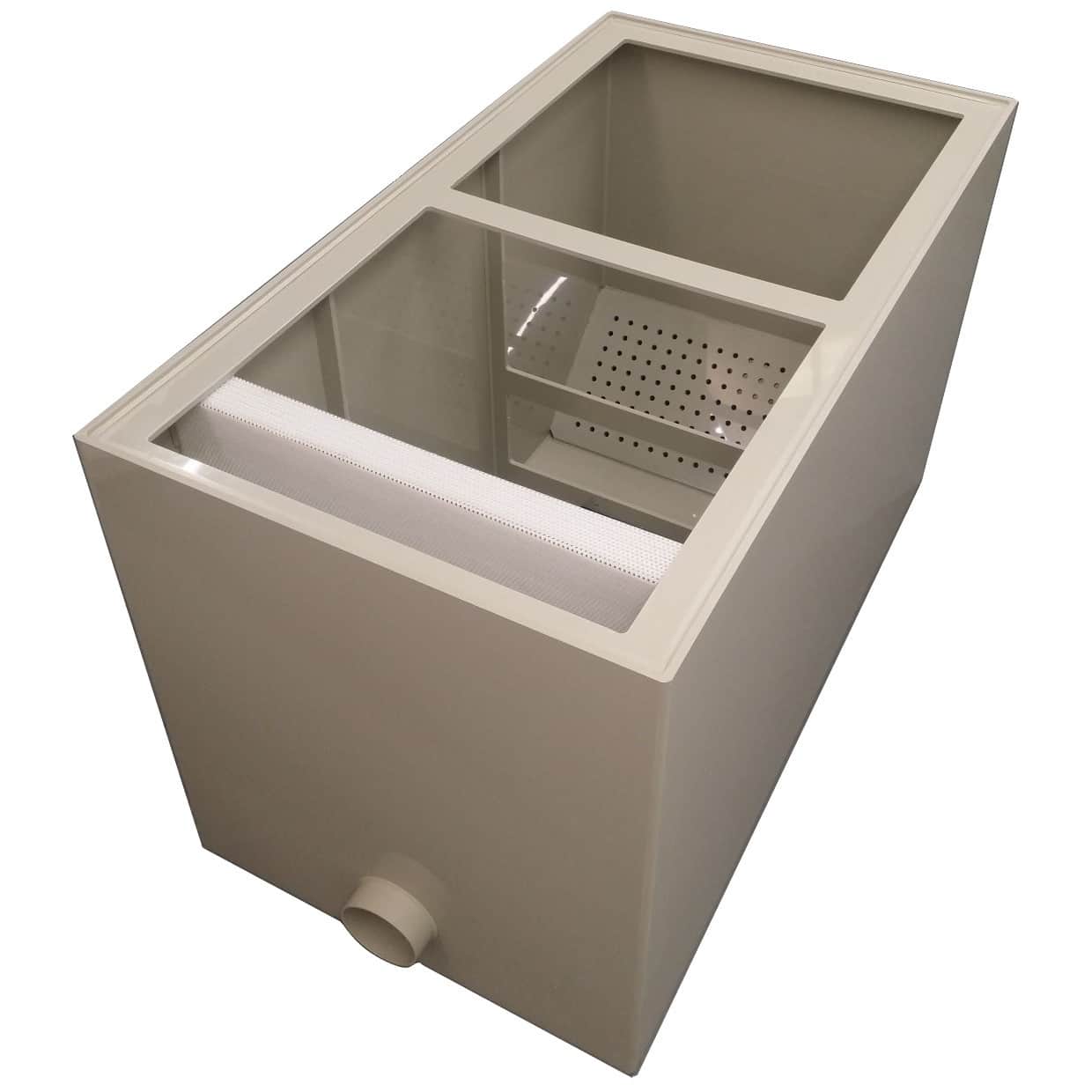
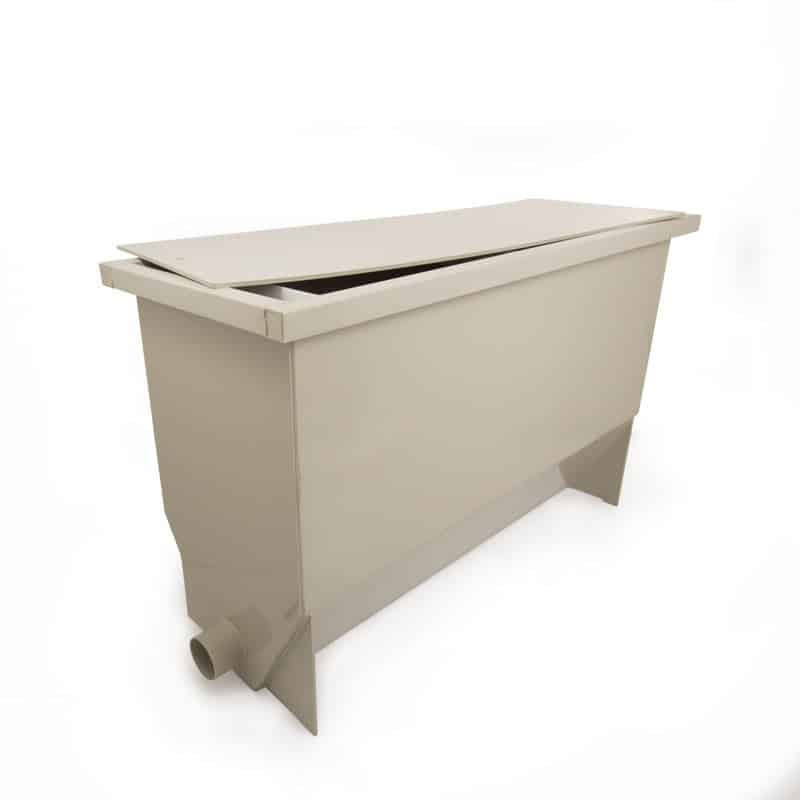
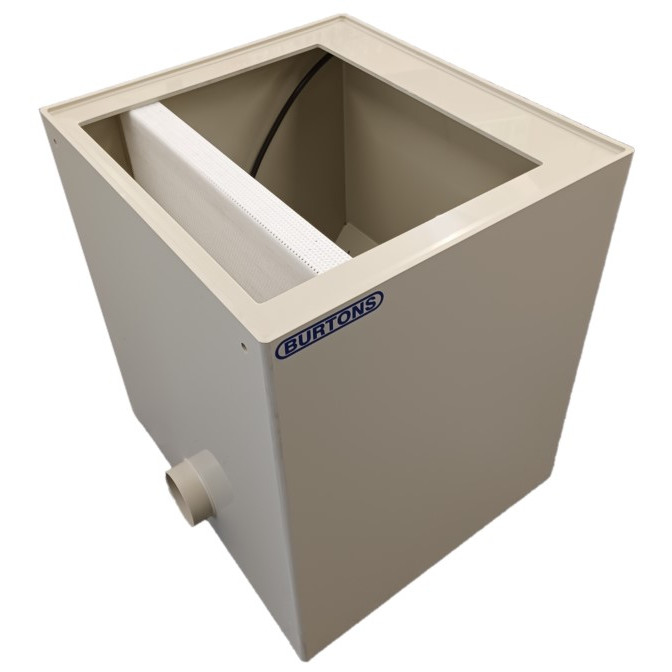
A bio chamber is a single filtration chamber designed specifically for biological filtration.
Multi bay filters contain several chambers performing different filtration functions such as mechanical filtration, biological filtration and polishing stages. One or more of these bays usually acts as the biological filtration chamber.
Can bio chambers improve pond ecosystem balance?
Yes, biological filtration plays a key role in maintaining balanced pond ecosystems.
By converting harmful waste compounds into less toxic forms, beneficial bacteria help stabilise water chemistry and support healthy aquatic life.
Do bio chambers help reduce fish stress?
Stable water quality is essential for reducing stress in fish.
When ammonia and nitrite levels are controlled through effective biological filtration, fish experience healthier conditions with lower stress levels.
Can bio chambers be expanded later?
Many biological filtration systems can be expanded by adding additional chambers or increasing the amount of filtration media.
Expanding biological filtration capacity is often recommended as fish grow or stocking levels increase.
Why is biological filtration considered the heart of pond filtration?
Biological filtration is responsible for processing the invisible waste compounds that accumulate in pond water.
Without beneficial bacteria to break down ammonia and nitrite, water quality would quickly deteriorate. Bio chambers provide the environment where these bacteria grow and maintain stable pond conditions.