





Pond Plants
UK grown pond plants suitable for every pond, helping keep your pond clear, healthy, and naturally balanced.
Creating a healthy, balanced pond starts with the right selection of pond plants. Whether you have a small garden pond, a wildlife pond, or a large koi pond, adding the correct mix of aquatic plants will improve water quality, reduce algae, and create a natural, thriving ecosystem.
At That Pond Guy, we supply a carefully selected range of high quality pond plants suitable for all pond types and depths. All of our plants are UK grown by trusted local growers, ensuring strong, healthy stock that is well suited to UK conditions and establishes quickly once placed into your pond.
From oxygenating plants that can help keep your water clear, to marginal plants that soften pond edges, and floating plants that provide shade and protection for fish, every plant plays an important role in your pond’s health.
All of our plants are chosen based on real world performance, not just appearance. These are plants that we know work well in UK ponds and will help you achieve long term results.
Why Pond Plants Are Essential
Pond plants are not just decorative, they are a key part of maintaining a clean and healthy pond environment.
They help to:
- Absorb excess nutrients that would otherwise feed algae
- Improve water clarity naturally
- Provide shelter and protection for fish and wildlife
- Increase oxygen levels in the water
- Create a more natural and balanced ecosystem
Without plants, ponds can quickly become unbalanced, leading to green water, blanketweed, and poor water quality.
Types of Pond Plants Available
Choosing the right combination of plants is essential for a well balanced pond. We supply a full range of aquatic plants, each suited to different areas of your pond.
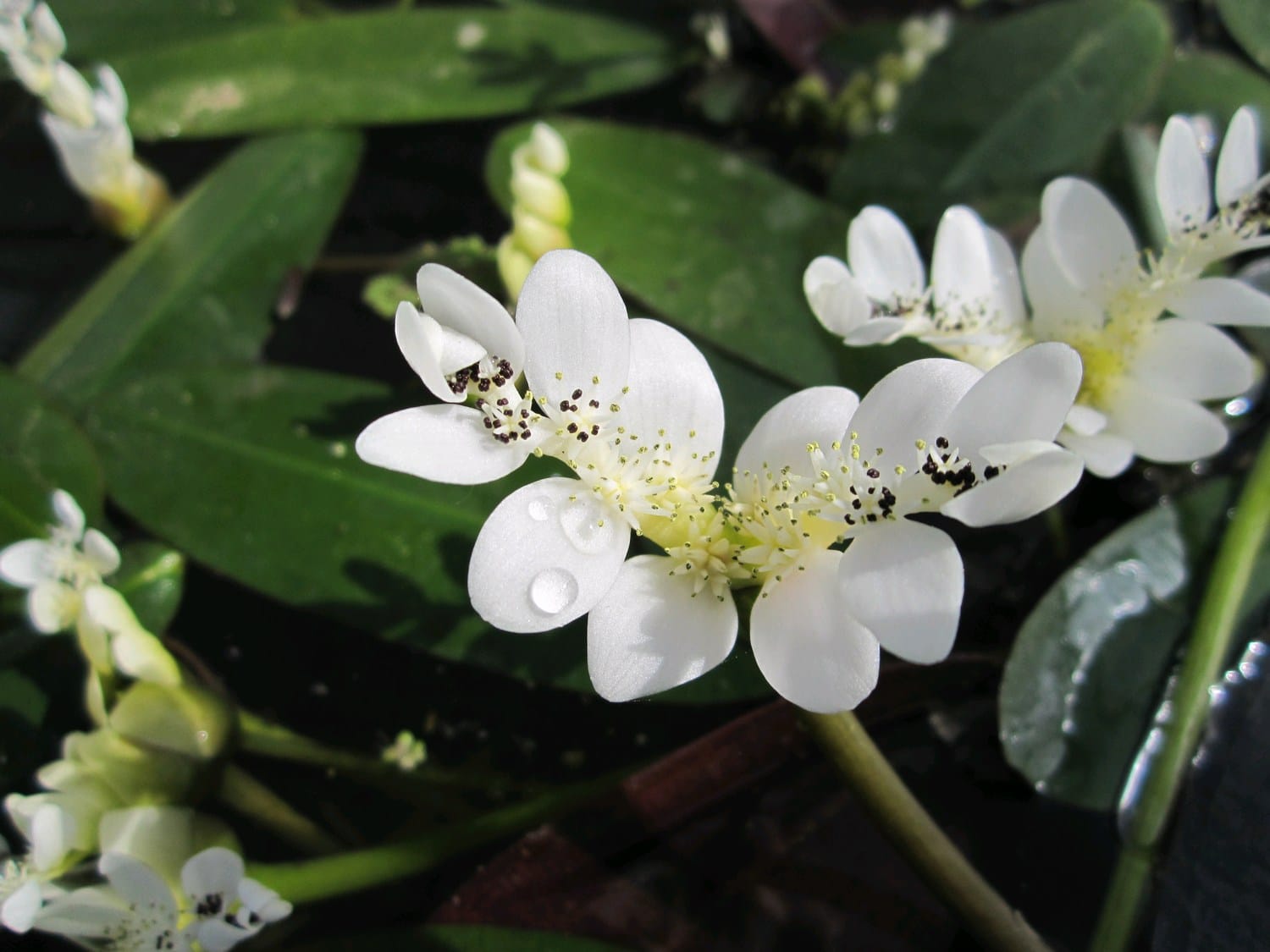
Oxygenating Plants
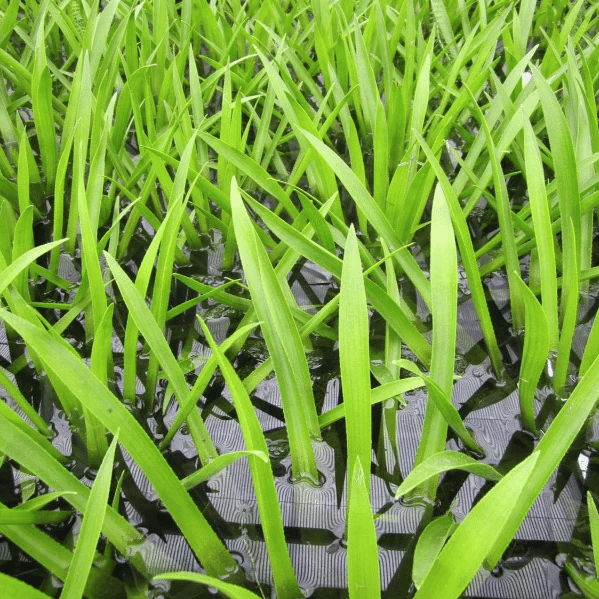
Oxygenating plants are vital for maintaining clear and healthy water. These plants grow beneath the surface and release oxygen during daylight hours, helping to support fish and beneficial bacteria.
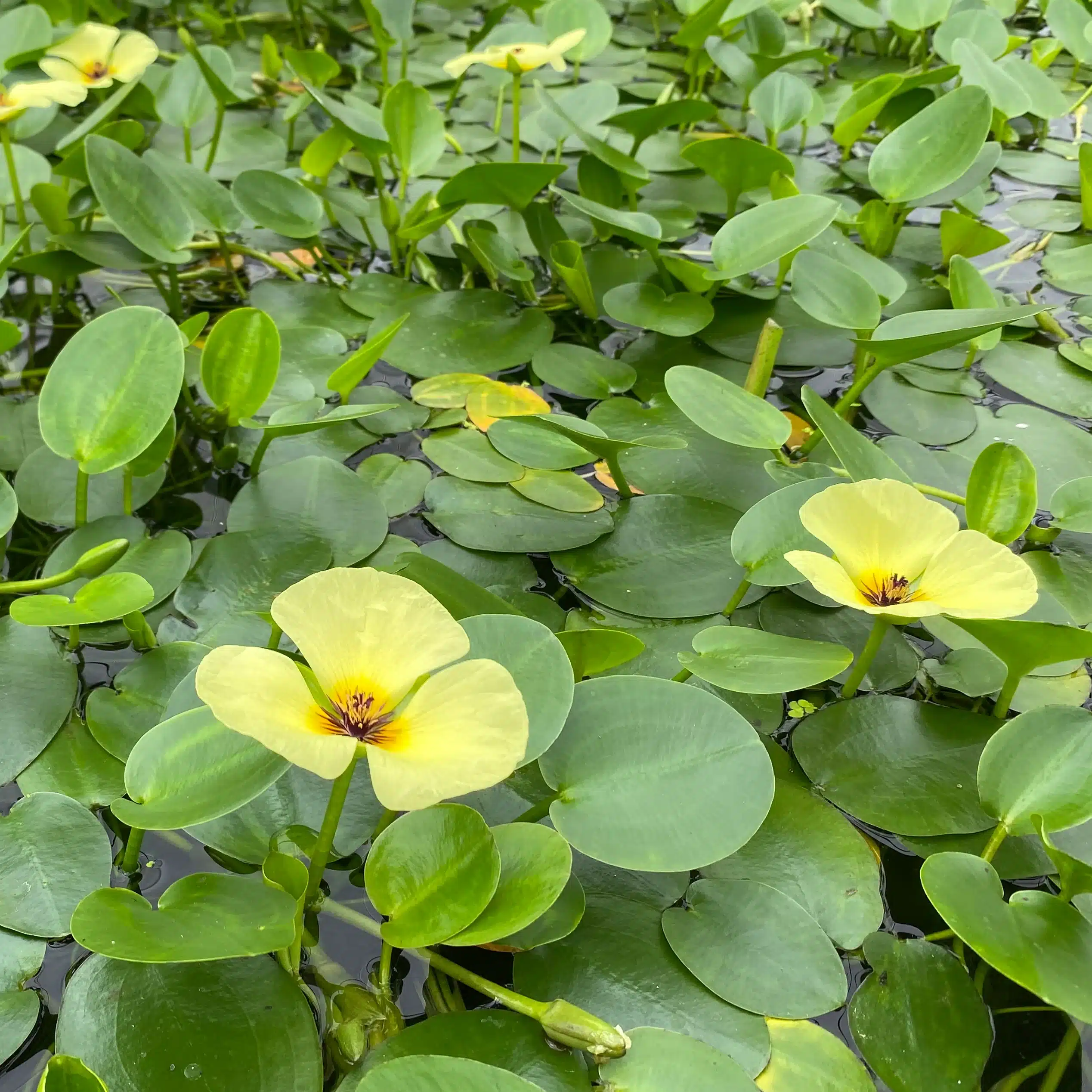
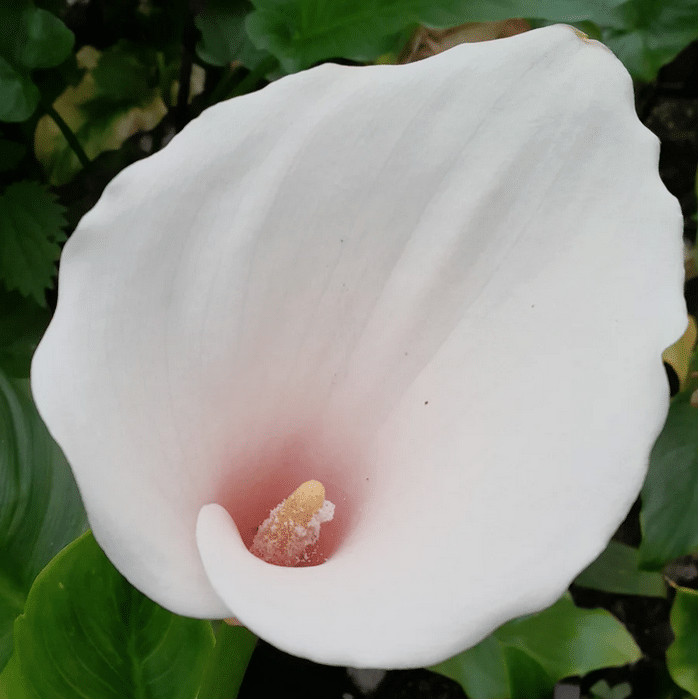
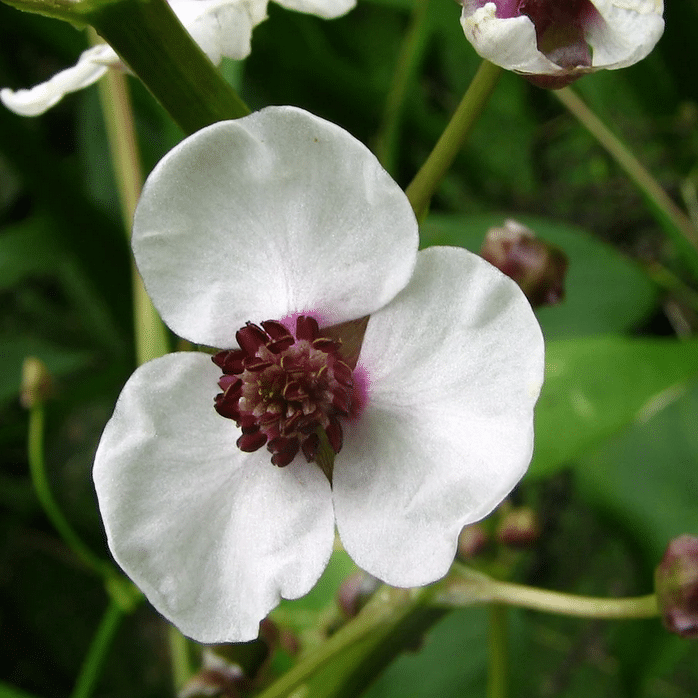
Marginal Pond Plants
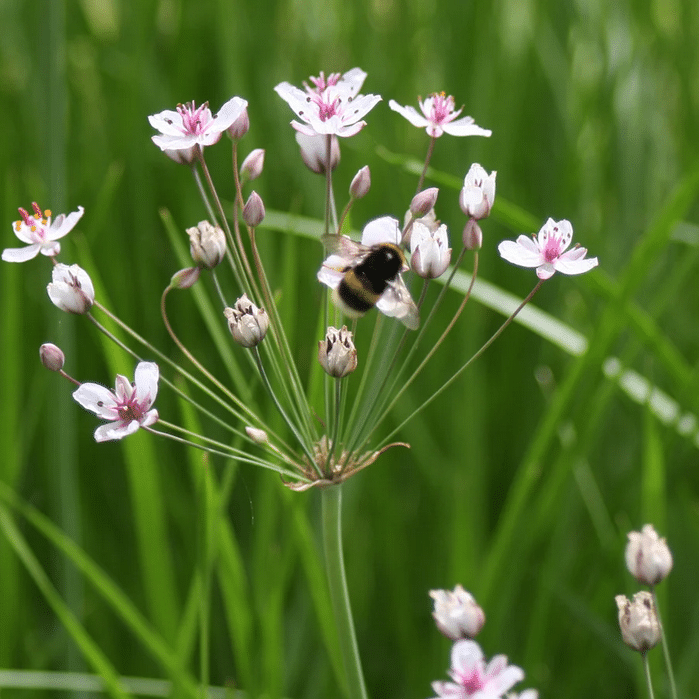
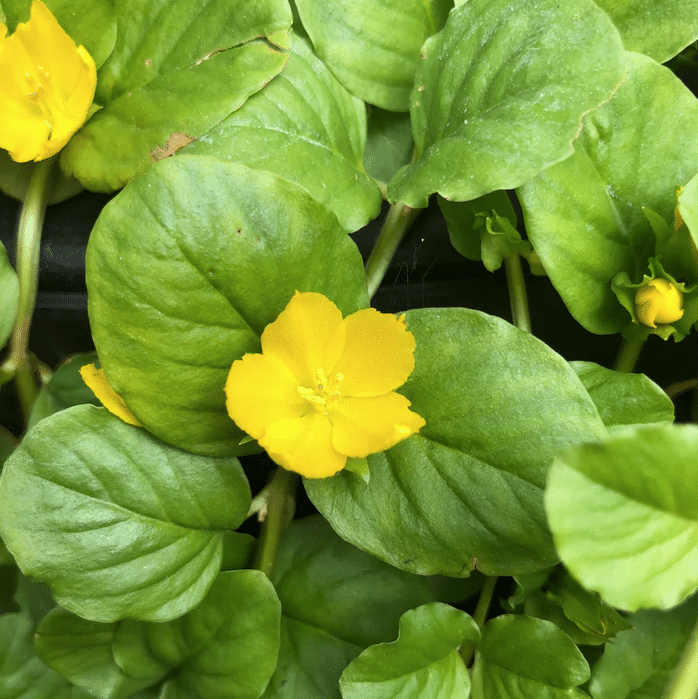
Marginal plants grow around the edges of your pond in shallow water. They are perfect for softening hard edges and creating a natural transition between your pond and garden.
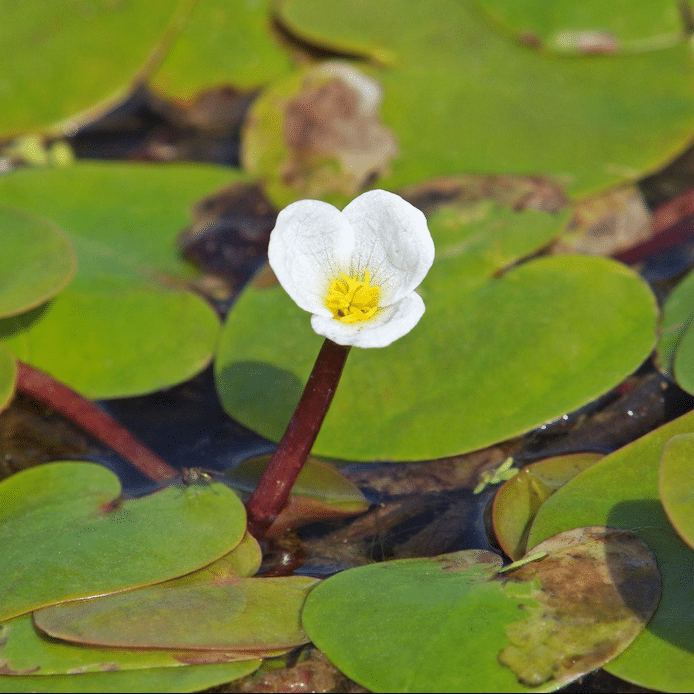
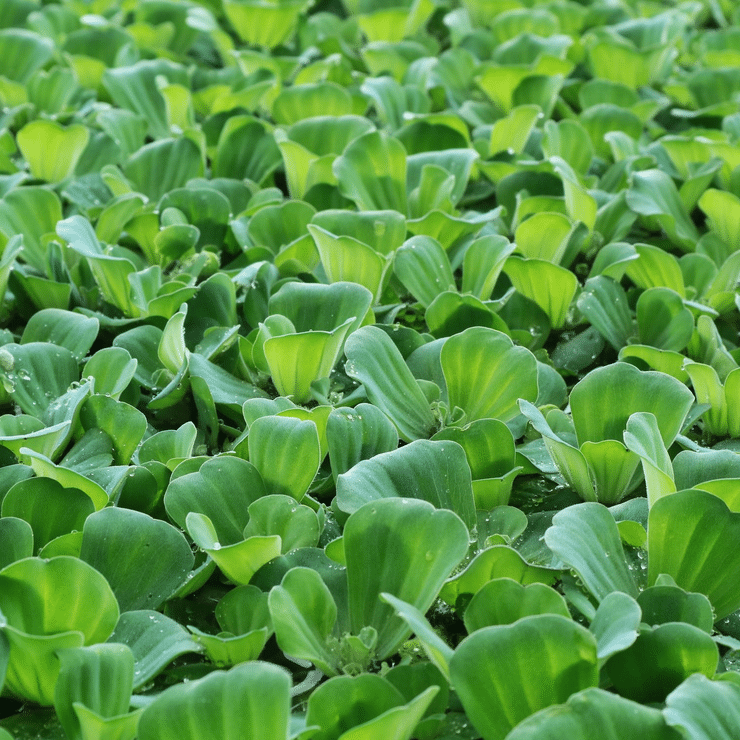
Floating Pond Plants
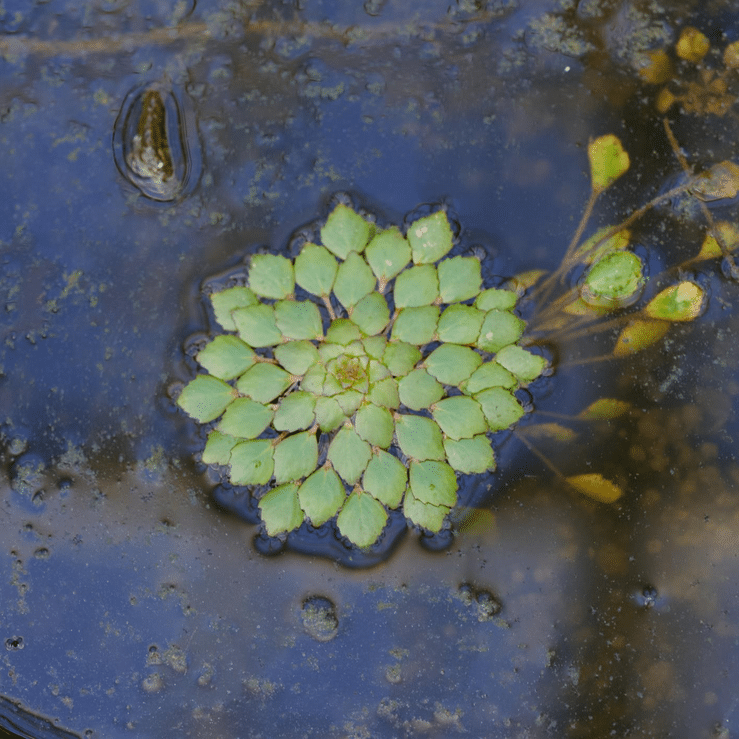
Floating plants sit on the surface of the water and provide valuable shade. This helps to reduce sunlight penetration, which in turn limits algae growth.
Deep Water Pond Plants
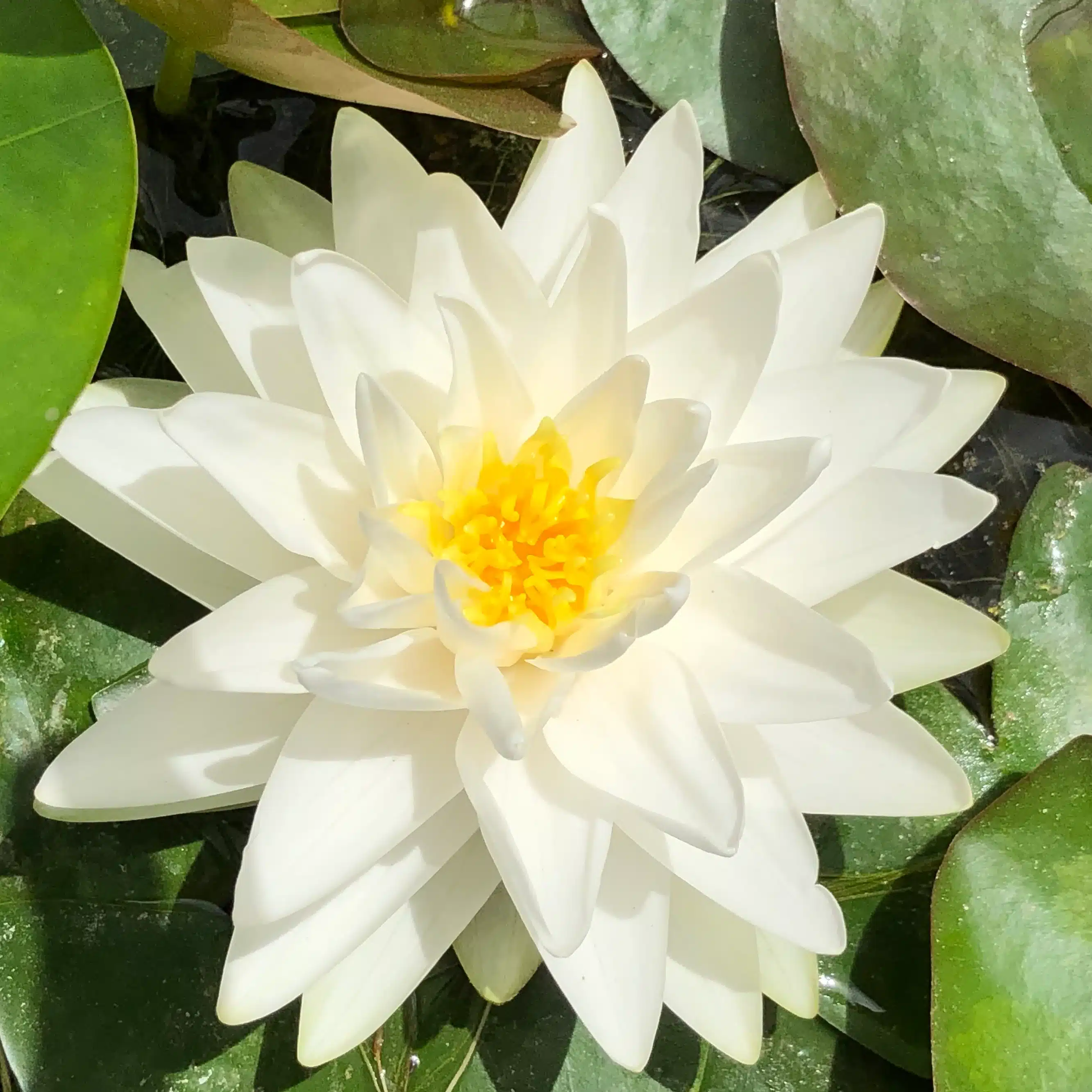
Deep water plants, such as water lilies, grow from the base of the pond and spread across the surface. These are often the focal point of a pond, producing beautiful flowers while also helping to shade the water.
Choosing the Right Pond Plants
When selecting pond plants, it is important to consider:
- Pond depth
- Sunlight exposure
- Fish stocking levels
- Desired appearance and maintenance level
A balanced mix of oxygenating, marginal, floating, and deep water plants will give you the best results. This combination helps create a stable, natural environment that supports clear water and healthy fish.
Every plant we supply includes detailed information on its ideal placement within the pond. This covers the recommended planting depth, positioning, and growing conditions, so you can be confident you are putting each plant in the right place. Whether it is a marginal plant for the pond edge or a deep water plant like a water lily, all of the guidance is clearly outlined on each product page.
Supplied Ready to Go
All of our pond plants are supplied ready for immediate placement into your pond, but as living plants they are naturally seasonal and become available at different times throughout the year.
We only send plants out when they are looking their best and are strong enough to establish quickly once planted. This means that when you place an order, some items may not be dispatched straight away if they are not quite ready. Rather than sending out weak or immature plants, we prioritise quality so you receive plants that will thrive in your pond.
If there is a delay with any part of your order, you will be kept fully up to date. We will let you know when your plants are ready and confirm once they are on their way to you. In many cases, we aim to send plants together where possible, but during peak season or early in the year, some plants may be dispatched separately to ensure they arrive in the best possible condition.
Once delivered, your plants will be ready to place straight into the correct depth zone in your pond, allowing them to settle in naturally and begin growing straight away.
UK Wide Delivery
We offer reliable UK delivery on all pond plants, with careful packaging to protect them during transit. Plants are selected and dispatched at the right time to ensure quality and successful establishment in your pond.
During early season, some plants may take slightly longer to dispatch as we prioritise quality and maturity.
Why Choose That Pond Guy
Choosing the right pond plants is just as important as choosing the right filtration or equipment. With That Pond Guy, you are getting plants backed by real, hands on pond experience and advice that works in UK conditions.
All of our pond plants are UK grown by trusted local growers and selected for their health, strength, and reliability. We only supply plants that establish well and perform properly once introduced into your pond.
Every plant is supplied ready to go, with clear guidance on where it should be placed, making the process simple whether you are new to ponds or more experienced.
If you are unsure what your pond needs, we are always happy to help. Whether you are looking to improve water clarity, reduce algae, or create a more natural look, we can point you in the right direction.
With reliable UK delivery, carefully packaged plants, and ongoing support if you need it, you can order with confidence knowing you are getting plants that are chosen and supplied by pond specialists.
Pond Plants Frequently Asked Questions
Why are pond plants important?
Pond plants are essential for creating a healthy and balanced pond. They absorb excess nutrients that would otherwise feed algae, help shade the water, and provide shelter for fish and wildlife. Without plants, ponds can quickly become unstable, leading to poor water quality and increased maintenance.
Do pond plants help keep water clear?
Yes, pond plants play a key role in improving water clarity. By absorbing nutrients and reducing sunlight penetration, they help limit algae growth. While they are not a complete solution on their own, they are a crucial part of maintaining clear and healthy water.
What are the main types of pond plants?
Pond plants are generally grouped into four categories: oxygenating plants, marginal plants, floating plants, and deep water plants such as water lilies. Each type serves a different purpose and works best in specific areas of the pond.
How many pond plants do I need?
As a general guide, around 50 to 70 percent of your pond surface should be covered by plants. This includes a mix of floating plants and deep water plants to provide shade, along with marginals and oxygenators to balance the ecosystem.
Can you have too many pond plants?
Yes, too many plants can restrict water movement, reduce oxygen levels at night, and make maintenance difficult. The key is balance. A well planted pond should still have open areas of water for fish movement and circulation.
What are oxygenating pond plants?
Oxygenating plants are submerged plants that grow beneath the surface of the water. They release oxygen during daylight hours and help support beneficial bacteria that break down waste, making them important for water quality.
Do oxygenating plants really add oxygen to the pond?
They do contribute oxygen during the day through photosynthesis, but their biggest benefit is nutrient absorption and supporting biological balance. Aeration systems are still recommended for ponds with fish, especially koi ponds.
What are marginal pond plants?
Marginal plants grow in shallow water, typically on shelves around the edge of the pond. They help soften the pond’s appearance, provide habitat for wildlife, and assist with nutrient uptake.
What are floating pond plants?
Floating plants sit on the surface of the water without being rooted in the soil. They provide shade, reduce sunlight penetration, and help limit algae growth while offering protection for fish.
What are deep water pond plants?
Deep water plants are rooted at the bottom of the pond, with leaves and flowers that float on the surface. Water lilies are the most well known example and are excellent for shading and visual impact.
Are water lilies good for ponds?
Water lilies are one of the best plants you can add to a pond. They provide shade, reduce algae growth, and produce attractive flowers. They are especially useful in larger ponds where surface coverage is needed.
Do pond plants help reduce algae?
Yes, pond plants help reduce algae by competing for nutrients and limiting sunlight. A well planted pond is far less likely to suffer from severe algae problems compared to a pond with little or no planting.
Can pond plants replace a filter?
No, pond plants cannot replace a filter in most ponds, especially those with fish. They support natural filtration but should be used alongside proper mechanical and biological filtration systems.
Are pond plants safe for fish?
Most common pond plants are completely safe for fish and can even improve their environment by providing shelter and shade. Some fish may nibble on plants, especially koi, but this is normal behaviour.
Do koi eat pond plants?
Yes, koi are known to eat and disturb pond plants. This can make planting more challenging, so plants may need to be protected or carefully selected when keeping koi.
When is the best time to add pond plants?
Spring and early summer are the best times to add pond plants, as they have the full growing season to establish. However, many plants can be added later in the year depending on conditions.
Can I add pond plants in winter?
It is possible to add certain hardy plants in winter, but growth will be very limited. Most planting is best done during the warmer months when plants can establish more quickly.
Do pond plants come ready to place in the pond?
Yes, our pond plants are supplied ready to go. They are prepared so you can place them straight into the correct depth in your pond without any complicated setup.
How do I know where to place each pond plant?
Each plant comes with clear guidance on its ideal placement, including recommended depth and positioning. Following this ensures the plant establishes properly and performs as expected.
Are pond plants seasonal?
Yes, pond plants are seasonal and become available at different times throughout the year. We only dispatch plants when they are looking their best and ready to establish properly.
How long do pond plants take to establish?
Most pond plants will begin to establish within a few weeks, but full establishment can take a full growing season. Warmer water temperatures in spring and summer help plants root and grow more quickly, while early season planting may take a little longer to show visible growth.
Why are my pond plants not growing?
There are several possible reasons including incorrect planting depth, lack of sunlight, poor water quality, or being added too early in the season. In some cases, fish such as koi may also disturb or eat plants. Checking placement and conditions is usually the first step to resolving the issue.
Do pond plants need soil?
Yes, most pond plants benefit from being planted in aquatic soil or heavy clay based compost. This provides stability and nutrients for root development. Floating plants are the exception, as they do not require planting.
Can I use normal compost for pond plants?
It is not recommended to use standard garden compost in ponds. It can break down too quickly, cloud the water, and release excess nutrients. Aquatic compost or heavy loam is the best option as it stays compact and stable underwater.
Should pond plants be planted in baskets?
Planting baskets are commonly used as they make it easier to position plants at the correct depth and control their spread. They also allow you to move plants if needed and help prevent them from taking over the pond.
Do pond plants need feeding?
In most cases, pond plants will absorb enough nutrients directly from the water. However, in very clean or newly filled ponds, some plants such as water lilies may benefit from aquatic fertiliser tablets during the growing season.
How deep should pond plants be planted?
This depends on the type of plant. Marginal plants are typically placed in shallow water, often between 0 and 150 mm deep, while deep water plants like water lilies can be placed much deeper. Each plant will have its own recommended depth range.
Can pond plants survive in full sun?
Most pond plants thrive in full sun and will grow more vigorously with good light levels. However, some plants prefer partial shade, so it is important to check the requirements for each species.
Can pond plants grow in shade?
Some pond plants will tolerate partial shade, but growth may be slower and flowering may be reduced. If your pond is heavily shaded, it is best to choose species that are known to perform well in lower light conditions.
Do pond plants die back in winter?
Yes, many pond plants naturally die back in winter as part of their lifecycle. This is completely normal. Most hardy plants will regrow in spring once temperatures begin to rise again.
Should I cut back pond plants in winter?
Cutting back dead or dying foliage in autumn or early winter helps prevent excess organic matter from building up in the pond. This reduces sludge and helps maintain better water quality.
How do I maintain pond plants?
Maintenance is generally simple and includes removing dead leaves, trimming overgrowth, and occasionally dividing plants that have become too large. Regular checks help keep the pond looking tidy and prevent plants from becoming invasive.
Do pond plants spread?
Yes, many pond plants will naturally spread over time. This is beneficial for coverage but may require occasional control to prevent overcrowding. Planting baskets can help manage this more easily.
Can pond plants become invasive?
Some species can spread aggressively if left unchecked. This is why it is important to choose suitable plants and manage their growth through trimming or dividing when needed.
How do I stop pond plants taking over?
Regular maintenance is key. This includes trimming back growth, dividing plants, and removing excess coverage. Keeping a balanced mix of plants prevents any one type from dominating the pond.
Do pond plants attract wildlife?
Yes, pond plants are excellent for attracting wildlife. They provide shelter, breeding areas, and food sources for insects, amphibians, and birds, helping to create a thriving natural ecosystem.
Are pond plants good for frogs and newts?
Pond plants are very beneficial for frogs, newts, and other amphibians. They provide protection from predators, resting areas, and surfaces for spawning, making your pond more wildlife friendly.
Do pond plants help oxygen levels in the pond?
Yes, particularly oxygenating plants, which release oxygen during daylight hours. However, for ponds with fish, especially koi, additional aeration is still recommended for consistent oxygen levels.
Will pond plants help reduce blanketweed?
Pond plants can help reduce blanketweed by competing for nutrients and limiting sunlight. While they will not eliminate it completely, they are an important part of long term control.
Can I mix different types of pond plants?
Yes, and it is strongly recommended. A mix of oxygenating, marginal, floating, and deep water plants creates a balanced pond that is easier to maintain and more visually appealing.
What pond plants are best for beginners?
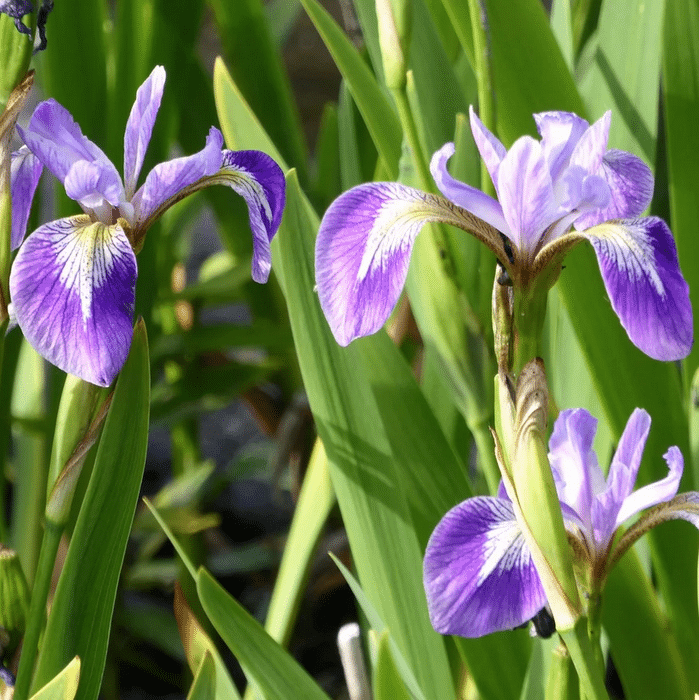
For beginners, hardy and low maintenance plants are the best choice. Marginal plants like iris and carex, along with water lilies and a few oxygenating plants, are easy to establish and provide a good balance without needing much ongoing care.
What are the easiest pond plants to grow?
Water lilies, marginal plants, and many oxygenating plants are among the easiest to grow. Once placed correctly, they require very little attention and will establish naturally over time.
Which pond plants grow the fastest?
Oxygenating plants and some marginal plants tend to grow quickly, especially during warmer months. Floating plants can also spread rapidly, which makes them effective for fast coverage but may require occasional control.
What pond plants are best for small ponds?
Smaller, compact varieties are ideal for small ponds. Dwarf water lilies, smaller marginal plants, and controlled amounts of oxygenating plants work well without overwhelming the space.
What pond plants are best for large ponds?
Larger ponds benefit from a wide mix of plant types. Larger water lilies, strong marginal planting, and a good volume of oxygenating plants help create balance and provide coverage across the pond.
Can I add pond plants to a new pond straight away?
Yes, adding plants early is a great way to help stabilise a new pond. Plants begin absorbing nutrients straight away, which can help reduce the chances of early algae problems.
How soon after filling a pond can I add plants?
Plants can usually be added as soon as the pond is filled, as long as the water is clean and free from contaminants such as chlorine. In some cases, it is best to treat or leave tap water to settle before adding plants.
Do I need to wash pond plants before adding them?
Generally, pond plants are supplied clean and ready to use. There is no need for excessive washing, but a quick rinse can help remove any loose debris if needed.
Can I move pond plants once they are placed?
Yes, pond plants can be repositioned if needed. Using planting baskets makes this much easier, allowing you to adjust depth and placement until you find the best position.
Why are my pond plant leaves turning yellow?
Yellowing leaves can be caused by nutrient deficiencies, incorrect planting depth, or seasonal dieback. It is often normal for older leaves to fade as new growth develops.
Why are my pond plants floating or coming loose?
This usually happens if plants are not properly anchored or planted securely. Using baskets with aquatic soil and a layer of gravel on top helps keep them in place.
Can pond plants survive without fish?
Yes, pond plants do not require fish to survive. In fact, many plants will grow very well in wildlife ponds without fish, as there is less disturbance and grazing.
Are pond plants suitable for wildlife ponds?
Pond plants are essential for wildlife ponds. They create habitat, provide shelter, and support insects, amphibians, and other wildlife, making the pond far more ecologically valuable.
What pond plants attract pollinators?
Flowering marginal plants and water lilies are particularly good for attracting pollinators such as bees and insects. These plants add both visual appeal and ecological value.
Can I plant pond plants directly into the pond base?
Yes, some ponds allow for direct planting into the base, particularly natural or soil bottom ponds. However, baskets are usually recommended for better control and easier maintenance.
Do pond plants need gravel on top?
Adding a layer of gravel on top of the soil helps prevent it from washing away and can also stop fish from disturbing the plant roots. It is a simple but effective step.
How do I transport pond plants safely?
Pond plants should be kept moist and protected during transport. When ordered online, they are carefully packaged to ensure they arrive in good condition and ready to plant.
How are pond plants packaged for delivery?
Plants are typically wrapped to retain moisture and protected within sturdy packaging to prevent damage during transit. This ensures they arrive healthy and ready to use.
Can pond plants be delivered all year round?
Pond plants are seasonal, so availability depends on the time of year. They are only dispatched when they are in good condition and ready to establish properly.
Why might my order be delayed?
Delays can happen if certain plants are not yet ready to be sent out. This is done to ensure you receive strong, healthy plants rather than weaker early growth that may struggle to establish.
Why is my pond still green even with plants?
Green water is usually caused by suspended algae, which often needs a UV clarifier to fully control. Pond plants help by reducing nutrients and shading the water, but on their own they may not completely clear an established algae bloom.
Can pond plants fix poor water quality?
Pond plants help improve water quality by absorbing nutrients and supporting a natural balance, but they are not a complete fix. Filtration, aeration, and regular maintenance are still important, especially in ponds with fish.
How do pond plants compete with algae?
Pond plants absorb the same nutrients that algae relies on to grow. By reducing the availability of these nutrients and limiting sunlight, plants make it harder for algae to thrive.
Do pond plants reduce ammonia and nitrite?
Yes, pond plants can absorb small amounts of ammonia and other nutrients, helping to support the biological balance of the pond. However, they should not replace proper filtration, which is essential for handling fish waste.
Can pond plants help reduce sludge?
Pond plants can help reduce the build up of organic waste over time by improving overall pond balance. However, sludge removal usually still requires manual cleaning or the use of beneficial bacteria treatments.
Do pond plants help cool the pond in summer?
Yes, surface coverage from floating plants and water lilies helps shade the water, which can reduce temperature fluctuations and make conditions more stable for fish.
What pond plants are best for algae control?
A combination of water lilies for shade, floating plants for surface coverage, and oxygenating plants for nutrient uptake provides the best natural defence against algae.
How much of my pond should be covered by plants?
A good guideline is around 50 to 70 percent surface coverage. This helps reduce sunlight and stabilise the pond while still leaving open water for movement and viewing.
What happens if there are no plants in a pond?
Without plants, ponds are more likely to suffer from algae growth, poor water quality, and lack of habitat for wildlife. They also tend to require more maintenance and intervention.
Can pond plants survive in moving water?
Some pond plants can tolerate gentle water movement, but strong flow can damage or displace them. It is important to place plants in areas where they are protected from excessive current.
Are pond plants suitable for formal ponds?
Yes, pond plants can be used in formal ponds, although they are often selected more carefully to maintain a clean and structured appearance. Baskets and controlled planting are especially useful in these setups.
Can pond plants damage liners?
Most pond plants are safe for liners when planted correctly in baskets. However, some aggressive species can spread if planted directly into the base, so controlled planting is recommended.
Do pond plants need sunlight to survive?
Yes, most pond plants require sunlight to grow and remain healthy. Reduced light levels will slow growth and may limit flowering in some species.
How do I protect pond plants from koi?
Koi can disturb or eat plants, so protection may be needed. This can include using planting baskets, covering soil with gravel, or placing plants in areas less accessible to fish.
Can I grow pond plants in a pond without a shelf?
Yes, plants can still be used in ponds without shelves by using planting baskets raised to the correct height. This allows you to control depth even in deeper ponds.
What pond plants are best for koi ponds?
Strong, well rooted plants such as water lilies and robust marginals tend to perform best. Oxygenating plants can also be used, although they may need protection from grazing.
Why do my pond plants keep getting eaten?
Fish such as koi and goldfish may feed on plants, especially softer varieties. This is natural behaviour, but it may require selecting tougher plants or adding protection.
Can pond plants survive in winter frost?
Most hardy pond plants are well adapted to UK winters and will survive frost. They typically die back above water but regrow once temperatures rise again.
Should I remove pond plants in winter?
Most plants can remain in the pond over winter. Removing dead foliage is beneficial, but the roots can stay in place ready for regrowth in spring.
Do pond plants need repotting?
Over time, some pond plants may outgrow their containers and benefit from repotting or dividing. This helps maintain healthy growth and prevents overcrowding.
How do I choose the right pond plants for my pond?
Start by looking at your pond depth, sunlight levels, and whether you have fish. Then aim for a balanced mix of oxygenating, marginal, floating, and deep water plants. This gives you the best chance of achieving clear, healthy water and a natural look.
What is the best mix of pond plants?
A well balanced pond typically includes oxygenating plants for water quality, marginal plants for structure and wildlife, floating plants for shade, and deep water plants like water lilies for coverage and visual impact.
What mistakes should I avoid when planting a pond?
Common mistakes include planting too deeply or too shallow, using the wrong type of compost, adding too many plants at once, or not considering fish that may disturb them. Following the planting guidance for each plant avoids most issues.
Can I plant my pond all at once?
Yes, you can plant your pond in one go, but it is often better to build up gradually. This allows you to see how the pond responds and adjust planting levels over time.
How long before pond plants start working?
Pond plants begin absorbing nutrients almost immediately, but visible results such as improved clarity or growth will take a few weeks to develop, depending on conditions.
Do pond plants need maintenance throughout the year?
Pond plants are generally low maintenance, but they do benefit from occasional trimming, removing dead foliage, and dividing when they become too large.
Should I remove dead leaves from pond plants?
Yes, removing dead or decaying leaves helps prevent organic waste building up in the pond, which can contribute to sludge and poor water quality.
Can I leave pond plants unattended?
While pond plants are relatively low maintenance, leaving them completely unattended for long periods can lead to overgrowth or imbalance. Occasional checks are recommended.
What happens if pond plants are planted too deep?
If planted too deep, some plants may struggle to reach the surface or receive enough light, leading to poor growth or failure to establish.
What happens if pond plants are too shallow?
Plants placed too shallow may dry out, become unstable, or fail to grow properly if they are not suited to that depth.
Can I mix pond plants with gravel bottoms?
Yes, but plants are usually best contained in baskets even in gravel bottom ponds. This helps control growth and makes maintenance easier.
Are pond plants suitable for raised ponds?
Yes, pond plants can be used in raised ponds as long as correct planting depths are achieved using shelves or raised baskets.
Can I use pond plants in a wildlife pond without filtration?
Yes, pond plants are essential in wildlife ponds and often form the main method of maintaining balance, alongside natural processes.
Do pond plants need chemicals or treatments?
No, pond plants do not require chemical treatments. In fact, a well planted pond often reduces the need for additional treatments by maintaining natural balance.
How do I stop pond plants from dying after planting?
Ensure correct depth, adequate sunlight, and proper planting methods. Avoid disturbing the plants too much after placing them, and allow time for them to establish.
Why are my pond plants not flowering?
Lack of sunlight, incorrect depth, or early stage establishment are common reasons. Some plants also take time to mature before producing flowers.
Can I buy pond plants online safely?
Yes, as long as they are supplied by a trusted source. Plants should be well packaged, healthy, and dispatched at the right time of year to ensure they arrive in good condition.
What should I look for when buying pond plants?
Look for strong, healthy plants with good root systems, clear planting guidance, and suppliers who understand seasonal timing and proper dispatch conditions.
Are UK grown pond plants better?
UK grown pond plants are generally better suited to local conditions and tend to establish more reliably. They are already adapted to the climate, which improves success rates.
Why choose UK grown pond plants from a specialist?
Plants supplied by specialists are selected based on performance, not just appearance. This means you get plants that are more likely to thrive, improve water quality, and deliver long term results.
