





How to Maintain a Wildlife Pond: Expert Maintenance Tips for a Thriving Ecosystem
Wildlife ponds offer a peaceful retreat for people and a valuable habitat for local wildlife. Maintaining these ponds, however, requires a careful balance between human intervention and allowing natural processes to take their course. Unlike ornamental or koi ponds, wildlife ponds depend on minimal interference to support biodiversity. This guide provides in-depth wildlife pond maintenance tips and techniques to help you clean and maintain your wildlife pond effectively.
From assessing water quality to promoting habitat diversity, this guide will walk you through every step needed to support a balanced, thriving ecosystem in your pond. Plus, if you’re considering a natural swim pond, we’ll cover tips for creating a dual-purpose space for recreation and wildlife.
Assessing the Pond’s Current State
Regularly assessing the health of your wildlife pond is essential to understanding its specific needs and maintaining a balanced habitat. By conducting thorough checks on water quality, identifying any invasive species, and observing the health of plants and animals, you can ensure your pond remains a thriving ecosystem. A comprehensive assessment helps guide your maintenance approach, minimising unnecessary disruptions to wildlife and ensuring targeted, effective care.
Water Quality Check
Water quality is a critical component of any pond ecosystem, as imbalances in nutrient levels can have significant impacts on both plant and animal life. Wildlife ponds, which often receive natural runoff from rain or surrounding vegetation, are particularly susceptible to nutrient build-up. To monitor your pond’s water quality, use a reliable pond test kit to measure levels of ammonia, nitrate, nitrite, phosphate, oxygen, and pH. Each of these parameters plays a role in the pond’s overall health.
- Ammonia and Nitrite: Elevated ammonia and nitrite levels are often caused by decaying organic matter, fish waste, or excess feed. High levels of these compounds can be harmful to fish and other pond inhabitants. For guidance on maintaining safe levels, consult our Ammonia and Nitrite Management Guide.
- Nitrate and Phosphate: These nutrients are essential for plant growth but can lead to algae blooms if present in excessive amounts. Algae overgrowth can cause oxygen depletion, which stresses aquatic life. High nitrates may indicate excess organic matter breaking down in the pond, while phosphates can enter through decaying plants or runoff. Reducing these levels will help maintain clear, healthy water.
- pH and Oxygen Levels: Balanced pH levels and adequate oxygen are fundamental to supporting a diverse pond ecosystem. Many wildlife species are sensitive to shifts in pH, which can fluctuate with seasonal changes or rainwater input. Oxygen is essential for fish, plants, and beneficial bacteria, especially in warmer months when oxygen levels tend to drop. Our Water Hardness and pH Stability Guide provides tips on stabilising these elements for a balanced pond.
Record each water quality test to track changes over time, which can help you spot trends and make proactive adjustments before issues escalate.
Identifying Invasive Species
Invasive species, whether plants or animals, can destabilise the pond’s ecosystem by outcompeting native species for resources. Regularly inspect the pond for unfamiliar plants, fish, or other wildlife. Invasive plants such as parrot’s feather or water hyacinth can grow rapidly, crowding out native plants and reducing biodiversity. Similarly, non-native fish or amphibians can impact native populations by consuming food sources or altering the pond’s natural balance.
Removing invasive species promptly is essential to maintaining a balanced pond. If you notice unfamiliar plants or animals, research them to confirm their species, and if necessary, remove them carefully to avoid disturbing native life. Ensuring your pond only hosts native species helps support local biodiversity and keeps the ecosystem resilient.
Observing Plant and Animal Health
Healthy, vibrant plants and active pond life are indicators of a balanced and thriving ecosystem. Check the condition of both submerged and marginal plants regularly. Wilting leaves, discolouration, or stunted growth could signal issues such as poor water quality, nutrient deficiencies, or even disease. Addressing these signs early can prevent further decline and maintain a healthy habitat for wildlife.
When observing animal life, look for normal behaviour in fish, amphibians, insects, and other pond inhabitants. Inactive or sluggish wildlife, changes in appearance, or erratic behaviour could indicate environmental stress, often due to water quality issues, temperature fluctuations, or insufficient oxygen. Tadpoles, dragonflies, and other insects are especially sensitive to these conditions, so close monitoring during seasonal changes is crucial.
Tip: Document any changes in plant or animal health over time. This record will provide valuable insights into your pond’s seasonal cycles and help identify emerging issues.
Monitoring Algae and Sediment Levels
Algae blooms and sediment build-up are common concerns in wildlife ponds, especially during warmer months when nutrient levels are high. Moderate algae levels can benefit the ecosystem by providing food for certain species, but excessive growth can lead to oxygen depletion. Regularly check for algae and monitor its growth. If algae blooms become unmanageable, manual removal is preferred over chemical treatments, which may harm sensitive species. For more natural methods to control algae, refer to our Best Blanketweed Treatment Guide.
Sediment build-up from decaying leaves and other organic material can also affect water quality over time. While some sediment is beneficial as it provides habitat for insects and decomposers, excessive accumulation can increase nutrient levels and cloud the water. A periodic light vacuuming of the pond floor, especially in autumn, will help control sediment without disturbing too much of the pond bed, where many beneficial organisms reside.
Assessing Habitat Structure and Shelter
Assessing the structural elements of your pond, such as rocks, logs, and plant cover, is equally important for supporting diverse wildlife. Natural features around and within the pond, like submerged plants, marginal grasses, and rock piles, provide essential shelter for various life stages. Check that these features remain intact and undisturbed, as they offer breeding and hiding spots for fish, amphibians, and insects. For example, shallow areas with submerged plants are ideal for tadpoles, while rocks and logs near the pond’s edge can serve as basking spots for frogs, newts, and dragonflies.
By regularly assessing each of these factors, you create a complete picture of your pond’s current state, allowing you to make informed decisions and target your maintenance efforts effectively. This proactive approach not only addresses the pond’s immediate needs but also supports a stable, resilient ecosystem that can thrive year-round.

Testing Wildlife Pond Water Quality
Planning Your Cleaning Approach
Effective wildlife pond maintenance requires thoughtful planning to ensure that cleaning methods are minimally disruptive to the pond’s inhabitants and beneficial to the ecosystem. Timing, choosing the right equipment, and establishing a consistent maintenance routine are all crucial aspects of maintaining a healthy pond. Careful planning allows you to address potential issues while supporting a balanced, thriving environment for all forms of pond life.
Choosing the Right Season
Timing is essential in wildlife pond cleaning. Major cleaning should be done during periods when pond life is less active, making late autumn and early spring the best times. In late autumn, many pond species are entering a period of dormancy or preparing for winter, allowing you to clean up fallen leaves and excess plant matter without disturbing breeding cycles. Spring is ideal for removing winter debris and setting the pond up for the growing season, but it’s best to perform maintenance early in the season, before amphibians, insects, and plants begin their peak activity.
Avoid intensive cleaning during summer and winter. In summer, high temperatures can stress wildlife, and disrupting the pond can compound this stress. Furthermore, summer is a key breeding season for many species, so minimizing disturbance is essential. In winter, many creatures hibernate in the pond bed or within vegetation. Large-scale cleaning could disrupt their resting places and make them vulnerable to freezing temperatures.
Gathering Suitable Equipment
Having the right equipment allows you to clean effectively while being gentle on the pond’s ecosystem. Basic tools like a pond net or skimmer are essential for removing surface debris without disturbing the water column too much. Skimming the surface every couple of weeks prevents debris buildup and helps reduce nutrient overload from decaying matter. For deep cleaning, use a pond vacuum, which can remove sludge from the bottom. However, use it sparingly to avoid disrupting beneficial bacteria and microorganisms that play a vital role in nutrient cycling and water clarity.
For a professional-grade clean, you might consider using a pond vacuum with adjustable settings, which allows you to control the depth and strength of the suction. This can be particularly helpful if your pond has sensitive areas where wildlife might be hiding. Our Pond Cleaning Services provide specialised tools and expertise for thorough cleaning without compromising the health of your pond.
Creating a Regular Maintenance Schedule
Consistency is key to maintaining a healthy pond environment. Setting up a maintenance schedule ensures that your pond remains balanced and reduces the likelihood of unexpected issues. Light skimming of leaves and debris every couple of weeks keeps the water surface clear, while quarterly checks on water quality help you address potential imbalances early on. Seasonal deep cleaning sessions, ideally in spring and autumn, allow you to address accumulated debris and keep algae levels under control.
Maintaining a log of each maintenance session, including observations on water clarity, wildlife activity, and plant growth, will help you track changes in the pond over time. This record will guide future cleaning decisions, allowing you to adjust routines based on seasonal variations, water quality, or wildlife behaviour. Monitoring changes in the pond can also help you detect early signs of potential issues, such as nutrient buildup or invasive plant growth, so you can intervene promptly.
Understanding the Impact of Weather Patterns on Cleaning
Weather can significantly impact pond cleaning and maintenance routines. Extended periods of rain, for instance, may introduce additional nutrients and sediment into the pond, promoting algae growth. Conversely, dry spells can lower water levels, concentrating nutrients and stressing aquatic life. After heavy rain, consider skimming the surface for any debris washed into the pond, and check water quality to detect any imbalances. In drought conditions, monitor water levels and consider topping up with conditioned tap water if necessary.
Using Natural Cleaning Aids and Biological Support
In addition to physical cleaning, introducing beneficial bacteria or enzyme treatments can help naturally break down organic matter without disturbing the pond ecosystem. These treatments support the breakdown of organic debris and reduce nutrient buildup, preventing algae blooms. Regularly adding beneficial bacteria, especially in early spring, provides a biological boost that keeps the pond’s ecosystem balanced as plants and wildlife become more active.
Tailoring Cleaning Routines for Pond Type
If you have a natural swim pond or a pond designed with specific zones (such as shallow, marginal, or deep zones), adapt your cleaning methods to these unique features. For instance, shallow zones may be more susceptible to sediment accumulation and may need more frequent skimming. Deeper zones, however, are often home to overwintering wildlife, so it’s best to leave them undisturbed until spring. Understanding the structure and purpose of each zone will help you plan cleaning routines that support the pond’s functionality and biodiversity.
By carefully planning the cleaning approach and tailoring it to the pond’s seasonal needs and structure, you create a stable, healthy environment that thrives year-round while minimising stress on wildlife.
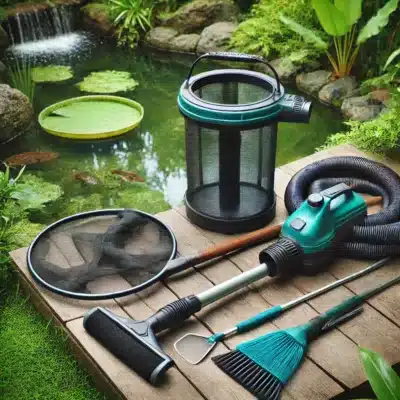
Wildlife Pond Cleaning Equipment
Step-by-Step Cleaning Process
A methodical cleaning process is essential for wildlife ponds, as it helps restore water clarity, control nutrients, and support a healthy habitat without disrupting the pond’s natural balance. Each step targets specific issues, such as algae control, plant management, and water quality, which collectively keep the pond environment stable and thriving.
Removing Algae and Surface Debris
Algae growth, if left unchecked, can quickly lead to oxygen depletion, especially in warm weather. Begin by clearing algae from the surface of the pond with a net or rake. Removing surface algae regularly prevents it from decaying and releasing nutrients back into the water, which could lead to further algae blooms. Use an algae brush or pond vacuum for submerged algae on the pond floor and around plants, but avoid disturbing the pond bed too much, as this may disrupt beneficial bacteria and wildlife.
When disposing of algae and other organic debris, take care to do so away from the pond to prevent nutrient runoff from returning to the water. Composting removed algae is an eco-friendly option, as it’s high in nitrogen and beneficial for soil. For advice on algae management and safe treatments, visit our Best Blanketweed Treatment Guide.
Tip: Avoid removing all algae, as a small amount can benefit pond ecosystems by providing oxygen during the day and serving as food for certain species. Maintaining a moderate balance is key.
Pruning and Managing Pond Plants
Pond plants are essential for a balanced ecosystem, but overgrowth can lead to nutrient buildup as plants decay, fueling algae growth. Prune dead or excess foliage to maintain a healthy amount of open water, allowing sunlight to penetrate and encouraging gas exchange. Aim to keep around 50% of the pond’s surface open, especially during warmer months, to reduce stagnant areas and support a diverse habitat.
When pruning, consider which plants are beneficial to keep. Oxygenating plants like hornwort and anacharis help maintain oxygen levels but can become invasive if left unchecked. Floating plants such as water lilies provide shade, stabilise water temperature, and reduce light exposure, which helps control algae. For recommendations on beneficial pond plants, refer to our Best Plants for Your Koi Pond Guide.
Tip: Trim plants gradually over a series of sessions rather than all at once, which reduces stress on the pond ecosystem and allows wildlife time to adjust.
Adjusting Water Levels and Testing Quality
Proper water levels are crucial for maintaining stability within the pond. Low water levels can reduce the habitat area for fish and amphibians, while high levels may increase the risk of flooding surrounding plants. Make gradual adjustments to water levels to prevent stress on pond inhabitants. When adding water, particularly from a tap, use a water conditioner to neutralise chlorine, as untreated tap water can disrupt the pond’s biological balance and harm sensitive species.
Regular water testing is essential, especially after water level adjustments, to detect imbalances in ammonia, nitrite, and pH levels. High ammonia and nitrite levels, often caused by decaying organic matter, can be harmful to wildlife. If your test results reveal high readings, consider adding beneficial bacteria to accelerate the breakdown of waste and improve water quality. Our Ammonia and Nitrite Management Guide offers further insights into keeping these levels in check.
Tip: Keep a log of your water testing results to track changes over time. This helps you spot trends and make proactive adjustments to maintain a stable pond environment.
Deep Cleaning the Pond Bottom (When Necessary)
Though deep cleaning isn’t required frequently, certain conditions may warrant it, such as excessive sludge buildup or nutrient overload from decaying leaves and plants. Using a pond vacuum, gently remove some of the sludge from the pond bottom without completely stripping away all organic material, as the pond bed hosts beneficial microorganisms vital for nutrient cycling. Only deep clean when necessary, ideally in late autumn or early spring, to avoid disturbing hibernating or breeding wildlife.
Tip: Leave some areas undisturbed when cleaning the pond bed to ensure beneficial bacteria and microorganisms continue supporting the pond’s ecosystem.
Rinsing and Cleaning Equipment Regularly
Keeping your pond maintenance tools clean prevents the introduction of contaminants and reduces the risk of spreading algae or invasive plants between ponds if you have multiple water features. Rinse nets, rakes, and vacuums with water before and after each use, and inspect them for any debris. Clean any mechanical components of filters, pumps, and aerators as well, following the manufacturer’s guidelines to ensure optimal function.
Scheduling Regular Maintenance
While larger cleaning tasks should be scheduled seasonally, regular light maintenance every two to three weeks is helpful for monitoring pond health and addressing small issues before they become larger problems. This includes skimming the surface for leaves and debris, testing water parameters, and observing pond inhabitants for signs of stress or illness. Tracking these routine tasks in a logbook will allow you to establish patterns and adjust your cleaning schedule to meet your pond’s specific needs.
By following a step-by-step cleaning process, you can effectively manage algae, maintain healthy plant growth, and keep water levels stable, all while preserving the natural balance of your wildlife pond.
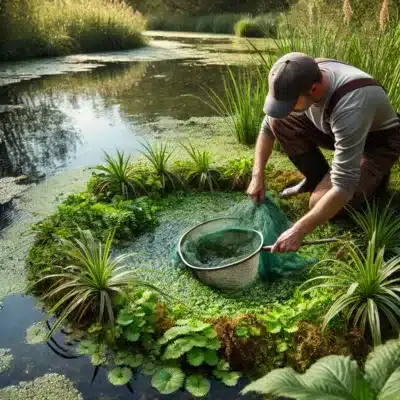
Cleaning Pond Plants and Algae
Seasonal Care for Wildlife Ponds
Wildlife ponds are dynamic ecosystems, with each season bringing unique needs and challenges. Tailoring your maintenance routines to the changing seasons ensures your pond remains healthy and balanced year-round. Seasonal adjustments not only support the well-being of pond inhabitants but also prevent issues like algae blooms, nutrient buildup, and temperature fluctuations from disrupting the ecosystem. Here’s a detailed look at what each season requires to keep your wildlife pond thriving.
Spring: Preparing for Growth and Breeding
Spring is a vital time for wildlife ponds, as many species begin breeding and plants enter a growth phase. During this season, focus on removing any debris or excess plant growth left from winter, which could otherwise decay and affect water quality. Clear overgrown plants carefully to maintain open areas that allow sunlight to penetrate the water. However, avoid major disruptions, as many amphibians and insects are breeding, and their habitats should remain undisturbed as much as possible.
Testing water quality is especially important in spring since decaying organic matter can increase ammonia and nitrate levels. Use a test kit to check ammonia, nitrite, and pH levels, and take any necessary steps to stabilise them. For guidance on maintaining water quality, see our Ammonia and Nitrite Management Guide. In addition, consider adding beneficial bacteria to kickstart biological filtration as the water warms.
Summer: Monitoring Oxygen Levels and Algae Growth
Warm summer temperatures can lead to lower oxygen levels in the water, as warm water holds less dissolved oxygen than cold water. This makes aeration essential, as oxygen is critical for fish, amphibians, and beneficial bacteria. Adding a fountain, bubbler, or waterfall can increase oxygen levels while providing gentle circulation to keep water clear. Regularly inspect your pond’s oxygen levels, especially during heatwaves, and refer to our Oxygenation and Aeration Guide for additional oxygen-boosting strategies.
Algae growth is another common summer issue, fueled by warm water and increased sunlight. To control algae naturally, remove any excess growth with a pond net or rake, focusing on manual removal rather than chemicals that could harm sensitive species. If algae persist, adding floating plants like water lilies or water hyacinth can help shade the pond and reduce light exposure. For persistent algae issues, consult our Best Blanketweed Treatment Guide for effective, wildlife-safe options.
Autumn: Preventing Nutrient Buildup and Preparing for Winter
Autumn is the time to prepare your pond for winter by reducing organic matter that could decompose and release nutrients into the water. Clear fallen leaves from the pond, as these can contribute to nutrient overload and fuel algae growth in the spring. Consider using a pond net or skimmer to collect leaves and debris regularly, especially if there are nearby trees. Prune back any plants that have become overgrown, as this will prevent them from decaying in the water over winter.
Additionally, autumn is an excellent time to check for invasive plant species and remove them before winter dormancy. Some species can become problematic if they continue to grow unchecked, so controlling them now will help prevent spring growth from getting out of hand. If your pond has a significant layer of sludge, consider carefully removing a portion of it to reduce nutrient buildup without disrupting the habitat too much. For a deeper look at managing seasonal nutrient balance, refer to our Pond Care Guide: Spring, Summer, Autumn, Winter.
Winter: Protecting Wildlife and Preventing Ice Formation
Winter presents specific challenges as temperatures drop, potentially freezing the pond’s surface and disrupting gas exchange. For many pond inhabitants, particularly fish and amphibians, oxygen access remains crucial even in colder months. Prevent the pond from freezing over completely by placing floating objects, such as a ball, or using a pond heater to maintain a small ice-free area. This allows gases to escape and ensures that the water remains safe for overwintering wildlife.
Winter is also a time to avoid any significant disturbances. Many animals are hibernating or entering a dormant state, relying on plant cover and sediment layers for protection. Allow leaves and stems around the pond to stay intact to create a buffer against freezing temperatures and to provide shelter for overwintering insects and amphibians. If you notice water quality changes during winter, consult our Pond Heating Guide to explore solutions that are gentle on your ecosystem.
By adapting maintenance routines seasonally, you’ll create a stable environment that supports the pond’s natural rhythms and the life cycles of its inhabitants. Following these seasonal guidelines helps ensure your wildlife pond remains a thriving, balanced ecosystem year-round.

Seasonal Pond Care Calendar
Wildlife Pond Maintenance Packages: Professional Help When You Need It
Wildlife ponds require consistent, careful maintenance to ensure they remain healthy and supportive of diverse species. For many pond owners, keeping up with the ecosystem’s seasonal needs, monitoring water quality, and managing plant overgrowth can be challenging. At That Pond Guy, our wildlife pond maintenance packages are designed to take the guesswork out of pond care. Providing expert services that keep your pond in top condition with minimal disruption to its delicate balance.
Our maintenance packages include a range of essential services, from seasonal cleaning and plant management to emergency support for equipment issues. Whether your pond is a natural swim pond, a lined wildlife pond, or a more complex setup, our team has the expertise and tools needed to keep it thriving.
Professional Expertise for Every Pond Type
Our skilled team specialises in maintaining all types of wildlife ponds, with a focus on creating minimal impact on natural habitats while performing essential maintenance tasks. For lined wildlife ponds, we provide full renovations for issues like leaking liners, ensuring that your pond remains an optimal environment for its inhabitants. Our services are tailored to meet the specific needs of wildlife ponds, using eco-friendly methods that support biodiversity.
Customised Maintenance Packages
Our maintenance services are customised to meet various requirements based on the size of your pond, the type of wildlife it supports, and your personal preferences. Regular maintenance includes tasks like water quality testing, debris removal, plant pruning, and sludge management, keeping your pond both beautiful and ecologically balanced.
Emergency and Ongoing Support
All of our maintenance packages include access to a helpline for Monday to Friday support, as well as emergency call-outs for equipment malfunctions or sudden issues with water quality. Our team is always on hand to address urgent problems quickly, ensuring your pond remains a healthy and stable environment year-round.
For more details on our services, visit our Pond Maintenance page.
Caring for Pond Wildlife with Wildlife Pond Maintenance
A well-maintained wildlife pond provides a sanctuary for various species, from amphibians to birds and beneficial insects. When managing a wildlife pond, it’s crucial to preserve habitats and create conditions that support species diversity and natural life cycles. Every wildlife pond maintenance task should be done thoughtfully to minimise disturbance and support a balanced ecosystem.
Protecting Habitats During Cleaning
Wildlife pond maintenance requires a gradual, careful approach to avoid disturbing established habitats. Dense plants, submerged roots, and rocks around pond edges provide essential shelter for small animals like frogs, newts, and insects. These areas also serve as hunting grounds for birds and other wildlife, offering places to feed, rest, and nest. When removing debris or pruning vegetation, work slowly and section by section, allowing wildlife time to relocate if needed.
It’s best to leave some areas untouched during each wildlife pond maintenance session, especially those with dense vegetation. These untouched zones act as safe havens for pond inhabitants, reducing stress and ensuring continuity in their habitat. In colder months, submerged and emergent plants provide shelter for overwintering species, so consider leaving some sections undisturbed as protective cover through the winter season.
Supporting Breeding Cycles and Life Stages
Creating a pond that caters to different species’ breeding cycles and life stages promotes a biodiverse environment. Amphibians, such as frogs and newts, often require shallow areas for laying eggs, as well as submerged plants for young tadpoles to hide from predators. Dragonflies, damselflies, and other insects also benefit from a mix of shallow and deep zones, where they can lay eggs and later emerge as adults. Designing a pond with varied depths not only supports diverse species but also enriches the pond’s overall habitat value.
Consider adding rocks, logs, or even small platforms around the pond to provide basking spots for amphibians and reptiles, especially during warm months. These basking areas allow them to regulate their body temperature and are essential for their health and growth. Logs and rocks also provide overwintering locations for some insects, offering them safe, sheltered areas as temperatures drop.
Enhancing Habitat with Native Plants
Native plants play a critical role in supporting pond wildlife. Marginal plants like marsh marigold, water mint, and water forget-me-not offer nectar to pollinators, attract beneficial insects, and provide egg-laying sites for certain species. Submerged plants, such as hornwort and pondweed, oxygenate the water and create hiding spots for young fish and tadpoles. Floating plants like water lilies provide shade and help regulate water temperature, creating cooler spots for fish to rest during hot days. Refer to our Best Plants for Your Koi Pond Guide for more ideas on beneficial plant varieties.
Creating Hiding Spots and Shelters
Beyond plants, adding structural elements like rocks, stones, and logs around the pond can help create microhabitats for various species. Piles of stones or a stack of logs near the pond offer ideal places for insects to hide and for small amphibians to rest. Consider adding a log pile or a shaded corner with leaf litter to create overwintering sites. These shelters encourage more wildlife to use the pond and protect species that rely on secluded spaces.
Managing Water Quality for Wildlife Health
Maintaining clean, balanced water is critical for the health of wildlife. Avoid using chemical treatments that could harm sensitive species like frogs and invertebrates. Instead, focus on natural water quality improvements, such as adding beneficial bacteria or using native plants to filter the water. Regular water testing can help you monitor ammonia, nitrite, and pH levels, ensuring a stable environment for aquatic life. See our Understanding Koi Behaviour Guide for insights into creating a wildlife-friendly pond environment.
By creating and preserving habitats that support various species at different stages of their life cycles, you’re ensuring your wildlife pond remains a thriving haven. Thoughtful pond maintenance helps maintain biodiversity, promotes healthy wildlife populations, and provides a peaceful ecosystem for all to enjoy.
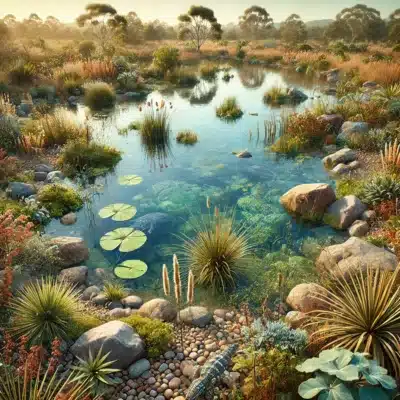
Wildlife Pond Habitat
Maintaining and Managing Pond Vegetation
Balanced plant growth is essential in a wildlife pond, not only for water quality but also for providing habitat. Well-managed pond vegetation keeps the ecosystem stable, offering shade, oxygen, and habitat, all while preventing overgrowth that can cause oxygen depletion and algae blooms.
Managing Marginal and Aquatic Plants
Marginal plants, such as irises, cattails, and marsh marigolds, grow around the edges of the pond and provide essential habitats for amphibians, insects, and birds. These plants serve as resting spots for wildlife and support breeding by offering shelter and shade. Trim back overgrown marginal plants in autumn and spring to prevent them from encroaching into open water areas. Maintaining about 50% open water is ideal for allowing sunlight penetration, which encourages gas exchange and supports a balanced ecosystem.
Aquatic plants, like pondweed, hornwort, and eelgrass, play a critical role in oxygenating the water, especially during the daytime. They absorb excess nutrients, helping to keep algae in check, and offer cover for fish and other small organisms. Regularly thin these submerged plants to maintain a healthy balance in the pond. Native species like water lilies, marsh marigolds, and flowering plants like pickerelweed are particularly beneficial. Not only do they help stabilise the pond, but they also attract pollinators and support natural filtration by absorbing nutrients.
Encouraging Beneficial Plant Growth
Promoting the growth of diverse plant species, including oxygenators, marginal plants, and floating plants, ensures a vibrant pond ecosystem. Floating plants, such as water hyacinth and frogbit, create shade and help keep water temperatures consistent, which is crucial in warmer months. Native flowering plants like water mint and forget-me-nots attract pollinators, enhancing the surrounding garden ecosystem as well. Regularly assess and adjust the pond’s vegetation mix to keep it balanced and resilient.
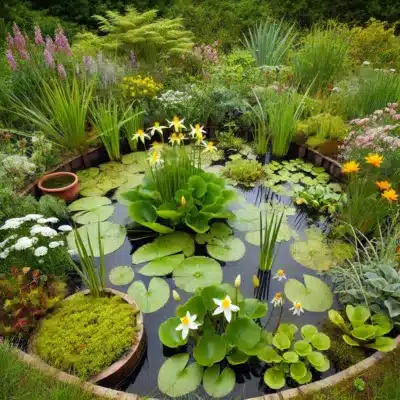
Native Pond Plants
Ecosystem Health: Oxygen, Beneficial Bacteria, and Shade Management
A thriving wildlife pond ecosystem requires balanced oxygen levels, a robust population of beneficial bacteria, and managed shade. Each of these factors contributes to water clarity, nutrient balance, and habitat health, supporting a pond that sustains diverse aquatic and plant life.
Boosting Oxygen Levels
Oxygen is the lifeblood of a healthy pond, supporting fish, plants, and beneficial bacteria. High oxygen levels prevent the buildup of harmful substances and enhance decomposition of organic matter, reducing the likelihood of algae blooms and murky water. Adding aeration devices, such as a small waterfall, fountain, or bubbler, can boost oxygen levels by increasing surface agitation, promoting gas exchange, and distributing oxygen throughout the pond. Placing aerators near the pond’s edges will help oxygen reach all zones, even in larger ponds.
Oxygenating plants like hornwort, elodea, and anacharis release oxygen during the day, which contributes to the pond’s oxygen levels. However, it’s important to control the spread of these plants, as overgrowth can reduce oxygen at night when plants respire. For more techniques on maintaining oxygen balance, see our Oxygenation and Aeration Guide.
Adding Beneficial Bacteria as part of your Wildlife Pond Maintenance
Beneficial bacteria are vital for breaking down waste materials, including fish waste, decaying leaves, and uneaten food. These bacteria process ammonia and nitrites, converting them into less harmful nitrates, thus supporting a healthier environment for fish and plants. Consider adding a biological pond supplement to introduce or maintain a population of beneficial bacteria This is even more important after cleaning or heavy rains, which can disrupt bacterial colonies. Ensuring adequate aeration will further support bacterial growth, as these microorganisms thrive in well-oxygenated water.
Shade Management
While shade is beneficial for reducing water temperatures and preventing excess algae growth, too much shade can inhibit plant photosynthesis and reduce oxygen levels. Trees around the pond can offer seasonal shade, but their overhanging branches should be pruned selectively. Consider planting taller aquatic or marginal plants, like cattails and irises, near pond edges to create natural shading that moves with the sun. This approach allows for light to filter through in varied amounts throughout the day, benefiting different plant species and supporting a diverse habitat.
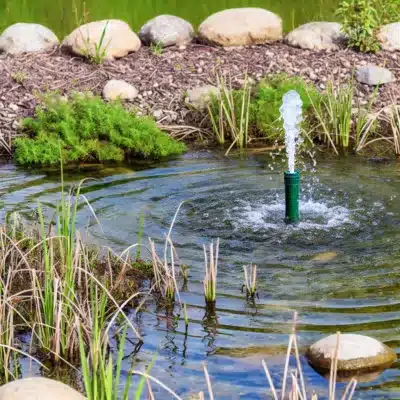
Aerating a Wildlife Pond
Natural Swim Ponds: Creating a Dual-Function Habitat
Natural swim ponds combine the benefits of a recreational swimming area with a biodiverse habitat for wildlife. These ponds use a plant-based filtration zone to keep water clean, without the need for chemicals. This makes them a sustainable and eco-friendly option for those who want to enjoy a swim in clear, natural water while supporting the local ecosystem.
Designing for Biofiltration and Swimming
The key to a successful natural swim pond is creating a separation between the swimming area and the plant zone. The plant zone acts as a natural biofilter, with plants like water lilies, iris, and water mint absorbing nutrients that would otherwise encourage algae growth. Plant roots support beneficial bacteria that break down organic matter, keeping the swimming area clear. Strategically placing rocks and submerged barriers between the plant and swimming zones ensures water flows through the plant area before entering the swimming space, filtering out impurities naturally.
When designing a natural swim pond, consider adding a shallow beach area with smooth stones or sand to make access easy for swimmers and wildlife alike. This provides a gentle entry point and encourages small animals, like frogs and newts, to explore the pond. Additionally, placing sunning rocks near the edges creates ideal basking spots for amphibians and insects, enhancing the pond’s biodiversity.
Balancing Filtration and Swimming
Biofiltration alone can sometimes need supplemental filtration in larger ponds. Skimmers and underwater pumps can be added to the swimming area to help remove floating debris. These devices are hidden or positioned in a way that they don’t disturb the natural appearance of the pond. Additionally, UV filters can be installed within the pump system to control algae while keeping water crystal clear.
Maintaining clean, balanced water for swimming requires careful planning and plant care. Seasonal wildlife pond maintenance will help control plant overgrowth, support natural filtration, and ensure safe swimming conditions. For a professional touch, see our Pond Building Services, where we design and construct natural swim ponds tailored to your space.
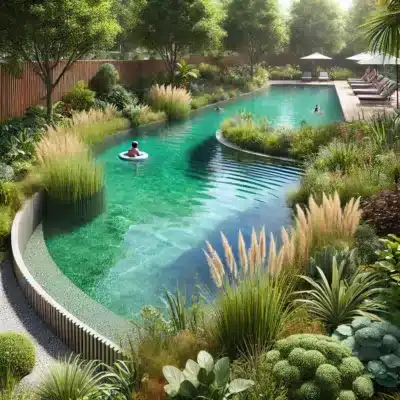
Natural Swim Pond Design
Long-Term Tips for Wildlife Pond Health
Maintaining a wildlife pond requires a commitment to regular, seasonal care, especially as environmental conditions and climate patterns shift. Keeping a proactive approach will help your pond remain a stable, healthy habitat for wildlife and a beautiful feature in your landscape.
Seasonal Adjustments for Ongoing Health
Each season brings different needs for wildlife pond maintenance. Spring is the time to refresh the pond, thin plants, and monitor water quality closely as wildlife becomes more active. During summer, focus on managing algae growth and keeping oxygen levels stable with aeration. In autumn, clear fallen leaves and debris to prevent nutrient buildup, which can lead to algae issues in the spring. In winter, monitor ice formation to maintain gas exchange, which is critical for fish and overwintering amphibians. Floating a small object on the surface can help keep part of the pond ice-free.
Climate Resilience and Preparing for Extremes
Climate change can lead to extreme weather conditions, including heavy rain and drought. These can affect pond water levels and ecosystem stability. Adding overflow drains to your pond will help prevent flooding during intense rainfall, while native, drought-tolerant plants around the pond can stabilise the soil and reduce water evaporation. During dry seasons, ensure your pond has a sustainable water source or consider adding shade to prevent excessive water loss.
Regularly observe your pond’s performance under different weather conditions to better prepare for the long term. Native plant species are particularly helpful for weather resilience, as they’re adapted to the local climate and support biodiversity more effectively than non-native plants.
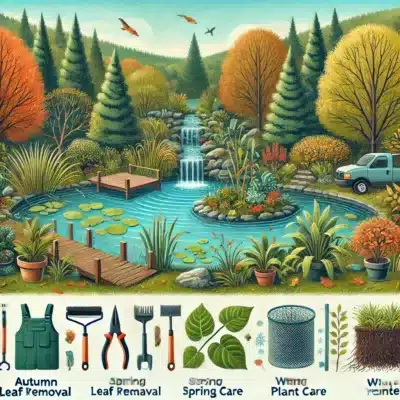
Year-Round Wildlife Pond Maintenance
Final Thoughts
Wildlife ponds enhance biodiversity, support local species, and create a calming garden feature, but they require dedicated care to remain balanced and thriving. By following these expert wildlife pond maintenance tips you can support a pond ecosystem that thrives year-round.
For customised assistance, That Pond Guy offers a range of maintenance services tailored specifically to wildlife and natural swim ponds. Contact us today through our Contact Page for expert advice or to discuss maintenance packages designed for your pond’s needs.
Matthew Adlington
