






Shoreweed (Littorella Uniflora)
| Size | 1 Ltr, 1 Ltr – Pack of 3, 9cm – Pack of 3 |
|---|---|
| Plant Type | Oxygenator |
| Sun / Shade | Full Sun to Part Shade |
| Flower Colour | Green |
| Growth Rate | Medium |
| Native to UK | Yes |
| Container Size | 9cm Pot, 1 Litre, 2 Litre |
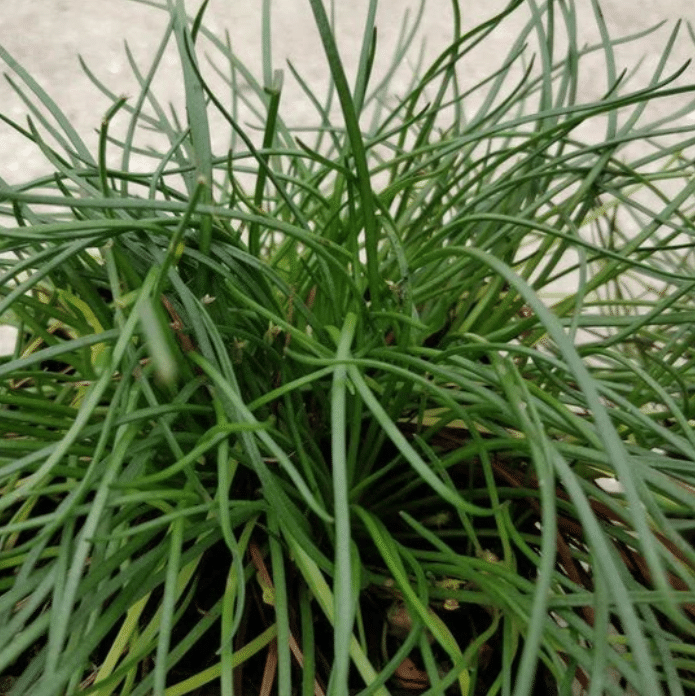
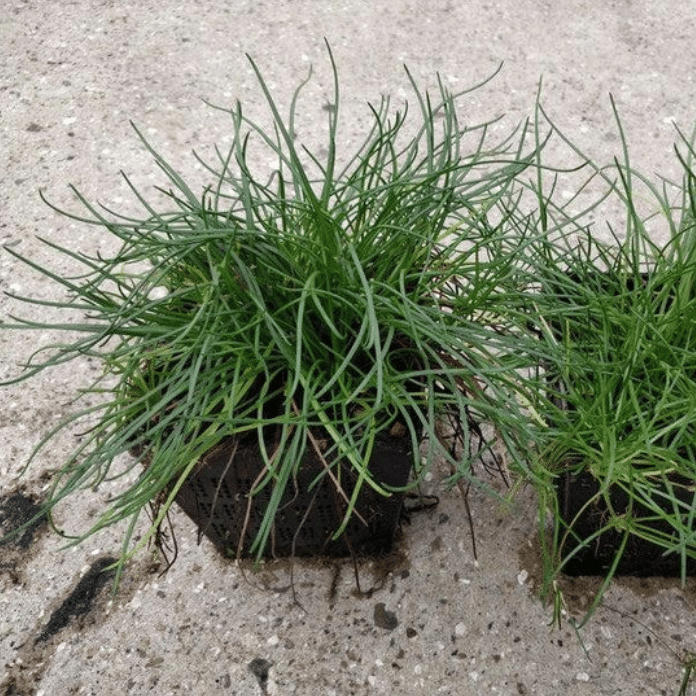
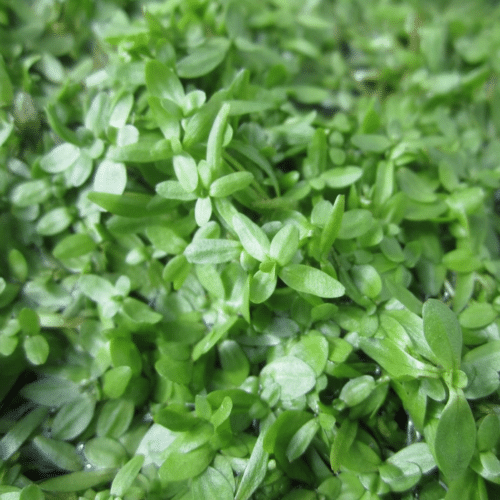
Shoreweed, Littorella uniflora, is a compact UK native oxygenating plant with narrow pale green leaves arranged in attractive underwater rosettes. It gradually forms low growing colonies that provide shelter for tadpoles, newts and aquatic insects, making it an excellent addition to wildlife ponds and natural planting schemes.
Price range: £14.00 through £34.00 (inc VAT)
Shoreweed | Littorella uniflora
A low growing native oxygenating plant that forms attractive green rosettes across pond shelves and provides valuable shelter for aquatic wildlife.
A compact native oxygenator for natural ponds and wildlife friendly planting
Shoreweed, botanically known as Littorella uniflora, is a distinctive native aquatic plant valued for its compact growth, year round structure and ability to grow beneath the water surface. It produces clusters of narrow, pale green leaves arranged in neat rosettes, gradually spreading through short runners to create a soft, carpet like covering across suitable pond shelves.
Unlike taller oxygenating plants that produce long stems through the water, Shoreweed remains close to the pond floor. Its low growing habit makes it particularly useful where you want to introduce submerged planting without creating excessive height or dense surface growth. It can be positioned on a shallow shelf, lower pond shelf or directly onto the pond floor, provided the water is sufficiently clear and the plant receives adequate light.
When grown underwater, Shoreweed contributes to the oxygenating plant community within the pond. Like other submerged plants, it uses nutrients from the water as it grows and provides additional underwater structure. However, no single oxygenating plant should be expected to keep a pond completely clear or provide all the oxygen required by fish. The best results are achieved by combining Shoreweed with a balanced selection of submerged, marginal and floating pond plants.
The compact rosettes provide useful cover for tadpoles, newts, aquatic insects and other small pond creatures. Established clumps can create protected spaces between the leaves and around the basket, making Shoreweed particularly suitable for wildlife ponds and natural planting schemes. Its subtle appearance also works well in ponds where a less formal, more natural finish is preferred.
Shoreweed can tolerate fluctuating water levels and may continue growing when positioned in saturated soil close to the waterline. When the water level falls and exposes the plant, it may produce tiny greenish flowers. These flowers are easily overlooked and are not the main ornamental feature of the plant. Shoreweed is primarily chosen for its unusual foliage, compact growth and ecological value.
This plant is extremely hardy and normally survives a British winter without additional protection. It is semi evergreen, so some foliage may remain through milder winters, although older leaves can naturally decline during colder weather. Fresh growth should develop as conditions improve in spring.
For the strongest establishment, place the basket in a sunny or lightly shaded position and avoid immediately planting it at the deepest recommended level. Beginning on a shallower shelf allows the plant to receive more light while it establishes. The basket can then be moved gradually deeper if required.
Key benefits
• UK native aquatic plant
• Compact, low growing rosette foliage
• Helps introduce underwater oxygenating vegetation
• Provides shelter for tadpoles, newts and aquatic insects
• Suitable for wildlife ponds and natural planting schemes
• Can gradually form a carpet across suitable pond shelves
• Tolerates full sun and partial shade
• Extremely hardy in British conditions
• Requires very little routine maintenance
• Arrives planted and ready to place in the pond
Reasons to buy Shoreweed
Shoreweed is an excellent choice when you need an oxygenating pond plant that stays compact and close to the pond floor. It is particularly useful for smaller ponds, wildlife ponds and natural ponds where tall or vigorous oxygenators may become visually dominant.
Its neat rosettes add texture beneath the water while offering valuable shelter for amphibians and other pond wildlife. As a native species, it also fits naturally into planting plans designed to support British aquatic habitats.
Shoreweed is also easy to manage. It does not require regular pruning, deadheading or complicated seasonal treatment. Once it has established in a suitable position, only occasional removal of damaged or decaying foliage should be necessary.
Care instructions
Position Shoreweed in full sun or partial shade. Good light levels are particularly important when the plant is grown beneath the water, so avoid placing it directly beneath dense waterlily foliage or a complete covering of floating plants.
Place the aquatic basket on a stable pond shelf or on the pond floor. For best results, begin with the top of the basket approximately 5 cm to 20 cm beneath the water surface. Once the plant is established, it can gradually be moved into deeper water if required.
A maximum garden pond planting depth of approximately 60 cm is recommended. Planting depth is measured from the top of the basket to the water surface rather than from the bottom of the pond.
No regular pruning is required. Remove loose, yellowing or decaying foliage when necessary to prevent organic material accumulating in the pond. Established plants can be divided if they begin to outgrow their basket or spread beyond the intended area.
Shoreweed is generally resistant to common plant pests and diseases. However, koi, carp, ducks and other waterfowl may disturb the basket or eat the foliage. Plant protection may be needed in ponds containing larger fish or visiting wildfowl.
Flowering period
Shoreweed may produce tiny greenish flowers during late spring and summer, generally around June and July. Flowering is most likely when falling water levels expose the plant above the surface.
Plants that remain completely submerged may produce few visible flowers or may not flower at all. Shoreweed is therefore grown primarily for its low growing rosette foliage, oxygenating qualities and wildlife value rather than for a prominent floral display.
Size, spread and growing conditions
Plant height: Approximately 4 cm to 10 cm
Potential spread: Gradually spreading through runners, with established colonies potentially covering a much wider area
Recommended planting depth: 0 cm to 60 cm
Initial establishment depth: Approximately 5 cm to 20 cm
Position: Full sun or partial shade
Growth rate: Slow to medium
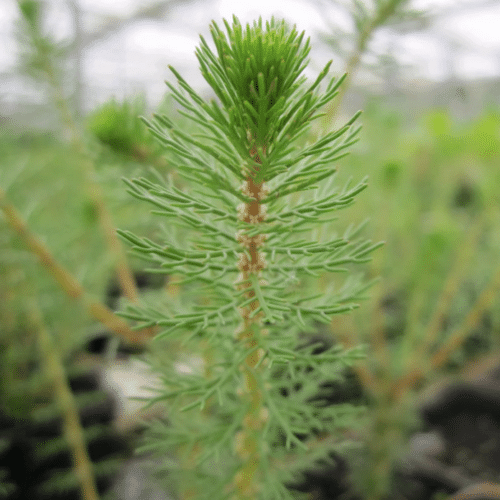
Foliage: Narrow, pale green leaves arranged in compact rosettes
Habit: Low growing, spreading and carpet forming
Hardiness: Extremely hardy
Winter foliage: Semi evergreen, depending on temperature and exposure
Plant type: Potted oxygenating aquatic plant
Native status: UK native
Wildlife value: Provides underwater shelter for amphibians, invertebrates and other small pond creatures
For larger planting areas, allow approximately 5 x 1 litre plants per square metre or linear metre. Alternatively, use approximately 3 x 2 litre plants per square metre or linear metre. Leave sufficient space between varieties so that faster growing plants do not overwhelm Shoreweed while it establishes.
Your plant on arrival
Your Shoreweed will arrive planted in a Finofil aquatic basket containing suitable aquatic soil and slow release aquatic plant fertiliser. The plant can normally be placed directly into the pond without repotting.
Available basket sizes may include:
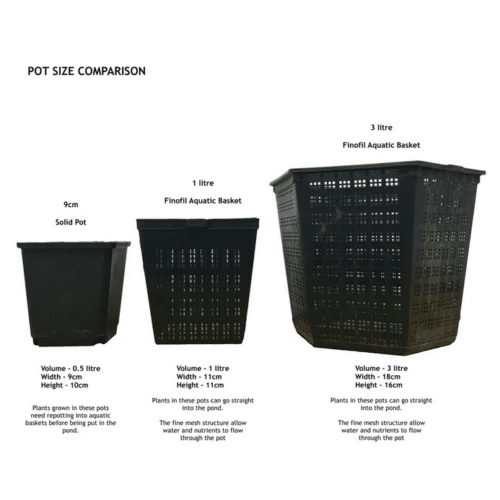
• 1 litre square aquatic basket measuring approximately 11 cm wide by 11 cm high
• 2 litre square aquatic basket measuring approximately 19 cm wide by 19 cm high
Plants supplied in a 9 cm solid nursery pot will require repotting into a suitable aquatic basket before being placed in the pond.
Finofil baskets are manufactured in the UK using 100% recycled plastic. Their fine mesh construction helps retain aquatic soil while allowing water to circulate around the root system. A separate hessian liner is therefore optional and is not normally required.
Dispatching your pond plants
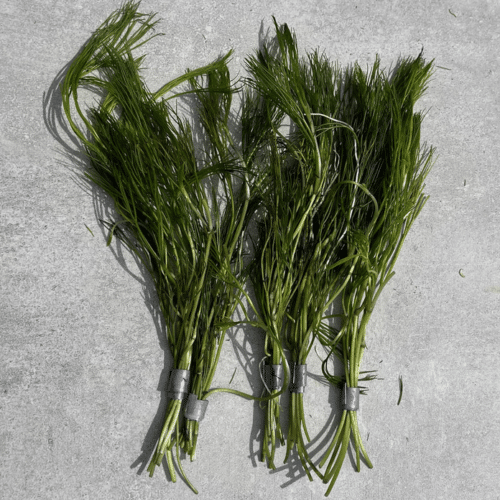
Pond plants are carefully selected, watered and packed to help protect them during delivery. The appearance and amount of visible foliage will naturally vary according to the season and the plant’s current stage of growth.
Plants dispatched early in the season may have limited top growth while they establish their roots. This is normal and does not mean that the plant is unhealthy. During autumn and winter, Shoreweed may also arrive with reduced foliage or some older leaves beginning to decline.
Upon arrival, unpack the plant promptly and check that the aquatic soil remains moist. Place it into the pond as soon as practical, initially using a shallower shelf while it adjusts to its new surroundings. Do not allow the plant or aquatic soil to dry out.
Shoreweed is normally available from April, although availability can vary according to seasonal growing conditions and nursery stock.








Reviews
There are no reviews yet.