




Filter by price

Filter by Brand

Pond Heating Systems

Stable Water Temperatures for Healthier Koi & Year-Round Enjoyment

Pond heating is one of the most valuable upgrades for koi ponds and serious fish keeping. While many ponds are left unheated, stabilising water temperature through autumn, winter and early spring can significantly improve fish health, feeding response and overall pond stability.

Pond heating does not mean maintaining tropical temperatures all year. Instead, it is about preventing extreme drops, reducing temperature swings and protecting your fish during colder months. Sudden fluctuations in water temperature can stress koi, weaken immune systems and increase the risk of disease outbreaks.

A well-designed pond heating system helps create a more controlled and stable environment, allowing you to enjoy your pond for longer throughout the year.


Why Heat a Pond?

Heating a pond provides several important benefits:

• Maintains stable water temperatures
• Supports stronger immune systems in koi
• Allows controlled winter feeding
• Reduces risk of parasite outbreaks
• Prevents equipment freezing
• Extends pond enjoyment into colder months

Even maintaining a pond at 8 to 12 degrees during winter can dramatically improve koi wellbeing compared to unheated ponds exposed to extreme cold.


Types of Pond Heating Systems

There are two main types of pond heating systems commonly used in koi ponds:

Electric Element Heaters

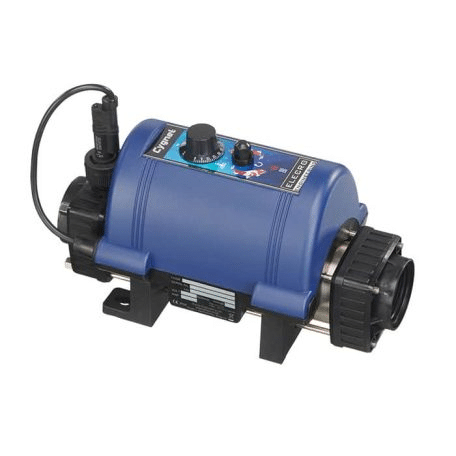
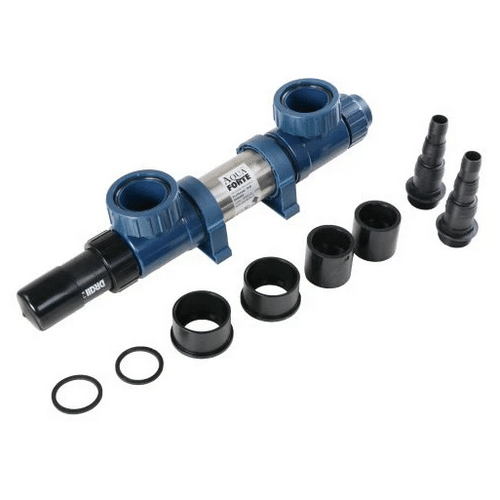
Inline electric heaters such as Elecro units are precise and easy to install. They heat water directly as it passes through the element, offering accurate temperature control.

Air Source Heat Pumps

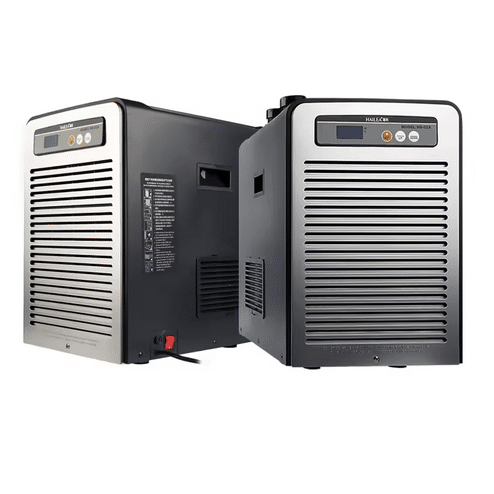
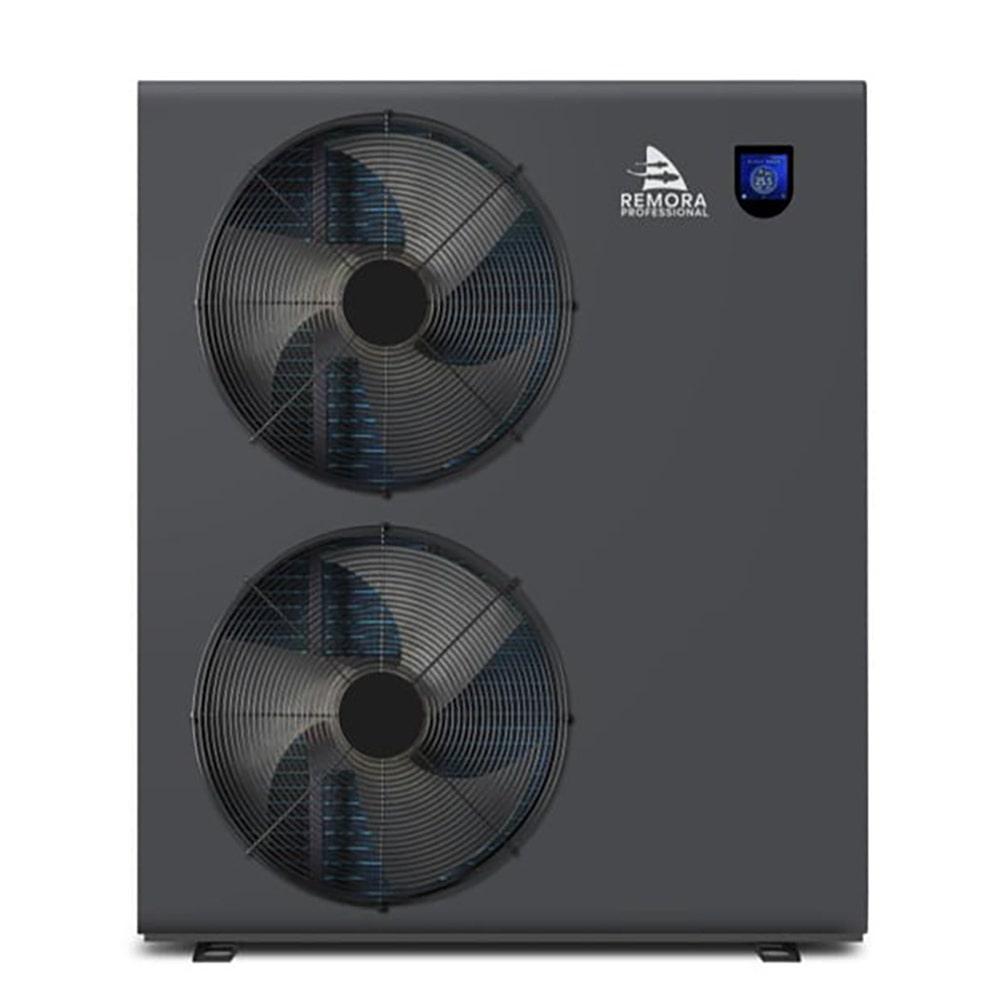
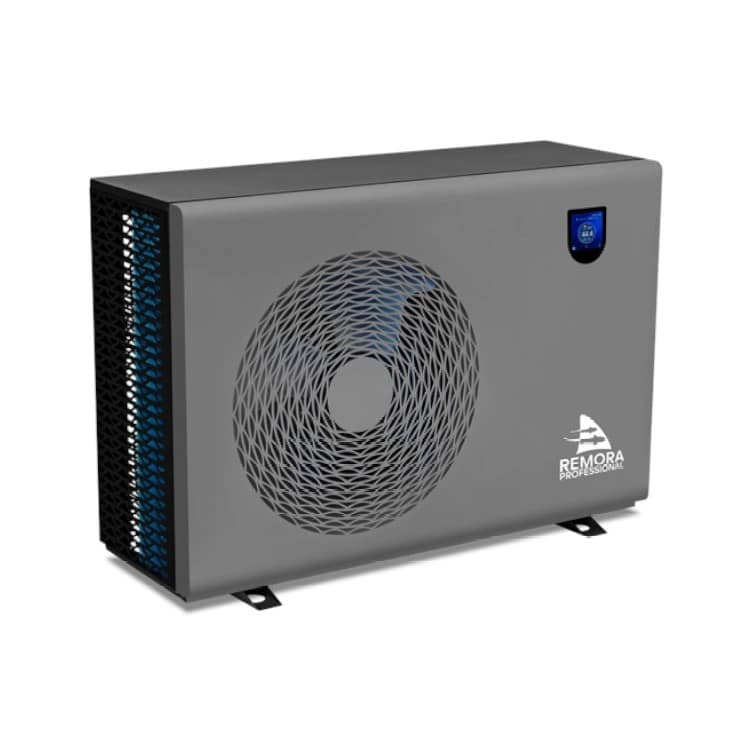
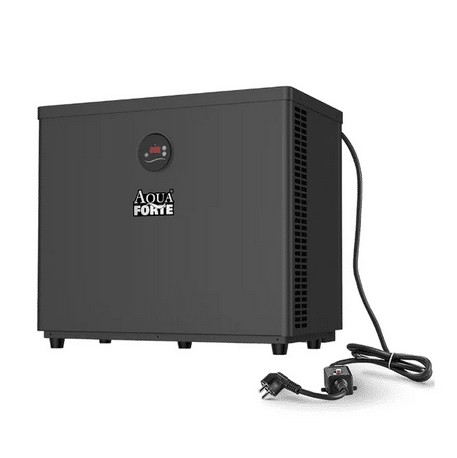
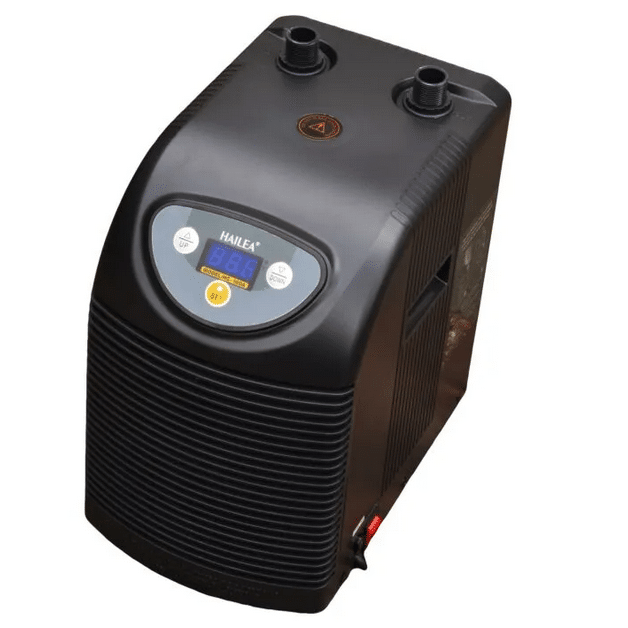
Air source heat pumps are highly energy-efficient systems that extract heat from the surrounding air. They are ideal for larger ponds and long-term heating solutions. Some models also offer cooling capability, helping prevent excessive summer temperature spikes.

Heat pumps are particularly popular for larger koi ponds where running costs need to be controlled over extended periods.


Choosing the Right Pond Heater

Selecting the correct pond heater depends on:

• Pond volume
• Desired winter temperature
• Level of insulation
• Geographic location
• Running cost considerations

Proper sizing is essential to ensure consistent performance without excessive energy consumption.


Key Benefits of Pond Heating Systems

• Stable temperature control
• Improved koi health
• Reduced seasonal stress
• Energy-efficient heat pump options
• Precise electric heater alternatives
• Suitable for pump-fed systems
• Protects plumbing from freezing
• Extends active koi keeping season


Typical Technical Specifications

• Inline electric element heaters
• Air source heat pump systems
• Digital temperature controllers
• Titanium heating elements
• Suitable for freshwater koi ponds
• Compatible with filtration systems
• Cooling function available on selected models
• Flow rate matched to heater capacity
Pond Heating – Frequently Asked Questions

Below are frequently asked questions to help you understand the importance, functionality, and benefits of pond heaters for maintaining optimal conditions in your pond, especially during colder months.

1. What is a pond heater, and why is it important for ponds?

A pond heater is a device designed to regulate the temperature of pond water, particularly during colder seasons. It helps prevent freezing, maintains consistent water temperature, and ensures the well-being of fish and other aquatic life by creating a stable environment.

2. How does a pond heater work?

Pond heaters typically use electric heating elements to warm the water. They are often placed directly in the pond or water is pumped through them. The heater continuously monitors the water temperature and adjusts its operation to maintain the desired temperature range.

3. What are the key features of pond heaters?

  • Thermostat Control: Most pond heaters come with adjustable thermostats, allowing you to set and maintain the desired water temperature.
  • Safety Features: Quality pond heaters include safety features such as automatic shut-off mechanisms to prevent overheating and damage.
  • Energy Efficiency: Modern pond heaters are designed to be energy-efficient, reducing electricity consumption while effectively heating the water.
  • Durable Construction: Pond heaters are built to withstand outdoor conditions, with durable materials that resist corrosion and weather damage.

4. Why are pond heaters essential for pond maintenance?

Pond heaters are essential for maintaining a healthy pond ecosystem, especially during winter months when low temperatures can endanger fish and plants. By preventing freezing and maintaining a stable temperature, pond heaters help ensure the survival and well-being of aquatic life.

5. What are the benefits of using pond heaters?

  • Prevents Freezing: Pond heaters prevent the surface of the pond from freezing, ensuring access to oxygen and preventing harmful ice buildup.
  • Protects Fish: By maintaining a stable temperature, pond heaters protect fish from temperature fluctuations that can stress or harm them.
  • Promotes Biological Activity: Warmer water temperatures promote biological activity, including the growth of beneficial bacteria and the metabolism of fish and plants.
  • Allows Year-Round Enjoyment: With a pond heater, you can enjoy your pond year-round, even in colder climates, without worrying about winter damage to your pond or its inhabitants.

6. What types of pond heaters are available?

  • Floating Heaters: These heaters float on the surface of the water and use electric heating elements to warm the surrounding water.
  • Heat Pumps: Inverter heat pumps, the latest type of available heat pumps, are highly efficient, offering up to 20% greater efficiency than standard A/C heat pumps.
  • Inline Heaters: Water is pumped through the heater element.
  • Pond De-Icers: These devices prevent ice formation by creating a small opening in the ice, allowing for gas exchange and oxygenation of the water.

7. How do I choose the right pond heater for my pond?

When selecting a pond heater, consider factors such as the size of your pond, the average winter temperatures in your region, and the specific needs of your fish and plants. Choose a heater with the appropriate wattage for your pond size and ensure it has built-in safety features.

8. How do I install and maintain a pond heater?

Installation of a pond heater need to be done according to the manufacturer’s instructions and ensuring it is securely positioned and connected to a power source. Routine maintenance may include periodic cleaning to remove debris and checking for proper operation.


If you have further questions or need assistance selecting the right heater for your pond, feel free to contact us.