





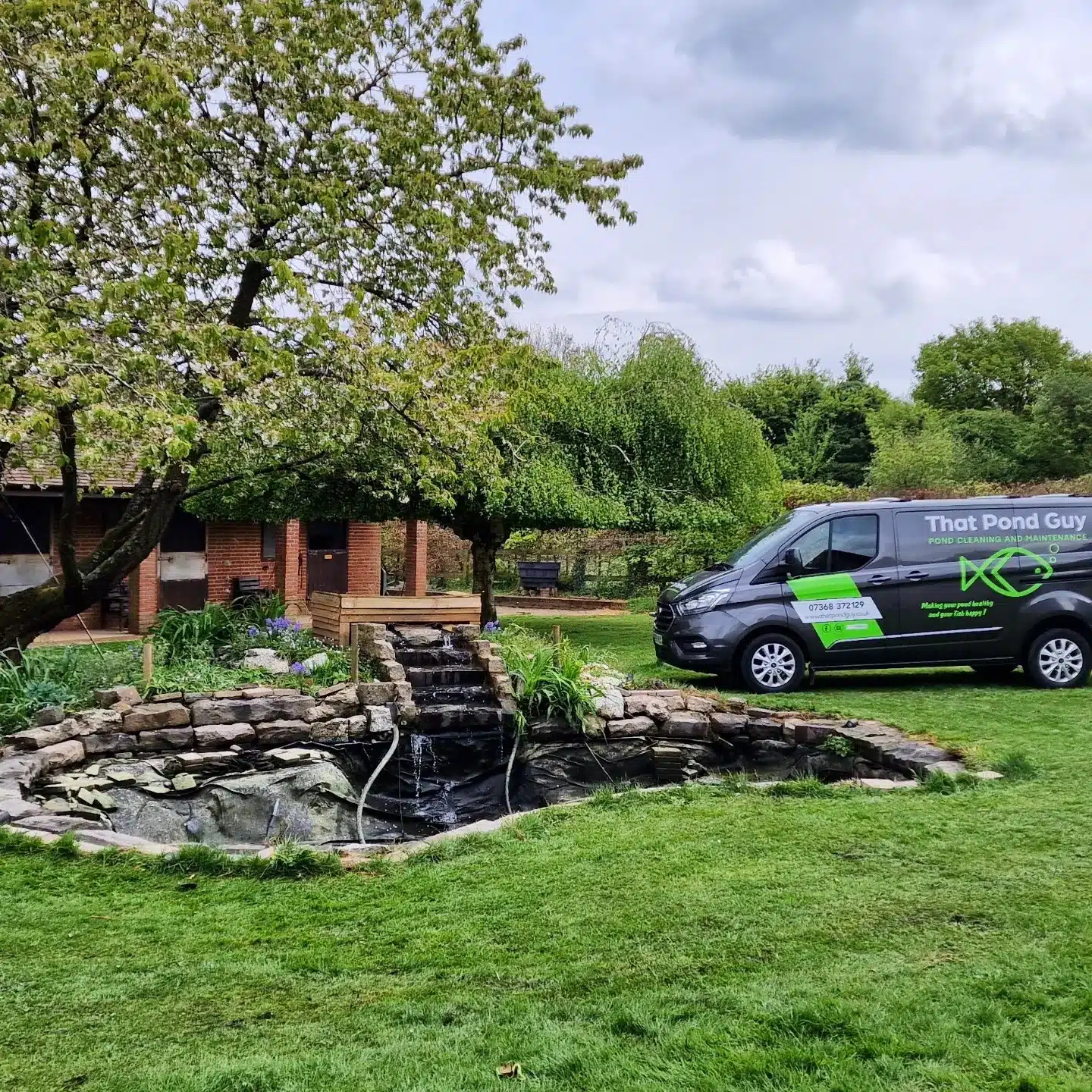
The Ultimate Guide to Pond Maintenance
Proper pond maintenance is essential if you want your pond to remain healthy, clear, and easy to manage throughout the year. Whether you own a small garden pond, a koi pond, or a large natural water feature, all ponds require ongoing care to prevent water quality issues, excessive algae growth, unhealthy fish, and long term deterioration.
Many pond problems develop slowly. Sludge accumulates unnoticed, filtration efficiency declines, and water quality gradually becomes unstable. By the time visible symptoms appear, the pond is often already out of balance. This ultimate guide to pond maintenance explains how ponds actually function, why maintenance matters, and how professional pond care keeps ponds healthy over the long term.
This guide is based on real world pond maintenance experience across Kent, London, and the South East, working on everything from lightly stocked wildlife ponds through to heavily stocked koi ponds and large estate lakes.
What Pond Maintenance Really Involves
Pond maintenance is often misunderstood as an occasional clean or a quick filter rinse when something looks wrong. In reality, proper pond maintenance is an ongoing process that manages the entire pond system as a whole, rather than reacting to individual problems as they appear.
Every pond, regardless of size or style, is a contained environment. Water does not naturally refresh itself, waste does not disappear, and biological processes rely heavily on stability. Pond maintenance exists to keep all of these elements working together in balance.
At its core, pond maintenance involves managing five key areas:
-
Water quality and chemistry
-
Organic waste and sludge build up
-
Filtration performance
-
Plant growth and decay
-
Fish health and stocking levels
If any one of these areas is neglected, the effects will usually show up elsewhere in the pond. For example, poor filtration often appears as algae problems, excess sludge shows up as unpleasant smells or cloudy water, and unstable water quality frequently results in stressed or unhealthy fish.
This is why effective pond maintenance is preventative rather than reactive. The goal is to stop problems developing in the first place, rather than treating symptoms after the pond has already fallen out of balance.
Pond Maintenance Is About Consistency, Not Intensity
One of the biggest misconceptions pond owners have is that maintenance needs to be intensive or disruptive. In reality, ponds respond far better to small, regular interventions than they do to infrequent, heavy handed work.
Consistent pond maintenance keeps waste levels low, supports biological filtration, and prevents sudden changes in water conditions. When ponds are left for long periods and then heavily disturbed, it often causes more harm than good. Sudden deep cleans, aggressive filter washing, or large water changes can destabilise the pond and lead to new problems appearing shortly afterwards.
A well maintained pond should feel predictable. Water quality remains stable, filters operate efficiently, and maintenance tasks become routine rather than stressful. Over time, the pond becomes easier to manage, not harder.
Understanding the Difference Between Pond Care and Pond Repair
Another important aspect of pond maintenance is understanding the difference between routine care and corrective work.
Routine pond maintenance focuses on:
-
Removing organic waste before it builds up
-
Keeping filters clean and functional
-
Monitoring water quality
-
Managing plant growth
-
Adjusting care seasonally
Pond repair work, on the other hand, is usually required when maintenance has been insufficient or delayed. This might include major sludge removal, filtration upgrades, leak investigation, or addressing ongoing water quality issues.
Regular maintenance reduces the likelihood of needing invasive or costly repair work later on. This is particularly important for koi ponds and larger ponds, where problems can escalate quickly if left unchecked.
Why Pond Maintenance Is Different for Every Pond
There is no one size fits all approach to pond maintenance. The level of care required depends on several factors, including:
-
Pond size and depth
-
Whether fish are present
-
Stocking levels and fish species
-
Type of filtration installed
-
Amount of planting
-
Exposure to trees and debris
A lightly stocked wildlife pond requires a very different maintenance approach to a heavily stocked koi pond with high performance filtration. Similarly, a formal ornamental pond will need different care compared to a natural swimming pond or estate lake.
Effective pond maintenance always takes these variables into account. Applying generic advice without considering the specific pond setup often leads to frustration and ongoing issues.
The Role of Professional Pond Maintenance
While many pond owners carry out basic tasks themselves, professional pond maintenance plays an important role, particularly for more complex ponds or those that have been neglected.
Professional pond maintenance typically involves:
-
Full system inspections
-
Sludge and waste removal
-
Filtration performance checks
-
Water quality troubleshooting
-
Seasonal preparation and recovery
For pond owners who want their pond to remain healthy and visually appealing without constant intervention, scheduled pond maintenance services provide consistency and peace of mind. Professional care ensures the pond is looked after correctly throughout the year and reduces the risk of unexpected problems.
Long Term Benefits of Proper Pond Maintenance
When pond maintenance is carried out correctly, the benefits extend far beyond clear water.
A properly maintained pond:
-
Supports healthier fish with stronger immune systems
-
Develops more stable biological filtration
-
Suffers fewer algae outbreaks
-
Requires fewer chemical treatments
-
Is cheaper and easier to manage long term
Most importantly, regular pond maintenance and professional pond care services protect the pond as an investment. Whether the pond is a decorative feature, a koi pond, or part of a larger landscape, consistent care preserves its condition and enjoyment value for years to come.
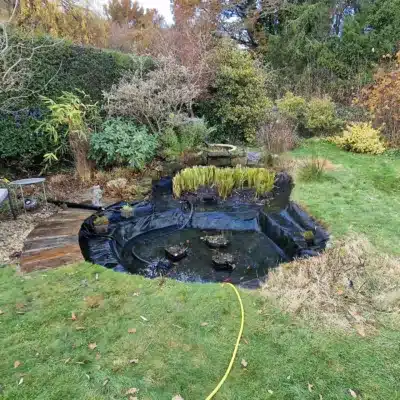
Why Regular Pond Maintenance Is Essential
Regular pond maintenance is essential because ponds do not remain stable on their own. Even the best designed pond will slowly decline without ongoing care, often in ways that are not immediately obvious. By the time visible problems appear, the underlying causes have usually been developing for months or even years. This is the same for large ponds and lakes.
Unlike natural lakes and rivers, garden ponds and koi ponds are closed systems. Water does not naturally refresh itself, waste has nowhere to go, and biological processes depend entirely on the conditions within the pond. Regular pond maintenance exists to manage these limitations and keep the pond functioning as a healthy, balanced environment.
Without consistent maintenance, ponds gradually accumulate organic waste, water quality becomes unstable, and filtration systems lose effectiveness. These changes rarely happen overnight, which is why many pond owners underestimate the importance of regular care.
Organic Waste Builds Up Faster Than Most People Realise
Every pond produces waste on a daily basis. Leaves fall into the water, plants shed old growth, fish produce waste, and fine debris settles out of suspension. This material sinks to the bottom of the pond and begins to decompose.
As organic matter breaks down, it forms sludge. Sludge is not just an aesthetic issue. It consumes oxygen, releases nutrients into the water, and creates ideal conditions for algae growth. In deeper layers, it can also produce harmful gases that affect water quality and fish health.
Regular pond maintenance or a yearly pond clean removes waste before it reaches this stage. Small, frequent interventions prevent sludge from becoming compacted and difficult to deal with later. This is far more effective than leaving the pond untouched and attempting to solve problems once they become obvious.
Water Quality Deteriorates Gradually, Not Suddenly
One of the most common misconceptions is that water quality problems appear suddenly. In reality, water quality usually declines slowly and quietly.
As waste accumulates and filtration becomes less efficient, levels of ammonia, nitrite, and nitrate increase. pH levels may fluctuate, and oxygen levels can drop, particularly in warmer weather or overnight. Fish may appear fine initially, but they are often under constant low level stress long before visible symptoms appear.
Regular pond maintenance allows these issues to be identified and addressed early. Monitoring water conditions, cleaning filters correctly, and managing waste load keeps water quality stable and avoids the sudden crashes that often lead to fish losses.
Filtration Systems Depend on Ongoing Maintenance
Even high quality filtration systems cannot function properly without regular maintenance. Mechanical filter stages trap waste, which must be removed. Biological filter media supports beneficial bacteria, which rely on stable conditions and adequate oxygen.
When filters are neglected, flow rates drop, oxygen levels fall, and biological filtration becomes less effective. This often shows up as algae problems, cloudy water, or unpleasant smells rather than obvious filter issues.
Regular pond maintenance keeps filtration systems operating as intended. Cleaning mechanical stages at the right intervals and maintaining biological media correctly ensures the pond remains stable and easy to manage.
Preventing Problems Is Easier Than Fixing Them
One of the biggest advantages of regular pond maintenance is prevention. Most major pond problems are the result of smaller issues being ignored for too long.
Examples include:
-
Minor sludge build up becoming a full pond clean
-
Slight water quality instability leading to fish health issues
-
Undersized or poorly maintained filters struggling during summer
-
Unmanaged plant growth overwhelming the pond
Preventative maintenance addresses these issues early, when they are easier and less costly to resolve. Once problems escalate, solutions often involve more invasive work, higher costs, and greater disruption to the pond and its inhabitants.
Regular Maintenance Reduces Long Term Costs
Ponds that receive regular care are cheaper to maintain over time. Waste is managed gradually, equipment lasts longer, and emergency interventions are far less common.
In contrast, neglected ponds often require:
-
Deep sludge removal
-
Filtration upgrades
-
Replacement of damaged equipment
-
Fish health treatments
-
Partial or full pond drain downs
Regular pond maintenance spreads the workload evenly throughout the year and avoids sudden, expensive interventions. This is particularly important for koi ponds and larger ponds, where the cost of corrective work can be significant.
Seasonal Changes Make Maintenance Non Optional
Pond conditions change throughout the year, and regular maintenance allows the pond to adapt to these changes smoothly.
In spring, biological systems restart and waste begins to build up again. In summer, higher temperatures increase biological activity and oxygen demand. In autumn, falling leaves and dying plant growth add large amounts of organic matter. In winter, reduced circulation and ice cover can trap harmful gases.
Regular pond maintenance ensures the pond is prepared for each season, rather than reacting to problems once conditions become challenging.
Why Regular Maintenance Matters Even in Wildlife Ponds
There is a common belief that wildlife ponds should be left completely alone. While wildlife ponds require a lighter touch, they still benefit from regular maintenance.
Excessive sludge, overgrown plants, and poor water quality can harm wildlife just as much as they affect ornamental ponds. Sensitive, well timed maintenance helps preserve habitat quality and prevents ponds from stagnating or filling in over time.
Regular pond maintenance, adapted to the type of pond, protects the long term health of the ecosystem.
When Regular Maintenance Is Best Handled Professionally
Some aspects of pond maintenance can be handled by pond owners, particularly basic tasks such as surface debris removal and simple checks. However, regular professional involvement is often beneficial, especially for ponds with fish or complex filtration.
Scheduled pond maintenance services provide consistent care, identify developing issues early, and ensure maintenance is carried out correctly throughout the year. Professional maintenance is particularly valuable for koi ponds, larger ponds, and ponds that have previously suffered from neglect or water quality issues.
The Long Term Impact of Regular Pond Maintenance
Regular pond maintenance is not about constant interference. It is about guiding the pond towards stability.
A pond that receives consistent care:
-
Maintains stable water quality
-
Supports healthier fish and wildlife
-
Suffers fewer algae problems
-
Requires less intensive work over time
-
Remains visually attractive year round
Ultimately, regular pond maintenance protects the pond as a long term feature rather than allowing it to slowly decline.
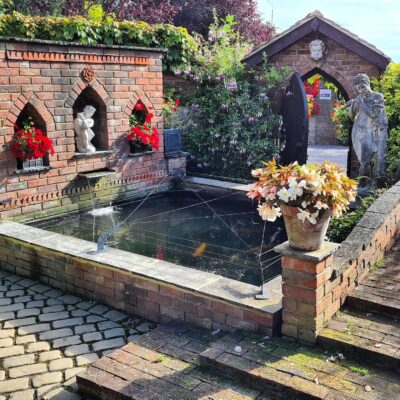
Filtration Systems and Their Role in Pond Maintenance
Filtration is one of the most important elements of effective pond maintenance, yet it is also one of the most misunderstood. Many pond owners assume that if the water looks clear, the filter must be working correctly. In reality, filtration plays a much deeper role than visual clarity alone, and problems with filtration often show up in unexpected ways.
A pond filtration system is responsible for removing waste, supporting beneficial bacteria, stabilising water quality, and maintaining oxygen levels throughout the pond. When filtration is working properly, pond maintenance becomes easier and more predictable. When filtration is inadequate or poorly maintained, even regular cleaning and water changes struggle to keep the pond healthy.
Understanding how filtration actually works is key to understanding long term pond maintenance.
Filtration Is About Balance, Not Just Clean Water
One of the most common misconceptions is that filtration exists purely to remove dirt from the water. While mechanical waste removal is important, the real value of filtration lies in maintaining biological balance.
Every pond produces waste continuously. Fish waste, decomposing leaves, dying plant matter, and microscopic organic debris all place a demand on the pond system. Filtration exists to process this waste safely and gradually, rather than allowing it to build up and destabilise the pond.
When filtration capacity matches the pond’s waste load, water quality remains stable, fish are less stressed, and algae problems are reduced. When filtration is undersized or overwhelmed, problems begin to develop even if the pond looks visually acceptable at first.
Mechanical Filtration and Pond Maintenance
Mechanical filtration is the first stage in most filtration systems. Its role is to physically capture solid waste before it breaks down in the pond.
This includes:
-
Fish waste
-
Uneaten food
-
Leaves and plant debris
-
Fine suspended particles
Mechanical filtration must be cleaned regularly as part of routine pond maintenance. If waste is allowed to sit in the filter, it begins to decompose, releasing nutrients back into the water and reducing oxygen levels within the system.
A common mistake is leaving mechanical filters untouched for long periods. This often leads to reduced flow rates, poor circulation, and biological filtration struggling further down the line. Regular, gentle cleaning keeps the system efficient and prevents larger maintenance problems later.
Biological Filtration and Long Term Pond Stability
Biological filtration is the heart of effective pond maintenance. This stage supports colonies of beneficial bacteria that convert toxic waste products into less harmful compounds.
Fish waste and decomposing organic matter release ammonia into the water. Beneficial bacteria convert ammonia into nitrite, and then into nitrate. This process is essential for fish health and overall water quality.
Biological filtration relies on:
-
Stable water conditions
-
Adequate oxygen levels
-
Consistent water flow
-
Minimal disturbance
Over cleaning biological media, allowing filters to dry out, or exposing them to harsh chemicals can damage bacterial colonies. When this happens, water quality problems often follow shortly afterwards.
Proper pond maintenance focuses on supporting biological filtration rather than constantly interfering with it.
Why Undersized Filters Are the Most Common Maintenance Issue
One of the most frequent problems seen during pond maintenance visits is undersized filtration. Many filters are marketed based on ideal conditions, light stocking, and minimal waste production.
In reality:
-
Fish grow larger than expected
-
Feeding levels increase over time
-
Plant debris accumulates
-
Sludge builds up gradually
As a result, filters that were once adequate become overwhelmed. This often shows up as persistent algae problems, cloudy water, or declining water quality rather than obvious filter failure.
Correctly sized pond filtration systems are essential for long term pond maintenance. Adequate capacity allows the system to cope with seasonal changes, increased biological load, and unexpected waste input without constant intervention.
Filtration Problems Often Appear as Algae Issues
Many pond owners treat algae as a standalone problem, but in most cases, algae growth is a symptom of filtration imbalance rather than the root cause.
When filtration struggles to process nutrients efficiently, excess nutrients remain available in the water. Algae takes advantage of this and begins to grow rapidly, particularly during warm weather.
Chemical treatments may offer short term relief, but without addressing filtration capacity, circulation, and waste management, algae problems usually return.
Effective pond maintenance focuses on improving filtration performance rather than relying on repeated treatments.
Flow Rates, Circulation, and Filtration Efficiency
Filtration performance is closely linked to water flow and circulation. Even a well sized filter will struggle if water is not moving through the system correctly.
Low flow rates reduce oxygen availability for beneficial bacteria and allow waste to settle in areas where it becomes difficult to remove. Poor circulation also creates dead spots in the pond where sludge accumulates and water quality deteriorates.
Pond pumps, pipework layout, and return points all influence how effectively filtration supports pond maintenance. Ensuring water moves efficiently from the pond, through the filter, and back again is essential for long term stability.
How Filtration Maintenance Changes Seasonally
Filtration maintenance is not static throughout the year. Seasonal changes affect how filtration systems behave and how they should be maintained.
In spring, filters are restarting after reduced winter activity. Care must be taken not to disturb biological media too aggressively. In summer, higher temperatures increase waste production and oxygen demand, requiring closer monitoring. In autumn, falling leaves increase the load on mechanical filtration. In winter, reduced flow and feeding levels change how the system operates.
Good pond maintenance adapts filtration care to seasonal conditions rather than applying the same approach year round.
When Filtration Upgrades Become Part of Pond Maintenance
Over time, many ponds outgrow their original filtration systems. Fish grow, planting matures, and maintenance demands increase.
When filtration struggles to keep up despite regular cleaning and good maintenance practices, an upgrade may be required. This is particularly common in koi ponds and older ponds where original equipment was selected conservatively.
Upgrading filtration as part of ongoing pond maintenance improves water quality, reduces workload, and makes the pond easier to manage long term. Drum filters, Evolution Aqua Nexus, Oase Screenmatic or a quality pressure filter are good options.
Professional Insight and Filtration Maintenance
Filtration issues are often subtle and develop gradually. Professional pond maintenance visits frequently identify filtration problems that are not immediately obvious to pond owners.
Professional assessments consider:
-
Waste load versus filter capacity
-
Flow rates and circulation
-
Oxygen availability
-
Long term maintenance requirements
This approach ensures filtration supports the pond properly rather than simply reacting to visible problems.
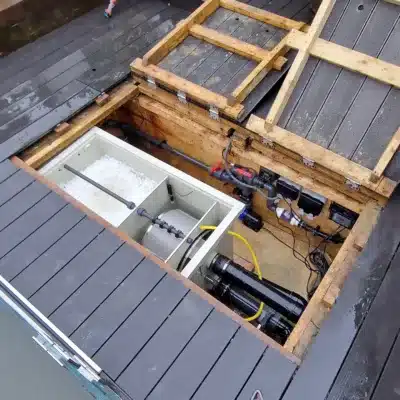
Water Quality and Pond Maintenance
Water quality sits at the centre of effective pond maintenance. It influences fish health, plant growth, filtration performance, algae control, and overall pond stability. While many pond owners focus on water clarity, true water quality goes far deeper than what can be seen on the surface.
A pond can look clear while still suffering from poor water chemistry, low oxygen levels, or biological imbalance. In many cases, serious problems develop long before the water appears visibly unhealthy. Understanding how water quality works, and how it changes over time, is essential for maintaining a healthy pond.
Regular pond maintenance exists largely to protect and stabilise water quality. When water conditions remain consistent, everything else in the pond becomes easier to manage.
Why Clear Water Does Not Always Mean Healthy Water
One of the most common misconceptions in pond care is that clear water equals good water quality. While cloudy or green water is an obvious sign of imbalance, clear water can still contain harmful substances that affect fish and beneficial bacteria.
Toxic compounds such as ammonia and nitrite are invisible and odourless, yet they pose serious risks to fish health. Oxygen levels can also fluctuate significantly, particularly overnight or during warm weather, without any obvious visual changes.
This is why pond maintenance should never rely solely on appearance. Healthy water is stable, well oxygenated, and biologically balanced, not just visually clear.
Understanding the Key Water Parameters
Water quality is influenced by several key parameters, all of which are interconnected.
pH Stability
pH measures how acidic or alkaline the water is. Sudden changes in pH can stress fish and disrupt biological filtration. Most ponds perform best when pH remains stable rather than chasing a specific number.
Fluctuations in pH are often caused by:
-
Accumulating organic waste
-
Poor filtration
-
Excessive algae growth
-
Large or sudden water changes
Regular pond maintenance helps prevent these fluctuations by controlling waste and maintaining filtration efficiency.
Ammonia and Nitrite
Ammonia is produced by fish waste, uneaten food, and decomposing organic matter. It is highly toxic to fish, even at low levels. Beneficial bacteria convert ammonia into nitrite, which is also toxic, and then into nitrate.
In a healthy pond, this process happens continuously and efficiently. When filtration is overwhelmed, disturbed, or undersized, ammonia and nitrite levels rise quickly.
Regular maintenance supports this biological process by:
-
Preventing excess waste build up
-
Maintaining good oxygen levels
-
Avoiding unnecessary disruption to filter media
Nitrate and Nutrient Build Up
Nitrate is less toxic than ammonia or nitrite, but it contributes heavily to algae growth when allowed to accumulate. High nitrate levels are usually a sign that waste is being produced faster than it can be processed or removed.
Plant growth, water changes, and effective filtration all play a role in controlling nitrate levels. Long term pond maintenance focuses on nutrient management rather than relying on chemical treatments.
Oxygen Levels and Their Impact on Water Quality
Oxygen is often overlooked in pond maintenance, yet it is critical to both fish health and biological filtration. Beneficial bacteria require oxygen to function, and fish become stressed quickly in low oxygen conditions.
Oxygen levels are influenced by:
-
Water temperature
-
Stocking levels
-
Circulation and aeration
-
Organic waste levels
Warm water holds less oxygen, which is why ponds are more vulnerable during summer. Sludge build up also consumes oxygen as it decomposes, further reducing availability.
Good pond maintenance supports oxygen levels by managing waste, maintaining circulation, and ensuring filters and aeration systems operate correctly.
How Poor Water Quality Develops Over Time
Water quality issues rarely appear overnight. They develop gradually as small maintenance tasks are missed or delayed.
Common pathways to declining water quality include:
-
Sludge slowly accumulating on the pond floor
-
Filters becoming partially blocked or undersized
-
Feeding levels increasing as fish grow
-
Plant debris being left to decompose in the water
Because these changes happen slowly, pond owners often adapt to worsening conditions without realising it. By the time fish show signs of stress or algae blooms appear, the pond may already be significantly out of balance.
Regular pond maintenance interrupts this process early, keeping water conditions stable rather than allowing gradual decline.
The Role of Water Testing in Pond Maintenance
Water testing is a valuable tool when used correctly, but it is often misunderstood. Testing should be used to identify trends and changes, not as a standalone solution.
In fish stocked ponds, particularly koi ponds, routine testing helps detect rising ammonia or nitrite levels before they cause harm. In lightly stocked or wildlife ponds, testing may be used less frequently, focusing more on observation and seasonal changes.
Effective pond maintenance uses testing as part of a wider approach that includes waste management, filtration care, and circulation rather than reacting to individual test results in isolation.
Water Changes as Part of Responsible Pond Maintenance
Water changes can improve water quality by diluting pollutants and replenishing minerals. However, large or sudden water changes can also cause stress if not carried out carefully.
Gradual, controlled water changes are far more beneficial than infrequent large ones. Sudden changes in temperature or chemistry can shock fish and disrupt biological filtration.
Long term pond maintenance favours stability over aggressive intervention.
Why Water Quality Problems Often Lead to Fish Health Issues
Fish health issues are rarely caused by disease alone. In most cases, poor water quality weakens fish immune systems, making them more susceptible to parasites and infections.
Symptoms such as flashing, lethargy, loss of appetite, or unexplained deaths are often linked to underlying water quality problems rather than isolated illness.
Maintaining stable water quality is the single most effective way to support long term fish health and reduce the need for treatments.
Professional Support and Water Quality Management
Water quality issues can be complex and interconnected. Professional pond care services often identify subtle problems that are easy to miss, such as inadequate circulation, rising nutrient levels, or filtration imbalance.
Professional pond maintenance services focus on identifying root causes rather than treating symptoms. This approach leads to more stable water quality and fewer recurring problems over time.
Circulation and Oxygenation
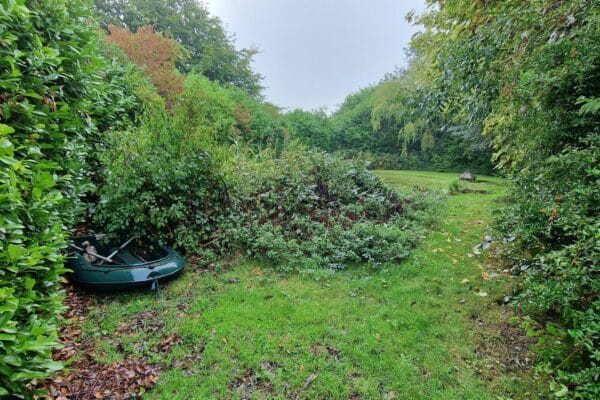
Circulation and oxygenation are fundamental to successful pond maintenance, yet they are often underestimated or misunderstood. Many pond owners focus heavily on filtration equipment while overlooking how water actually moves around the pond and how oxygen is distributed throughout the system.
Without good circulation and adequate oxygen levels, even the best filtration system will struggle to perform effectively. Waste settles in stagnant areas, beneficial bacteria receive less oxygen, and water quality gradually deteriorates. Over time, this leads to sludge build up, algae problems, and stressed fish.
Proper pond maintenance treats circulation and oxygenation as core elements rather than optional extras.
Why Water Movement Matters in a Pond
Water movement does far more than keep the pond looking active. Effective circulation ensures that waste is carried towards the filtration system, oxygen is distributed evenly, and temperature differences within the pond are reduced.
In poorly circulated ponds, waste tends to settle in areas where water movement is minimal. These dead spots often become sludge traps, creating long term maintenance issues that are difficult to resolve without intervention.
Good circulation also helps prevent surface scum, reduces the likelihood of blanket weed forming in sheltered areas, and supports healthier plant and fish life throughout the pond.
Understanding Dead Spots and Their Impact
Dead spots are areas of the pond where water movement is limited or non existent. These are commonly found in corners, behind planting shelves, beneath waterfalls, or in deeper sections of the pond.
In these areas:
-
Organic waste accumulates more quickly
-
Oxygen levels tend to be lower
-
Decomposition happens more slowly
-
Sludge becomes compacted
Dead spots are one of the main reasons ponds require periodic deep cleaning, even when filters appear to be working well. Effective pond maintenance aims to minimise these areas through thoughtful circulation design and equipment placement.
Oxygenation and Its Role in Pond Health
Oxygen is essential for both fish and beneficial bacteria. Fish rely on dissolved oxygen for respiration, while bacteria require oxygen to process waste efficiently within the filtration system.
Low oxygen levels place fish under constant stress, weakening their immune systems and increasing the risk of disease. Beneficial bacteria also become less effective, allowing ammonia and nitrite levels to rise.
Oxygen levels naturally fluctuate throughout the day. They are typically lowest in the early morning and during warm weather, when water holds less oxygen. This is why ponds often struggle most during summer if circulation and oxygenation are inadequate.
How Waste and Sludge Affect Oxygen Levels
As organic waste decomposes, it consumes oxygen. Sludge build up on the pond floor acts as a constant drain on available oxygen, particularly in deeper or poorly circulated areas.
This creates a cycle where:
-
Sludge reduces oxygen levels
-
Low oxygen slows biological filtration
-
Waste builds up more quickly
-
Water quality declines
Regular pond maintenance that controls sludge build up and supports circulation helps break this cycle and keeps oxygen levels more stable.
Equipment That Supports Circulation and Oxygenation
Several types of equipment contribute to water movement and oxygenation within a pond.
Pond pumps play a key role by moving water through the filtration system and back into the pond. Water returns such as waterfalls, streams, and jets help agitate the surface and introduce oxygen.
In larger ponds and lakes, or ponds with higher stocking levels, dedicated aeration systems are often required. These systems introduce air directly into the water, improving oxygen distribution throughout the water column rather than just at the surface.
Effective pond maintenance considers how all of these elements work together rather than relying on a single solution.
Circulation and Oxygenation in Koi Ponds
Koi ponds place much higher demands on circulation and oxygenation than lightly stocked garden ponds. Koi are large fish with high oxygen requirements, and they produce significant amounts of waste.
Inadequate circulation in koi ponds often leads to:
-
Poor waste transport to filters
-
Uneven water quality
-
Increased stress on fish
-
Reduced filtration efficiency
For koi ponds, circulation and oxygenation should be designed as part of the overall pond system, not treated as an afterthought. This is a key focus of professional pond maintenance and system design.
Seasonal Changes and Oxygen Demand
Oxygen demand changes throughout the year and plays an important role in seasonal pond maintenance.
During summer, warmer water holds less oxygen while biological activity increases. This makes circulation and aeration particularly important. In winter, reduced circulation and ice cover can trap harmful gases beneath the surface, creating dangerous conditions for fish.
Proper pond maintenance adapts circulation and oxygenation strategies to seasonal conditions, ensuring the pond remains stable year round.
Signs That Circulation or Oxygenation Is Inadequate
Problems with circulation and oxygenation often develop gradually. Common warning signs include:
-
Sludge accumulating in specific areas
-
Fish gathering near waterfalls or returns
-
Poor filter performance despite regular cleaning
-
Persistent algae growth in sheltered areas
-
Unpleasant smells during warm weather
Addressing circulation issues early prevents these symptoms from developing into larger maintenance problems.
Professional Assessment of Circulation and Oxygenation
Circulation and oxygenation issues are often subtle and difficult to diagnose without experience. Professional pond maintenance assessments look at water movement patterns, oxygen availability, and how waste travels through the system.
This approach identifies underlying issues that may not be obvious from surface appearance alone. Adjustments to pump positioning, return points, or aeration equipment can significantly improve pond health and reduce long term maintenance requirements.
Professional pond maintenance services often focus on improving circulation as a first step when dealing with recurring water quality or sludge issues.
Pond Cleaning and Sludge Control
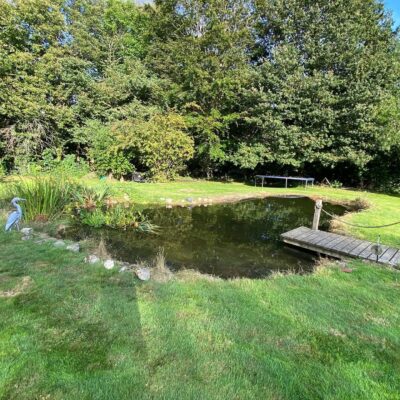
Pond cleaning and sludge control are often the most visible parts of pond maintenance, yet they are also the most misunderstood. Many pond owners only think about cleaning when the pond starts to look untidy, smells unpleasant, or develops persistent water quality problems. In reality, sludge management is a long term process that plays a central role in keeping a pond healthy.
Sludge forms gradually as organic material settles and decomposes on the pond floor. Leaves, fish waste, uneaten food, dead plant matter, and fine debris all contribute to this build up. Even ponds with good filtration will accumulate sludge over time, particularly in areas where water movement is limited.
Effective pond maintenance focuses on controlling sludge before it becomes a problem, rather than reacting once conditions deteriorate.
What Pond Sludge Actually Is
Pond sludge is made up of decomposing organic material mixed with fine sediment. As this material breaks down, it releases nutrients into the water and consumes oxygen. Over time, sludge becomes compacted and increasingly difficult to remove.
In deeper layers, sludge can also produce harmful gases such as hydrogen sulphide, which negatively affect water quality and fish health. These gases are often responsible for unpleasant odours and sudden drops in oxygen levels, particularly during warm weather or when sludge is disturbed.
Sludge is not always visible from the surface, which is why ponds can appear relatively clear while still suffering from underlying problems.
Why Sludge Is a Major Cause of Pond Problems
Uncontrolled sludge build up is linked to many common pond issues, including:
-
Persistent algae growth
-
Cloudy or murky water
-
Low oxygen levels
-
Unpleasant smells
-
Increased fish stress and health issues
As sludge releases nutrients into the water, it fuels algae growth and places additional strain on filtration systems. At the same time, oxygen consumption increases, reducing the availability of dissolved oxygen for fish and beneficial bacteria.
Regular pond maintenance that includes sludge control significantly reduces these risks and helps stabilise the entire pond system.
The Difference Between Surface Cleaning and Sludge Removal
Surface cleaning and sludge removal are often confused, but they serve very different purposes.
Surface cleaning focuses on removing floating debris such as leaves, pollen, and dead plant material before it sinks. This is an important preventative task and should be carried out regularly, especially during autumn.
Sludge removal addresses material that has already settled on the pond floor. This usually requires specialised equipment such as pond vacuums or professional cleaning tools. Sludge removal is typically carried out periodically rather than constantly, depending on pond size, stocking levels, and maintenance history.
Both tasks are essential parts of long term pond maintenance.
How Often Does a Pond Need Cleaning?
There is no fixed schedule for pond cleaning, as requirements vary depending on several factors:
-
Whether fish are present
-
Stocking levels
-
Filtration capacity
-
Amount of planting
-
Exposure to falling leaves
-
Pond depth and circulation
Lightly stocked wildlife ponds may only require occasional intervention, while koi ponds and heavily stocked ornamental ponds often benefit from more regular cleaning and sludge management.
A common mistake is leaving a pond untouched for many years and then attempting to resolve problems in one go. Gradual, planned cleaning as part of regular pond maintenance is far more effective and less disruptive.
Why Partial Cleaning Is Often Better Than Full Drain Downs
Many pond owners assume that a full drain and clean is the best solution to sludge problems. In reality, full drain downs can be highly disruptive if not carried out correctly.
Draining a pond removes beneficial bacteria, destabilises water chemistry, and places significant stress on fish. While full cleans are sometimes necessary, they should be approached carefully and usually only when other options are no longer effective.
Partial cleaning, where sludge is removed in stages while preserving as much biological balance as possible, is often the preferred approach. This method supports long term pond health and reduces recovery time.
Professional pond maintenance often focuses on controlled, staged cleaning rather than aggressive intervention.
Sludge Control in Wildlife Ponds
Wildlife ponds are often thought to be self sustaining, but sludge build up still occurs over time. Excessive sludge can reduce water depth, encourage stagnation, and eventually lead to ponds filling in completely.
Sensitive sludge management helps maintain open water, supports oxygen levels, and preserves habitat quality for amphibians and invertebrates. The key is timing and restraint, rather than complete removal.
Regular, light maintenance ensures wildlife ponds remain healthy without disturbing their ecological balance.
The Role of Sludge Control in Fish Health
Fish health is closely linked to sludge levels. As sludge builds up, oxygen levels drop and water quality deteriorates. Fish may become lethargic, lose appetite, or show signs of stress long before obvious problems appear.
Many fish health issues attributed to disease are actually caused by environmental stress linked to poor water quality and sludge accumulation. Addressing sludge as part of regular pond maintenance often resolves these issues without the need for treatments.
How Pond Cleaning Fits Into Long Term Maintenance
Pond cleaning should never be treated as a one off task. It is most effective when integrated into a broader maintenance plan that includes filtration care, circulation management, and water quality monitoring.
Regular maintenance prevents sludge from becoming compacted and difficult to remove. This reduces the need for invasive cleaning and helps keep ponds stable and easy to manage over time.
For ponds that have been neglected, professional intervention may be required initially, followed by a structured maintenance approach moving forward.
When Professional Pond Cleaning Is the Right Option
Professional pond cleaning becomes particularly valuable when:
-
Sludge levels are excessive
-
Water quality problems persist
-
Fish health issues are ongoing
-
The pond has not been maintained for several years
-
Filtration systems are struggling despite regular care
Professional pond cleaning services use specialist equipment and techniques to remove waste efficiently while minimising disruption to the pond system.
Combining professional cleaning with ongoing pond maintenance services provides long term stability and reduces the likelihood of recurring problems.
Plant Management as Part of Pond Maintenance
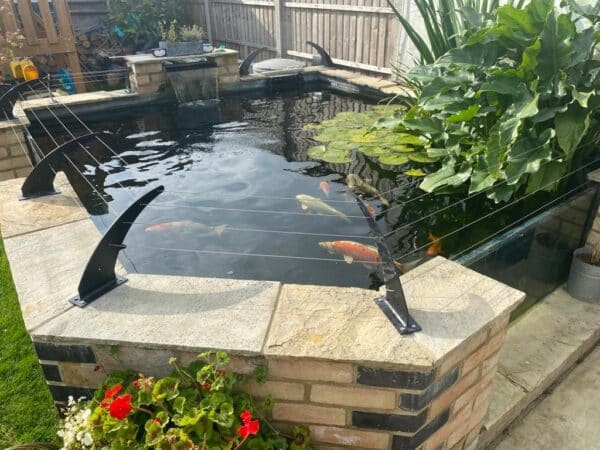
Plants play an important role in many ponds, but they are also one of the most common causes of maintenance problems when left unmanaged. While pond plants are often added for visual appeal or wildlife value, they directly affect water quality, oxygen levels, filtration performance, and long term pond health.
Effective plant management is not about removing plants altogether. It is about maintaining the right balance between growth and control. When plant growth is managed correctly, ponds are easier to maintain, water quality is more stable, and the pond remains visually attractive throughout the year.
Poor plant management, on the other hand, often leads to excess organic waste, sludge build up, reduced circulation, and ongoing algae issues.
The Role Plants Play in a Pond System
Pond plants contribute to a pond in several important ways. They provide shade, help reduce algae growth by competing for nutrients, offer shelter for fish and wildlife, and can improve the overall appearance of the pond.
Some submerged plants also contribute oxygen to the water during daylight hours, supporting fish and beneficial bacteria. Marginal plants stabilise pond edges and soften hard landscaping, while floating plants help limit direct sunlight reaching the water.
However, these benefits only apply when plant growth is kept under control. Unchecked plant growth quickly shifts from being helpful to harmful.
Why Unmanaged Plant Growth Causes Problems
One of the most common pond maintenance issues is excessive planting. Over time, plants spread, thicken, and begin to dominate the pond, particularly in shallow areas.
When plant growth becomes excessive:
-
Circulation is restricted
-
Waste becomes trapped within plant roots
-
Dead growth accumulates unseen
-
Oxygen levels fluctuate more dramatically
-
Sludge builds up faster
As plants die back naturally, particularly in autumn, large amounts of organic material are released into the water. If this material is not removed, it sinks and contributes directly to sludge formation and declining water quality.
Regular pond maintenance prevents plant growth from reaching this stage.
Understanding Different Types of Pond Plants
Not all pond plants behave in the same way, and each type requires a slightly different maintenance approach.
Marginal plants grow along the edges and shelves of the pond. They require periodic thinning to prevent them spreading into open water and restricting circulation.
Submerged plants grow beneath the surface and can quickly become dense if conditions are favourable. While useful in moderation, they can trap debris and restrict water movement if left unmanaged.
Floating plants provide shade but can multiply rapidly during warm weather. Excessive surface coverage reduces light penetration and gas exchange, leading to oxygen problems.
Effective plant management involves monitoring how each plant type behaves within the specific pond environment rather than applying a one size fits all approach.
Seasonal Plant Maintenance and Timing
Plant maintenance should always take seasonal cycles into account. Cutting back or removing plants at the wrong time can cause unnecessary disruption or create additional problems.
During spring and summer, plant growth is vigorous and requires regular monitoring. Light thinning during this period prevents overcrowding and reduces maintenance later in the year.
Autumn is a critical time for plant management. As plants begin to die back, dead and decaying growth should be removed promptly to prevent it entering the pond. This is one of the most effective ways to reduce sludge build up and protect water quality going into winter.
Winter is generally a time for minimal intervention, focusing on removing obvious debris and preparing for the next growing season.
Plant Pots, Substrate, and Hidden Waste
Plant pots and planting baskets are often overlooked during pond maintenance. Over time, fine sediment and organic waste collect around plant containers and within planting substrate.
This trapped material decomposes slowly and contributes to sludge build up, particularly in shallow areas with limited circulation. During maintenance visits, it is common to find significant waste accumulation hidden beneath otherwise healthy looking plants.
Lifting and cleaning plant baskets periodically forms an important part of thorough pond maintenance and helps prevent long term problems.
Balancing Plant Coverage and Open Water
A healthy pond requires a balance between planted areas and open water. Too little planting can lead to excessive algae growth, while too much planting restricts circulation and oxygen exchange.
As a general principle, ponds benefit from having clear areas where water can circulate freely and waste can be transported efficiently to the filtration system. Open water also makes it easier to observe fish health and detect early signs of problems.
Maintaining this balance is an ongoing process rather than a one off task.
Plant Management in Wildlife Ponds
Wildlife ponds benefit greatly from planting, but they are not maintenance free. Without periodic intervention, wildlife ponds often become choked with vegetation and gradually fill in with organic matter.
Sensitive plant management helps preserve open water, maintain oxygen levels, and support a wider range of species. The key is selective thinning rather than complete clearance, carried out at appropriate times of year.
Regular, gentle maintenance ensures wildlife ponds remain healthy habitats rather than stagnating over time.
How Plant Management Supports Long Term Pond Maintenance
When plant growth is managed correctly, many other aspects of pond maintenance become easier. Filtration systems cope better, sludge builds up more slowly, oxygen levels remain more stable, and algae problems are reduced.
Plant management should always be viewed as part of a wider maintenance strategy rather than an isolated task. Ignoring plant growth while focusing solely on filtration or water treatments rarely produces good long term results.
When Professional Plant Management Is Beneficial
Professional support can be valuable when plant growth has become excessive or difficult to manage safely. This is particularly true for larger ponds, deep ponds, or ponds with extensive planting shelves.
Professional pond maintenance services include plant thinning, removal of dead growth, lifting and cleaning planting baskets, and restoring balance without destabilising the pond system.
For ponds that have been left unmanaged for several years, professional intervention often provides a clean starting point before transitioning to routine maintenance.

After sludge reduction and maintenance
Fish Care and Stocking Levels
Fish are often the centrepiece of a pond, but they also place the greatest demands on the pond system. Every fish produces waste, consumes oxygen, and relies entirely on water quality for its health and wellbeing. For this reason, fish care and stocking levels are central to effective pond maintenance.
Many pond problems that appear to be filtration or water quality issues are actually caused by stocking levels that exceed what the pond can realistically support. Understanding how fish affect the pond environment is essential for maintaining long term stability and avoiding recurring problems.
Why Stocking Levels Matter More Than People Think
One of the most common maintenance issues seen in ponds is overstocking. Fish grow larger over time, feeding levels increase, and waste production rises accordingly. What starts as a lightly stocked pond can gradually become overloaded without the owner realising.
When stocking levels exceed the pond’s capacity:
-
Water quality becomes unstable
-
Filtration struggles to keep up
-
Oxygen demand increases
-
Sludge builds up more quickly
-
Fish experience chronic stress
These changes often happen gradually, which is why overstocking is frequently overlooked. Regular pond maintenance helps identify when a pond is approaching its limits before serious problems develop.
Fish Waste and Its Impact on Pond Maintenance
Fish waste is the primary source of ammonia in most ponds. This waste must be processed efficiently by biological filtration to prevent toxic build up.
As fish grow and feeding increases, waste production rises significantly. This places additional strain on filters, increases oxygen consumption, and accelerates sludge formation.
Effective pond maintenance considers the total biological load of the pond, not just the number of fish present. A small number of large fish can produce far more waste than a larger number of smaller fish.
Feeding Practices and Their Role in Pond Health
Feeding plays a major role in fish health and pond maintenance. Overfeeding is one of the fastest ways to destabilise a pond.
Uneaten food sinks to the bottom, where it decomposes and contributes directly to sludge build up and poor water quality. Even food that is eaten ultimately becomes waste and must be processed by the filtration system.
Good feeding practice involves:
-
Feeding only what fish will consume quickly
-
Adjusting feeding based on water temperature
-
Reducing or stopping feeding during colder months
-
Avoiding sudden increases in feeding levels
Responsible feeding reduces waste, supports stable water quality, and makes pond maintenance far easier.
Koi Ponds and Higher Maintenance Demands
Koi ponds require a much higher standard of fish care and maintenance than lightly stocked garden ponds. Koi grow large, live for many years, and produce significant amounts of waste.
In koi ponds:
-
Filtration must be generously sized
-
Circulation and oxygenation are critical
-
Stocking levels must be carefully managed
-
Water quality must remain consistently stable
Many koi pond problems are the result of systems that were adequate when the fish were young but became overwhelmed as the fish matured. Regular assessment of stocking levels and filtration capacity is an essential part of professional pond maintenance for koi ponds.
Fish Health as an Indicator of Pond Conditions
Fish behaviour often provides early warning signs of maintenance issues. Changes in activity, appetite, or swimming patterns can indicate declining water quality long before test results show obvious problems.
Common warning signs include:
-
Fish gasping near the surface or returns
-
Lethargy or isolation
-
Flashing or rubbing against surfaces
-
Loss of appetite
These behaviours are frequently linked to environmental stress rather than disease. Addressing underlying pond maintenance issues often resolves fish health concerns without the need for treatments.
Seasonal Considerations for Fish Care
Fish care requirements change throughout the year and should always be considered as part of seasonal pond maintenance.
In spring, fish become more active and feeding resumes gradually. In summer, higher temperatures increase metabolism and oxygen demand. In autumn, feeding levels should reduce as temperatures fall. In winter, feeding often stops altogether, and maintaining stable conditions becomes the priority.
Adjusting fish care seasonally reduces stress and helps maintain stable water quality year round.
Introducing New Fish and Biosecurity
Adding new fish introduces additional biological load and potential health risks. New fish should always be introduced gradually, allowing the filtration system time to adjust.
Quarantine procedures, where practical, reduce the risk of introducing parasites or disease. Sudden increases in stocking levels without corresponding filtration capacity often lead to water quality problems shortly afterwards.
Professional pond maintenance can help assess whether a pond is ready to support additional fish safely.
When Fish Care Requires Professional Support
Professional support becomes valuable when fish health issues persist or stocking levels are unclear. Professional pond maintenance services assess the pond as a whole, rather than focusing solely on individual symptoms.
This includes evaluating:
-
Stocking levels relative to pond volume
-
Filtration capacity
-
Oxygen availability
-
Feeding practices
-
Long term maintenance requirements
Addressing these factors together produces far better results than isolated treatments.
Long Term Benefits of Proper Fish Care
When fish care is managed correctly as part of ongoing pond maintenance:
-
Fish remain healthier and less stressed
-
Water quality stays more stable
-
Filtration systems perform better
-
Algae problems are reduced
-
Maintenance becomes more predictable
Fish thrive best in ponds where conditions remain consistent and balanced over time.
Seasonal Pond Maintenance Explained
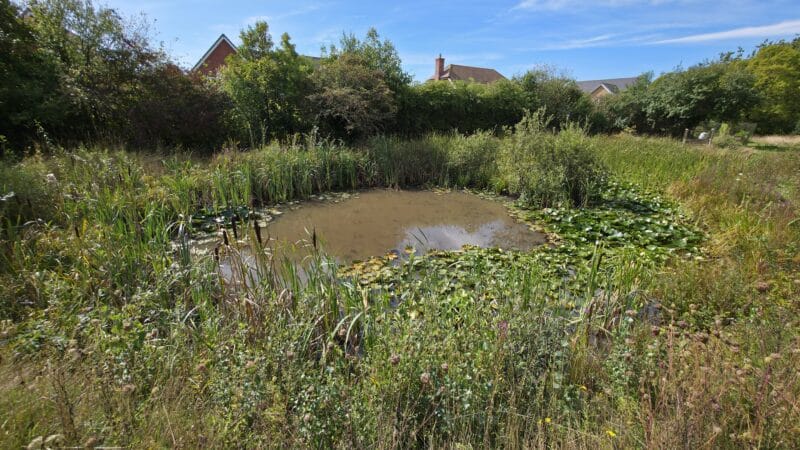
Pond maintenance is not the same throughout the year. Water temperature, biological activity, plant growth, fish behaviour, and oxygen levels all change with the seasons. Understanding how these changes affect your pond is essential for maintaining long term stability and avoiding recurring problems.
Many pond issues arise because seasonal changes are not accounted for. Filters are restarted too aggressively in spring, ponds are under-maintained during summer, leaves are left too long in autumn, or winter conditions are ignored entirely. Seasonal pond maintenance exists to guide the pond smoothly through these transitions rather than reacting once problems appear.
A well maintained pond should feel predictable year round, even though the tasks involved change with the seasons.
Spring Pond Maintenance – Restarting the System Safely
Spring is a critical period for pond maintenance. As water temperatures rise, biological activity begins to increase, fish become more active, and filtration systems start working harder again after winter.
One of the most common mistakes in spring is doing too much too quickly. Beneficial bacteria within filters are often reduced over winter and need time to re-establish. Aggressive cleaning or sudden increases in feeding can overwhelm the system.
Spring pond maintenance should focus on:
-
Gradual filter checks rather than deep cleaning
-
Removing debris that accumulated over winter
-
Testing water quality as activity increases
-
Slowly reintroducing feeding as temperatures rise
Taking a steady approach in spring supports biological filtration and prevents water quality issues later in the year.
Summer Pond Maintenance – Managing Peak Demand
Summer places the highest demands on a pond. Warm water increases biological activity, fish feed more heavily, and oxygen levels naturally decrease as water temperature rises.
During summer, pond maintenance focuses on consistency and monitoring rather than major interventions.
Key summer considerations include:
-
Keeping filters clean enough to maintain good flow
-
Managing sludge build up before it becomes compacted
-
Monitoring fish behaviour for early signs of stress
-
Ensuring circulation and oxygenation remain effective
-
Topping up water carefully to account for evaporation
Many summer pond problems are the result of systems operating at their limits. Regular maintenance during this period prevents small issues from escalating into serious problems.
Autumn Pond Maintenance – Preparing for the Hardest Season
Autumn is one of the most important times for pond maintenance, yet it is often underestimated. Falling leaves, dying plant growth, and reduced daylight all contribute to increased organic waste entering the pond.
If this waste is not managed properly, it sinks and decomposes over winter, creating sludge and releasing nutrients that cause problems in spring.
Autumn pond maintenance should prioritise:
-
Regular removal of fallen leaves
-
Cutting back and removing dying plant material
-
Reducing feeding as water temperatures drop
-
Checking filtration systems before winter
-
Managing sludge levels before cold weather sets in
Proper autumn maintenance dramatically reduces winter stress and spring recovery time.
Winter Pond Maintenance – Stability Over Activity
Winter pond maintenance is about protecting stability rather than promoting activity. Fish metabolism slows, biological filtration becomes less active, and water circulation may reduce.
Despite common belief, ponds should not be completely ignored during winter. Reduced circulation and ice cover can trap harmful gases, leading to dangerous conditions for fish.
Winter pond maintenance focuses on:
-
Monitoring equipment to ensure it continues to operate
-
Preventing complete ice cover where possible
-
Avoiding unnecessary disturbance to the pond
-
Removing obvious debris when conditions allow
Maintaining gas exchange and stable conditions helps fish overwinter safely and prepares the pond for a smoother spring transition.
How Seasonal Maintenance Prevents Long Term Problems
Seasonal pond maintenance is about timing. Tasks carried out at the right time of year require less effort and produce better results.
For example:
-
Removing plant debris in autumn prevents sludge build up
-
Supporting filtration gently in spring avoids water quality crashes
-
Managing oxygen levels in summer protects fish health
-
Preventing ice cover in winter avoids gas build up
When seasonal maintenance is neglected, ponds often enter a cycle of recurring problems that require increasingly invasive solutions.
Adjusting Maintenance for Different Pond Types
Not all ponds respond to seasons in the same way. Koi ponds, wildlife ponds, ornamental ponds, and large lakes all require slightly different seasonal approaches.
Koi ponds demand closer monitoring during summer due to high feeding levels and oxygen demand. Wildlife ponds benefit from sensitive autumn and winter maintenance to protect habitats. Formal ornamental ponds often require more structured seasonal care to maintain appearance.
Professional pond maintenance adapts seasonal care to the specific pond rather than applying a generic checklist.
When Seasonal Maintenance Benefits from Professional Support
Seasonal transitions are when many pond owners seek professional help. Spring restarts, autumn preparation, and recovery from neglected maintenance are all situations where professional involvement adds significant value.
Scheduled pond maintenance services ensure seasonal tasks are carried out at the right time, using the correct approach for the pond type. This prevents problems developing and reduces the overall workload for pond owners.
Long Term Benefits of Seasonal Pond Maintenance
When seasonal maintenance is carried out consistently:
-
Water quality remains more stable
-
Filtration systems perform more reliably
-
Fish experience less stress
-
Sludge build up is reduced
-
Emergency interventions become rare
Seasonal pond maintenance turns year round care into a manageable routine rather than a constant battle.
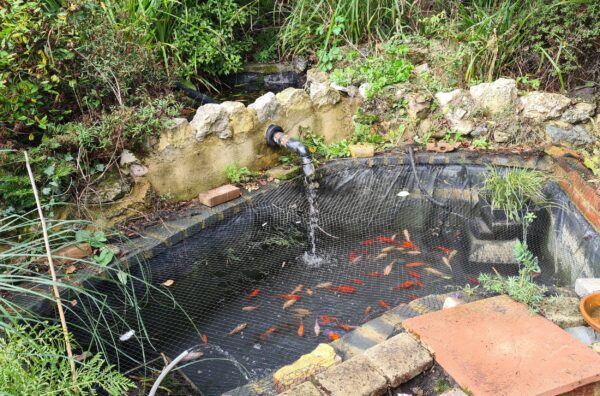
DIY Pond Maintenance vs Professional Pond Maintenance
Many pond owners take pride in looking after their pond themselves, and for good reason. Regular observation, small routine tasks, and an understanding of how the pond behaves are all valuable parts of long term pond maintenance. However, there is an important distinction between what can realistically be handled as part of DIY pond care and when professional support becomes beneficial.
Understanding this difference helps pond owners avoid frustration, prevent long term damage, and ensure their pond remains healthy rather than becoming a constant source of work.
What DIY Pond Maintenance Does Well
DIY pond maintenance is well suited to regular, light touch tasks that keep the pond tidy and allow problems to be spotted early.
These tasks often include:
-
Removing surface debris such as leaves and pollen
-
Checking pumps and filters are running correctly
-
Carrying out basic filter cleaning
-
Observing fish behaviour and feeding habits
-
Topping up water levels carefully
These routine tasks form the foundation of good pond maintenance. Pond owners who engage regularly with their pond often notice changes more quickly, which is a significant advantage.
DIY maintenance also helps pond owners develop a better understanding of how their pond responds to weather, seasons, and feeding levels.
The Limitations of DIY Pond Maintenance
While DIY maintenance is valuable, it has clear limitations. Some aspects of pond maintenance require specialist equipment, technical knowledge, or experience that is difficult to replicate without professional support.
Common challenges with DIY pond maintenance include:
-
Sludge removal from deeper areas
-
Diagnosing recurring water quality issues
-
Assessing filtration capacity accurately
-
Managing heavily stocked koi ponds
-
Carrying out safe partial drain downs
-
Correcting long term neglect
In many cases, DIY efforts focus on symptoms rather than underlying causes. For example, repeated algae treatments may be used instead of addressing excess nutrients or filtration imbalance. Over time, this can lead to frustration and escalating problems.
When Professional Pond Maintenance Adds Real Value
Professional pond maintenance is not about replacing DIY care, but complementing it. Professional involvement is particularly valuable at key points in a pond’s life cycle or when problems become persistent.
Professional pond maintenance services are especially beneficial when:
-
The pond has not been cleaned for several years
-
Sludge levels are excessive
-
Water quality problems keep returning
-
Fish health issues persist despite good care
-
Filtration systems are undersized or ageing
-
Seasonal maintenance has been missed
Professionals assess the pond as a whole system rather than treating individual issues in isolation. This systems based approach is what often makes the difference between temporary improvement and long term stability.
Professional Equipment and Experience
One of the biggest advantages of professional pond maintenance is access to specialist equipment. High powered vacuums, aeration tools, and filtration testing equipment allow work to be carried out efficiently and with minimal disruption.
Just as important is experience. Professional maintenance teams have seen the same problems develop across many different ponds and can identify patterns that are easy to miss. This experience allows issues to be resolved correctly rather than through trial and error.
Professional pond maintenance also reduces the risk of accidental damage to liners, fibreglass finishes, pipework, or filtration systems.
Koi Ponds and the Case for Professional Maintenance
Koi ponds sit firmly at the more demanding end of pond maintenance. High stocking levels, heavy feeding, and valuable fish mean that mistakes can be costly.
Professional involvement in koi pond maintenance helps ensure:
-
Filtration systems are correctly sized and maintained
-
Water quality remains stable year round
-
Oxygen levels are adequate during warm weather
-
Sludge is managed safely
-
Fish health issues are addressed early
Many koi pond owners combine regular DIY observation with scheduled professional visits to maintain the highest standards of care.
Cost Considerations and Long Term Value
Some pond owners view professional maintenance as an unnecessary expense. In reality, regular professional involvement often reduces long term costs by preventing major problems.
Neglected ponds frequently require:
-
Full or partial drain downs
-
Filtration upgrades
-
Replacement equipment
-
Fish treatments or losses
-
Structural repairs
In contrast, ponds that receive periodic professional maintenance tend to be more stable, require fewer emergency interventions, and are cheaper to manage over time.
Combining DIY Care With Professional Support
The most successful approach to pond maintenance is usually a combination of DIY care and professional support.
DIY maintenance keeps the pond tidy and allows early detection of issues. Professional maintenance provides deeper intervention, technical assessment, and long term planning.
This balanced approach ensures ponds remain healthy, manageable, and enjoyable without becoming a constant burden.
Choosing the Right Level of Support
There is no single correct level of professional involvement. Some ponds benefit from annual deep cleaning, while others require more regular visits depending on size, stocking, and complexity.
Professional pond care services can be tailored to suit individual ponds, providing anything from occasional intervention through to scheduled maintenance plans that cover the pond throughout the year.
Choosing the right level of support ensures pond maintenance remains proportionate and effective.
Long Term Outcomes of the Right Maintenance Approach
When DIY care and professional maintenance are combined effectively:
-
Water quality remains stable
-
Fish are healthier and less stressed
-
Filtration systems perform better
-
Sludge build up is controlled
-
Ponds are easier to manage long term
Ultimately, the goal of pond maintenance is not constant effort, but long term balance and enjoyment.
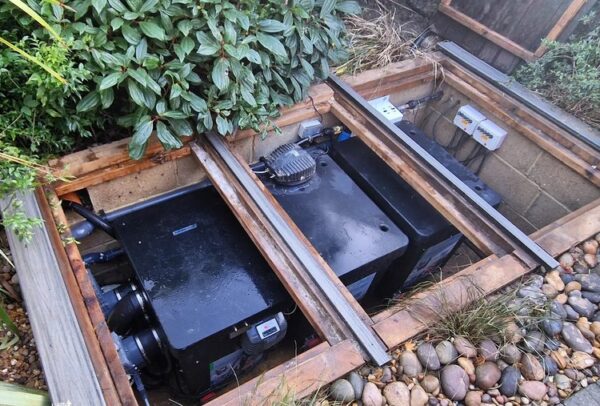
Long Term Pond Care and Sustainability
Long term pond care is about building a system that remains stable, healthy, and manageable over many years, not just keeping the pond looking good in the short term. While quick fixes and reactive treatments can solve immediate problems, they rarely create lasting results.
Sustainable pond maintenance focuses on balance. When waste production, filtration capacity, circulation, oxygen levels, planting, and stocking are properly matched, the pond becomes far easier to look after. Problems occur less frequently, maintenance tasks become more predictable, and the overall workload reduces rather than increases.
This approach applies to all ponds, from small garden ponds through to koi ponds and large natural lakes.
Why Sustainability Matters in Pond Maintenance
Many pond problems arise because systems are pushed beyond their limits. Fish outgrow the filtration, plant growth is allowed to dominate, or sludge is left to accumulate for years. Over time, this creates a cycle where more intervention is required just to maintain basic water quality.
Sustainable pond care breaks this cycle by addressing causes rather than symptoms. Waste is managed before it becomes a problem, filtration is supported rather than overloaded, and seasonal changes are anticipated rather than reacted to.
This not only improves pond health but also protects equipment, fish, and the pond structure itself.
Reducing Intervention Through Better Balance
A well balanced pond requires fewer chemical treatments, fewer emergency cleans, and less intensive maintenance overall. As biological processes stabilise, beneficial bacteria become more effective, oxygen levels remain more consistent, and algae growth becomes easier to control naturally.
Long term pond care favours:
-
Gradual adjustments rather than sudden changes
-
Consistent routines rather than infrequent heavy work
-
Prevention rather than reaction
Over time, this leads to a pond that is easier to manage and more enjoyable to own.
Sustainable Care for Fish and Wildlife
Sustainability is particularly important where fish and wildlife are concerned. Stable water quality, controlled waste levels, and adequate oxygen reduce stress on fish and support healthier immune systems.
In wildlife ponds, sustainable care preserves habitat quality and biodiversity. Sensitive, well timed maintenance ensures ponds remain suitable for amphibians, insects, and aquatic plants without allowing them to stagnate or fill in.
Regular, appropriate maintenance protects both ornamental and natural pond ecosystems.
The Role of Design and Equipment in Long Term Care
Long term sustainability is strongly influenced by how a pond is designed and equipped. Undersized filters, poor circulation, and limited access for maintenance all increase the effort required to keep a pond healthy.
As part of long term pond care, it is often worth reviewing whether the existing setup still meets the pond’s needs. Fish growth, maturing plants, and changing usage can all affect maintenance requirements over time.
In some cases, modest upgrades to filtration or circulation can dramatically reduce maintenance demands and improve long term stability.
Professional Support and Sustainable Pond Maintenance
Professional involvement plays an important role in sustainable pond care, particularly for larger or more complex ponds. Professional pond maintenance services assess the pond as a complete system and help identify areas where small changes can deliver long term benefits.
This might include adjusting filtration capacity, improving circulation, managing sludge levels more effectively, or planning seasonal maintenance more strategically.
Professional guidance helps ensure maintenance efforts are proportionate and focused on long term results rather than short term fixes.
Long Term Benefits of a Sustainable Approach
When pond care is approached sustainably:
-
Water quality remains more stable
-
Fish and wildlife thrive
-
Equipment lasts longer
-
Algae and sludge problems reduce
-
Maintenance becomes simpler and less frequent
Most importantly, the pond remains an asset rather than a liability.
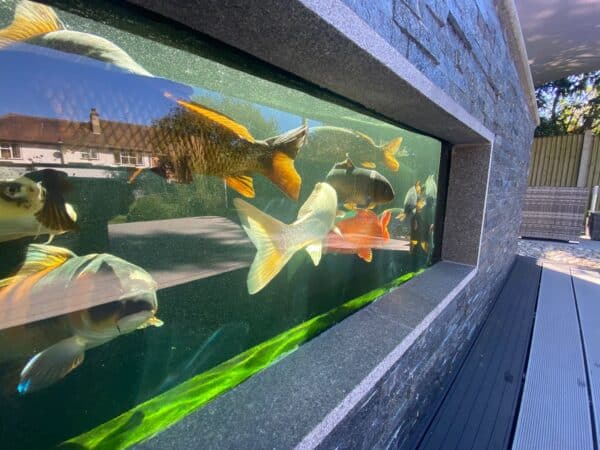
Bringing It All Together – Long Term Pond Maintenance That Actually Works
Pond maintenance is not about chasing problems as they appear. It is about understanding how a pond functions as a complete system and guiding it towards long term stability. When water quality, filtration, circulation, cleaning, plant growth, fish care, and seasonal changes are managed together, ponds become far easier to look after and far more enjoyable.
The most common pond problems rarely have a single cause. Algae blooms, cloudy water, unpleasant smells, and fish health issues are usually the result of several small issues building up over time. This is why quick fixes and isolated treatments often fail. Without addressing the underlying balance of the pond, problems tend to return.
Effective pond maintenance works because it focuses on prevention rather than reaction. Waste is removed before it becomes sludge. Filtration is supported rather than overworked. Oxygen levels remain stable. Seasonal changes are anticipated rather than ignored. Over time, the pond settles into a more predictable, manageable state.
Why Experience Matters in Pond Maintenance
No two ponds behave in exactly the same way. Differences in size, depth, stocking levels, planting, filtration design, and surrounding environment all influence how a pond needs to be maintained.
This is why experience matters. Understanding how ponds respond over months and years allows maintenance to be adapted rather than applied blindly. Many long term issues can be avoided entirely by recognising early warning signs and adjusting maintenance before problems take hold.
A pond that is looked after consistently will always outperform one that relies on occasional intervention, regardless of how advanced the equipment may be.
A Sustainable Approach to Pond Care
The ultimate goal of pond maintenance is sustainability. A well maintained pond should not require constant effort or repeated treatments. Instead, it should gradually become easier to manage as biological balance improves and maintenance routines settle.
Sustainable pond maintenance:
-
Protects fish health
-
Reduces algae and water quality issues
-
Extends the lifespan of equipment
-
Minimises disruption to the pond environment
-
Lowers long term maintenance costs
This approach benefits garden ponds, koi ponds, wildlife ponds, and large lakes alike.
When Professional Support Makes the Difference
While many pond owners successfully carry out routine tasks themselves, professional involvement often makes the difference between short term improvement and lasting results.
Professional pond maintenance services provide a systems based approach, addressing root causes rather than symptoms. Whether it is periodic sludge removal, filtration assessment, seasonal preparation, or recovery from long term neglect, expert support helps ponds return to a healthy, stable condition more quickly and with less risk.
Combining informed DIY care with professional maintenance support is often the most effective long term strategy.
Professional Pond Care Services
We proudly work across Kent, London, Essex, Surrey, Sussex, Berkshire, and Hampshire, delivering professional pond cleaning, maintenance, and building services tailored to each pond’s individual needs, from small garden ponds through to large natural lakes.
These services form part of our pond care services, covering everything from routine maintenance and seasonal care through to specialist pond construction, filtration upgrades, and full pond restorations.
If you would like expert help maintaining your pond, or you simply want professional advice on the best way forward, get in touch today for a free quote and let That Pond Guy look after your pond with experienced workmanship and honest advice.
Final Thought
A healthy pond is not defined by how it looks on a good day, but by how consistently it performs over time. With the right approach to pond maintenance, ponds remain clearer, healthier, and easier to manage year after year.
This guide has been written to give pond owners a clear, practical understanding of how pond maintenance really works. Whether you maintain your pond yourself or rely on professional support, applying these principles will protect your pond and ensure it continues to be an asset rather than a source of frustration.
