





Waterlilies for Garden Ponds
Beautiful, functional and essential pond plants that bring colour, shade and balance to any pond.
Transform Your Pond with Waterlilies
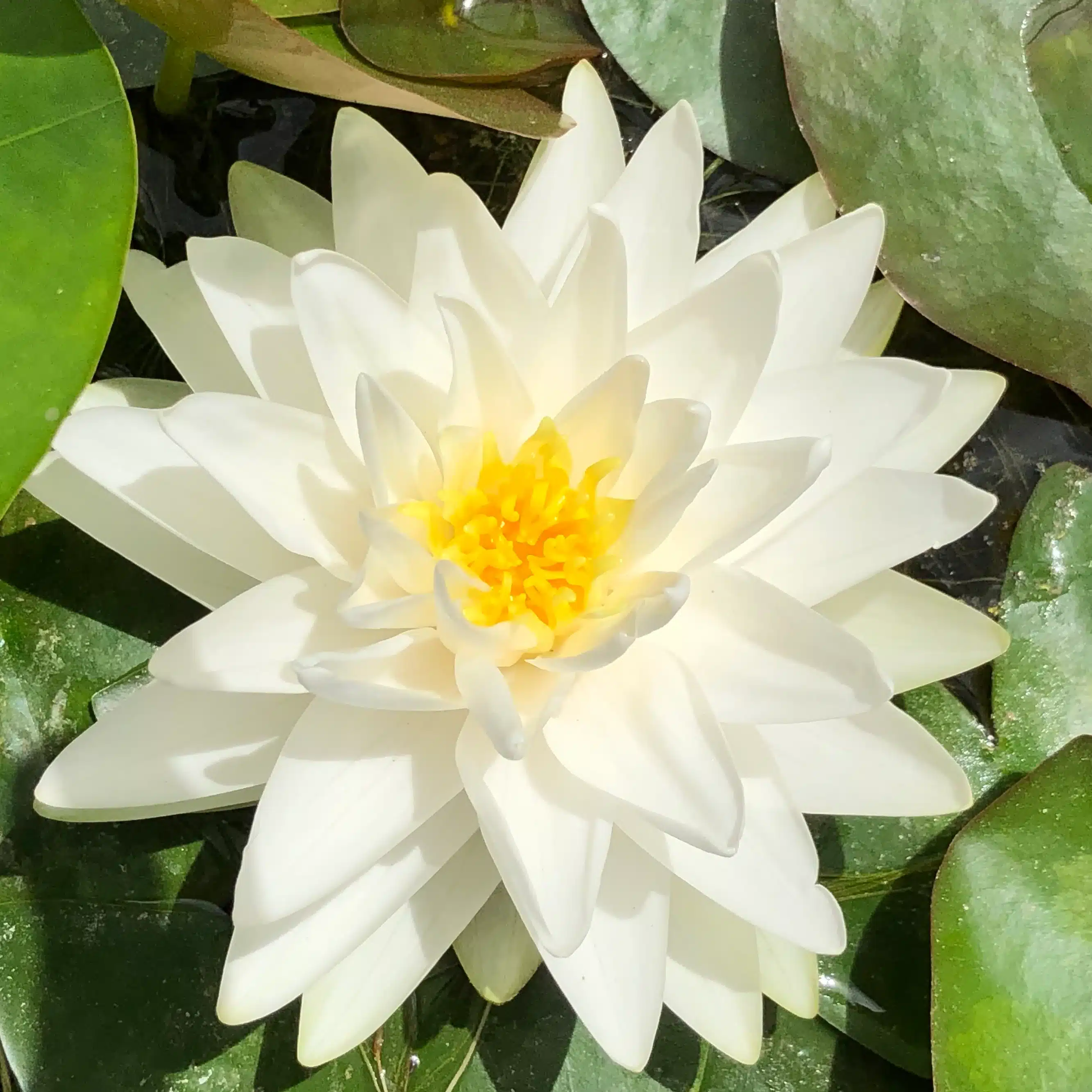
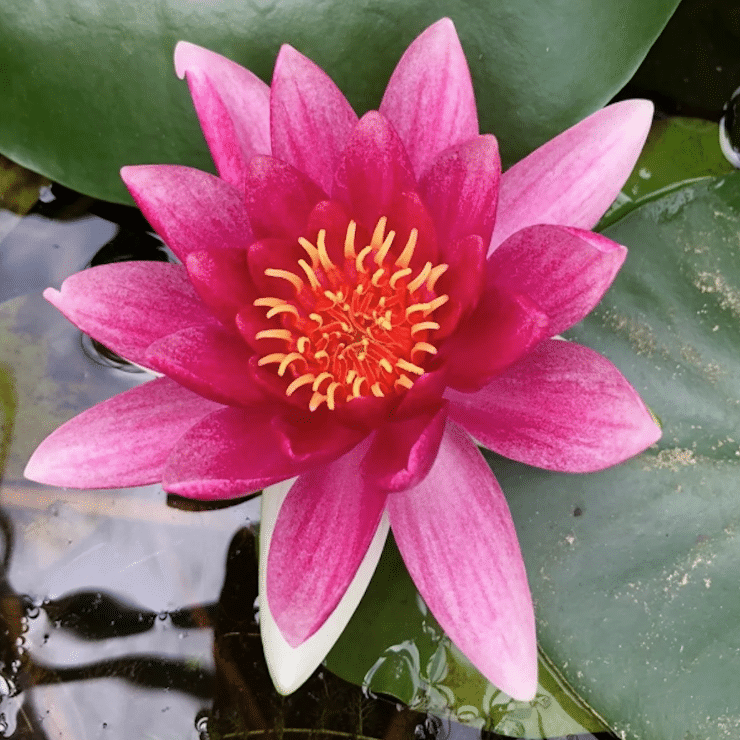
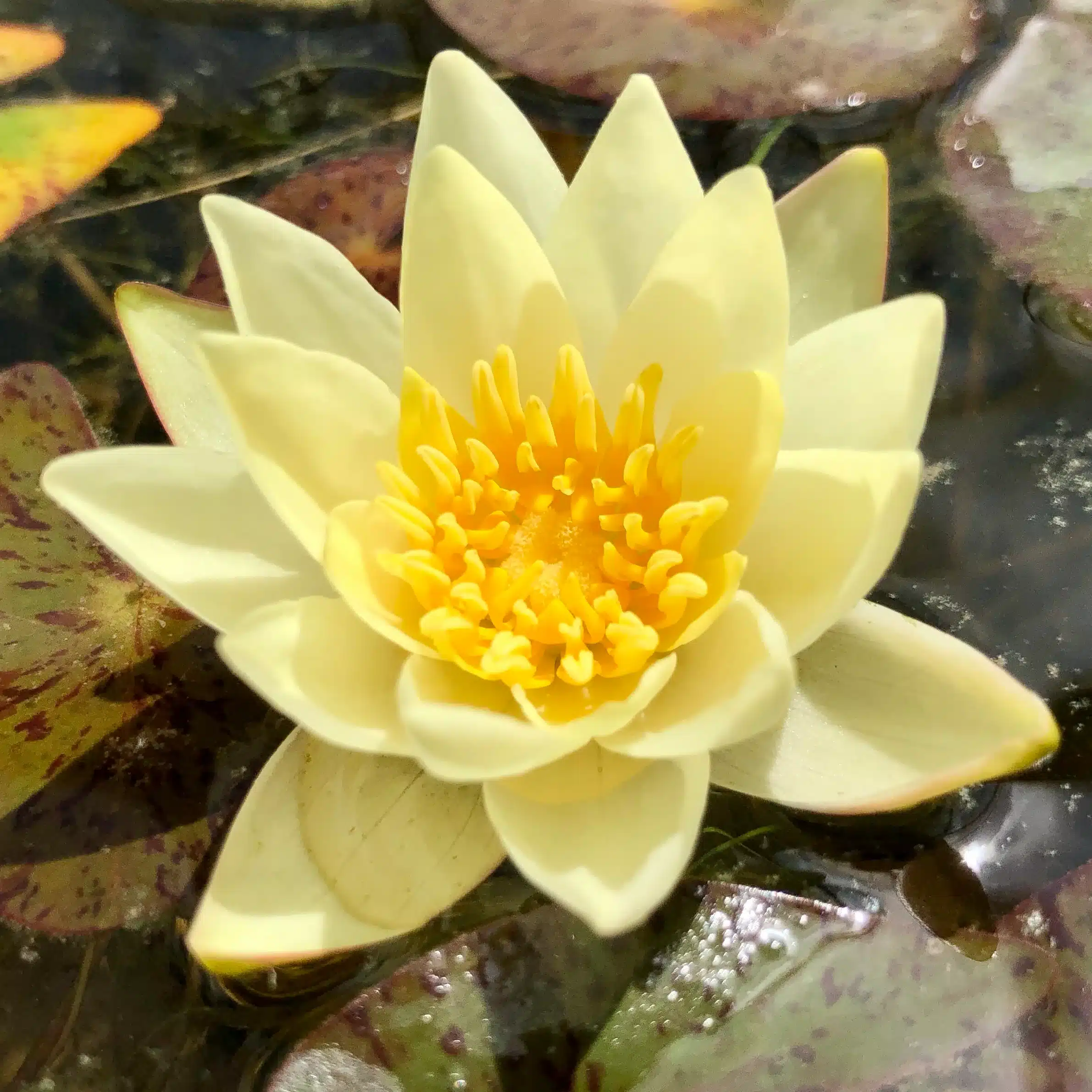
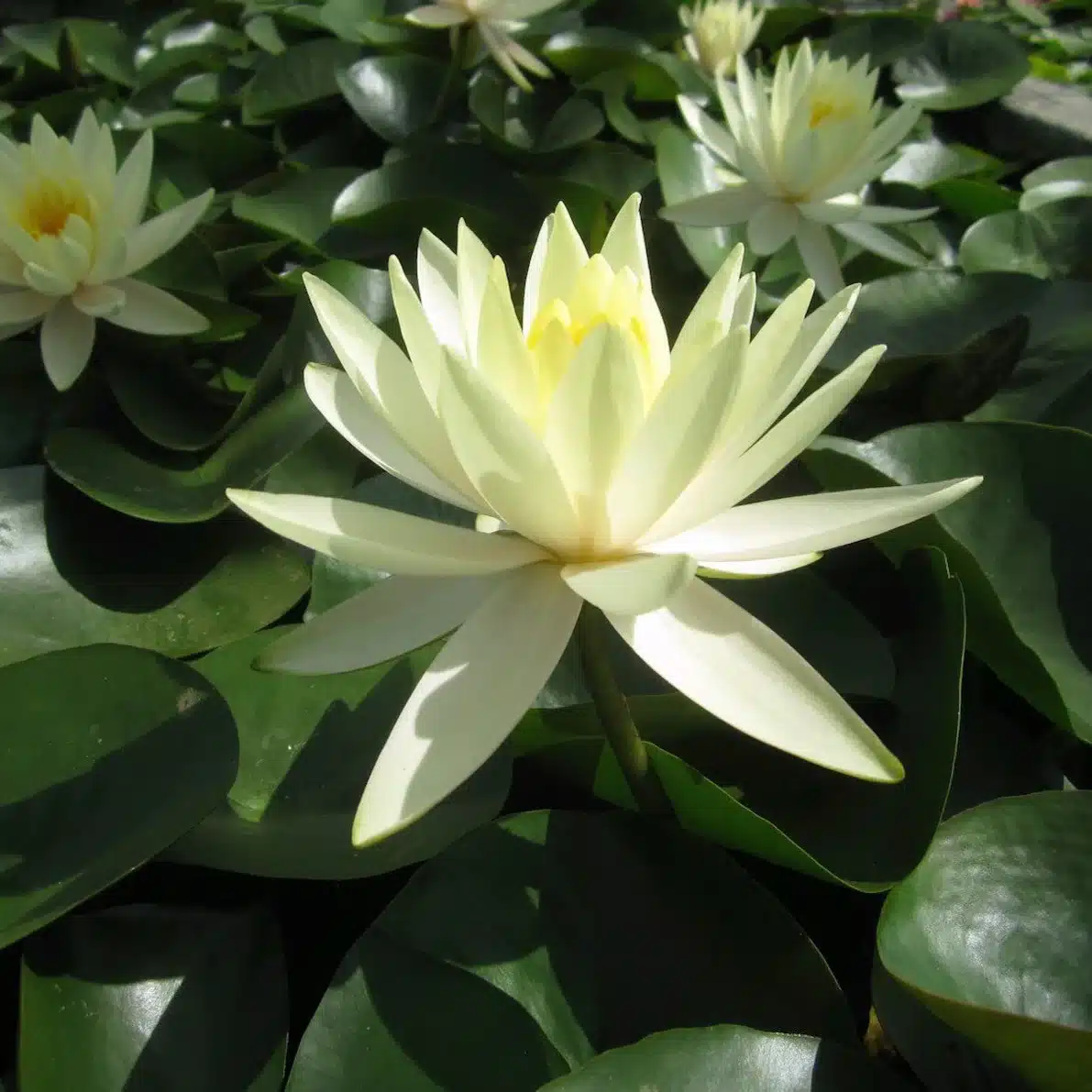
Waterlilies are one of the most important and rewarding plants you can add to your pond. Known for their stunning floating flowers and broad lily pads, they not only create a beautiful focal point but also play a vital role in maintaining a healthy pond ecosystem.
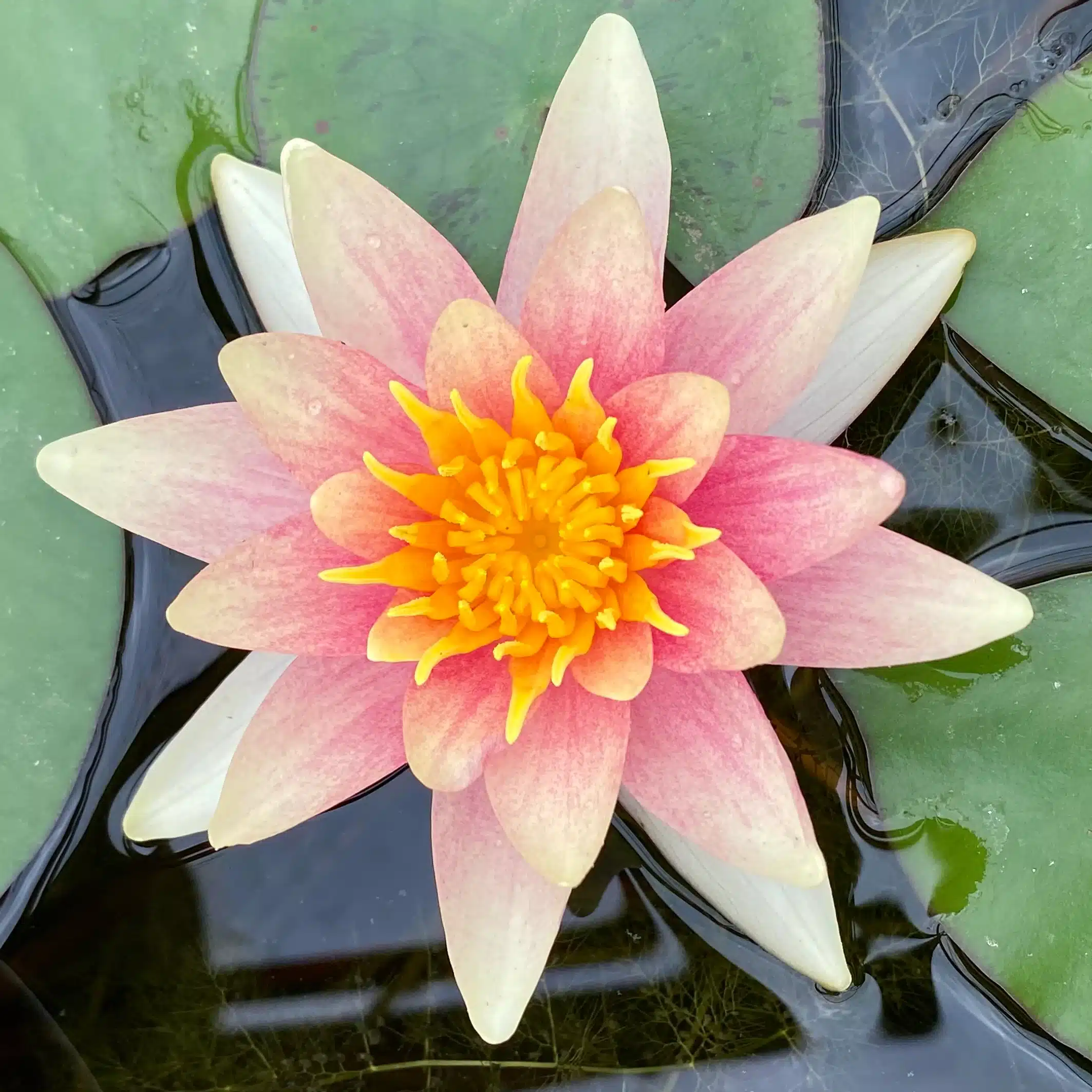
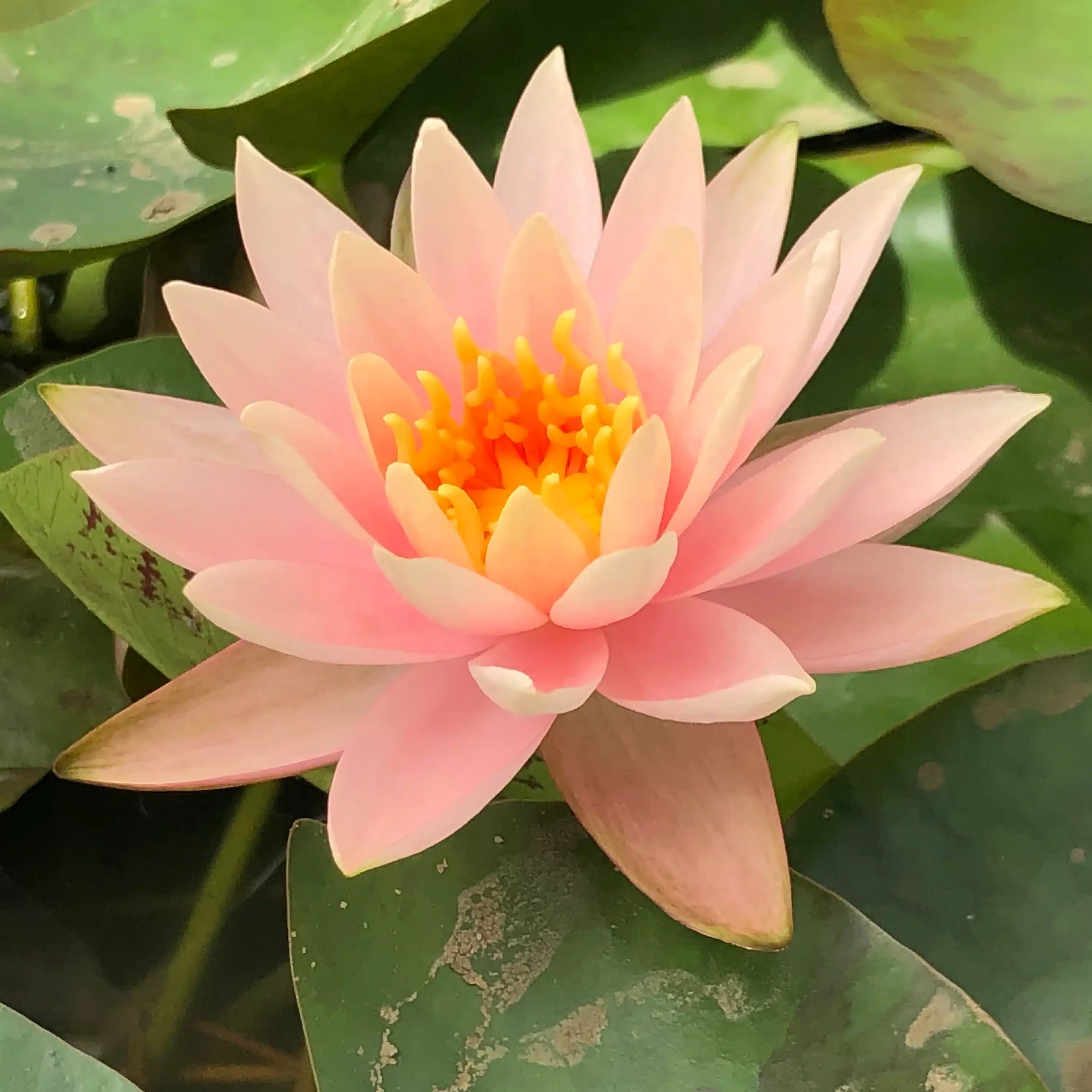
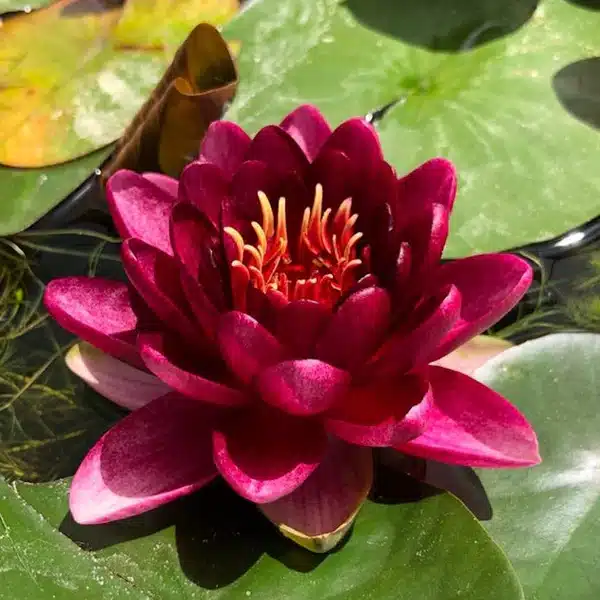
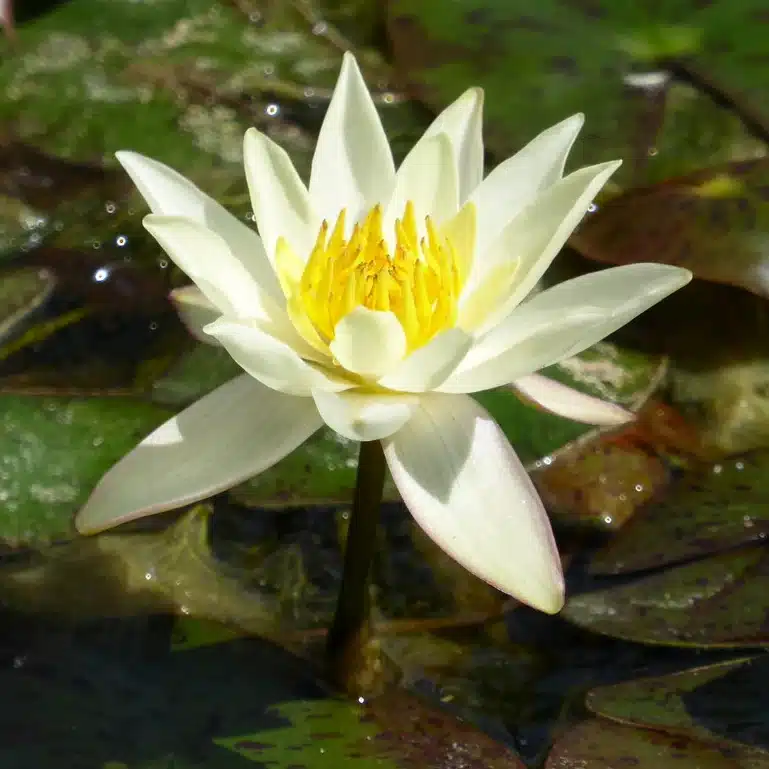
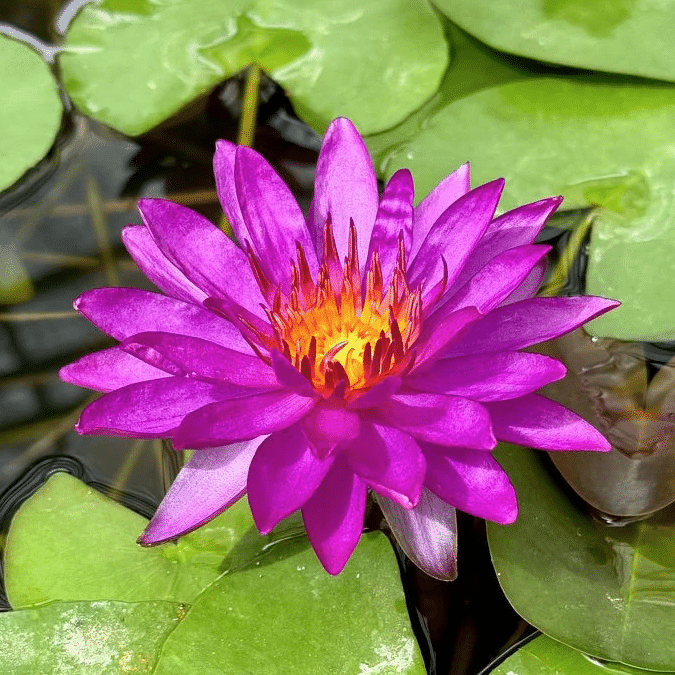
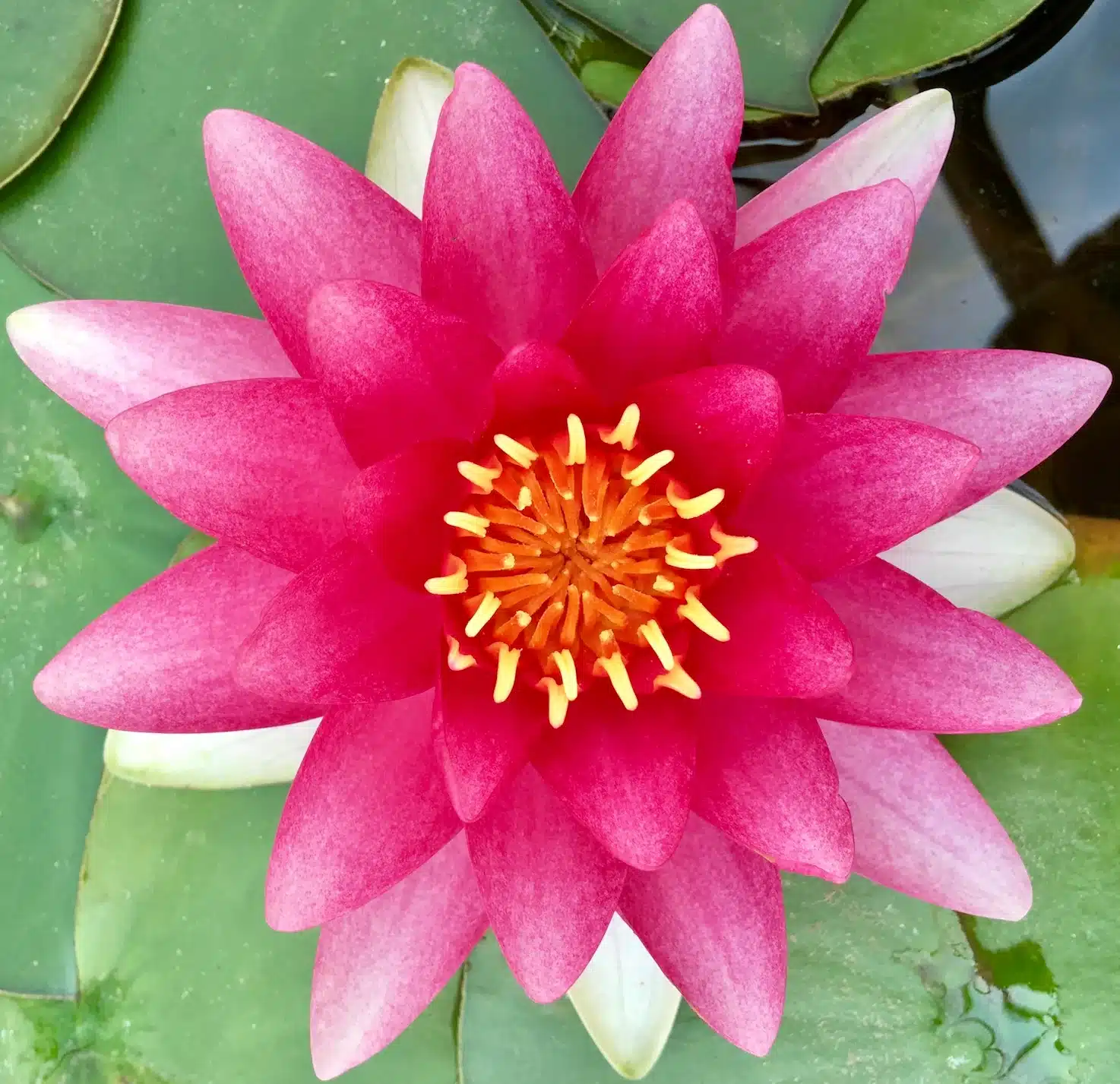
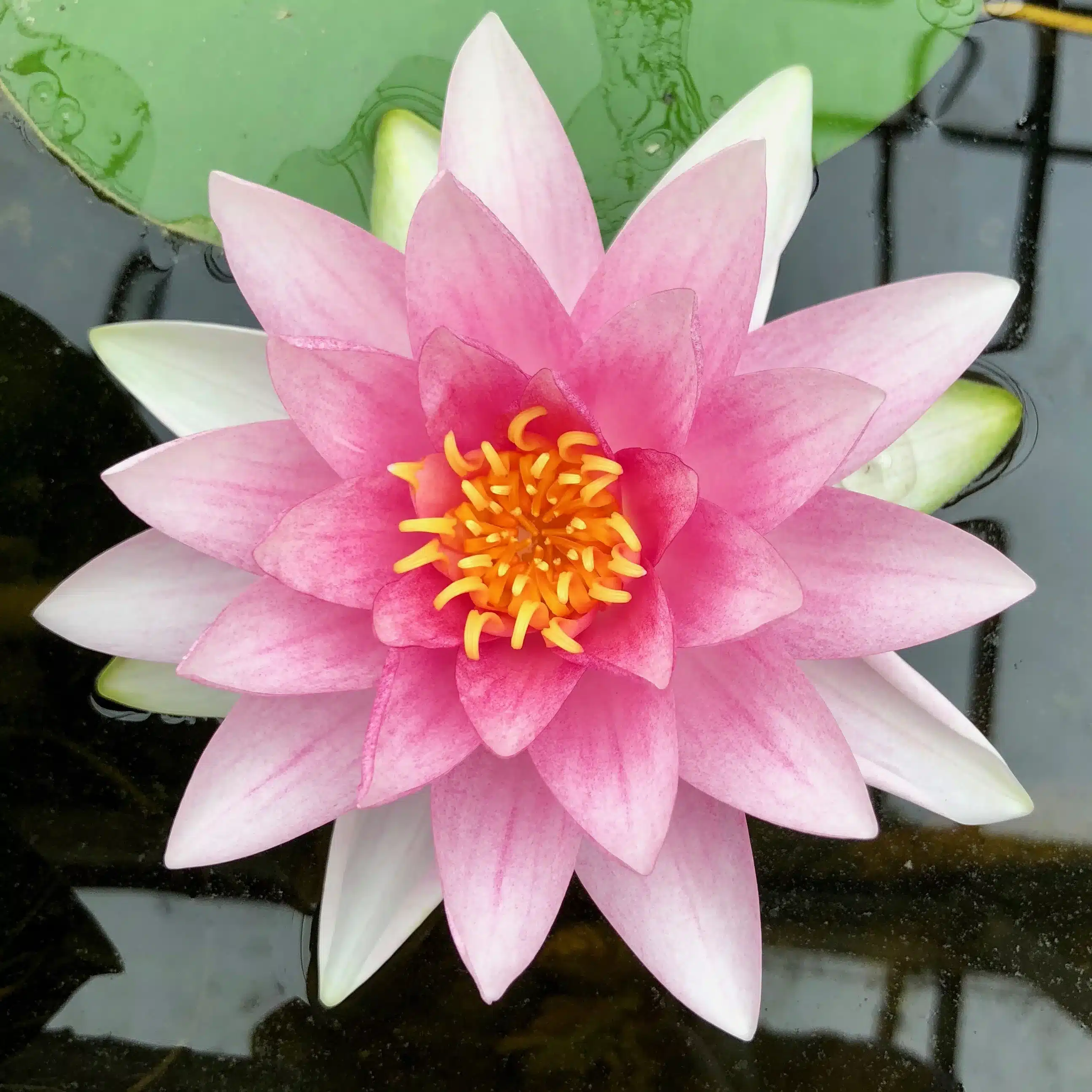
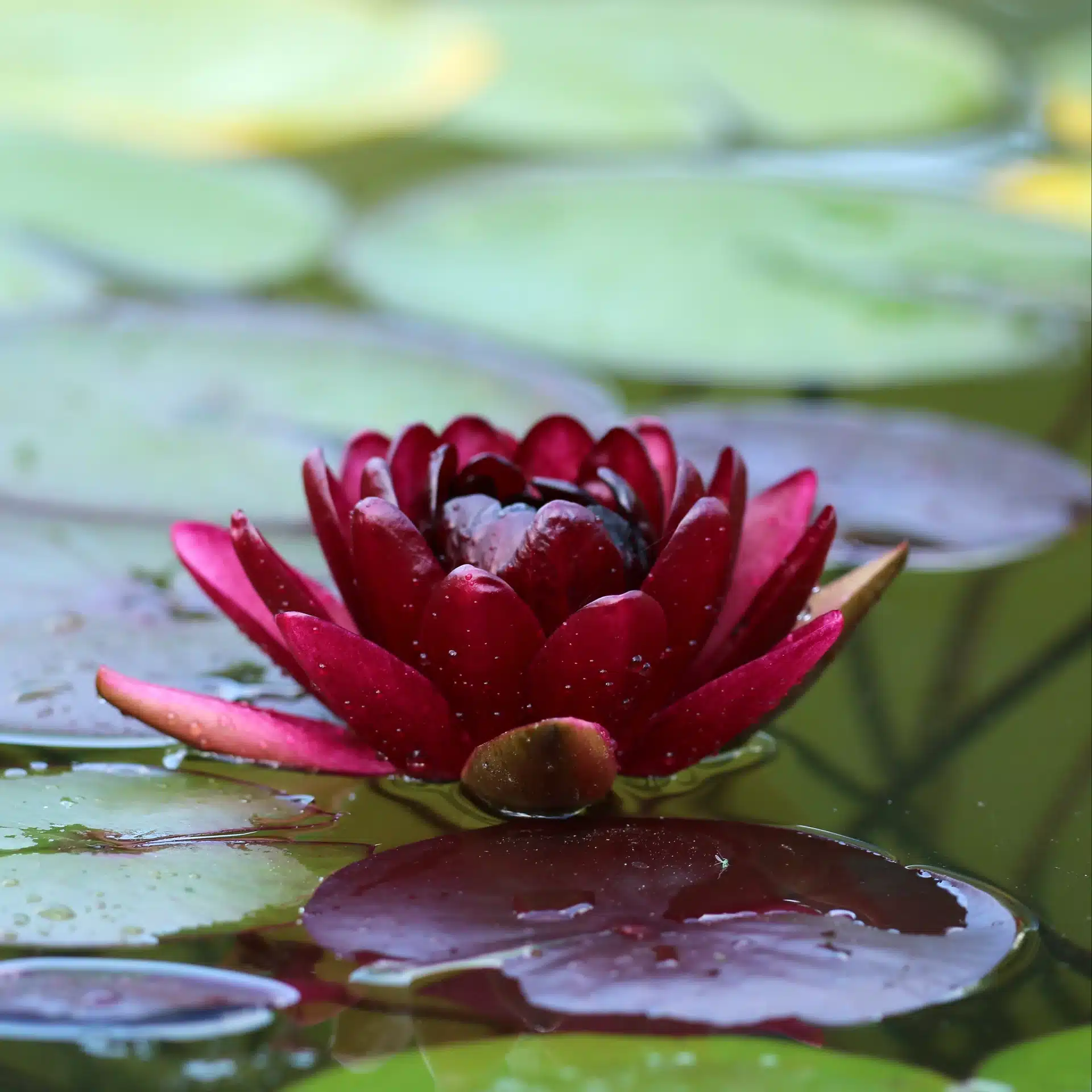
From classic white and soft pink varieties to vibrant yellows, reds and even rare purples, waterlilies offer a huge range of colours and forms to suit every pond style. Whether you have a small wildlife pond or a large koi pond, there is a variety perfectly suited to your setup.
Why Waterlilies Are Essential
Waterlilies do far more than just look good. Their floating leaves provide natural shade across the pond surface, helping to reduce sunlight penetration. This is key in controlling algae growth and keeping your water clearer and cooler during the warmer months.
They also create shelter and resting areas for pond life. Fish benefit from shaded areas where they feel safer, while frogs, newts and insects use the pads to rest and hide. The flowers attract pollinators such as bees, making them a fantastic addition to any wildlife friendly pond.
A well planted pond should aim to have around two thirds of the surface covered during peak summer. Waterlilies are the easiest and most effective way to achieve this balance.
Choosing the Right Waterlily
Selecting the right waterlily depends on the size and depth of your pond. Different varieties are suited to different planting depths and spreads.
• Small waterlilies are ideal for shallow ponds or small features
• Medium waterlilies suit most standard garden ponds
• Large waterlilies are perfect for bigger ponds and lakes
Planting depth is measured from the top of the basket to the water surface, and it is important to match the variety to your pond conditions for the best results.
Growing and Positioning
Waterlilies thrive in full sun and still water. The more sunlight they receive, the better they will flower. Avoid placing them near fountains or areas with excessive water movement, as this can damage the leaves and reduce flowering performance.
When first placing your waterlily, position it so the leaves can reach the surface. As the plant grows, gradually lower it to its final depth. This helps the plant establish properly and encourages strong, healthy growth.
Easy to Maintain
Once established, waterlilies are very low maintenance. Simply remove any yellowing leaves and deadhead spent flowers throughout the growing season. This keeps the plant looking tidy and encourages continued blooming.
Every few years, you may wish to divide the plant to maintain vigour and prevent overcrowding.
A Natural Solution for a Healthier Pond
Waterlilies are one of the simplest ways to improve water quality naturally. By reducing algae, regulating temperature and supporting wildlife, they help create a balanced and self sustaining pond environment.
If you want a pond that looks great and works naturally, waterlilies are an essential part of the planting mix.
Price range: £24.50 through £148.50 (inc VAT)
Price range: £31.00 through £36.00 (inc VAT)
Price range: £36.50 through £148.50 (inc VAT)
Price range: £42.00 through £148.50 (inc VAT)
Price range: £31.00 through £36.00 (inc VAT)
Price range: £42.00 through £148.50 (inc VAT)
Waterlilies – Frequently Asked Questions
Waterlilies are one of the most popular pond plants, but they often raise a lot of questions. Below are the most common questions customers ask, along with clear, practical answers to help you get the best results.
1) What are waterlilies and why are they important?
Waterlilies are aquatic plants that grow from a rhizome planted in a basket at the bottom of your pond. Their leaves and flowers float on the surface.
They are important because they help shade the water, reduce algae, regulate temperature and provide shelter for fish and wildlife.
2) How many waterlilies do I need for my pond?
A good rule is to aim for around two thirds surface coverage in summer.
As a guide:
• 1 litre plant covers around 1 sqm
• 3 litre plant covers 1 to 2 sqm
• 10 litre plant covers 2 to 3 sqm
3) Do waterlilies help stop algae?
Yes. Their leaves block sunlight from reaching the water, which reduces algae growth naturally. They are one of the most effective natural ways to keep water clearer.
4) Where should I place my waterlily?
Always place waterlilies in the sunniest part of your pond. Morning sunlight is especially important as it helps the flowers open fully during the day.
5) Can waterlilies grow in moving water?
No, they prefer still water. Avoid placing them near fountains, waterfalls or strong currents as this can damage leaves and reduce flowering.
6) What depth should I plant a waterlily?
This depends on the variety.
Typical depths:
• Small varieties: 20 to 40 cm
• Medium varieties: 30 to 90 cm
• Large varieties: 50 to 150 cm
Always measure from the top of the basket to the water surface.
7) Do waterlilies need full sun?
Yes. Waterlilies need at least 5 to 6 hours of direct sunlight per day to flower well. Less sun will result in fewer flowers.
8) When do waterlilies flower?
Most hardy waterlilies flower from June to September. Some varieties can start earlier or continue later depending on weather conditions.
9) Are waterlilies hardy in the UK?
Yes, hardy waterlilies can survive UK winters without issue. They will die back in winter and regrow in spring.
10) Do waterlilies need feeding?
They are usually supplied with slow release fertiliser. For best results, you can add aquatic fertiliser tablets during the growing season to encourage strong flowering.
11) How do I plant a waterlily?
Simply place the basket into the pond so the leaves can reach the surface. As the plant grows, gradually lower it to its final depth.
12) Why are my waterlily leaves turning yellow?
This is usually natural ageing. Remove yellow or damaged leaves regularly to keep the plant healthy and encourage new growth.
13) Why is my waterlily not flowering?
Common reasons include:
• Not enough sunlight
• Planted too deep too quickly
• Newly planted and still establishing
• Lack of nutrients
14) Do I need to repot waterlilies?
Yes, every 2 to 3 years. This prevents overcrowding and keeps the plant healthy and flowering well.
15) Can fish damage waterlilies?
Yes. Koi and other carp will eat or disturb plants. If you have fish, you may need to protect the basket with a cover or barrier.
16) Will ducks or wildlife eat my waterlilies?
Yes, especially young plants. Mature plants are more resilient, but protection may still be needed in wildlife heavy areas.
17) Can I grow waterlilies in small ponds?
Yes, but you must choose a smaller variety suited to shallow depths and limited space.
18) Do waterlilies oxygenate the pond?
Not directly. They mainly provide shade and habitat. For oxygenation, you should include oxygenating plants alongside them.
19) Should I cut back waterlilies in winter?
Yes. Remove dead foliage as it dies back to prevent debris building up in the pond.
20) Are waterlilies good for wildlife ponds?
Absolutely. They provide shelter, shade, breeding areas and resting spots for a wide range of pond wildlife.
21) Can I plant waterlilies straight away?
Yes. They arrive pre planted and ready to go straight into the pond.
22) Do waterlilies spread quickly?
Most varieties spread steadily rather than aggressively. Larger varieties will naturally cover more surface area over time.
23) Can I divide a waterlily?
Yes. Dividing the rhizome every few years helps maintain plant health and allows you to create new plants.
24) Why are my flowers sitting below the surface?
This can happen if the plant is too deep or not fully established. Over time, flowers should rise to the surface or slightly above.
25) Do waterlilies work in koi ponds?
Yes, but they may need protection from fish. They also provide useful shade which helps reduce fish stress.
26) What size basket do waterlilies need?
They are supplied in appropriate aquatic baskets. Larger plants may require larger containers for long term growth.
27) Can I grow waterlilies in containers?
Yes, as long as the container is deep enough and placed in full sun with still water conditions.
28) Do waterlilies close at night?
Yes, most varieties close their flowers in the evening and reopen the following day.
29) How long do waterlily flowers last?
Each flower typically lasts 3 to 5 days, with new blooms appearing throughout the season.
30) Are waterlilies easy to grow?
Yes. Once established, they are one of the easiest and most rewarding pond plants to maintain.
