





Pond Silicone and Pond Safe Adhesives for Glass Installation and Repairs
Our Glues and Adhesives range focuses on pond silicone and pond safe silicone sealants designed specifically for use in ponds, water features and underwater environments. These products are essential for the safe installation, sealing and long term reliability of pond glass viewing windows, as well as for ongoing pond repairs and maintenance.
Unlike standard building silicones or general purpose sealants, pond silicone is formulated to perform under constant water exposure. Pond safe silicone remains flexible over time, allowing for slight movement while resisting degradation caused by water pressure, temperature changes and UV exposure. This makes it suitable for demanding pond applications where long term reliability is critical.
Within this category you will find pond safe silicone sealants suitable for sealing pond glass viewing windows, bonding frames and fittings, and carrying out repairs both above and below the waterline. These products are widely used in koi ponds, natural swimming ponds, aquariums and decorative water features where traditional silicones and adhesives would not be appropriate or fish safe.
Different installation scenarios require different types of pond silicone. Some products are designed for high strength bonding and sealing during new pond glass installations, while others are formulated specifically for underwater use, allowing repairs to be carried out without draining the pond. Aquarium grade pond silicone is also available for glass to glass bonding and applications where a traditional silicone sealant is preferred.
Choosing the correct pond silicone is just as important as selecting the correct pond glass. Using a pond safe silicone sealant ensures a strong, watertight bond while protecting fish, plants and overall water quality. It also helps prevent leaks, movement and long term seal failure around pond viewing windows and structural joints.
Our pond silicone and adhesive products are suitable for use with a wide range of pond materials, including laminated and toughened glass, fibreglass, concrete, masonry and rendered surfaces. Correct surface preparation and following manufacturer guidance are essential to achieving the best long term results.
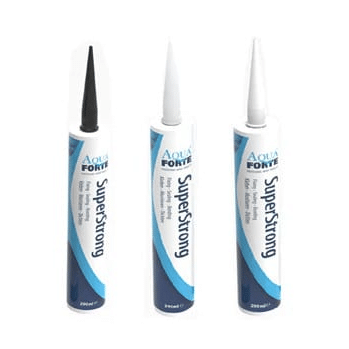
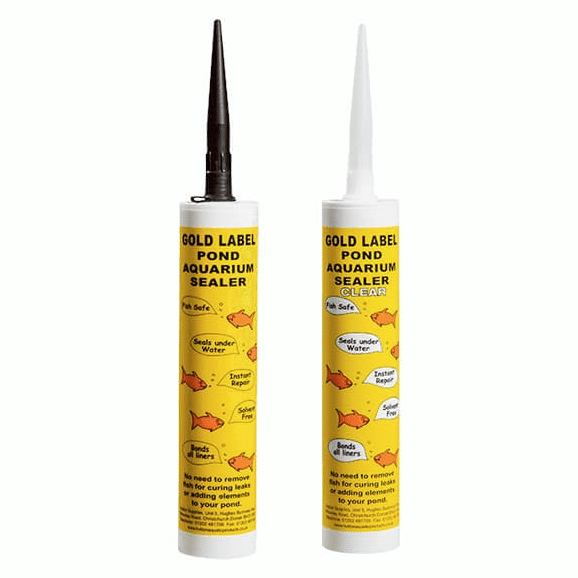
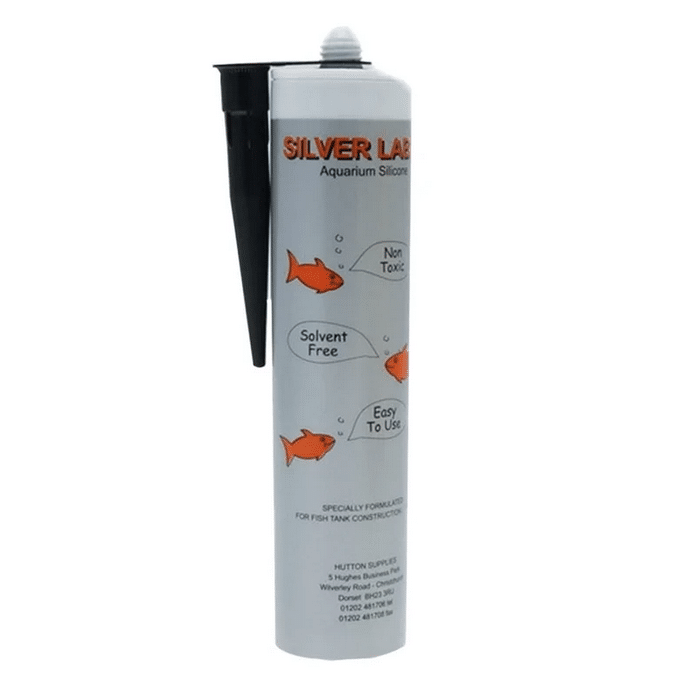
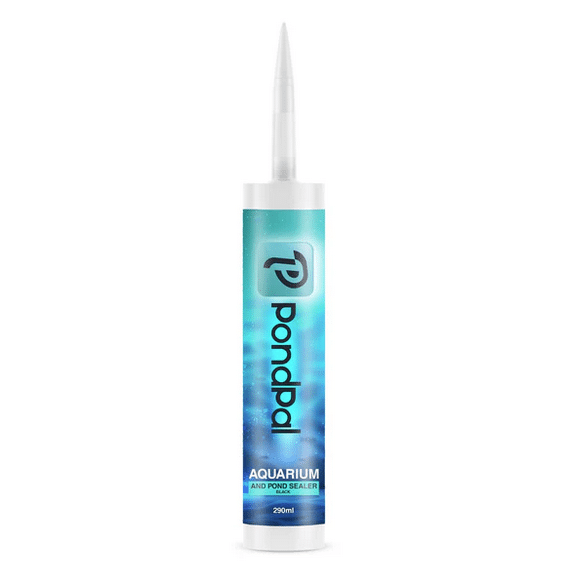
Browse the products below to view our full range of pond silicone, pond safe silicone and underwater pond sealants. If you are unsure which product is most suitable for your application, whether you are installing a pond glass viewing window or carrying out underwater repairs, our team is always happy to advise.
Glues and Adhesives – Frequently Asked Questions
What is pond silicone and how is it different from normal silicone?
Pond silicone is designed for use in and around ponds and aquariums, where the sealant may be exposed to constant moisture, water pressure and aquatic life. Standard household silicone is often made for bathrooms and kitchens and may contain additives that are not suitable for fish or long term submersion. For pond and aquarium work, always choose a pond safe silicone or a purpose made pond sealant intended for aquatic environments.
What does pond safe silicone mean?
Pond safe silicone is a silicone sealant that is suitable for use in fish ponds and aquariums once fully cured. The key point is curing, because uncured sealant can release substances that you do not want in pond water. Always follow the product instructions and allow the recommended curing time before refilling or reintroducing fish.
Can I use aquarium silicone as pond silicone?
Yes, aquarium silicone is commonly used as pond safe silicone, especially for glass to glass bonding and aquarium style seals. It is typically used where a traditional silicone bead is required and is a popular choice for window installations where silicone is the preferred sealing method.
How long does pond safe silicone take to cure before adding water or fish?
Curing time depends on the product, bead thickness, temperature and humidity. Many aquarium safe silicone products are commonly left for at least 24 to 48 hours before water contact, and some sealants continue to harden for several days for maximum strength.
For best results, always follow the manufacturer guidance for the specific sealant you are using.
Can I use pond silicone or pond sealant underwater without draining the pond?
Some underwater pond sealants are designed to bond and seal directly underwater, allowing repairs without draining the pond. These are ideal for emergency fixes, small leaks, cracks, or sealing fittings below the waterline. Always check the product label and instructions to confirm it is suitable for underwater use and fish safe.
What is the difference between pond silicone and MS polymer pond sealant?
Both are useful, but they suit different jobs.
Pond silicone is ideal when you need a traditional silicone seal, especially for glass related applications.
MS polymer sealants are often chosen when you want very strong adhesion across many different materials, and many are designed for wet environments and can be used for pond and aquarium repairs. Some MS polymer products can also be painted and can bond well to materials where silicone is less ideal.
Which sealant is best for sealing a pond glass viewing window?
That depends on how the window is installed and whether the seal is above or below the waterline.
Common options include:
• Pond safe silicone for traditional glass sealing methods
• MS polymer pond sealant for strong bonding and sealing around frames and fittings
• Underwater pond sealant if parts of the seal must be applied below the waterline
If you are unsure, choosing a sealant specifically described for pond glass, ponds and aquariums is the safest approach.
Can pond silicone be used on fibreglass ponds?
Yes, many pond safe silicones and pond sealants can be used on fibreglass surfaces, but preparation is critical. The surface must be clean, dry and free from dust, oils and algae. In some cases, lightly keying the surface can improve adhesion. Always follow the sealant instructions for compatibility and prep.
Will pond silicone stick to concrete, brick or rendered surfaces?
Many pond safe silicones and pond sealants will adhere to concrete, masonry and render, but porous surfaces often need extra attention. Dust, loose material and moisture can reduce adhesion. Some systems may require a primer on certain substrates depending on the product and surface condition, so always follow manufacturer guidance.
Will pond silicone stick to pond liners like EPDM, butyl or PVC?
Some underwater pond sealants are designed to bond to common liner materials, while standard silicone is not always the best choice for every liner type. If you are bonding or patching a liner, use a product that explicitly lists liner compatibility and is intended for underwater pond repairs.
How much pond silicone do I need for a typical job?
Silicone usage depends on bead size, gap width, the depth of any rebate, and how flat the surfaces are. For pond glass windows, installations often use far more tubes than customers expect because a generous continuous bead is needed and the rebate area can be large. Allowing extra is always safer than running short mid install.
What bead thickness should I use?
A thicker continuous bead generally provides better sealing and long term performance than a thin skim. Some pond sealant instructions recommend maintaining a minimum bead thickness between surfaces, and thicker beads can also improve cure and bond strength depending on the product.
Follow the specific product guidance as bead requirements differ between silicone and underwater sealants.
Can I apply pond silicone in cold weather?
You can, but performance is affected by temperature. Cold weather can slow curing and reduce workability. If temperatures are low, allow more curing time and protect the area from water contact until fully cured. Always check the product label for the recommended application temperature range.
Can I seal a leak with pond silicone if the surface is wet?
Most silicones prefer clean and dry surfaces for best adhesion. If the area is wet or actively leaking, an underwater pond sealant designed for wet application is often a better option. For reliable results, stop the leak source where possible, clean the area thoroughly, and use the correct product for wet conditions.
Is pond silicone safe for koi and wildlife ponds?
Yes, pond safe silicone is suitable for koi and wildlife ponds once fully cured. The key is to use a product intended for aquatic use and to allow the full curing period before water contact, particularly if fish and amphibians will be present.
Should I avoid bathroom silicone or anti mould silicone in ponds?
Yes. Many bathroom and kitchen silicones contain additives designed to resist mould, and those additives are not intended for aquatic environments. For pond work, always choose a pond safe silicone, aquarium silicone, or a pond sealant described as fish safe once cured.
How do I prepare surfaces before using pond silicone or pond sealant?
Good preparation is one of the biggest factors in preventing leaks.
Best practice is:
• Remove algae, slime and loose debris
• Degrease where needed and wipe clean
• Ensure surfaces are dry if the product requires it
• Use masking tape for neat edges if appropriate
• Apply a continuous bead with no gaps
• Tool the bead firmly to remove air pockets
Always follow the specific product instructions, especially for porous surfaces.
Can I use pond silicone to bond rocks, ornaments or fittings?
Yes, many pond sealants are used for securing ornaments, rocks, pipework and fittings, but the best choice depends on the materials involved and whether the item is submerged. MS polymer pond sealants are often chosen for strong bonding on mixed materials.
How long do pond silicone and pond sealants last?
When correctly applied on well prepared surfaces, pond silicones and sealants can last for many years. Longevity depends on bead size, movement in the structure, UV exposure, surface preparation and whether the seal is permanently submerged.
Can I paint over pond silicone or pond sealant?
Most silicones are not designed to be painted. Some MS polymer sealants can be painted once cured, depending on the product. Always check the product instructions before painting.
How do I remove old pond silicone before resealing?
Old silicone usually needs mechanical removal. Carefully cut and peel away the bead, then remove residue so the new bead can bond properly. Avoid scratching glass or damaging fibreglass and liners. Once the old bead is removed, clean the area thoroughly and allow it to dry before resealing.
How should I store pond silicone and underwater pond sealants?
Store cartridges upright in a cool, dry place, with caps fitted and away from frost or direct heat. Check the use by date because old cartridges can cure poorly and may not bond reliably.
Which pond silicone should I choose for my job?
Use this quick guide:
• For glass to glass bonding and classic aquarium style seals: aquarium silicone, pond safe silicone
• For bonding and sealing across mixed materials like glass, concrete, fibreglass and fittings: MS polymer pond sealant
• For repairs below the waterline or without draining: underwater pond sealant If you tell us what you are sealing, whether it is above or below the waterline, and what the surfaces are, we can point you at the most suitable product.
