





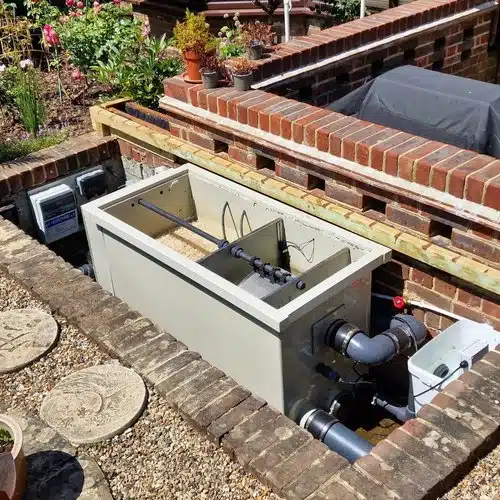
An In-Depth Guide to Drum Filters for Koi Ponds
Koi pond enthusiasts often seek advanced filtration systems to ensure their ponds remain clean, clear, and conducive to their koi’s health. One filter type that consistently stands out for its innovation and effectiveness is the Rotary Drum Filter, often simply called the Drum Filter. Renowned as the pinnacle of mechanical filtration, drum filters are a must-have for serious koi keepers. In this comprehensive guide, we will delve into the workings, benefits, and selection process for drum filters, helping you determine if this advanced technology is the right fit for your pond.
What is a Rotary Drum Filter?
A Rotary Drum Filter is a state-of-the-art mechanical filtration system designed to remove solid waste from the water. Unlike conventional filters, it employs a rotating cylindrical drum wrapped in a fine stainless steel mesh to capture debris as water flows through it. This mesh, with openings as small as 60-80 microns, ensures even the tiniest particles, such as fish waste, uneaten food, and organic debris, are filtered out. When the mesh becomes clogged, a highly efficient sensor detects the blockage and triggers an automated cleaning cycle.
During the cleaning cycle, the drum rotates while high-pressure water jets spray the mesh from the outside, effectively dislodging the accumulated waste. The dislodged debris is then directed to a dedicated waste chute, preventing it from re-entering the pond. This entire process is not only efficient but also quick, taking only a few seconds to complete, and it ensures that the drum filter maintains optimal performance at all times.
Many advanced drum filters integrate biological filtration chambers alongside the mechanical drum. These chambers house bio-media, such as moving bed or static bed media, which provide an environment for beneficial bacteria to colonize. These bacteria play a crucial role in breaking down harmful substances like ammonia and nitrites, turning them into less toxic nitrates. This dual-filtration setup—mechanical and biological—creates a comprehensive system for maintaining water quality.
Drum filters are invaluable for maintaining excellent water quality, a cornerstone of koi health. Poor water quality can lead to stress, disease, and reduced vitality in koi. For more information on how to enhance water quality for koi, refer to our guide on Elevating Koi Well-Being.
Micron-level Precision
Another impressive feature of drum filters is their efficiency in capturing particles invisible to the naked eye. The mesh’s micron-level precision rivals some of the most advanced filtration technologies in the aquatics industry. To put this into perspective:
- 1.5-10 microns: The size of single-cell algae, often responsible for green water.
- 50-100 microns: Common pond parasites such as Trichodina.
- 100 microns: About the thickness of a human hair.
By eliminating these tiny particles, drum filters significantly enhance water clarity, allowing koi enthusiasts to enjoy an unobstructed view of their fish while also creating a healthier environment for them. This makes drum filters an essential investment for anyone looking to maintain a pristine and balanced koi pond.
Furthermore, drum filters are designed to integrate seamlessly with various pond setups. Whether your pond is gravity-fed through bottom drains or pump-fed via external pumps, drum filters adapt effortlessly, making them a versatile solution for different pond designs and sizes. For koi keepers managing large or heavily stocked ponds, drum filters provide the reliability and capacity needed to handle substantial water volumes without compromising on quality.

How a Drum Filter Operates in a Koi Pond
How Does a Drum Filters Work?
Drum filters operate as either gravity-fed or pump-fed systems, offering exceptional versatility and performance. Here’s a closer look at how these systems function:
Water Entry
Water enters the drum filter through the “dirty side,” where debris and solid waste are present. In a gravity-fed system, water flows naturally from the pond via bottom drains, relying on gravity to move through the filter. This method ensures continuous and efficient water flow without additional pumping. In pump-fed systems, an external pump actively draws water from the pond and pushes it into the filter, allowing for greater placement flexibility, even in ponds without bottom drains.
Filtration
Once inside, the water passes through the stainless steel mesh drum, which features openings of 60-80 microns. These ultra-fine mesh screens capture particles invisible to the naked eye, including fish waste, uneaten food, algae, and organic matter. The mesh is designed to trap even the smallest contaminants while allowing clean water to flow through to the “clean side” of the filter. This process maintains the water’s clarity and ensures a healthier environment for your koi. Learn more about how filtration systems like drum filters support your pond in our Pond Filtration Guide.
Automatic Cleaning
Over time, the mesh naturally becomes clogged with debris. To maintain efficiency, drum filters are equipped with sensors that detect increased water levels or flow resistance on the dirty side. When a blockage is identified, the sensor activates the cleaning cycle. During this cycle, the drum rotates while high-pressure water jets spray the mesh from the outside. This jet action blasts away debris, which is then directed into a waste chute and removed from the system entirely. The cleaning cycle typically lasts only a few seconds and occurs automatically, ensuring the filter remains fully operational without requiring manual intervention.
Return to Pond
After filtration, the clean water is returned to the pond, either by gravity in a gravity-fed system or via a pump in a pump-fed system. This constant cycle maintains water clarity and supports a balanced ecosystem for your koi and aquatic plants.
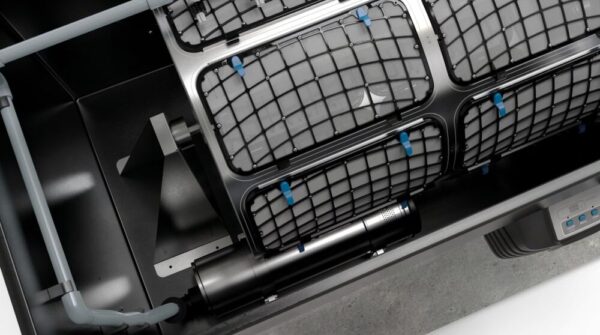
Stainless Steel Mesh in Drum Filters
Advanced Features of Drum Filters for Koi Ponds
Drum filters come equipped with numerous advanced features that set them apart as a leading choice for pond filtration systems. These features significantly enhance performance, adaptability, and the overall health of your pond ecosystem:
Multiple Inlets
Many drum filters are designed with multiple inlets, allowing them to handle water from various sources simultaneously. For example, you can connect both bottom drains and surface skimmers to a single drum filter. This setup ensures comprehensive debris removal by targeting both the pond’s surface and its bottom layers. Multiple inlets also improve water turnover rates, crucial for maintaining optimal water quality in larger or heavily stocked ponds. This versatility eliminates the need for multiple filters and streamlines the filtration process. To better understand how skimmers complement filtration systems, read our article on Lake Skimmers.
Biological Filtration Integration
Beyond mechanical filtration, many drum filters feature built-in biological chambers designed to enhance water quality further. These chambers are often filled with bio-media such as K1 media or moving bed filters, which provide a surface area for beneficial bacteria to colonize. These bacteria play an essential role in converting harmful ammonia and nitrites—byproducts of fish waste—into less toxic nitrates. This dual filtration approach (mechanical and biological) creates a balanced and healthy pond environment. Integrated biological chambers save space and simplify pond management, making them an all-in-one solution for koi keepers.
Customisable Configurations
Drum filters are designed to adapt to the unique needs of different ponds. For instance, many models allow the integration of UV-C sterilizers, which are highly effective in controlling algae growth and neutralizing harmful pathogens. By placing the UV-C unit within the drum filter, the system ensures maximum exposure of water to ultraviolet light, boosting its efficiency. Additionally, drum filters can be connected to other advanced pond equipment, such as Bakki showers or additional biological chambers, to create a comprehensive filtration system tailored to your pond’s requirements.
Energy Efficiency
Modern drum filters are engineered for low energy consumption, making them an environmentally friendly choice for pond owners. Despite their high performance, these filters are designed to operate efficiently, reducing long-term operational costs. Coupled with their automated cleaning processes, drum filters offer a perfect balance between effectiveness and sustainability.
Compact Design and Space Optimization
Despite their robust capabilities, drum filters are compact and space-efficient. Their small footprint allows them to fit seamlessly into filter bays or tight spaces without compromising performance. For ponds with limited room for filtration systems, drum filters provide an ideal solution.
User-Friendly Control Systems
Advanced drum filters often feature digital control panels that allow pond owners to monitor and adjust their system with ease. Some models even include Wi-Fi connectivity, enabling remote operation and diagnostics. These smart features add a layer of convenience and peace of mind, especially for koi enthusiasts who travel frequently.
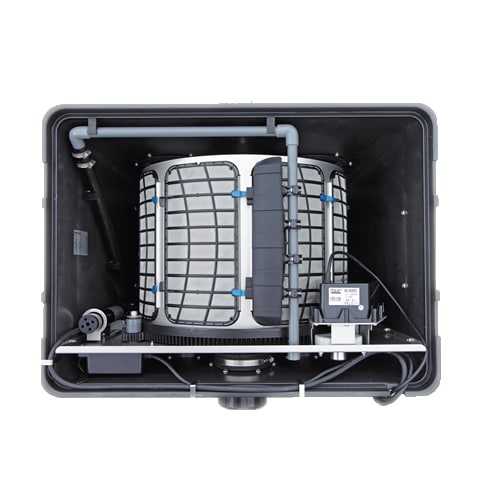
Automatic Cleaning Cycle in a Drum Filter
Benefits of Drum Filters for Koi Ponds
Drum filters offer numerous advantages, making them a preferred choice for many koi keepers. Here is a detailed exploration of their benefits:
Automatic Cleaning
Drum filters feature a highly efficient automated cleaning process. Sensors within the system detect debris accumulation and trigger cleaning cycles when necessary. This process eliminates the need for manual intervention, ensuring that the filter remains operational at all times. The automation drastically reduces maintenance demands, allowing pond owners to focus on enjoying their koi rather than managing filtration systems. The self-cleaning function also minimizes downtime, ensuring uninterrupted water quality management. For further insights, check our Pond Cleaning Services.
High Flow Rates
The ability to handle large water volumes is another standout feature of drum filters. This capability is particularly beneficial for koi ponds with significant water turnover requirements. High flow rates enhance water clarity and promote healthier koi by quickly removing waste and pollutants. This feature is especially crucial for heavily stocked ponds or those housing larger koi, as it supports optimal growth rates and reduces stress from poor water conditions.
Improved Water Quality
Drum filters play a vital role in maintaining superior water quality by rapidly removing solid waste before it decomposes. This immediate removal reduces the risk of ammonia spikes and nitrite accumulation, two common water quality issues that can harm koi. Cleaner water also minimizes the need for chemical treatments, fostering a more natural and stable pond environment. For tips on managing ammonia and nitrites, refer to our Ammonia and Nitrite Management Guide.
Compact Design
Despite their robust performance, drum filters are designed with space efficiency in mind. Their compact footprint makes them suitable for ponds with limited filtration space. They can be easily installed in filter bays or confined areas, making them ideal for koi enthusiasts looking to maximize pond space while maintaining high-quality filtration.
Flexibility in Installation
With multiple inlet configurations, drum filters are highly adaptable to various pond layouts. Whether your pond relies on bottom drains, skimmers, or a combination of both, a drum filter can accommodate these setups seamlessly. This flexibility ensures comprehensive debris removal and reduces the likelihood of dead zones in the pond, where waste can accumulate. Explore the complementary role of skimmers in our Lake Skimmers Guide.
Energy Efficiency
Designed for low power consumption, drum filters offer an eco-friendly filtration option. Their energy-efficient operation translates to reduced running costs, making them an economical long-term investment for koi keepers. The automated cleaning mechanism also optimizes energy use by activating only when necessary, further enhancing efficiency.
Reduced Maintenance
Traditional filters often require frequent cleaning and manual maintenance. Drum filters eliminate this hassle with their automated cleaning cycles, significantly reducing the time and effort needed to maintain your pond. This feature ensures consistent filtration performance, freeing up time for pond owners to enjoy their aquatic environments without constant upkeep demands.

Biological Filtration Chamber in a Drum Filter
How to Choose the Right Drum Filters for Koi Ponds
When selecting a drum filter, it’s crucial to evaluate your pond’s specific requirements and the available features of the filter systems. Here are the essential factors to consider:
Mechanical vs. Combi Drum Filters
Standalone drum filters focus exclusively on mechanical filtration by removing solid waste from the water. In contrast, Combi Drum Filters combine mechanical and biological filtration in a single unit. This integration makes Combi Drum Filters particularly advantageous for heavily stocked ponds, as they simplify maintenance and enhance overall filtration efficiency. If your pond has a high fish load or limited space for additional equipment, a Combi Drum Filter may be the ideal choice.
Capacity
Choose a drum filter with a capacity that matches your pond size and fish stock. Overestimating slightly ensures the system can handle peak loads, such as during feeding times or seasonal changes when fish activity increases. Consider the flow rate of your pond’s pumps and bottom drains to ensure compatibility with the filter’s specifications. For larger ponds, a filter with multiple inlets provides flexibility and supports efficient turnover rates.
Build Quality and Brand Reputation
Invest in a drum filter from a reputable brand known for durability and reliability. Look for models constructed from high-quality materials like stainless steel, which resist corrosion and wear over time. Additionally, consider the availability of spare parts and customer support, as regular maintenance or occasional repairs may be required. Explore the range of drum filters in our Shop to find reliable options.
Additional Features
Many drum filters offer advanced features that enhance performance and convenience. Some include UV-C units to control algae and pathogens, ensuring crystal-clear water. Digital control panels and Wi-Fi connectivity are also available in modern models, enabling real-time monitoring and remote operation. Assess which features align with your specific needs and budget, as these enhancements can significantly improve your filtration system’s efficiency and user experience.
Budget
While drum filters are a premium investment, they provide long-term savings by reducing the frequency of manual maintenance and the need for chemical treatments. A high-quality drum filter can pay for itself over time through improved water quality and reduced labour costs. Consider the initial purchase price alongside the filter’s durability, energy efficiency, and operational savings.
Choosing the right drum filter is an investment in the health and clarity of your pond. By carefully evaluating your needs and the available options, you can select a filter that delivers exceptional performance and ensures a thriving environment for your koi. For expert advice on selecting and installing drum filters, visit our Drum Filter Selection Guide.

Excellent Combi Drum 80/100 XXL Pump
Drum Filters vs. Other Filter Types
When comparing drum filters to other types of pond filtration systems, their superior efficiency, automation, and compact design make them a standout choice. Here’s a closer look at how drum filters stack up against two common alternatives:
Black Box Filters
Black box filters, while budget-friendly and straightforward, often struggle to handle the water volume and waste load of heavily stocked koi ponds. Drum filters, on the other hand, excel in high-capacity filtration. They process significantly larger volumes of water with greater efficiency and occupy less space, making them ideal for ponds where performance and compactness are priorities. Additionally, drum filters provide consistent water clarity and cleanliness, which black box filters may fail to maintain over time due to manual cleaning requirements and slower filtration rates.
Pressure Filters
Pressure filters are another popular option for smaller or medium-sized ponds, but they require regular manual maintenance, such as cleaning sponges and backwashing. In contrast, drum filters eliminate the hassle of manual cleaning with their automated self-cleaning cycles. This automation ensures that drum filters operate at peak efficiency at all times, reducing the risk of clogged filters and compromised water quality. Furthermore, drum filters deliver superior water clarity due to their ability to filter particles as small as 60-80 microns, a level of precision that pressure filters often cannot achieve. For more information, check out our Pressure Filters Guide.
Automation and Reliability
Traditional filtration systems like black box and pressure filters often require frequent manual intervention, such as cleaning sponges or replacing filter media. This maintenance burden can detract from the enjoyment of owning a koi pond. Drum filters address this challenge with their automated cleaning cycles, which remove accumulated debris without user input. This reliability allows pond keepers to focus on enjoying their fish and maintaining the overall health of their pond rather than constantly managing filtration equipment.
Compact Design and Efficiency
Despite their advanced capabilities, drum filters are compact and space-efficient, often requiring less installation space than comparable systems. This design makes them an excellent choice for ponds with limited filtration space, while still delivering exceptional performance. Their high flow rates and multiple inlet configurations further enhance their versatility, enabling them to handle large, heavily stocked ponds with ease.
Overall Advantage
Drum filters provide a perfect blend of advanced technology, user convenience, and high-performance filtration. Whether you’re upgrading an existing system or planning a new pond, drum filters outperform traditional options by delivering superior water quality, reduced maintenance, and long-term reliability. For koi enthusiasts seeking the best for their ponds, drum filters represent a clear step forward in filtration technology.
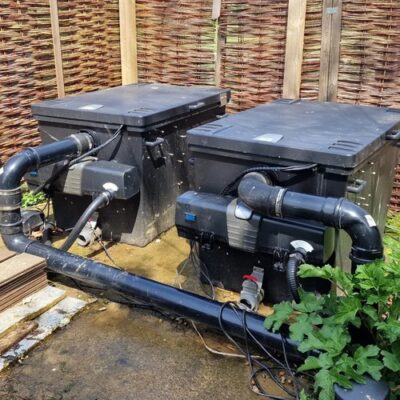
Title: Comparison of Drum Filters and Black Box Filters
Maintenance and Longevity
Although drum filters are largely automated, routine maintenance is essential to ensure they operate at peak efficiency for years to come. Regularly inspecting and maintaining key components will not only prolong the system’s lifespan but also prevent unexpected malfunctions that could disrupt your pond’s ecosystem.
Regular Inspections
Key components like sensors, spray bars, and the drum motor should be checked periodically to ensure they are functioning correctly. Sensors, which trigger the cleaning cycles, can become less responsive over time if debris or biofilm accumulates. Cleaning these sensors ensures they maintain their sensitivity, enabling the automated cleaning system to operate effectively. Spray bars, which use high-pressure jets to clean the drum mesh, should also be inspected to ensure the nozzles are not clogged or damaged.
Cleaning the Waste Chute
The waste chute plays a crucial role in directing debris away from the pond system. Over time, waste buildup in the chute can lead to blockages, reducing the efficiency of the cleaning cycle. Regularly flushing or manually cleaning the chute prevents such issues and ensures smooth operation.
Checking for Blockages
Even with automated cleaning, occasional blockages can occur in the filter drum or connected pipes. These blockages can impede water flow and compromise filtration performance. A quick inspection during routine maintenance can help identify and resolve any potential obstructions.
Material Durability
Modern drum filters are constructed with corrosion-resistant materials, such as stainless steel, ensuring they withstand exposure to water and waste over long periods. However, wear and tear on moving parts, like the drum motor, should be monitored. Replacing worn components promptly helps maintain the filter’s overall reliability.
Longevity with Proper Care
With proper care and maintenance, high-quality drum filters can last over a decade. Regular upkeep not only extends the lifespan of the system but also ensures consistent water quality for your koi. Investing time in periodic maintenance will pay off in reduced long-term costs and fewer repairs.
For more tips on long-term care and professional pond maintenance services, visit our Pond Maintenance Page. Proper attention to maintenance ensures your drum filter remains a dependable and efficient component of your pond system for years to come.

User-Friendly Digital Control Panel on a Drum Filter
Conclusion
Drum filters represent a leap forward in koi pond filtration, offering unparalleled convenience, efficiency, and water quality. Whether you’re building a new pond or upgrading your existing system, a drum filter is a reliable choice. For expert advice and installation, explore our range of drum filters and consult our team to find the perfect fit for your pond. With a drum filter, you’ll enjoy more time with your koi and less time on maintenance—a win-win for any pond enthusiast.
If you’re looking to elevate your pond system further, consider integrating additional features like pond heating systems or advanced aeration setups. Together, these enhancements can create an optimal environment for your koi to thrive, ensuring a lifetime of enjoyment.
We proudly work across Kent, London, Essex, Surrey, Sussex, Berkshire, and Hampshire, delivering professional pond cleaning, maintenance, and building services tailored to each pond’s individual needs, from small garden ponds through to large natural lakes. These services form part of our pond care services, covering everything from routine maintenance through to specialist pond construction. Get in touch today for a free quote and let That Pond Guy look after all aspects of your pond with experienced workmanship and honest advice.
Matthew Adlington
