






Price range: £104.99 through £1,899.99 (inc VAT)
Price range: £39.95 through £149.95 (inc VAT)
Price range: £54.99 through £219.99 (inc VAT)
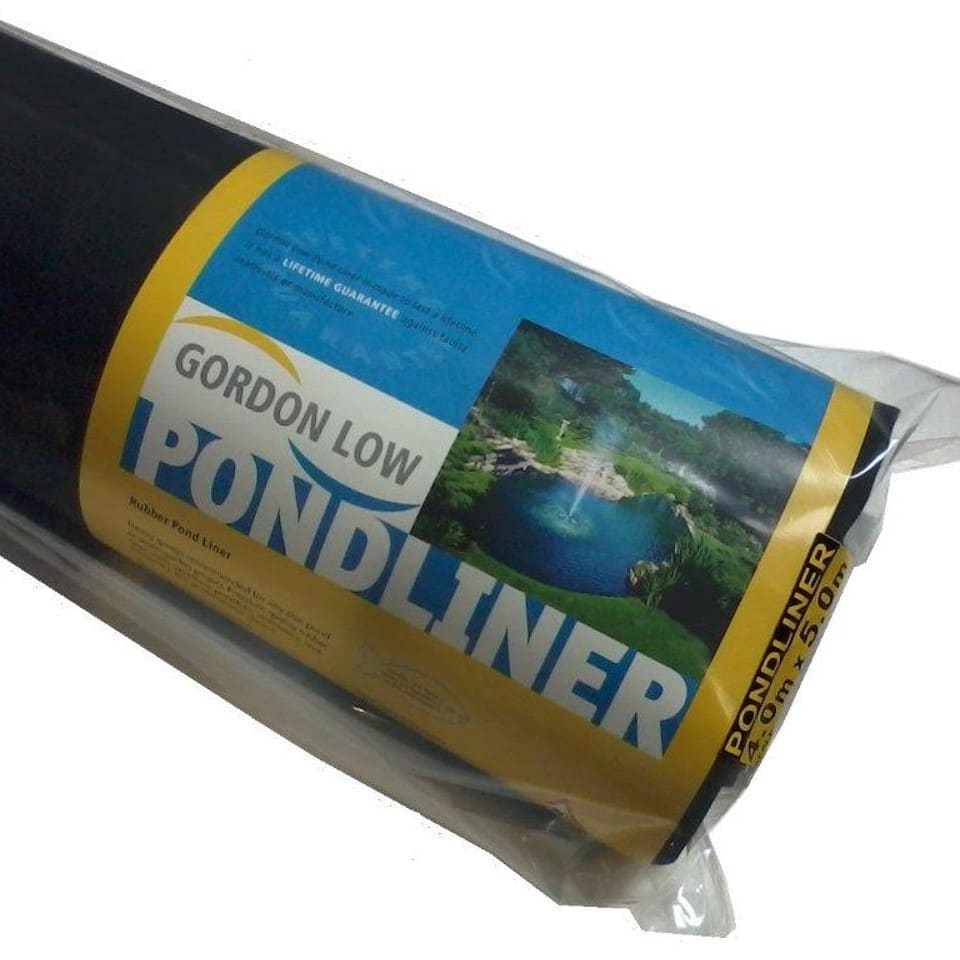

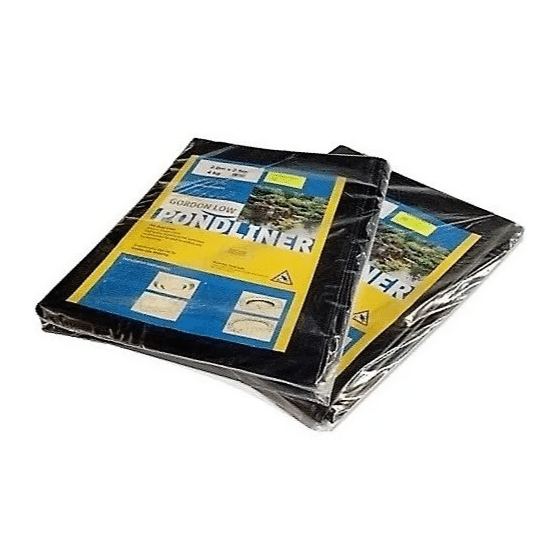
Pond Liners PVC EPDM and Underlay – Frequently Asked Questions
What is a pond liner and why is it essential for a pond
A pond liner is a waterproof membrane used to hold water within a pond. Without a liner, water would simply drain into the surrounding soil, making it impossible to maintain water levels.
A good quality pond liner creates a stable and controlled environment for fish, plants, and wildlife. It also protects the structure of the pond by preventing erosion and water loss. Choosing the right liner is one of the most important steps in building a pond that lasts.
What types of pond liners are available
There are two main types of pond liner commonly used in garden ponds.
PVC pond liners are lightweight, flexible, and more affordable. They are ideal for small to medium ponds and are often used for DIY installations.
EPDM rubber pond liners are more durable and designed for long term use. They offer better resistance to UV, weathering, and ground movement, making them suitable for koi ponds, larger ponds, and professional builds.
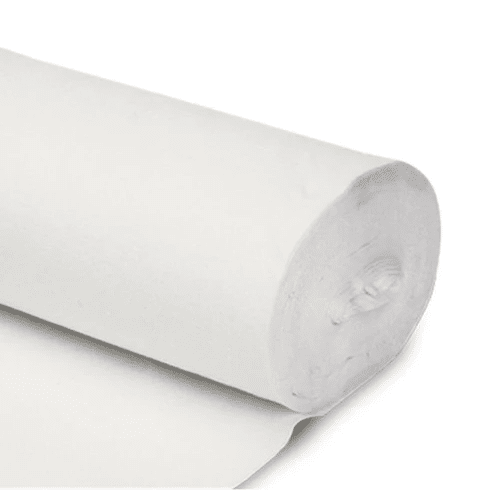
Pond liner underlay is also an important part of any installation. It sits beneath the liner and protects it from damage caused by stones, roots, and uneven ground.
What are the benefits of using a PVC pond liner
PVC pond liners are a popular choice for smaller ponds due to their affordability and ease of use. They are lightweight, flexible, and easy to position, making them ideal for DIY projects.
They also conform well to pond shapes, including shelves and shallow areas. When installed correctly with underlay, they provide a reliable waterproof barrier for many years.
What are the benefits of using an EPDM pond liner
EPDM pond liners are known for their strength and longevity. They are made from synthetic rubber and remain flexible in both cold and warm conditions.
They offer excellent resistance to UV exposure, weathering, and ground movement. This makes them ideal for larger ponds, koi ponds, and long term installations where reliability is essential.
What thickness pond liner should I choose
The correct thickness depends on the size of your pond and the conditions of the ground.
A 0.5mm PVC liner is suitable for small to medium ponds where budgets are lower and ground conditions are relatively smooth.
A 0.75mm EPDM liner is the most common choice for general pond builds, offering a strong balance between flexibility and durability.
For larger ponds or more demanding installations, a 1.0mm EPDM liner provides extra strength and improved puncture resistance.
Do I need pond liner underlay
Yes, pond liner underlay is strongly recommended for all pond builds.
It protects the liner from sharp stones, roots, and debris that could cause punctures. It also helps reduce stress on the liner by spreading the weight of the water evenly across the surface.
Using underlay can significantly extend the lifespan of your pond liner and reduce the risk of leaks.
What does pond liner underlay do
Pond liner underlay acts as a protective cushioning layer between the liner and the ground.
It prevents damage from hidden sharp objects and reduces wear over time. It also supports the liner as the pond settles, helping to avoid weak spots and stretching.
In some cases, it can also be used above the liner to protect it from gravel or decorative stone.
What is the difference between 150gsm and 250gsm underlay
150gsm underlay is suitable for most garden ponds and standard installations. It provides good protection while remaining lightweight and easy to install.
250gsm underlay is a heavier duty option that offers greater resistance to punctures. It is ideal for larger ponds, stony ground, or builds where additional protection is required.
Can I use a pond liner for a koi pond
Yes, pond liners are suitable for koi ponds, but the type of liner is important.
EPDM rubber liners are usually the best choice for koi ponds due to their strength, flexibility, and long lifespan. They can handle deeper water and more demanding conditions.
PVC liners can be used in some cases, but EPDM is generally preferred for long term reliability.
How long do pond liners last
The lifespan of a pond liner depends on the material and how well it is installed.
PVC pond liners typically last around 10 to 15 years, depending on exposure and conditions.
EPDM pond liners can last 20 to 30 years or more when installed correctly with suitable underlay.
Can a pond liner be repaired if it gets damaged
Yes, most pond liners can be repaired if they develop a small hole or tear.
Repair kits are available for both PVC and EPDM liners and usually include a patch and adhesive. Small repairs can often be carried out without removing the liner.
For larger or more complex damage, professional repair may be required.
How do I measure a pond liner correctly
To calculate the correct liner size, you need to account for length, width, depth, and overlap.
A common method is to add twice the maximum depth to both the length and width, then add extra for overlap around the edges.
Getting the sizing right is important to ensure full coverage and a proper fit.
Can I get a pond liner made to a custom size
Yes, pond liners can be supplied in custom sizes to suit your exact pond dimensions.
Custom sizing helps reduce waste and makes installation easier. It is especially useful for larger ponds or unusual shapes.
For more precise builds, box welded liners can also be made to measure.
What is a box welded pond liner
A box welded pond liner is made to specific dimensions and welded into shape before installation.
This reduces folds and creases, giving a cleaner and more professional finish. It is commonly used in raised ponds, formal ponds, and koi ponds.
It also makes installation quicker and more straightforward.
Are pond liners safe for fish and wildlife
Yes, high quality pond liners are safe for fish, plants, and wildlife.
Both PVC and EPDM liners are designed to be non toxic and will not release harmful substances into the water when used correctly.
This makes them suitable for koi ponds, wildlife ponds, and natural ecosystems.
Can pond liners handle ground movement
Yes, but the level of performance depends on the material.
EPDM liners are particularly good at handling ground movement due to their flexibility. They can stretch and adapt without cracking.
PVC liners are less flexible over time but can still perform well when installed correctly with underlay.
Do pond liners need maintenance
Pond liners themselves require very little maintenance.
The main focus should be on keeping the pond clean and preventing damage from sharp objects or heavy debris.
Regular checks around edges and high wear areas can help identify any issues early.
Can I install a pond liner myself
Yes, many pond liners can be installed as a DIY project, especially PVC liners.
EPDM liners are also manageable but can be heavier, particularly for larger ponds.
Careful preparation of the base and correct positioning of the liner are key to a successful installation.
What causes pond liners to fail
Common causes include punctures from stones or roots, poor ground preparation, and lack of underlay.
Over time, exposure to extreme conditions or poor installation can also reduce lifespan.
Using quality materials and installing them correctly helps prevent most issues.
Is EPDM better than PVC for pond liners
EPDM is generally considered the better option for long term performance.
It is more durable, more flexible, and better suited to larger or more complex ponds.
PVC is still a good option for smaller ponds or budget projects, offering good performance when installed properly.
What is the best pond liner for a garden pond
The best pond liner depends on the size of your pond, your budget, and how long you want it to last.
For small to medium garden ponds, a 0.5mm PVC pond liner is a cost effective and practical option. It is easy to install and works well for simple pond builds.
For larger ponds or long term installations, an EPDM rubber pond liner is the better choice. It offers greater durability, flexibility, and resistance to weathering, making it ideal for ponds that need to last for many years.
What is the best pond liner for a koi pond
For koi ponds, EPDM rubber pond liners are almost always the best option.
Koi ponds are typically deeper and place more pressure on the liner. EPDM liners can handle this due to their flexibility and strength. They also cope well with ground movement and temperature changes.
A 0.75mm EPDM liner is suitable for most koi ponds, while a 1.0mm liner is recommended for larger or more demanding builds.
Which pond liner lasts the longest
EPDM rubber pond liners generally have the longest lifespan.
When installed correctly with a suitable underlay, EPDM liners can last 20 to 30 years or more. They resist UV damage, weathering, and ground movement better than most alternatives.
PVC liners are more affordable but usually have a shorter lifespan, typically around 10 to 15 years.
What is better EPDM or PVC pond liner
EPDM and PVC liners both have their place, but they serve different needs.
EPDM liners are more durable, more flexible, and better suited to long term installations. They perform well in larger ponds and more demanding conditions.
PVC liners are more affordable and easier to handle. They are ideal for smaller ponds, wildlife ponds, and DIY projects where budget is a key factor.
Do I need underlay for a pond liner
Yes, using underlay is highly recommended for any pond liner.
Underlay protects the liner from sharp stones, roots, and uneven ground. It also helps spread the weight of the water evenly, reducing stress on the liner.
Without underlay, the risk of punctures and long term damage increases significantly.
What is the best underlay for a pond liner
The best underlay depends on the size of the pond and the ground conditions.
A 150gsm geotextile underlay is suitable for most garden ponds and standard installations.
For larger ponds or areas with rough or stony ground, a 250gsm heavy duty underlay provides greater protection and is the better option.
How thick should pond liner underlay be
For most ponds, 150gsm underlay is sufficient and provides good protection.
If the ground is uneven, contains stones, or the pond is large, a thicker 250gsm underlay is recommended. This offers improved puncture resistance and long term durability.
Can I lay pond liner directly on soil
It is not recommended to lay a pond liner directly on soil without protection.
Even if the soil looks smooth, it can contain small stones or roots that may damage the liner over time. Using underlay creates a protective barrier and helps prevent these issues.
How do I stop a pond liner from puncturing
The best way to prevent punctures is proper preparation and protection.
Remove all sharp stones and debris from the base of the pond. Use a high quality pond liner underlay to cushion the liner. In high risk areas, additional layers of underlay can be used for extra protection.
Can roots grow through a pond liner
Roots can damage a pond liner if there is no protection in place.
Using a geotextile underlay helps prevent roots from reaching the liner. In areas with aggressive plant growth, additional protection may be needed.
How much overlap should a pond liner have
A pond liner should have enough overlap to secure it properly around the edges.
A common guideline is to allow at least 300mm of overlap around all sides. This helps keep the liner in place and allows for adjustments during installation.
How do I hide the edges of a pond liner
Pond liner edges can be hidden using stones, paving, turf, or edging materials.
Natural stone is a popular option as it blends well into the surrounding environment. Proper edging not only improves appearance but also helps secure the liner in place.
Can I join two pond liners together
Yes, pond liners can be joined using specialist seam tapes or adhesives.
For EPDM liners, joining systems are available that create strong and reliable seams. However, for larger or more precise builds, a custom or box welded liner is often a better option.
What is the cheapest way to line a pond
The most cost effective option is usually a PVC pond liner.
PVC liners offer good performance at a lower price point and are suitable for smaller ponds and simple builds. Using underlay is still important to protect the liner and avoid future costs from damage.
How do I calculate pond liner size
To calculate liner size, you need to include the length, width, and depth of the pond.
Add twice the maximum depth to both the length and width, then add extra for overlap. This ensures the liner covers the pond fully, including shelves and edges.
Can I use a pond liner for a raised pond
Yes, pond liners are commonly used in raised ponds.
For raised or formal ponds, box welded liners are often preferred. They reduce folds and provide a cleaner finish, making installation easier.
What is a custom pond liner
A custom pond liner is made to specific dimensions rather than being cut from a roll.
This helps reduce waste and ensures a better fit, especially for larger ponds or unusual shapes. Custom liners can also make installation quicker and more straightforward.
Is a box welded pond liner worth it
For many builds, especially formal ponds, a box welded liner is worth the investment.
It provides a neater finish, reduces installation time, and eliminates most folds. This makes it ideal for raised ponds and koi ponds where appearance and flow are important.
Can I put gravel on top of a pond liner
Yes, but you should protect the liner first.
A layer of underlay can be placed above the liner before adding gravel or stones. This prevents damage while allowing you to achieve a natural look.
What is the difference between pond liner and pond liner underlay
A pond liner holds the water and creates the waterproof barrier.
Pond liner underlay protects the liner from damage. It sits between the liner and the ground, or sometimes above it, to prevent punctures and wear.
Why is my pond liner losing water
If your pond is losing water, the most common cause is a leak or puncture in the liner. This can happen from sharp stones, roots, or damage over time.
Other causes include water escaping over the edge, especially around waterfalls or edging, or natural evaporation during hot weather. Checking the water level drop rate can help identify whether it is a leak or something else.
How do I find a leak in a pond liner
Finding a leak can take a bit of time, but it is usually manageable.
Start by allowing the water level to drop naturally. When it stops dropping, the leak is usually at that level. You can then inspect that area closely for damage.
For larger ponds, dye testing or isolating sections can help locate the problem more accurately.
How do I fix a leaking pond liner
Small leaks can often be repaired using a pond liner repair kit.
These kits include patches and adhesives designed specifically for PVC or EPDM liners. The area must be clean and dry before applying the patch.
For larger or more complex damage, a professional repair or liner replacement may be required.
Why has my pond liner gone brittle
PVC liners can become brittle over time, especially if they are exposed to sunlight without water coverage.
Age, UV exposure, and extreme temperature changes can all affect the material. EPDM liners are far more resistant to this and tend to remain flexible for much longer.
Can pond liners crack in winter
Some pond liners can become stiff in cold conditions.
PVC liners are more likely to stiffen and may become harder to work with during installation. EPDM liners remain flexible even in colder temperatures, which is one of their key advantages.
Why is my pond liner wrinkled
Wrinkles are usually caused during installation.
If the liner is not positioned correctly or if it is pulled too tight, folds can form. In most cases, small wrinkles are normal and do not affect performance.
Using a box welded liner can reduce folds significantly in more formal pond builds.
Can I remove wrinkles from a pond liner
Some wrinkles can be reduced by adjusting the liner as the pond fills.
Filling the pond slowly allows the liner to settle into place. However, not all wrinkles can be removed completely, especially in irregular shapes.
What happens if I do not use underlay
Without underlay, your pond liner is much more vulnerable to damage.
Sharp stones, roots, and uneven ground can cause punctures over time. This can lead to leaks and costly repairs.
Underlay is a simple and effective way to protect your investment and extend the life of your liner.
Can stones damage a pond liner
Yes, stones can damage a pond liner if there is no protection.
Even small stones can create pressure points under the weight of the water. Over time, this can lead to punctures or weak spots.
Using underlay helps prevent this by creating a protective cushion.
Can I put a pond liner over concrete
Yes, pond liners can be installed over concrete surfaces.
However, it is still recommended to use underlay or a protective layer to prevent abrasion. This helps protect the liner and improves its lifespan.
Do pond liners stretch over time
EPDM liners can stretch slightly due to their flexible nature, but this is part of their design.
This flexibility allows them to adapt to ground movement without cracking. PVC liners have less stretch but still settle slightly once installed.
How do I stop pond liner slipping
Proper installation helps prevent liner movement.
Leaving enough overlap, securing edges correctly, and filling the pond gradually all help keep the liner in place. Edging materials such as stone or paving can also secure it effectively.
Can I reuse a pond liner
In some cases, a pond liner can be reused if it is still in good condition.
However, older liners may have weakened areas or damage that is not immediately visible. It is often safer to install a new liner for long term reliability.
What is the best base for a pond liner
A smooth, level base is essential.
Remove all sharp stones, roots, and debris. A layer of sand can be used, but geotextile underlay is a much better option as it provides consistent protection and does not shift.
Can I use carpet as pond liner underlay
Some people use old carpet as a budget alternative, but it is not ideal.
Carpet can hold moisture, break down over time, and may contain chemicals that are not suitable for ponds. Purpose made geotextile underlay is a much better and safer option.
How do I protect a pond liner from roots
Using a high quality underlay is the best way to protect against roots.
In areas with aggressive plant growth, additional layers or root barriers may be needed. Proper site preparation is also important.
What is the best pond liner for uneven ground
EPDM rubber liners are the best choice for uneven ground.
Their flexibility allows them to conform to irregular shapes without stress. When combined with underlay, they provide a reliable solution for difficult ground conditions.
Can pond liners tear easily
High quality pond liners are designed to be durable.
PVC liners offer good resistance for their thickness, while EPDM liners provide superior strength and flexibility. Using underlay reduces the risk of tearing significantly.
How do I stop pond liner edges from lifting
Edges can lift if they are not secured properly.
Using stones, paving, or turf edging helps hold the liner in place. Ensuring enough overlap during installation also prevents movement.
Do I need to clean underlay before installing liner
Yes, the underlay and base should be clean before placing the liner.
Removing debris ensures there are no sharp objects trapped underneath. This helps protect the liner and improves overall performance.
What is the best pond liner thickness for a large pond
For large ponds, a thicker and more durable liner is always recommended.
A 1.0mm EPDM pond liner is typically the best option for larger ponds. It offers greater puncture resistance and handles higher water pressure more effectively. This makes it ideal for deep ponds, koi ponds, and installations where long term reliability is important.
Is 0.75mm EPDM pond liner strong enough
Yes, a 0.75mm EPDM pond liner is strong enough for most pond builds.
It is the most commonly used thickness and provides an excellent balance between flexibility and durability. It works well for garden ponds, wildlife ponds, and most koi ponds.
For more demanding builds or larger ponds, a thicker 1.0mm liner may be preferred.
When should I choose a 1.0mm EPDM pond liner
A 1.0mm EPDM liner is best used when extra strength is required.
This includes large ponds, deep ponds, areas with rough or stony ground, and installations where long term durability is a priority. It provides additional protection and peace of mind.
Is PVC pond liner strong enough for long term use
PVC pond liners can be strong enough for long term use in the right conditions.
They perform well in smaller ponds and lighter applications. However, they are generally not as durable as EPDM liners and may have a shorter lifespan in more demanding environments.
Can I use PVC pond liner for a koi pond
PVC liners can be used for koi ponds, but they are not usually the first choice.
Koi ponds often require deeper water and long term durability, which makes EPDM liners a better option. PVC liners are more suitable for smaller or less demanding pond setups.
What is the difference between EPDM 0.75mm and 1.0mm
The main difference is strength and puncture resistance.
A 0.75mm EPDM liner is suitable for most ponds and offers excellent flexibility. A 1.0mm liner is thicker and provides additional durability, making it better suited for larger or more demanding installations.
Is EPDM pond liner worth the extra cost
For most pond builds, EPDM is worth the investment.
It lasts longer, performs better in different conditions, and requires less maintenance over time. While the initial cost is higher than PVC, it often works out more cost effective in the long run.
What size pond liner do I need for my pond
To calculate liner size, you need to include the maximum length, width, and depth of the pond.
You should add twice the depth to both the length and width, then allow extra for overlap around the edges. This ensures the liner fits properly and can be secured during installation.
Can I cut a pond liner to size
Yes, pond liners can be cut to size during installation.
It is best to position the liner first, allow it to settle, and then trim any excess. Always leave enough overlap to secure the edges properly.
What is the easiest pond liner to install
PVC pond liners are generally the easiest to install.
They are lightweight and easy to handle, making them ideal for DIY pond builds. EPDM liners are also manageable but can be heavier, especially in larger sizes.
Should I use sand under a pond liner
Sand can be used as a base, but it is not the best option on its own.
It can shift over time and may not provide consistent protection. A geotextile underlay is a much more reliable solution, offering better cushioning and durability.
Can I double layer pond liner for extra protection
Yes, in some cases additional layers can be used for extra protection.
However, using a high quality underlay is usually a better and more effective approach. It is designed specifically to protect the liner and is easier to install.
What is the best pond liner for a wildlife pond
For wildlife ponds, both PVC and EPDM liners can be suitable.
PVC liners are often used for smaller ponds and budget projects. EPDM liners are better for larger wildlife ponds or where long term durability is required.
Do pond liners affect water quality
High quality pond liners are designed to be safe and do not negatively affect water quality.
Both PVC and EPDM liners are fish safe and suitable for plants and wildlife when installed correctly.
Can sunlight damage a pond liner
Over time, sunlight can affect some materials.
PVC liners can degrade with prolonged exposure if not covered by water. EPDM liners are much more resistant to UV and are better suited to long term exposure.
How do I protect a pond liner from UV
Keeping the liner covered with water is the best protection.
Edges can be protected using stones, edging materials, or planting. This reduces exposure and helps extend the lifespan of the liner.
What is the best pond liner for a raised pond
EPDM liners are usually the best choice for raised ponds.
They offer flexibility and durability, which is important in structured builds. Box welded liners are also a popular option as they provide a cleaner finish with fewer folds.
Can I install a pond liner in winter
Yes, but conditions can make it more difficult.
PVC liners may become stiff in cold weather, making them harder to work with. EPDM liners remain more flexible, but installation is generally easier in warmer conditions.
How do I secure a pond liner edge properly
Edges should be secured using natural stone, paving, turf, or dedicated edging systems.
Ensuring enough overlap and positioning the liner correctly during installation will help keep it secure and prevent movement.
What is the best pond liner for a natural looking pond
For natural looking ponds, both PVC and EPDM can work well.
EPDM liners are often preferred due to their flexibility and durability. Using underlay above the liner in shallow areas allows gravel and stones to be added, creating a more natural finish.
What pond liner should I use for a large lake or estate pond
For large ponds or lakes, durability and long term performance are critical.
A 1.0mm EPDM pond liner is usually the best choice for these types of projects. It provides excellent resistance to punctures, ground movement, and long term environmental exposure. In many cases, custom size or box welded liners are also used to reduce joins and improve installation efficiency.
Can I use a pond liner for a natural swimming pond
Yes, pond liners are commonly used in natural swimming ponds.
EPDM liners are the preferred option due to their flexibility, durability, and long lifespan. They can handle larger volumes of water and more complex designs, making them ideal for this type of installation.
What is the best pond liner for a waterfall or stream
For waterfalls and streams, flexibility and durability are key.
EPDM liners are typically the best option as they can easily conform to uneven surfaces and tight curves. Their strength also helps prevent damage in areas where water is constantly moving.
Can I overlap pond liner instead of joining it
Overlapping liners is not a reliable long term solution.
Water can find its way between layers, leading to leaks over time. For a proper seal, liners should be joined using appropriate seam tapes or adhesives, or replaced with a single continuous liner where possible.
How do I join EPDM pond liner properly
EPDM liners can be joined using specialist seam tapes and primers.
The surfaces must be clean and dry before applying the joining system. When done correctly, the seam creates a strong and watertight bond. For larger projects, using a custom or box welded liner can avoid the need for joins altogether.
Can I use pond liner on sloped ground
Yes, pond liners can be used on sloped ground.
EPDM liners are particularly well suited due to their flexibility. Proper preparation and securing of the liner are important to prevent slipping and ensure a stable installation.
How do I stop pond liner from slipping on slopes
To prevent slipping, the liner should be installed with enough slack and secured at the edges.
Using underlay can help create a more stable base. In some cases, shelves or anchoring points can be built into the pond design to hold the liner in place.
Can I use pond liner indoors or in enclosed spaces
Yes, pond liners can be used indoors for water features or tanks.
Both PVC and EPDM liners are suitable, but proper installation and sealing are essential. Consideration should also be given to drainage and overflow protection.
What is the best pond liner for irregular shapes
EPDM pond liners are the best choice for irregular shapes.
Their flexibility allows them to conform to complex designs, including shelves, curves, and varying depths. This makes them ideal for natural style ponds.
Can I install pond liner without folds
It is difficult to completely eliminate folds with standard liners.
However, folds can be minimised by careful installation. For a completely smooth finish, a box welded liner made to exact dimensions is the best option.
How do I reduce folds in a pond liner
Folds can be reduced by positioning the liner carefully and allowing it to settle as the pond fills.
Working gradually and smoothing the liner during installation helps minimise creases. Using a liner that is correctly sized also reduces excess material.
What is the best time of year to install a pond liner
Spring and summer are generally the best times for installation.
Warmer temperatures make the liner more flexible and easier to work with. This is especially important for PVC liners, which can stiffen in colder weather.
Can I install pond liner in direct sunlight
Yes, and it can actually help.
Sunlight warms the liner, making it more flexible and easier to position. However, avoid leaving it exposed for long periods before installation.
What is the best pond liner for a deep pond
For deep ponds, strength and flexibility are essential.
EPDM liners are the best choice as they can handle increased water pressure and adapt to depth changes without stress. A thicker liner such as 1.0mm is often recommended.
Can I use pond liner for a fish holding tank
Yes, pond liners can be used for temporary or permanent fish holding tanks.
EPDM liners are preferred for durability, but PVC liners can also be used for short term or smaller setups.
How do I protect pond liner in high traffic areas
In areas where people or animals may come into contact with the liner, extra protection is important.
Additional layers of underlay or protective materials can be used above the liner. This helps prevent wear and damage.
Can pond liner be used for raised beds or planters
Yes, pond liners are sometimes used to line raised beds or planters.
They help retain water and protect structures, but proper drainage must be considered to prevent waterlogging.
What is the difference between geotextile and fleece underlay
Geotextile underlay is specifically designed for durability and long term performance.
It is stronger and more resistant to rot compared to general fleece materials. This makes it a better choice for pond installations.
How do I choose between different pond liner brands
Focus on material quality, thickness, and manufacturer reputation.
Well known brands such as Gordon Low offer reliable performance and consistent quality. Choosing a trusted supplier also ensures you receive the correct product for your needs.
Is it worth buying a thicker pond liner
In many cases, yes.
A thicker liner provides extra durability and peace of mind, especially in larger ponds or challenging ground conditions. It can also reduce the risk of future repairs.
Do pond liners need to be one single piece
For best results, a pond liner should ideally be installed as one continuous piece.
Using a single sheet reduces the risk of leaks and simplifies installation. If joins are required, they must be done using proper sealing methods to ensure a watertight finish.
What happens if my pond liner is too small
If a pond liner is too small, it may not cover the pond fully or allow enough overlap at the edges.
This can lead to slipping, exposed edges, and potential leaks. It is always better to slightly oversize a liner or use a custom size to ensure proper coverage.
Should I choose a pre cut liner or a custom size liner
Pre cut liners are convenient and suitable for standard pond sizes.
Custom size liners are better for larger ponds or unusual shapes. They reduce waste, improve fit, and make installation easier. For more precise builds, box welded liners provide the best finish.
How do I know if my pond liner is good quality
A good quality pond liner will be consistent in thickness, flexible, and free from defects.
Reputable brands use high quality materials that are safe for fish and resistant to UV and weathering. Checking specifications and supplier reliability is key when choosing a liner.
Can I upgrade my pond liner without rebuilding the pond
In some cases, a liner can be replaced without a full rebuild.
The pond will need to be drained and the old liner removed. If the structure is sound, a new liner can be installed with fresh underlay to improve performance.
What is the most common mistake when installing a pond liner
One of the most common mistakes is poor ground preparation.
Failing to remove sharp stones or skipping underlay can lead to punctures and long term issues. Taking time to prepare the base properly is essential for a successful installation.
How important is pond liner edge finishing
Edge finishing is very important for both appearance and performance.
Proper edging helps secure the liner, prevents movement, and stops water from escaping. It also improves the overall look of the pond.
Can I use pond liner for other water features
Yes, pond liners are suitable for a wide range of water features.
They can be used for streams, waterfalls, raised ponds, and decorative features. EPDM liners are particularly well suited due to their flexibility.
What is the best way to store a pond liner before installation
Pond liners should be stored in a dry, shaded area before installation.
Avoid prolonged exposure to direct sunlight and keep the liner clean to prevent damage. Proper storage helps maintain flexibility and condition.
How do I choose the right supplier for pond liners
Choosing the right supplier is just as important as choosing the liner itself.
A good supplier will offer quality products, accurate sizing, and reliable advice. Working with a specialist ensures you get the right materials for your specific pond build.
