Bakki Showers – Frequently Asked Questions
Below are some of the most common questions pond owners ask about Bakki shower filters. These answers explain how Bakki showers work, how to choose the right one and why they are widely used on high performance koi pond filtration systems.
What is a Bakki shower filter?
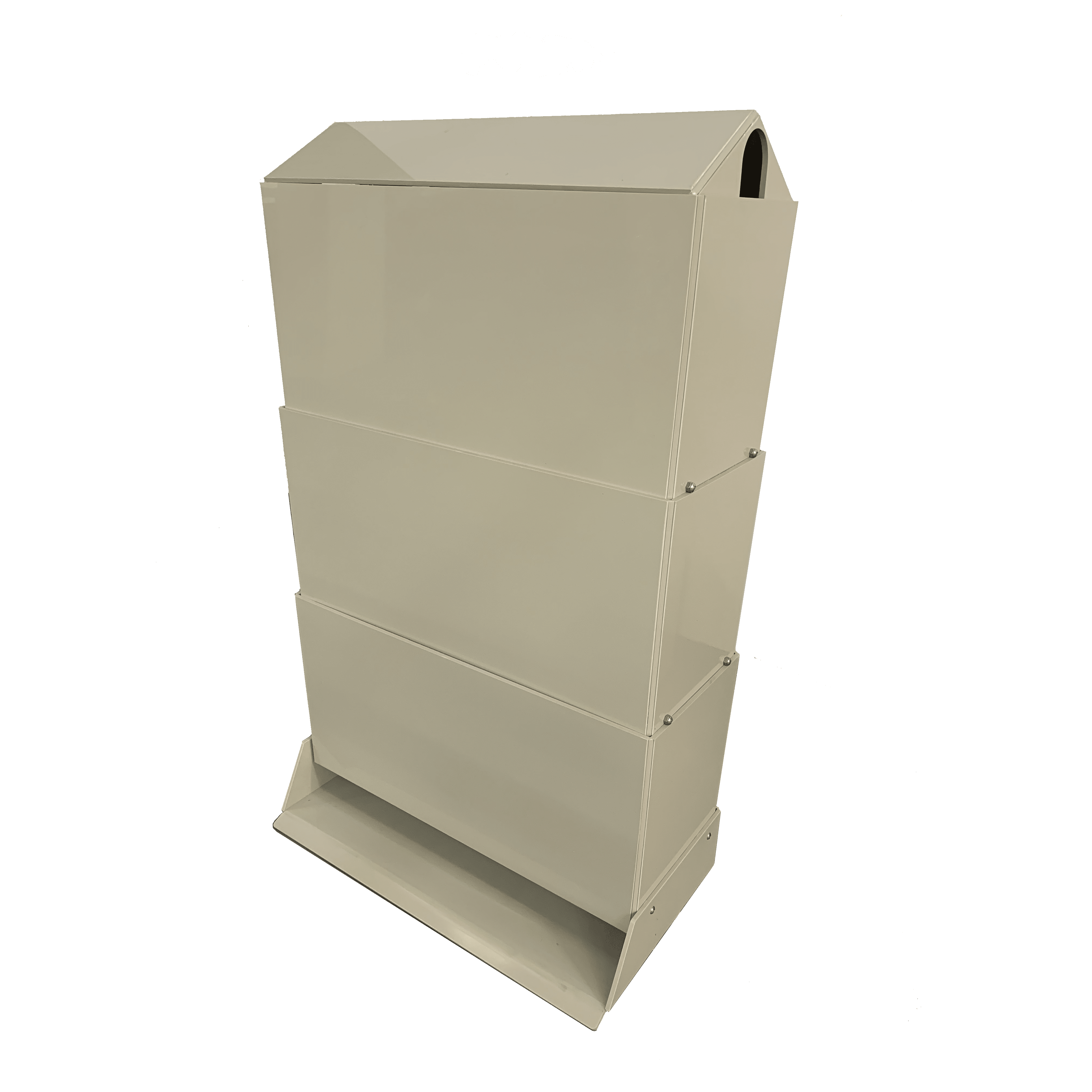
A Bakki shower filter is an above water biological filtration system designed for koi ponds and heavily stocked fish ponds.
Water is pumped to the top tray of the shower filter and then allowed to cascade down through several trays filled with biological filter media. As the water flows through the trays, beneficial bacteria break down harmful waste compounds such as ammonia and nitrite.
At the same time, the cascading water absorbs oxygen and releases unwanted gases such as carbon dioxide. This creates a highly oxygen rich filtration environment that supports strong biological filtration.
Why are Bakki showers popular for koi ponds?
Bakki showers are widely used on koi ponds because they provide extremely powerful biological filtration.
The filter media remains exposed to air, which means beneficial bacteria receive a continuous supply of oxygen. This allows them to process fish waste much more efficiently than bacteria in submerged filters.
For ponds with large koi or high feeding levels, this increased biological activity helps maintain stable water quality.
Do Bakki showers increase oxygen levels in a pond?
Yes, Bakki showers significantly increase dissolved oxygen levels.
As water cascades through the trays it mixes with air, absorbing oxygen while releasing carbon dioxide. Higher oxygen levels support fish health and improve the performance of beneficial bacteria within the filtration system.
This is one of the reasons Bakki showers are commonly used on high performance koi pond filtration systems.
What filter media can be used in a Bakki shower?
Many different types of biological filter media can be used in Bakki showers as long as the media allows good airflow and water movement.
Commonly used media includes:
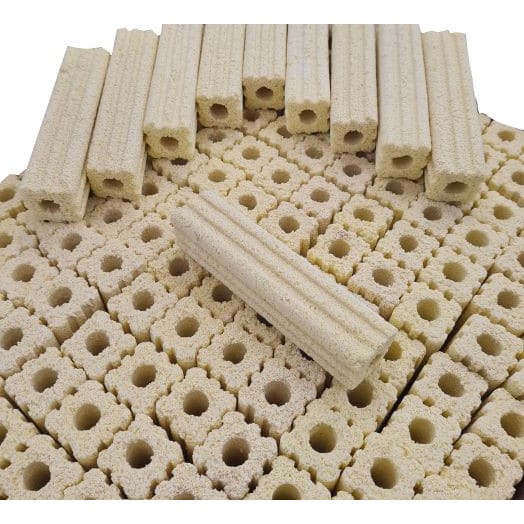
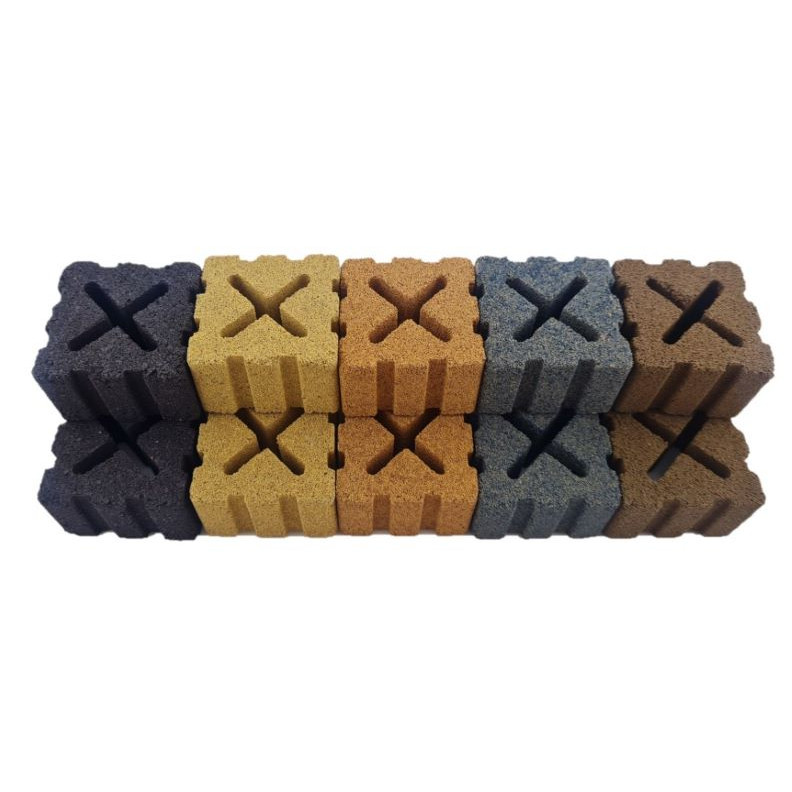
- Far infrared ceramic shower media
- Ceramic bio block media
- Bacteria House Media (BHM)
- Alfagrog ceramic media
- Bio Tube media
- Bio Flo moving bed media
- Other high surface area ceramic filtration media
Using different types of media across multiple trays can encourage a wider range of beneficial bacteria and improve overall filtration performance.
Is BHM media better than other Bakki shower media?
Bacteria House Media (BHM) is a well known type of ceramic shower media used in many Bakki shower filters. It offers a large surface area and excellent porosity for bacterial colonisation.
However, other ceramic media such as far infrared shower media and Alfagrog can also perform extremely well in shower filters. The key factor is using highly porous media that allows water and oxygen to move freely through the trays.
How much media does a Bakki shower require?
The amount of media required depends on the size of the shower filter and the tray capacity.
As a general guide:
- Small Bakki showers often hold around 30kg of media
- Medium sized units may hold around 40kg of media
- Large Bakki showers may require 50kg or more
Each tray should be filled evenly to allow water to spread across the media and cascade through the filter properly.
What size Bakki shower do I need for my pond?
The correct size Bakki shower depends on several factors including pond volume, fish stocking levels and feeding rates.
Heavily stocked koi ponds require significantly more biological filtration than lightly stocked garden ponds. In many cases, larger Bakki showers provide better long term filtration stability.
Choosing a shower filter with sufficient media capacity helps ensure the filtration system can process waste effectively.
Can a Bakki shower be used with a drum filter?
Yes, Bakki showers are often used together with drum filters.
In many filtration systems the drum filter removes solid waste first. The water is then pumped to the Bakki shower where biological filtration takes place.
This combination provides extremely efficient pond filtration and is widely used in modern koi pond systems.
Where should a Bakki shower be installed?
Bakki showers are normally installed above pond water level so the filtered water can return to the pond by gravity.
They are commonly positioned:
- Behind the pond
- Above a waterfall return
- Next to a filter pit
- On a raised platform beside the pond
This allows water to cascade back into the pond while increasing oxygenation.
What pump should be used for a Bakki shower filter?
A suitable pond pump is required to supply water to the top tray of the Bakki shower.
The pump must be capable of delivering the recommended flow rate once head height is taken into account. Many Bakki showers operate effectively with flow rates between 15,000 and 25,000 litres per hour depending on the model.
Selecting the correct pump ensures even water distribution across the shower trays.
Can Bakki showers reduce ammonia and nitrite?
Yes, Bakki showers are extremely effective at reducing ammonia and nitrite levels.
Beneficial bacteria colonise the surface of the filtration media and convert ammonia into nitrite and then into nitrate. Because the media receives high oxygen levels, these bacteria remain very active and can process waste quickly.
This helps maintain stable water conditions for fish.
Do Bakki showers improve pond water clarity?
Bakki showers can contribute significantly to improved water clarity.
Although they are primarily biological filters, they help reduce dissolved organic waste and support strong bacterial activity. This improves overall water quality and helps maintain clear pond water when used alongside a mechanical filter.
Do Bakki showers remove carbon dioxide from pond water?
Yes, Bakki showers help remove dissolved gases such as carbon dioxide.
As water cascades through the trays it releases unwanted gases while absorbing oxygen. This process improves the overall water chemistry and helps maintain a healthier environment for fish.
Do Bakki showers help koi growth?
Many koi keepers believe Bakki showers support improved koi growth and health.
Higher oxygen levels and stable water conditions create an environment where koi can feed and grow more efficiently. Strong biological filtration also reduces stress caused by poor water quality.
How long does it take for a Bakki shower filter to mature?
Like all biological filtration systems, Bakki showers require time for beneficial bacteria to colonise the filter media.
This process usually takes several weeks depending on water temperature and feeding levels. During this time the bacterial colonies gradually develop and begin processing ammonia and nitrite more efficiently.
Are stainless steel Bakki showers better than plastic ones?
Both stainless steel and plastic Bakki showers operate using the same filtration principle.
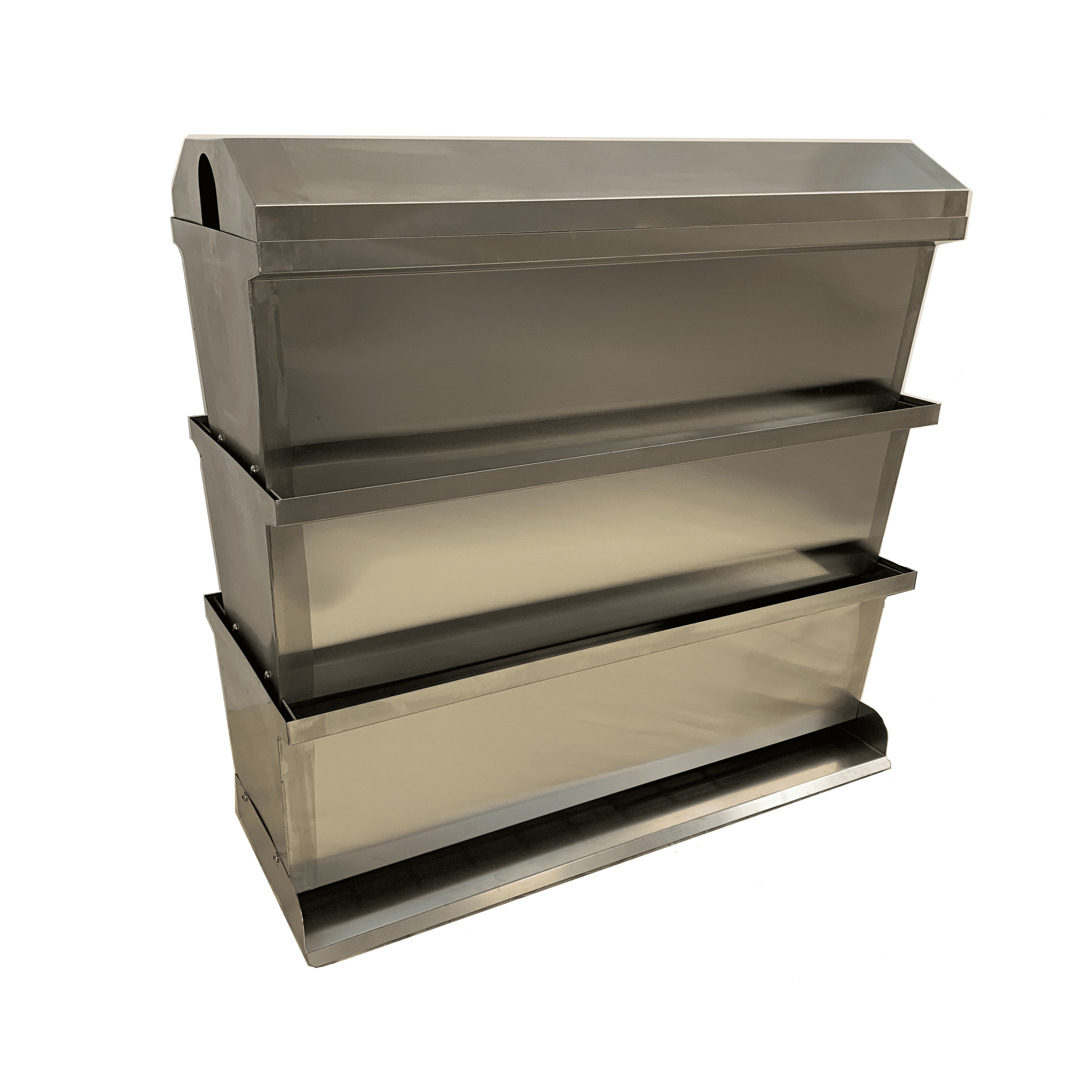
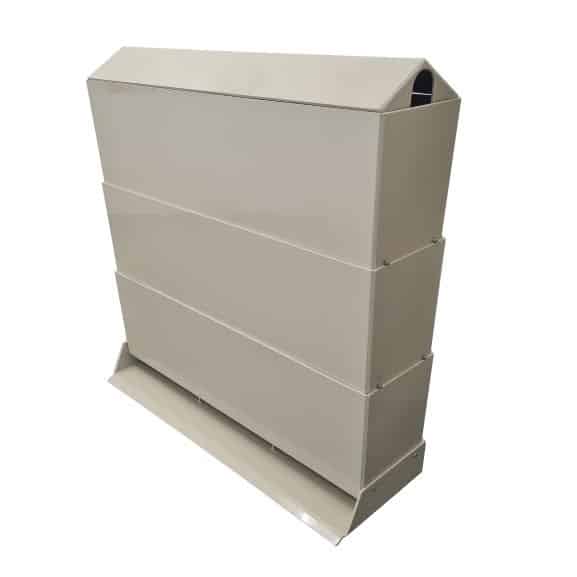
Plastic Bakki showers are lightweight and cost effective, making them suitable for many ponds. Stainless steel Bakki showers are typically more durable and are often used on larger koi pond systems.
The best choice depends on the size of the pond and the filtration setup.
Can a Bakki shower be added to an existing pond filtration system?
Yes, Bakki showers are often installed alongside existing pond filters to increase biological filtration capacity.
Many pond keepers add a shower filter alongside drum filters, box filters or moving bed filters. Adding a Bakki shower can significantly improve oxygen levels and waste processing.
Are Bakki showers noisy?
Bakki showers produce a gentle sound as water cascades through the trays. Many pond owners enjoy this natural waterfall effect.
The sound level depends on the flow rate and how the shower filter returns water to the pond.
Do Bakki showers work in winter?
Bakki showers continue to provide biological filtration during winter, although bacterial activity naturally slows as water temperatures drop.
Even during colder months they help maintain oxygen levels and support stable water quality.
Can Bakki showers be used on large ponds?
Yes, Bakki showers are particularly well suited to larger koi ponds and heavily stocked ponds.
Their strong biological filtration capacity and excellent oxygenation make them ideal for high performance pond filtration systems.
How does a Bakki shower improve biological filtration?
A Bakki shower improves biological filtration by exposing filter media to a constant supply of oxygen. Beneficial bacteria grow on the surface of the media and use oxygen to break down ammonia and nitrite produced by fish waste.
Because the media is not submerged, oxygen levels remain extremely high. This allows the bacteria to remain highly active and process waste more efficiently than in traditional submerged filters.
Why is oxygen important in biological pond filtration?
Oxygen is essential for nitrifying bacteria that convert ammonia and nitrite into less harmful compounds.
In submerged filters oxygen levels can become limited, especially in heavily stocked ponds. Bakki showers solve this problem by exposing the media to air while water cascades over it.
This constant oxygen supply helps maintain strong bacterial colonies and improves filtration performance.
Can a Bakki shower replace a traditional pond filter?
In some cases a Bakki shower can replace a traditional biological filter, but most systems work best when combined with a mechanical pre filter.
Mechanical filtration such as a drum filter removes solid waste before the water reaches the shower filter. The Bakki shower then provides the biological filtration stage.
This combination is widely regarded as one of the most effective filtration systems for koi ponds.
What is the difference between a Bakki shower and a trickle filter?
Bakki showers and trickle filters work using a similar principle where water flows over biological media exposed to air.
However, Bakki showers are typically designed for higher flow rates and larger ponds. They also tend to use deeper trays and higher capacity media, making them suitable for heavily stocked koi ponds.
How high should a Bakki shower be above the pond?
Bakki showers are usually installed slightly above pond water level to allow the filtered water to return by gravity.
The exact height depends on the installation and plumbing layout, but there must be enough drop for water to flow freely back into the pond.
Many systems use a waterfall return or gravity pipe to return water.
Can Bakki showers reduce pond smells?
Yes, Bakki showers can help reduce unpleasant pond smells.
As water cascades through the trays it releases dissolved gases and improves oxygen levels. This helps prevent the buildup of anaerobic conditions that can cause bad odours.
Are Bakki showers good for heavily stocked koi ponds?
Bakki showers are particularly well suited to heavily stocked koi ponds.
Because they provide extremely strong biological filtration and excellent oxygenation, they can handle large biological loads produced by big koi and heavy feeding.
Many high end koi pond systems use Bakki showers as the main biological filter.
Do Bakki showers help remove dissolved organic waste?
Yes, Bakki showers help reduce dissolved organic compounds in pond water.
Strong bacterial activity and high oxygen levels help break down organic waste more efficiently. This improves water clarity and overall water quality.
Do Bakki showers help stabilise pond water parameters?
Bakki showers help maintain stable water conditions by supporting large colonies of beneficial bacteria.
These bacteria process fish waste continuously, helping prevent ammonia and nitrite spikes. Stable water conditions are essential for healthy koi and other pond fish.
How long do Bakki shower filters last?
Bakki showers are designed to last many years with minimal maintenance.
Plastic shower filters are lightweight and durable, while stainless steel Bakki showers offer excellent long term durability and corrosion resistance.
With proper installation, they can provide reliable filtration for decades.
Does water temperature affect Bakki shower performance?
Yes, water temperature affects bacterial activity in all biological filters.
In warmer water beneficial bacteria multiply quickly and filtration performance increases. In colder water bacterial activity slows, although the shower filter will still provide oxygenation and some biological filtration.
Do Bakki showers need to be covered?
Many Bakki showers include a lid to prevent debris such as leaves entering the trays.
A lid can also help reduce splashing and direct water flow evenly across the media.
Do Bakki showers use electricity?
Bakki showers themselves do not use electricity.
However, they require a pond pump to supply water to the top tray. The pump is the only electrical component required to operate the system.
Can I build my own Bakki shower filter?
Some pond keepers build DIY Bakki showers using plastic crates or stacked trays.
However, purpose built shower filters are designed to distribute water evenly across the media and provide reliable flow rates. Professionally manufactured units are generally more efficient and durable.
Can Bakki showers be used on wildlife ponds?
Bakki showers can be used on wildlife ponds, although they are more commonly installed on koi ponds where strong biological filtration is required.
For wildlife ponds with lighter fish stocking, smaller filtration systems are often sufficient.
Do Bakki showers help reduce nitrate levels?
Bakki showers mainly support nitrifying bacteria which convert ammonia into nitrite and then nitrate.
While they do not directly remove nitrate, the improved biological balance in the pond can help maintain more stable water quality.
Can Bakki showers be installed indoors?
Yes, Bakki showers can be installed indoors in dedicated filter rooms or pond houses.
However, adequate drainage and ventilation should be provided because the cascading water produces moisture and humidity.
How do you clean Bakki shower media?
Bakki shower media usually requires very little cleaning.
Because the media is constantly exposed to flowing water and oxygen, it rarely becomes clogged. If cleaning is required, the media can be rinsed gently using pond water to remove excess debris.
Do Bakki showers help improve koi colour?
Many koi keepers believe Bakki showers help improve koi colour and vitality.
Stable water quality and higher oxygen levels support healthy metabolism and overall fish wellbeing, which may contribute to better colour development.
What is the best filtration setup for a koi pond?
Many modern koi ponds use a multi stage filtration system consisting of:
- A bottom drain and skimmer
- A drum filter for mechanical filtration
- A Bakki shower for biological filtration
This combination provides excellent waste removal, strong biological filtration and high oxygen levels.
How deep should Bakki shower media be in each tray?
Bakki shower trays are normally filled with enough media to allow water to spread evenly while still allowing airflow through the filter. Most trays are filled between 75mm and 150mm deep depending on the design of the shower filter.
Allowing space between media pieces helps ensure water cascades freely and oxygen can circulate through the filtration media.
Can you over filter a koi pond with a Bakki shower?
It is very difficult to over filter a koi pond using biological filtration such as Bakki showers.
Additional biological filtration simply provides more surface area for beneficial bacteria. This can help improve water stability, especially in ponds with large koi or high feeding levels.
Do Bakki showers need a spray bar?
Yes, most Bakki showers use a spray bar to distribute water evenly across the top tray.
The spray bar helps spread water across the media so the entire tray receives flow. Even water distribution improves oxygen exposure and ensures the biological media works efficiently.
Can Bakki showers help prevent pond crashes?
Bakki showers can help reduce the risk of water quality crashes by supporting large colonies of beneficial bacteria.
Because they provide strong biological filtration and excellent oxygenation, they help maintain stable water conditions even when feeding levels increase.
Do Bakki showers improve pond gas exchange?
Yes, Bakki showers significantly improve gas exchange.
As water cascades through the trays it releases dissolved gases such as carbon dioxide and absorbs oxygen from the air. This improves water chemistry and creates a healthier environment for fish.
Are Bakki showers suitable for new ponds?
Bakki showers are very useful for new pond systems because they allow beneficial bacteria to colonise quickly.
Although all biological filters require time to mature, the strong oxygenation provided by shower filters can help encourage rapid bacterial growth.
Do Bakki showers help reduce dissolved organic compounds?
Yes, strong biological activity within a Bakki shower helps break down dissolved organic compounds in pond water.
This improves overall water quality and can contribute to clearer pond water when combined with effective mechanical filtration.
Can Bakki showers be used with skimmer circuits?
Yes, Bakki showers can be supplied by water from either bottom drain circuits or skimmer circuits depending on the filtration design.
Many pond systems pump water from a drum filter or skimmer line to the shower filter before returning it to the pond.
Are Bakki showers suitable for gravity fed pond systems?
Bakki showers are usually installed as part of pump fed filtration systems, but they can still be integrated into gravity fed filtration setups.
Water is typically pumped from the filter chamber to the top of the shower and then allowed to return to the pond by gravity.
Do Bakki showers need constant water flow?
Yes, Bakki showers should run continuously as part of the pond filtration system.
Continuous water flow keeps the biological media oxygenated and ensures the beneficial bacteria remain active.
What happens if a Bakki shower stops running?
If water flow stops for an extended period the biological bacteria may begin to lose oxygen.
Short interruptions are usually not a problem, but prolonged shutdowns can reduce bacterial activity. For this reason Bakki showers are normally operated continuously.
Do Bakki showers help maintain stable pond ecosystems?
Yes, Bakki showers contribute to stable pond ecosystems by maintaining strong biological filtration and high oxygen levels.
Stable water conditions help reduce stress on fish and support a balanced aquatic environment.
Are Bakki showers suitable for professional koi ponds?
Yes, Bakki showers are widely used on professional koi ponds and high end koi installations.
Their ability to process large biological loads and maintain strong oxygen levels makes them particularly valuable in ponds with large koi.
Do Bakki showers work well with modern pond filtration systems?
Bakki showers integrate extremely well with modern pond filtration systems including:
- drum filters
- moving bed filters
- multi bay filters
- gravity fed systems
- pump fed filtration systems
When combined correctly they can form part of a highly efficient multi stage filtration system.
Why do serious koi keepers use Bakki showers?
Many experienced koi keepers use Bakki showers because they provide powerful biological filtration and excellent oxygenation.
Stable water conditions, strong bacterial activity and improved oxygen levels all contribute to healthier koi and better overall pond performance.