







Why Are My Koi Scared of Me? Understanding and Fixing Koi Shyness
Owning koi fish is a uniquely rewarding experience. These vibrant, graceful creatures are often known for their friendly curiosity and can even become accustomed to human interaction. However, some koi owners find their fish retreating when they approach, hiding among plants, or simply avoiding contact. If you’ve ever found yourself asking, “Why are my koi fish scared of me?” this article will guide you through the most common causes and effective solutions to help your koi feel safe and secure.
Understanding Koi Behavior and Environment
Koi, like many animals, require time to adjust to new environments. Moving koi to a new pond, introducing new fish, or making significant changes to their habitat can be a major source of stress for them. During the initial stages of adjustment, it’s normal for koi to feel uncertain and wary, as they familiarize themselves with their surroundings. It’s also possible that they’re getting used to your presence, especially if this is a new home for both you and your koi.
Allowing koi a few weeks to adapt is essential. During this time, avoid frequent disturbances and establish a regular feeding schedule to help them feel more at ease. By creating a koi-friendly environment, you’re setting the foundation for them to gradually become comfortable in their new home. Our Pond Building Services provide expert support for crafting a safe, inviting pond that helps koi settle quickly and feel secure.
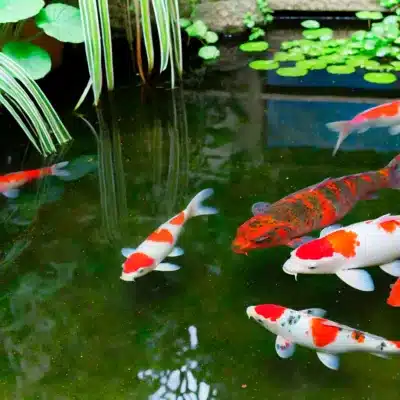
Koi Exploring New Pond Environment
Associations with Past Negative Experiences
Koi are perceptive and capable of remembering experiences, whether positive or negative. If they’ve experienced frightening events, such as predator encounters, sudden noises, or even rough handling, they may develop an aversion to people. Even routine pond maintenance that involves netting or temporarily removing them from the pond can create stress and lead to a lasting association of humans with fear.
To help koi overcome this, approach them gently, avoid quick movements, and avoid creating loud disturbances around the pond. When koi recognize that your presence isn’t a threat, they’re more likely to relax and may even become curious. Rebuilding trust with koi is a gradual process, but it can be rewarding with consistent, positive interactions. For more guidance on maintaining a calm environment, our Pond Maintenance Guide provides tips on keeping your koi’s habitat peaceful.
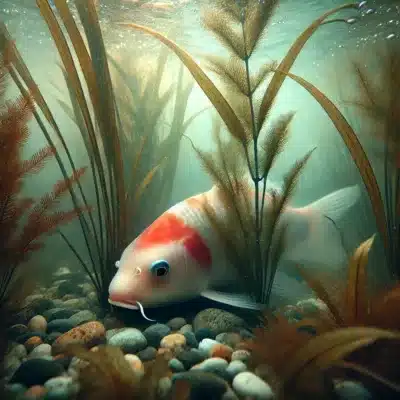
Koi Hiding Among Pond Plants
Establishing a Consistent Feeding Routine
Koi thrive on routine and quickly learn to recognize feeding schedules. However, an inconsistent feeding routine can lead to anxiety, as koi are unsure of when to expect their next meal. Regular feeding helps them associate your presence with food, fostering a sense of trust. Sudden changes in feeding locations or erratic schedules, on the other hand, may create confusion or distrust.
For koi that seem fearful, aim to feed them at the same time each day, ideally from a specific spot near the pond. Hand-feeding, once they are comfortable, can strengthen this bond and reduce their fear. If you need guidance on seasonal feeding practices, especially during colder months when routines change, our article on What to Feed Koi in Winter is an excellent resource.
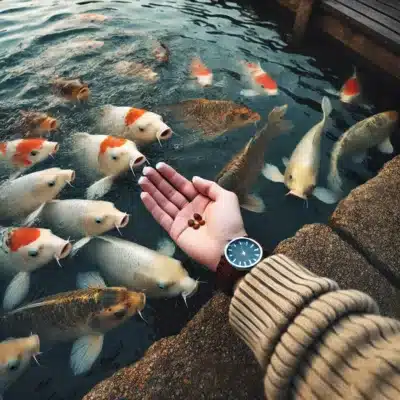
Hand-Feeding Koi Fish
Impact of Water Quality and Pond Conditions
Water quality plays a crucial role in koi health and behavior. Poor water conditions, such as high ammonia levels, fluctuating pH, or low oxygen, can stress koi and cause them to avoid contact or even become ill. When koi are stressed, they’re likely to seek hiding spots, further reinforcing their fear.
Maintaining stable water conditions not only keeps your koi healthy but also encourages them to feel comfortable enough to approach you. Testing the pond regularly for key parameters like ammonia, nitrite, and pH can help you catch issues early and make necessary adjustments. Our Water Quality Guide offers practical insights into maintaining a balanced pond environment for your koi’s well-being.

Koi Pond with Clear Water
The Presence of Predators and Nearby Threats
Koi have natural predators, including birds, raccoons, and sometimes even domestic pets. If your koi have experienced a predator scare, they may associate any movement around the pond, including your presence, with potential danger. Predatory birds, shadows, or nearby animals can trigger koi to hide, swim away, or otherwise appear fearful.
Installing predator deterrents can help reduce this fear over time, making koi feel more secure in their environment. Netting, motion-activated sprinklers, or pond covers can offer the safety koi need to realize they’re in a secure environment. As they begin to trust their surroundings, they’re more likely to view you as a non-threatening presence. Visit our Pond Accessories section for deterrent products designed to protect your pond.
For additional tips on protecting your pond, have a look at this article from the RHS Wildlife.
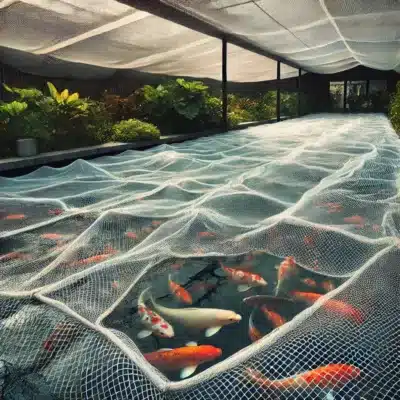
Protective Netting Over Koi Pond
Building a Relationship Through Social Interaction
Koi are social creatures and often thrive on gentle, consistent interaction. If koi are unfamiliar with human presence or rarely engage with people, they may be more inclined to swim away or hide. Regular interaction, particularly through feeding or calmly observing them, can help them become accustomed to you and feel more comfortable in your presence.
Building trust with koi takes time. Begin with a routine that encourages them to approach you, such as feeding at the same spot daily. Avoid quick or abrupt movements, as koi are sensitive to vibrations. As koi begin to see you as a source of food and a familiar presence, their fear is likely to fade, replaced by curiosity and even friendliness.
For readers interested in a deeper understanding of koi behavior, our Understanding Koi Behavior and Communication article dives into the fascinating world of koi communication, providing insights into how they interact with each other and with humans.

Koi Swimming Freely Without Fear
Practical Tips for Building Trust with Your Koi
Building trust with your koi requires patience and consistency. Here are some actionable tips to help reduce your koi’s fear and build a stronger bond:
- Stick to a Routine: Feed your koi at the same time each day from a designated spot near the pond. Over time, they’ll begin to associate you with food and positive experiences.
- Maintain Water Quality: Regularly test and adjust your pond’s water parameters. A stable, healthy pond environment is essential for koi comfort and health. Our Pond Maintenance Services can help you ensure optimal conditions for koi.
- Use a Gentle Approach: Avoid startling your koi by approaching the pond slowly and keeping movements calm. Over time, koi learn to see you as a friendly presence.
- Protect Against Predators: Consider adding netting or motion-activated deterrents to secure your pond from potential threats, allowing koi to feel safe and confident.
With patience and consistent care, your koi fish can grow more comfortable around you, transforming their initial fear into a trusting relationship.
Final Thoughts
Koi are sensitive, intelligent fish that can form meaningful connections with their caregivers. By understanding the root causes of their fear and addressing these issues, you can help them feel more at ease in their environment. With time, patience, and a safe habitat, koi can grow less fearful and even look forward to seeing you each day.
If you’re still curious about koi behavior, our Ultimate Guide to Koi Pond Care offers a seasonal breakdown of pond care essentials, ensuring your koi’s needs are met year-round.
Matthew Adlington
