






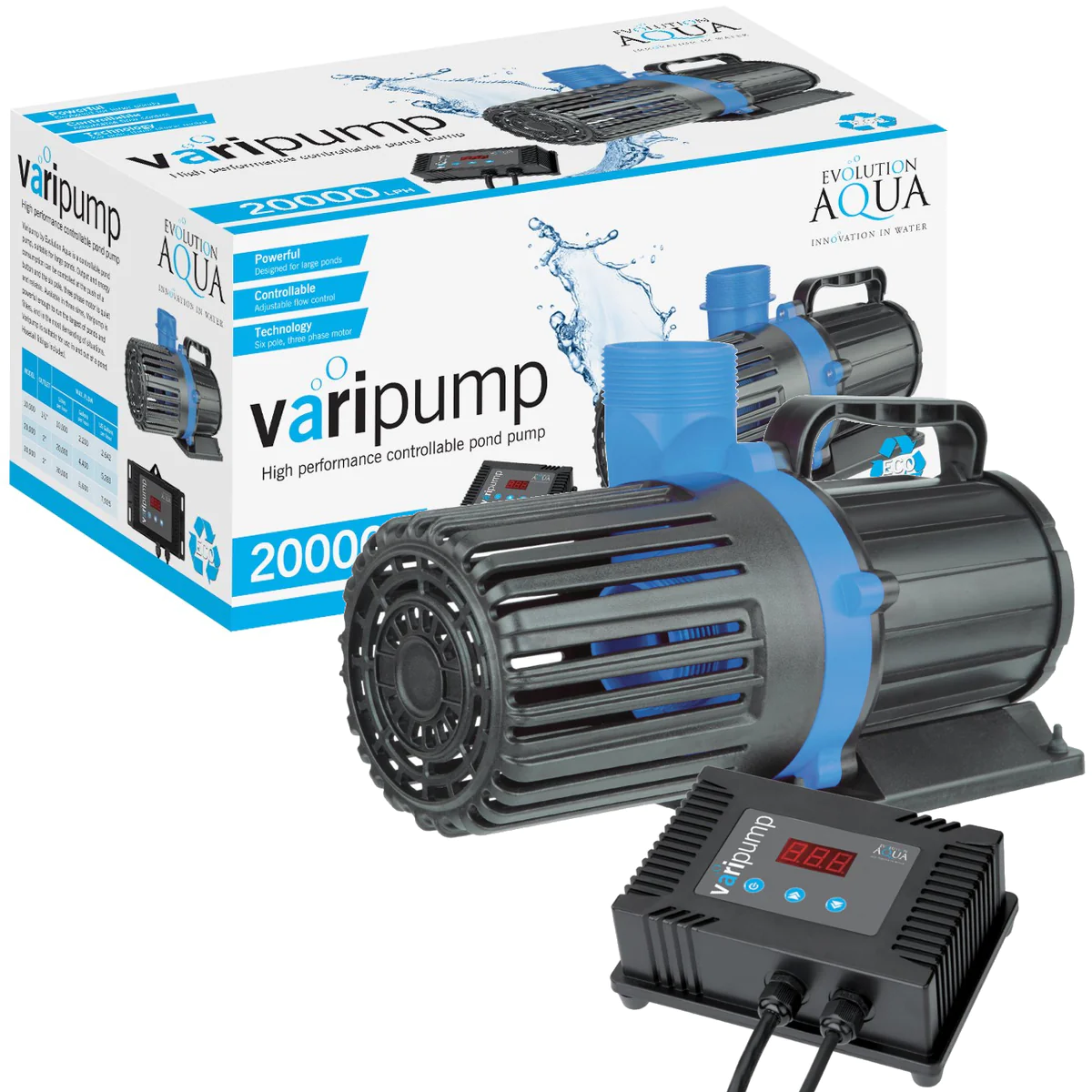
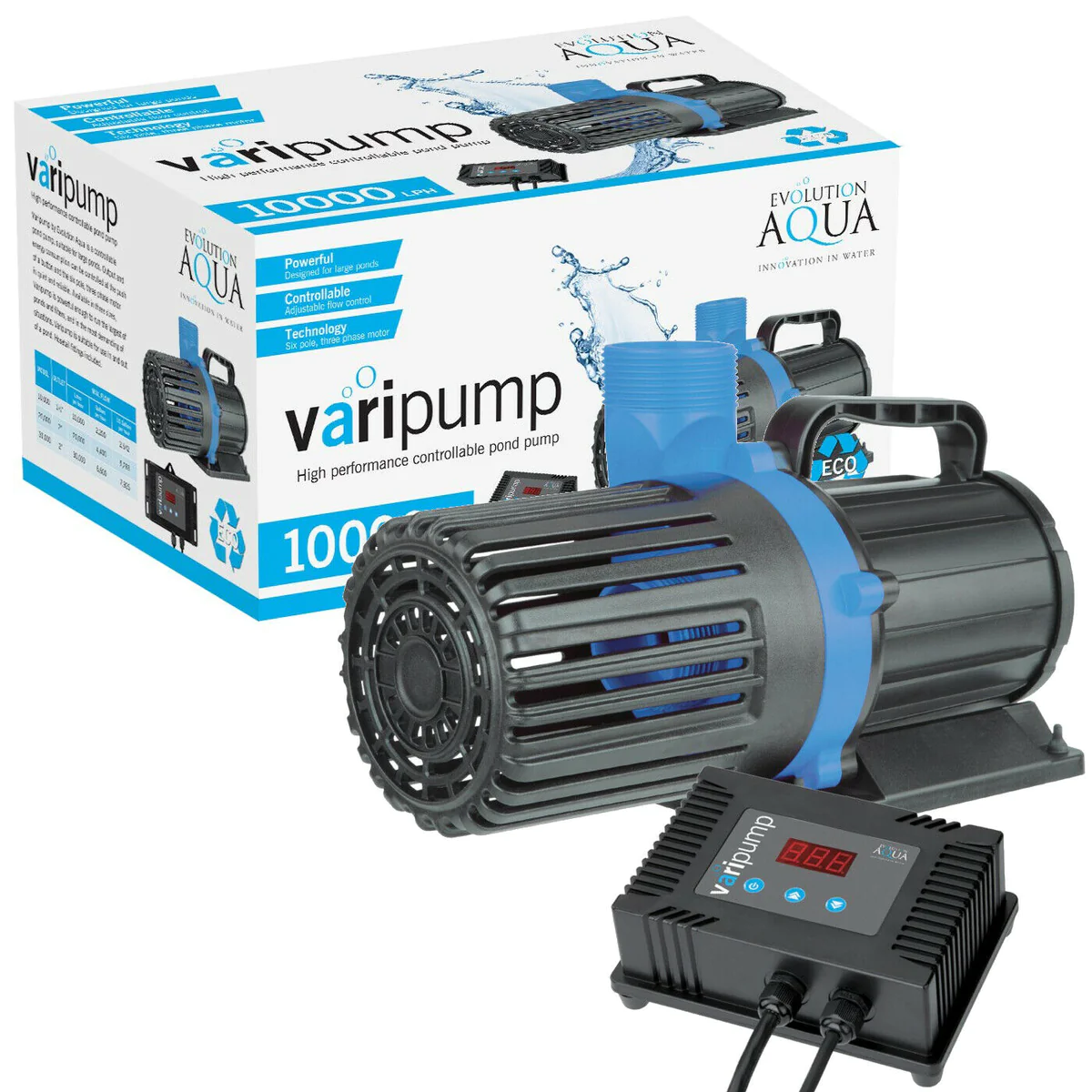
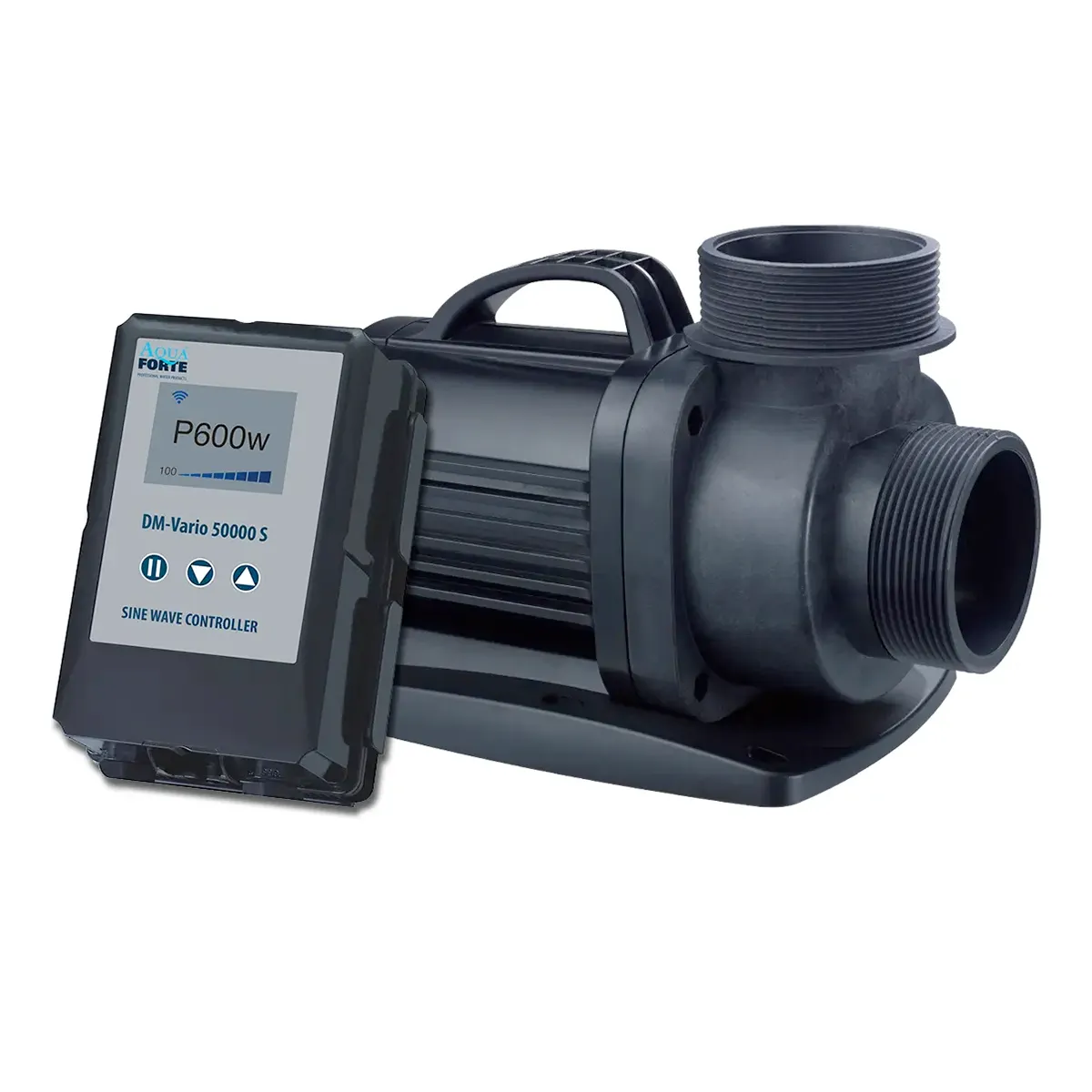
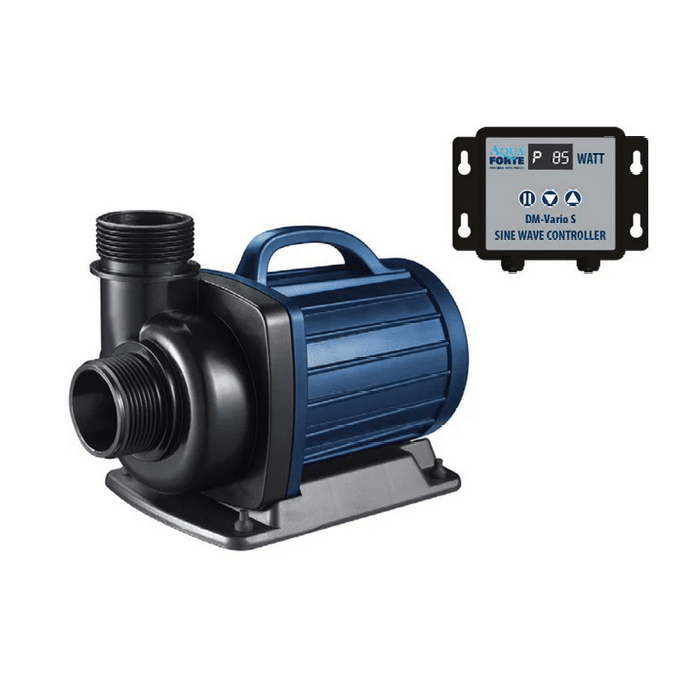
Variable Flow Pond Pumps – Frequently Asked Questions
What is a variable flow pond pump?
A variable flow pond pump is a pump that allows you to adjust the water output instead of running at a fixed speed. This means you can match the flow to your pond size, filtration system, and seasonal demand. As a result, you get better filtration performance, improved water quality, and lower running costs.
What is the difference between a variable flow pump and a standard pond pump?
A standard pond pump runs at one constant speed regardless of what your pond needs. A variable flow pump allows you to increase or decrease the output, so you can fine tune circulation and filtration. This makes it far more efficient and adaptable for real world pond conditions.
Are variable flow pond pumps worth it?
Yes, in most cases they are worth it. While they cost more upfront, the ability to reduce energy usage and optimise flow means they are usually cheaper to run long term. They also give you far better control over water quality, which is especially important for koi ponds.
How does a variable speed pond pump save energy?
Variable speed pumps use less electricity when running at lower speeds. For example, reducing the flow by even 20 to 30 percent can significantly cut power consumption. Over time, this leads to noticeable savings, especially on ponds that run continuously.
What size variable flow pond pump do I need?
The correct size depends on your pond volume, filtration system, and pipework. As a general guide, aim to turn over the full pond volume every one to two hours. However, real world conditions such as pipe length and head height reduce flow, so slightly oversizing the pump is often the best approach.
Can I oversize a pond pump and turn it down?
Yes, and this is often recommended. A larger pump gives you more flexibility and allows you to adjust flow precisely to suit your system. It also future proofs your setup if you add more filtration or water features later.
What happens if my pond pump is too powerful?
If the pump is too powerful, water can move through the filter too quickly. This reduces the time available for biological filtration and can affect water quality. It can also cause issues in gravity fed systems or drum filters by pushing too much water through them.
What happens if my pond pump is too small?
If the pump is too small, the pond will not circulate properly. This can lead to poor oxygen levels, dead spots, and a buildup of waste. Over time, this can result in cloudy water and unhealthy conditions for fish.
Can I adjust my pond pump flow for winter?
Yes, and this is one of the key benefits of a variable pump. In winter, fish are less active and filtration demand is lower, so reducing the flow saves energy while maintaining circulation. This helps keep the system stable without unnecessary running costs.
Should a pond pump run all the time?
Yes, pond pumps should run continuously. Constant circulation keeps water oxygenated, supports beneficial bacteria, and prevents stagnation. Turning the pump off regularly can disrupt the biological balance of the pond.
Are variable flow pumps better for koi ponds?
Yes, they are ideal for koi ponds. Adjustable flow allows you to match the pump output to your filtration system, which is essential for maintaining water quality. This flexibility is especially important in heavily stocked ponds.
Can variable flow pumps be used with drum filters?
Yes, they are commonly used with drum filters. Adjustable flow allows you to match the pump output to the filter capacity, preventing overload and improving overall efficiency.
Can I use a variable flow pump for a waterfall?
Yes, variable flow pumps are perfect for waterfalls and streams. You can increase the flow during the day for visual impact and reduce it when less flow is needed to save energy.
Do variable flow pumps work with pressure filters?
Yes, they work well with pressure filters. However, pressure filters create resistance, so you may need to increase the pump speed slightly to maintain the correct flow rate.
Are variable flow pond pumps quiet?
Most modern variable flow pumps are designed to run quietly. When installed correctly, they produce minimal noise and are suitable for garden environments.
Can variable flow pumps be installed dry?
Yes, but they must be installed below water level. Most pond pumps are not self priming and rely on gravity fed water supply to operate correctly.
Can variable flow pumps be installed underwater?
Yes, most models are designed for submerged installation. This is one of the most common and effective ways to install a pond pump.
Do variable flow pumps handle debris?
Yes, most variable flow pumps can handle small solids such as fish waste and debris. However, using pre filtration helps improve performance and extend the life of the pump.
How long do variable flow pond pumps last?
With proper installation and maintenance, these pumps can last many years. Regular cleaning and correct use will significantly extend their lifespan.
Do variable flow pumps need maintenance?
Yes, basic maintenance is recommended. This includes checking for blockages, cleaning the impeller, and ensuring the intake remains clear. Regular maintenance helps maintain performance and prevent damage.
How do I choose the best variable flow pond pump?
The best pump depends on your pond size, filtration system, and pipework layout. You should consider flow rate, head height, and how much resistance your system creates. In most cases, choosing a slightly larger pump and adjusting it down gives the best performance and flexibility.
What is head height and why does it matter?
Head height refers to how high the pump needs to push water. The higher the lift, the more the flow rate is reduced. This is important when running waterfalls, raised filters, or long pipe runs, as it directly affects real world performance.
How much flow do I lose through pipework?
Flow is reduced by pipe length, bends, fittings, and filter resistance. In some systems, you can lose 30 to 50 percent of the advertised flow. This is why correct sizing and pipe design are essential.
What pipe size should I use with a variable flow pump?
Larger pipe diameters improve flow and reduce resistance. For most systems, using 1.5 inch or 2 inch pipework is recommended. Smaller pipes restrict flow and reduce overall efficiency.
Can I run multiple outlets from one pump?
Yes, you can split the flow to run filters, waterfalls, and returns. However, you need to ensure the pump has enough capacity and that the flow is balanced correctly using valves if needed.
Should I use flexible hose or rigid pipe?
Rigid pipe is generally more efficient because it reduces resistance and improves flow. Flexible hose is easier to install but can slightly reduce performance due to friction.
How do I balance flow between a filter and a waterfall?
You can use valves to control how much water goes to each outlet. This allows you to fine tune the system so both the filter and waterfall operate correctly without affecting each other.
Can a variable flow pump improve water clarity?
Yes, when set correctly. Proper flow ensures water passes through the filter at the right rate, allowing beneficial bacteria to work effectively. This results in clearer and healthier water.
What is the ideal flow rate for a koi pond?
Most koi ponds aim for a full turnover every one to one and a half hours. However, this depends on stocking levels and filtration type. Adjustable pumps make it easier to dial this in accurately.
Can I reduce pump speed to stop water from overflowing a filter?
Yes, this is one of the main advantages of variable flow pumps. Reducing the speed allows you to match the flow to your filter capacity and prevent overflow issues.
Why is my pump not delivering the expected flow?
This is usually due to head height, pipe resistance, or blockages. The advertised flow rate is measured under ideal conditions, so real world performance is always lower.
How can I maximise the flow from my pump?
Use larger pipework, reduce the number of bends, keep pipe runs short, and ensure the pump is clean. These steps help the pump operate closer to its maximum potential.
Can I run a UV clarifier with a variable flow pump?
Yes, and it is often beneficial. You can adjust the flow to match the recommended rate for the UV unit, which improves water clarity and effectiveness.
What is the benefit of slowing down water through a filter?
Slower flow increases contact time with filter media. This improves biological filtration and helps break down ammonia and waste more effectively.
Can variable flow pumps help reduce algae?
Yes, indirectly. By improving filtration and circulation, they help maintain better water quality. This reduces the conditions that allow algae to thrive.
Are variable flow pumps suitable for large ponds?
Yes, they are ideal for large ponds. Higher flow models provide the power needed, while adjustable speed allows you to fine tune performance.
Can I use one pump for the whole pond system?
Yes, in many cases one pump can run the entire system. However, larger or more complex setups may benefit from multiple pumps for better control and redundancy.
What happens if my pump draws in air?
If a pump draws in air, it can lose performance and may stop working correctly. This is often caused by low water levels, poor installation, or air leaks in pipework.
Can I control oxygen levels with a variable flow pump?
Yes, to an extent. Increasing flow improves circulation and surface movement, which helps oxygenate the water. However, dedicated aeration systems may still be required for heavily stocked ponds.
Are variable flow pumps suitable for wildlife ponds?
Yes, they are suitable for wildlife ponds. The ability to reduce flow allows you to create gentle circulation, which is better for plants and wildlife.
Why is my pond pump losing flow over time?
This is usually caused by a buildup of debris, algae, or limescale inside the pump or pipework. As resistance increases, flow decreases. Regular cleaning and maintenance will restore performance.
Why does my pump keep stopping and starting?
This is often due to built in protection systems activating. Dry run protection or blockage detection may be triggered if the pump detects low water levels or restricted flow.
What causes a pond pump to block?
Common causes include blanketweed, leaves, small stones, and general debris. Even pumps designed to handle solids can become restricted if debris builds up over time.
How do I clean a variable flow pond pump?
Turn the pump off, remove it safely, and open the housing to access the impeller. Rinse away debris and check for any blockages before reassembling and restarting the pump.
How often should I clean my pond pump?
This depends on your pond conditions. Heavily stocked ponds or those with lots of debris may need more frequent cleaning, while cleaner systems require less maintenance.
Can limescale affect pond pump performance?
Yes, limescale can build up on internal components, especially in hard water areas. This reduces efficiency and can cause the pump to work harder than necessary.
What is the best way to prevent pump blockages?
Using pre filtration such as a drum filter, sieve, or skimmer helps remove debris before it reaches the pump. Regular maintenance also plays a key role.
Why is my pump noisy?
Noise is usually caused by debris in the impeller, worn components, or poor installation. Checking and cleaning the pump often resolves the issue.
Can running a pump too fast cause problems?
Yes, excessive flow can reduce filtration efficiency and cause unnecessary wear. It can also lead to issues with filters that cannot handle high flow rates.
Is it better to run a pump slower for longer?
Yes, running a pump at a lower speed continuously is often more efficient than running at full power. This improves energy efficiency and maintains stable water conditions.
What is the difference between wired and WiFi variable pumps?
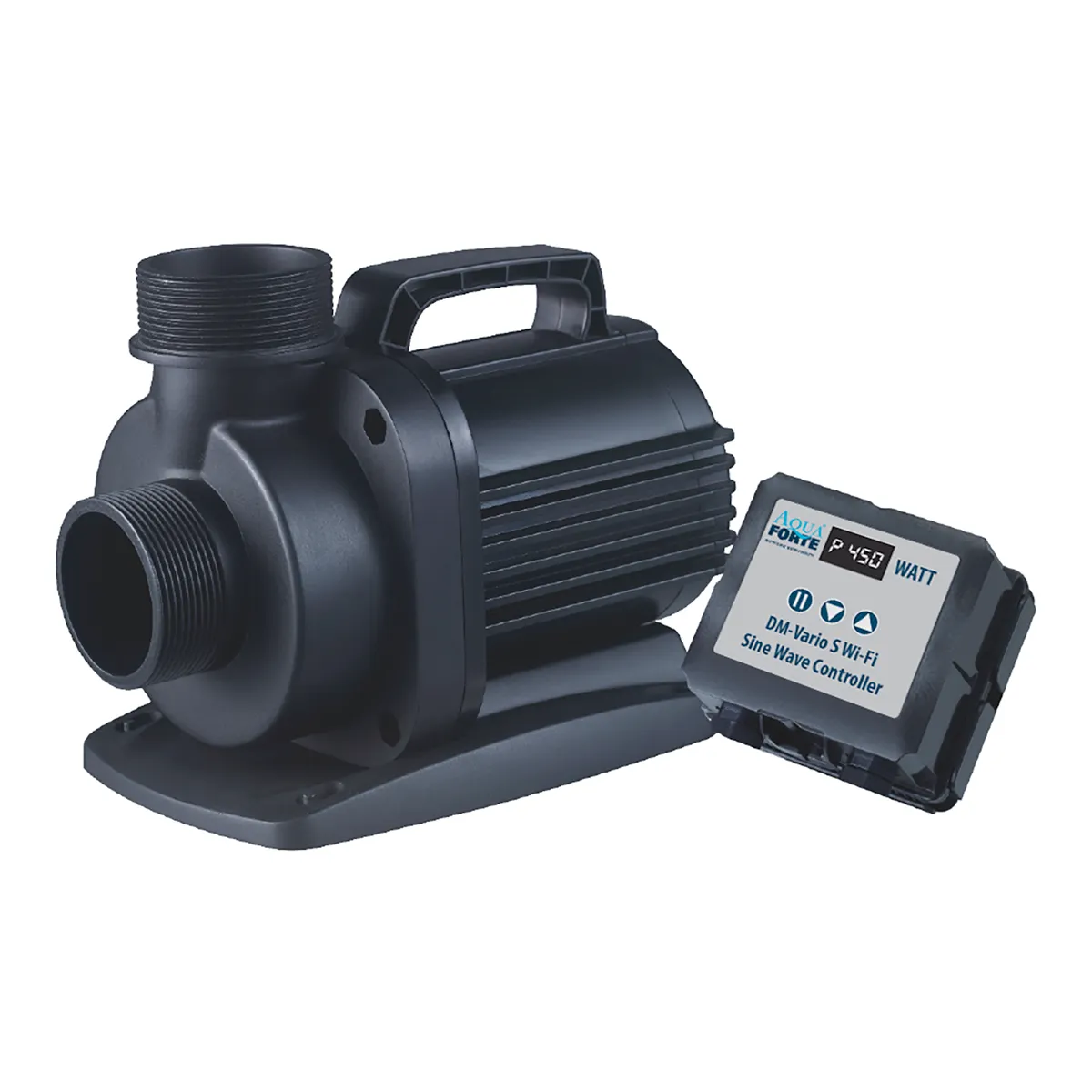
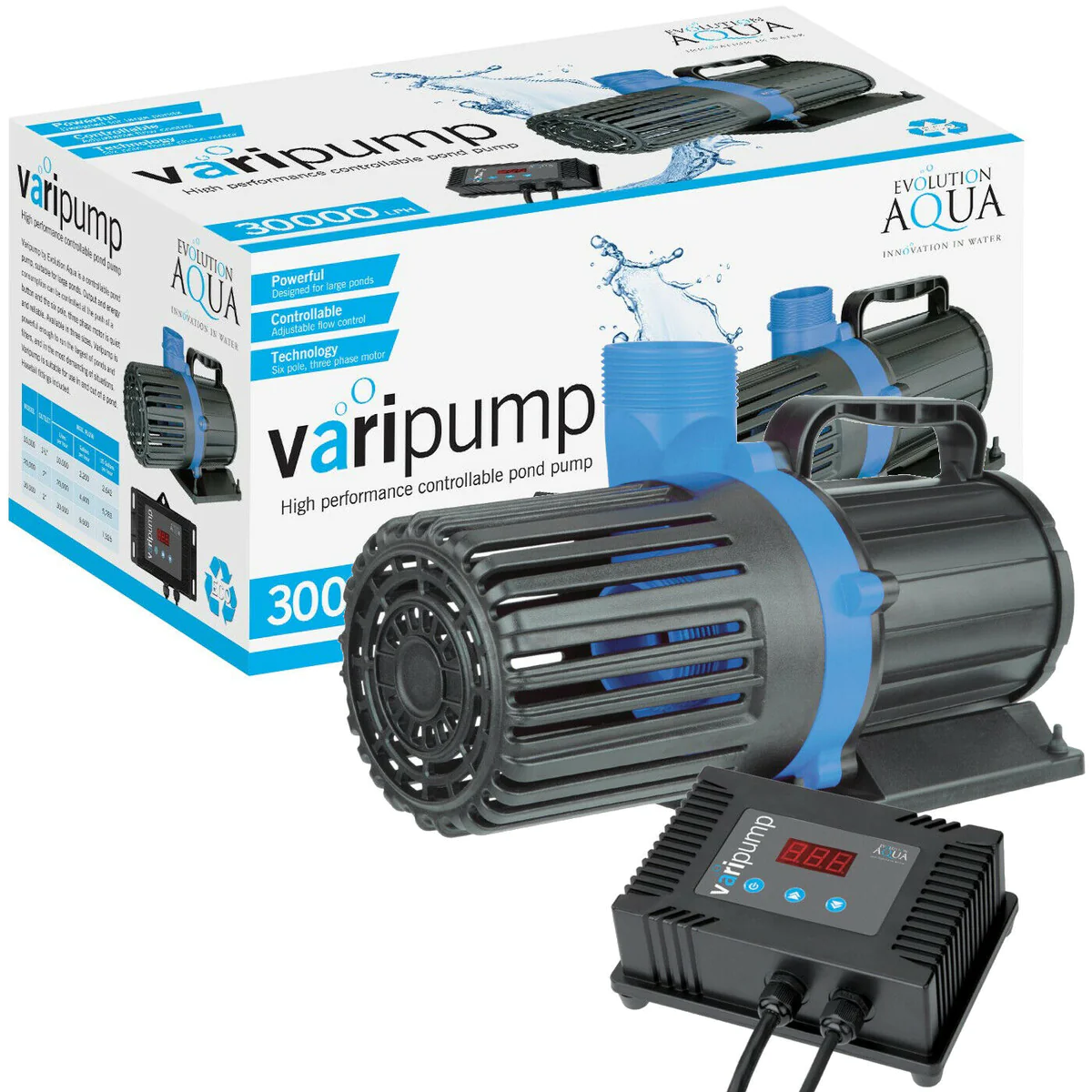
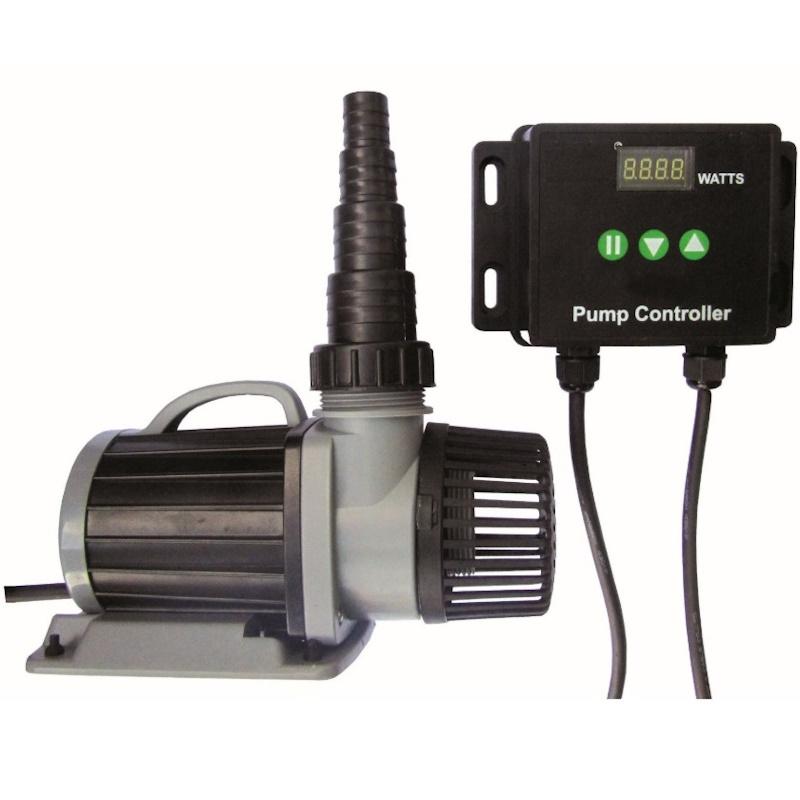
Wired pumps use a physical controller to adjust flow, while WiFi pumps allow remote control via an app. WiFi models offer more convenience, but both perform the same core function.
Are more expensive variable pumps better?
Higher end pumps often offer better efficiency, quieter operation, and improved durability. However, the best choice depends on your specific pond requirements and budget.
What is the difference between entry level and premium variable pumps?
Entry level pumps provide basic adjustable flow and reliable performance. Premium pumps often include advanced motor technology, quieter operation, and improved pressure handling.
Can I upgrade from a fixed speed pump to a variable pump?
Yes, upgrading is straightforward in most cases. You will benefit from improved efficiency, better control, and lower running costs.
Will a variable pump reduce my electricity bill?
Yes, especially if you reduce the flow when full power is not needed. Over time, this can result in significant energy savings.
Can I use a variable pump with solar power?
Yes, variable pumps are often more suitable for solar setups because you can adjust the power usage to match available energy.
What is the lifespan of a variable flow pump compared to a standard pump?
Variable pumps can last just as long or longer, especially when run at lower speeds. Reduced strain on the motor can help extend lifespan.
Can I use a variable pump for a stream or long watercourse?
Yes, but you need to consider head height and pipe resistance. Choosing a pump with sufficient power is important for longer or elevated runs.
Do variable pumps improve oxygen levels in a pond?
Yes, improved circulation increases surface movement, which helps oxygen exchange. However, additional aeration may still be needed for heavily stocked ponds.
Are variable flow pumps suitable for commercial ponds?
Yes, they are widely used in larger and commercial setups. Their flexibility and efficiency make them ideal for managing complex systems.
What is the best variable flow pond pump for a koi pond?
The best pump depends on pond size, filtration, and stocking levels. For most koi ponds, a pump that can turn over the pond every one to one and a half hours is ideal. Variable flow models are preferred because they allow you to fine tune performance as conditions change.
What is the best variable flow pump for a small pond?
For smaller ponds, a lower flow variable pump is usually sufficient. The key is to match the flow to the pond volume without creating excessive movement. Adjustable flow allows you to get this balance right.
What is the best pump for a large pond or lake?
Larger ponds require higher flow pumps with strong head height. Variable flow pumps are ideal because you can increase output for circulation or reduce it to save energy when full power is not needed.
What is the best pump for a waterfall feature?
A waterfall pump needs enough flow and head height to create the desired effect. Variable pumps are ideal because you can adjust the flow to suit the look you want without changing equipment.
How do I know if my pump is powerful enough?
If your water remains clear, your filter is working efficiently, and there are no dead spots in the pond, the pump is likely correctly sized. Poor circulation or water quality often indicates insufficient flow.
How do I know if my pump is too powerful?
Signs include excessive water movement, filter overflow, or water passing through the filter too quickly. In these cases, reducing the flow usually improves performance.
Can I control a variable flow pump remotely?
Some models offer WiFi or remote control functionality. These allow you to adjust flow and settings from your phone, which is useful for systems that are not easily accessible.
Is WiFi control necessary for a pond pump?
No, it is not essential. Many systems work perfectly with a wired controller. However, WiFi control adds convenience and allows quicker adjustments.
What is the most energy efficient pond pump setup?
An energy efficient setup uses a correctly sized variable flow pump, efficient pipework, and proper filtration. Running the pump at the lowest effective speed is key to reducing energy use.
How can I reduce my pond running costs?
Reducing pump speed, improving pipework efficiency, and maintaining your system regularly all help lower running costs. Variable flow pumps make this much easier.
What is the cheapest way to run a pond pump?
Running a variable pump at a reduced speed while maintaining proper circulation is usually the most cost effective approach. Avoid running at full power unless necessary.
Can I turn my pond pump off at night?
It is not recommended. Turning the pump off disrupts filtration and oxygen levels. Instead, reduce the flow at night to save energy while maintaining circulation.
What happens if I stop my pond pump for long periods?
Stopping the pump can lead to stagnant water, reduced oxygen levels, and a loss of beneficial bacteria. This can quickly affect water quality and fish health.
Can I run a variable pump on low flow all the time?
Yes, as long as the flow is sufficient for your pond size and filtration system. Running at lower speeds can be more efficient, but circulation must remain adequate.
Do I need more than one pump in my pond?
Larger or more complex systems may benefit from multiple pumps. This allows better control and provides backup if one pump fails.
Can I use a variable flow pump with an air pump system?
Yes, and this is often recommended. Water circulation and aeration work together to improve oxygen levels and overall pond health.
How do I future proof my pond pump setup?
Choose a slightly larger variable flow pump than you currently need. This allows you to increase flow if you upgrade your filtration or add features later.
What is the most common mistake when choosing a pond pump?
The most common mistake is underestimating flow loss from pipework and filters. This often results in choosing a pump that is too small.
What is the best pipe setup for a variable flow pump?
Short, straight pipe runs with minimal bends and larger diameters provide the best performance. This reduces resistance and improves flow efficiency.
Why should I choose a variable flow pump over a fixed speed pump?
Variable flow pumps offer better efficiency, more control, and improved performance. They allow you to adapt your system as conditions change, making them a smarter long term choice.
Can I run a variable flow pump 24 hours a day all year round?
Yes, and this is recommended. Variable flow pumps are designed for continuous operation, and running them constantly helps maintain stable water conditions and effective filtration.
Does reducing pump speed affect biological filtration?
Yes, but in a positive way when done correctly. Slower flow increases the time water spends in the filter, which can improve biological filtration and waste breakdown.
Can I use a variable flow pump in a gravity fed system?
Yes, they are commonly used after gravity fed filters such as drum filters. Adjustable flow allows you to match the system perfectly and avoid overloading the filter.
What is the best flow rate for a drum filter system?
This depends on the size of the drum filter, but the key is to stay within its maximum recommended flow. Variable pumps allow you to fine tune the flow to avoid excessive cleaning cycles.
Can I control flow to multiple returns in my pond?
Yes, by using valves on each return line. This allows you to balance flow across different areas of the pond and improve overall circulation.
Should I match my pump exactly to my filter rating?
Not exactly. It is usually better to choose a slightly larger pump and adjust it down. This ensures you can achieve the correct flow even with system losses.
What is the most efficient way to run a pond pump?
The most efficient way is to run a correctly sized variable pump at the lowest speed that still maintains proper circulation and filtration.
Can variable flow pumps help reduce blanketweed?
Yes, indirectly. Improved circulation and filtration reduce nutrient buildup, which helps limit conditions that encourage blanketweed growth.
Why is my waterfall flow inconsistent?
This is often caused by changes in pump speed, blockages, or air in the system. A variable pump allows you to stabilise and adjust the flow more easily.
Can I use a variable pump with a pond heater?
Yes, they work well together. You can adjust the flow to ensure water passes through the heater at the correct rate for efficient heating.
What happens if I run my pump too slowly?
If the flow is too low, circulation becomes poor and filtration efficiency drops. This can lead to stagnant areas and reduced water quality.
Can I automate my pond pump flow?
Some variable pumps offer programmable settings or WiFi control. These allow you to adjust flow automatically at different times of day.
Is it better to increase flow during feeding times?
Yes, increasing flow during feeding can help move waste towards the filtration system more quickly, improving water quality.
Can I use a variable pump for a pond with plants?
Yes, and it is often beneficial. You can reduce flow to create a calmer environment that suits aquatic plants while still maintaining circulation.
How does water temperature affect pump performance?
Water temperature does not significantly affect pump performance, but it does affect pond biology. Adjusting flow seasonally helps maintain stable conditions.
Can I run different flow rates on different days?
Yes, especially with programmable or WiFi models. This can be useful for adjusting flow based on weather, feeding, or maintenance routines.
What is the best pump setup for clear water?
A balanced system with correct flow, efficient filtration, and good circulation is key. Variable pumps allow you to fine tune this balance for the best results.
Can I use a variable flow pump in a pond with fish fry?
Yes, but you should reduce the flow to avoid strong currents. Gentle circulation is better for smaller or more delicate fish.
How do I avoid dead spots in my pond?
Position returns correctly and adjust flow to ensure water moves throughout the entire pond. Variable pumps make it easier to fine tune circulation.
Why do professionals prefer variable flow pumps?
Professionals prefer them because they offer flexibility, efficiency, and control. They allow systems to be adjusted easily without needing to change equipment.
