





Floating Lake Skimmers
Efficient Surface Cleaning for Clearer, Healthier Lakes
In large ponds and lakes, surface debris such as leaves, pollen, seeds and organic matter quickly sinks and begins to decompose. As this material breaks down, it releases nutrients into the water, increasing sludge levels and fuelling algae growth. Over time, this leads to cloudy water, unpleasant odours and reduced oxygen levels.
Floating lake skimmers prevent these issues by removing debris at the surface before it has the opportunity to decay. By lowering the nutrient load early, they support clearer water and a more stable aquatic ecosystem.
How Floating Lake Skimmers Work
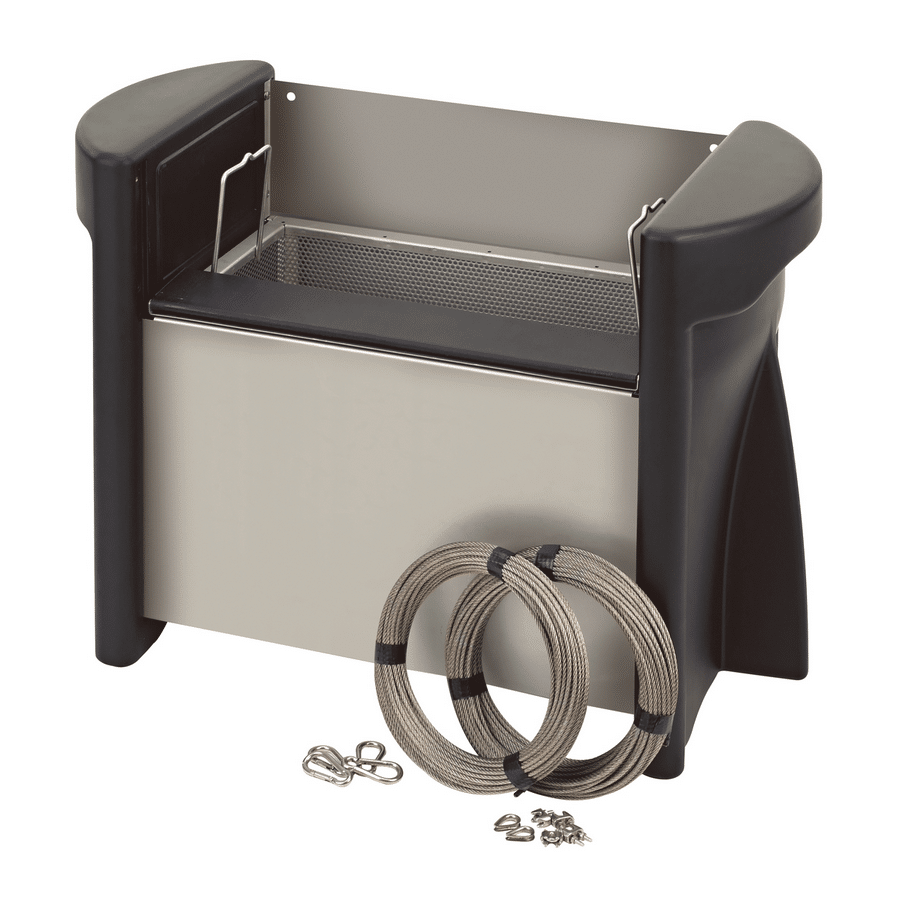
Floating skimmers sit directly on the water surface and use an integrated pump to draw in debris across a wide intake mouth. The waste is collected in a removable basket, while filtered water is returned below the surface.
This process not only clears floating debris but also improves surface circulation. By gently moving the upper layer of water, skimmers help reduce stagnant zones and improve oxygen distribution, particularly in sheltered or shallow areas. Because the unit floats, it automatically adapts to fluctuating water levels, making it ideal for estate lakes and naturalistic ponds.
Built for Large Ponds and Lakes
Unlike small garden skimmers, floating lake skimmers are engineered for high-capacity performance. They are suitable for large private ponds, commercial water features, golf courses and estate lakes where debris accumulation can quickly become a management issue.
Manufactured using durable, corrosion-resistant materials, these systems are designed for continuous outdoor operation in changing weather conditions. Maintenance is straightforward, typically involving periodic emptying of the collection basket and routine inspection.
Part of a Complete Lake Management System
Floating lake skimmers work particularly well when combined with lake aerators, floating fountains and biological treatment programmes. While aeration improves oxygen levels and supports beneficial bacteria, skimming removes the physical debris that contributes to long-term nutrient build-up.
Together, these systems create a cleaner, clearer and more balanced water environment that supports fish health and improves the overall appearance of the lake throughout the year.
Why Buy Your Floating Lake Skimmer From Us
Choosing the correct lake skimmer is about more than just surface area coverage. Flow rate, debris load, anchoring method, depth, power supply and long term servicing all matter. Because we work hands on with ponds and lakes, we understand what performs reliably in real world conditions.
When you purchase from us, you benefit from:
- Practical specification advice – We help you select the correct model based on lake size, debris levels and circulation requirements.
- Professional experience – We maintain and upgrade lakes and estate ponds, so our recommendations are based on field experience.
- Trusted manufacturers – We supply proven equipment from brands such as Oase with strong reliability and parts support.
- Complete system planning – We can advise on pairing your skimmer with aeration, fountains or biological treatments.
- Ongoing support – Assistance with installation guidance, maintenance advice and future upgrades.
- Genuine UK stock – Reliable supply and manufacturer backed warranty protection.
Whether you manage a private estate lake, a commercial water feature or a large ornamental pond, we can help you choose a surface skimming solution that works effectively and consistently for the long term.
Floating Lake Skimmers – Frequently Asked Questions
Below you’ll find detailed answers to common questions about floating lake skimmers, including installation, performance, maintenance, sizing, and how they integrate into complete lake management systems.
What is a floating lake skimmer?
A floating lake skimmer is a surface-cleaning device designed to remove floating debris such as leaves, pollen, duckweed, grass clippings, seeds, insects, and organic matter before it sinks.
Because it floats, the unit automatically adjusts to changing water levels while continuously drawing surface water into a collection basket or debris chamber.
Why is surface skimming so important in lakes and large ponds?
Surface debris quickly decomposes once it sinks. As it breaks down, it releases nutrients into the water, which can:
- Increase algae growth
- Encourage blanketweed
- Create unpleasant odours
- Raise ammonia levels
- Increase long-term sludge build-up
By removing debris early, floating skimmers reduce nutrient loading and help prevent these issues before they start.
How does a floating lake skimmer actually work?
A built-in pump creates a surface current that pulls floating debris toward a wide intake flap.
Debris is then captured in a stainless steel or mesh collection basket, while cleaned water is discharged back into the lake below the surface.
This process:
- Removes organic waste
- Encourages circulation
- Reduces stagnant surface zones
- Assists oxygen exchange
Some larger commercial units also improve deeper water movement through venturi systems.
What types of debris can floating skimmers remove?
Floating lake skimmers are highly effective at removing:
- Leaves and twigs
- Duckweed
- Surface algae mats
- Pollen and fine dust
- Foam and scum
- Seed pods and blossom
- Insects and surface film
Removing these materials early significantly reduces long-term maintenance requirements.
Do floating skimmers improve water quality?
Yes. While they are mechanical surface cleaners, they directly influence water quality by reducing organic loading.
Less decomposing waste means:
- Lower nutrient levels
- Reduced algae pressure
- Less sludge accumulation
- More stable biological conditions
When combined with aeration, they form a very effective preventative management system.
Can floating lake skimmers help prevent sludge build-up?
Absolutely. Sludge forms from decomposed organic debris. By removing that debris before it sinks, floating skimmers dramatically slow sludge formation.
This reduces the need for:
- Dredging
- Sludge treatments
- Bacterial dosing
- Intensive clean-outs
In large estate lakes, this can represent significant long-term cost savings.
Do floating skimmers improve oxygen levels?
Indirectly, yes.
By increasing surface movement and circulation, skimmers enhance oxygen exchange between air and water.
However, they are not a replacement for dedicated lake aerators in deeper water bodies. For full oxygenation, skimmers should be paired with:
- Lake aerators
- Diffused air systems
- Fountains
- Circulation pumps
Are floating lake skimmers difficult to install?
No. Installation is straightforward.
Most units:
- Float freely on the surface
- Include anchoring kits
- Connect to a standard 230V power supply
- Require no structural modifications
They can be repositioned easily to target high-debris areas such as overhanging trees.
Can they cope with fluctuating water levels?
Yes. Because they float, they automatically adjust to changing water levels.
This makes them ideal for:
- Natural lakes
- Reservoirs
- Golf course water features
- Estate ponds
- Seasonal water bodies
How do I choose the correct floating skimmer size?
Selection depends on:
- Surface area of the lake
- Volume of debris load
- Surrounding trees and vegetation
- Wind exposure
- Water depth
- Circulation requirements
Large lakes may require multiple units for full surface coverage.
If unsure, sizing based on square metre surface coverage rather than total volume often provides the most accurate result.
Are floating lake skimmers energy efficient?
Yes. Most modern units use energy-efficient pump systems designed for continuous operation.
While power consumption varies by model, they are significantly more cost-effective than reactive treatments for algae or sludge removal.
Can floating skimmers run all year round?
Yes. In fact, winter operation can be beneficial.
Continuous surface movement helps:
- Prevent complete ice formation
- Allow gas exchange
- Protect fish from harmful gas build-up
However, in extreme frost conditions, placement and monitoring are recommended.
Are floating lake skimmers suitable for commercial installations?
Absolutely. They are widely used in:
- Golf course lakes
- Hotel grounds
- Business parks
- Fisheries
- Estate lakes
- Public parks
Their professional appearance and durable construction make them suitable for high-visibility environments.
How often do floating skimmers need maintenance?
Maintenance is minimal. Typically, you only need to:
- Empty the debris basket
- Check intake for blockages
- Inspect anchoring lines
- Clean intake screen periodically
High debris periods such as autumn will require more frequent emptying.
Can floating lake skimmers be used alongside aeration systems?
Yes — and this is strongly recommended for large water bodies.
A complete lake management setup often includes:
- Surface skimmer
- Bottom aeration system
- Fountain or circulation pump
- Biological treatment programme
Together, these create long-term water stability and clarity.
Will a floating skimmer remove algae?
They can remove floating algae mats and surface scum.
However, they do not treat dissolved nutrients or microscopic algae.
For full algae control, consider pairing with:
- Lake aeration
- Nutrient reduction treatments
- UV clarification systems (where appropriate)
- Beneficial bacteria programmes
Do floating lake skimmers disturb wildlife?
No. These systems operate gently at the surface and are safe for fish and most wildlife.
Because they reduce surface scum and improve oxygen exchange, they often improve habitat conditions.
How long do floating lake skimmers last?
High-quality models constructed from stainless steel and corrosion-resistant materials are designed for long-term outdoor use.
With proper maintenance, they provide many years of reliable service.
