






Air Pumps for Ponds and Sewage Treatment Systems
Reliable Aeration for Healthy Water and Efficient Filtration
Air pumps play a vital role in maintaining a healthy pond environment. By continuously delivering oxygen into the water, pond air pumps improve fish health, support biological filtration and prevent stagnant areas forming in the pond.
Whether you are running a small wildlife pond, a heavily stocked koi pond or a filtration system such as a moving bed filter, reliable aeration is essential. A properly sized pond air pump helps maintain stable oxygen levels, improves circulation throughout the water column and supports the beneficial bacteria responsible for breaking down ammonia and nitrite.
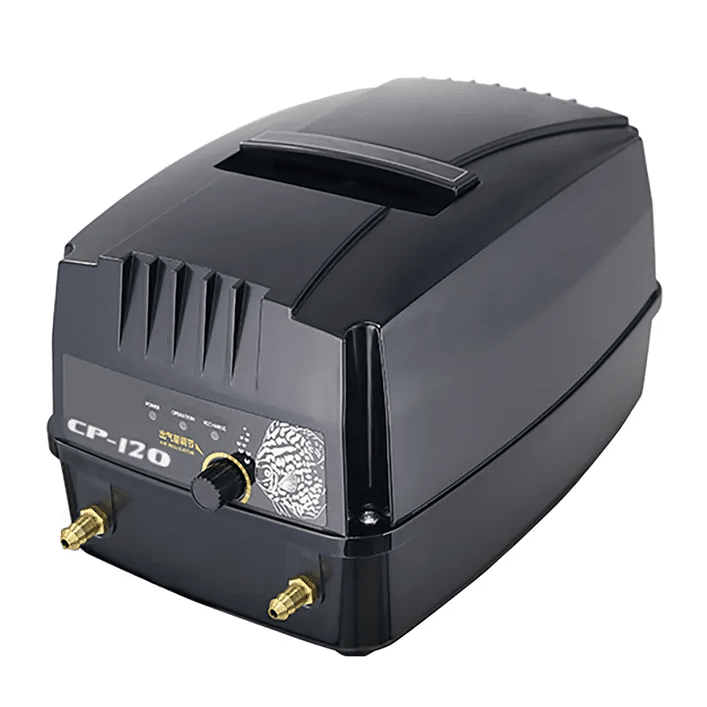
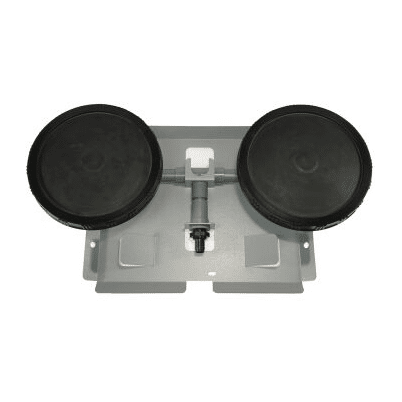
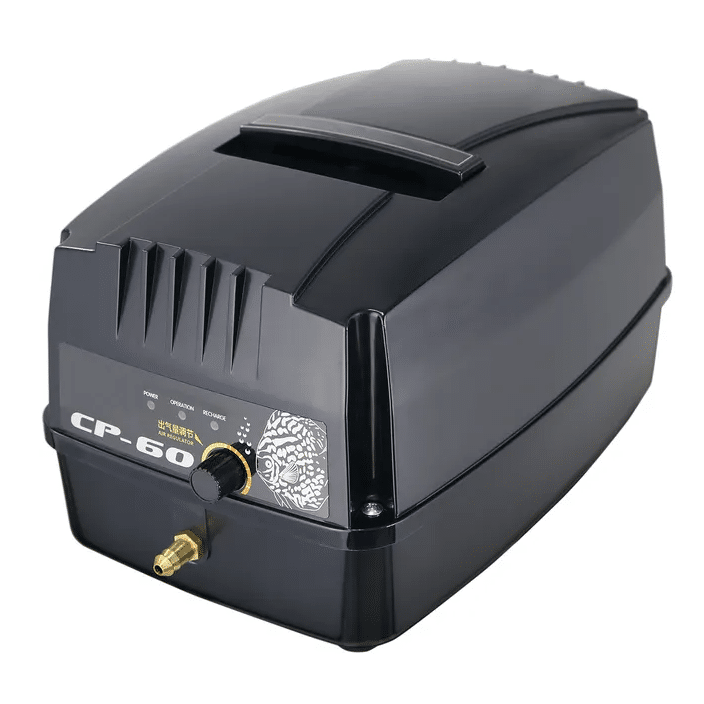
At That Pond Guy we supply a wide range of high quality air pumps suitable for garden ponds, koi ponds, filtration systems and sewage treatment plants. From compact aerators for smaller ponds to powerful linear air pumps capable of running bottom drains or large diffuser systems, there is a solution for every setup.
Why Pond Aeration Is Important
Oxygen is one of the most important elements in a stable pond ecosystem. Without adequate aeration, ponds can quickly suffer from poor water quality, reduced filtration performance and stressed fish.
Air pumps work by pushing air through airline tubing into air stones, diffusers or aerated bottom drains. As bubbles rise through the water they increase dissolved oxygen levels while also improving water circulation throughout the pond.
Proper aeration helps to:
- Increase dissolved oxygen levels
- Improve fish health and activity
- Prevent stagnant areas in the pond
- Support beneficial bacteria in filters
- Improve water circulation
- Reduce the risk of algae caused by poor circulation
In koi ponds, where fish stocking levels and feeding rates are higher, maintaining strong oxygen levels becomes even more important. Koi consume large amounts of oxygen, particularly during warm weather, making reliable aeration essential for maintaining stable water conditions.
Air Pumps for Filtration Systems
Many modern pond filtration systems rely on air pumps to operate effectively.
Moving bed filters require continuous aeration to agitate biological media, allowing beneficial bacteria to process ammonia and nitrite efficiently. Without sufficient airflow the media will not circulate correctly and filtration performance will drop.
Aerated bottom drains also use air pumps to improve circulation across the pond floor. The rising column of bubbles helps move debris toward the drain and improves overall filtration efficiency.
A reliable air pump ensures these systems operate consistently while maintaining stable water quality.
Air Pumps for Sewage Treatment Systems
Linear air pumps are also widely used in domestic sewage treatment plants and septic systems. These systems rely on aerobic bacteria to break down waste efficiently, which requires a continuous supply of oxygen.
An air pump supplies this oxygen to the treatment chamber, allowing bacteria to process organic waste effectively. Without proper aeration the treatment process becomes inefficient and unpleasant odours can occur.
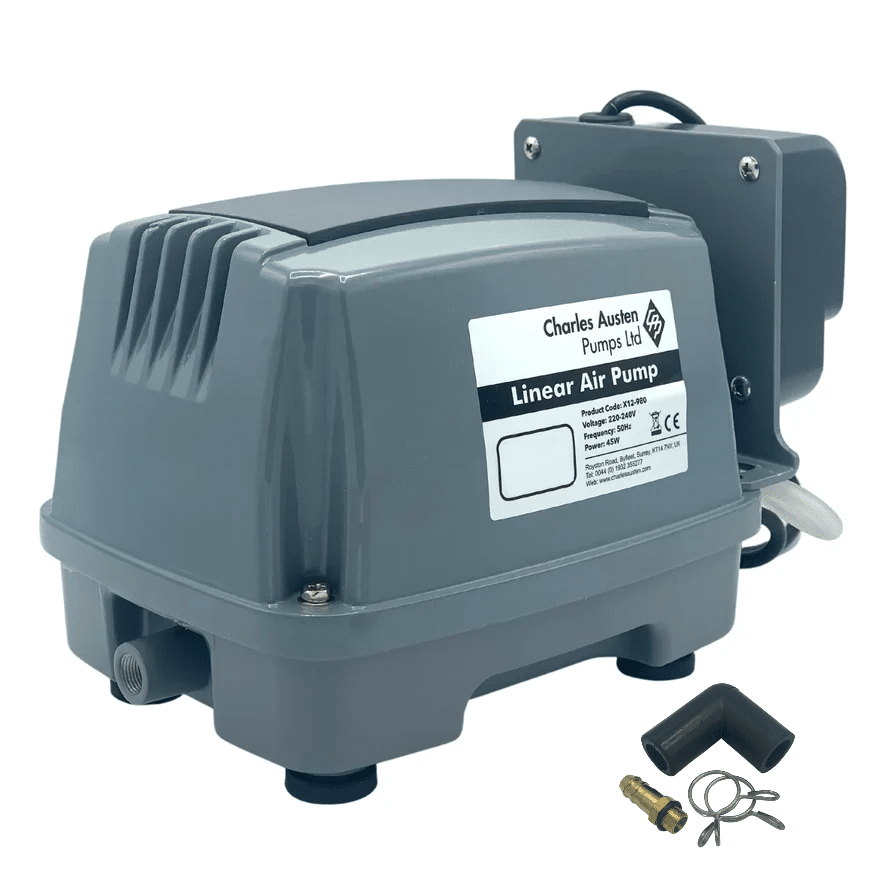
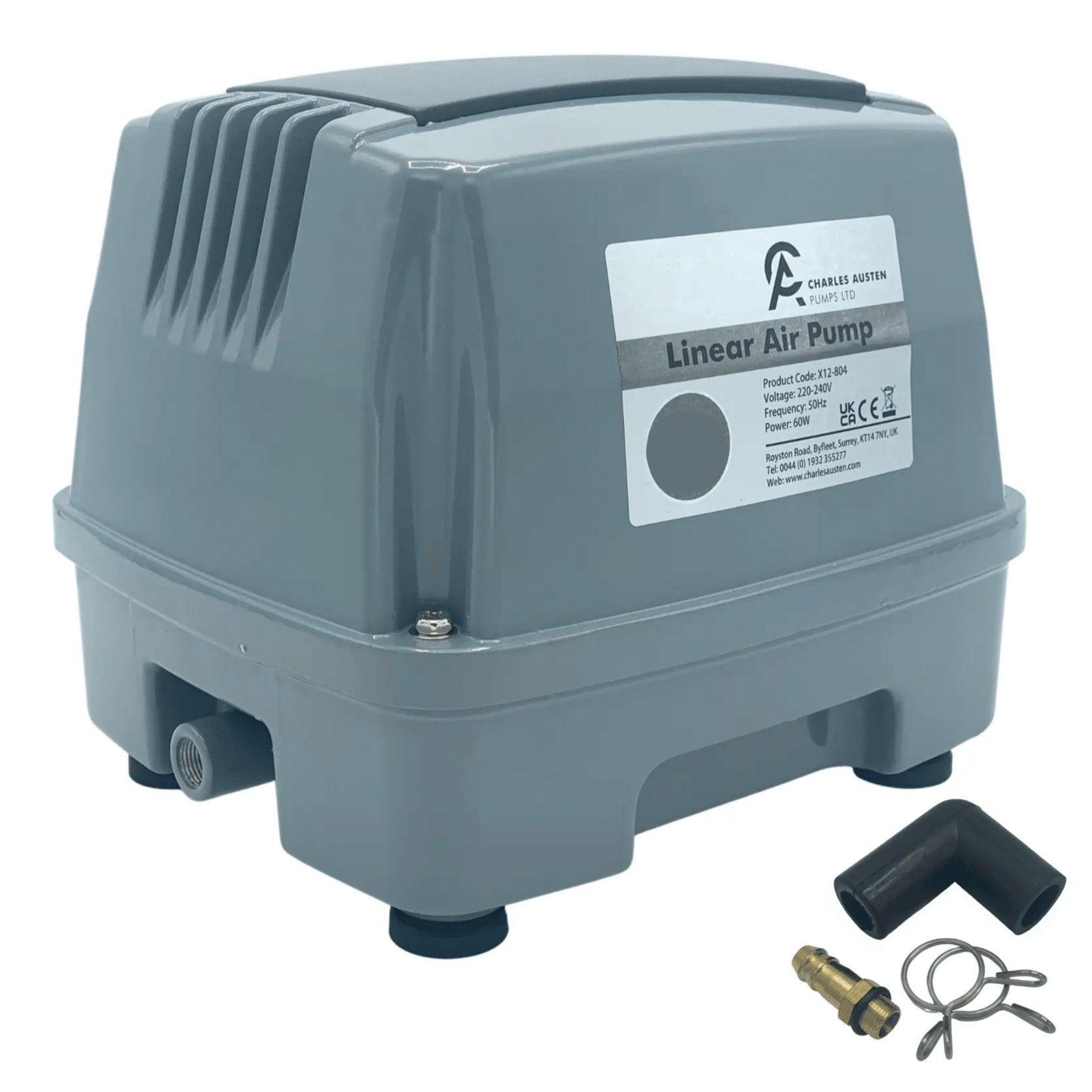
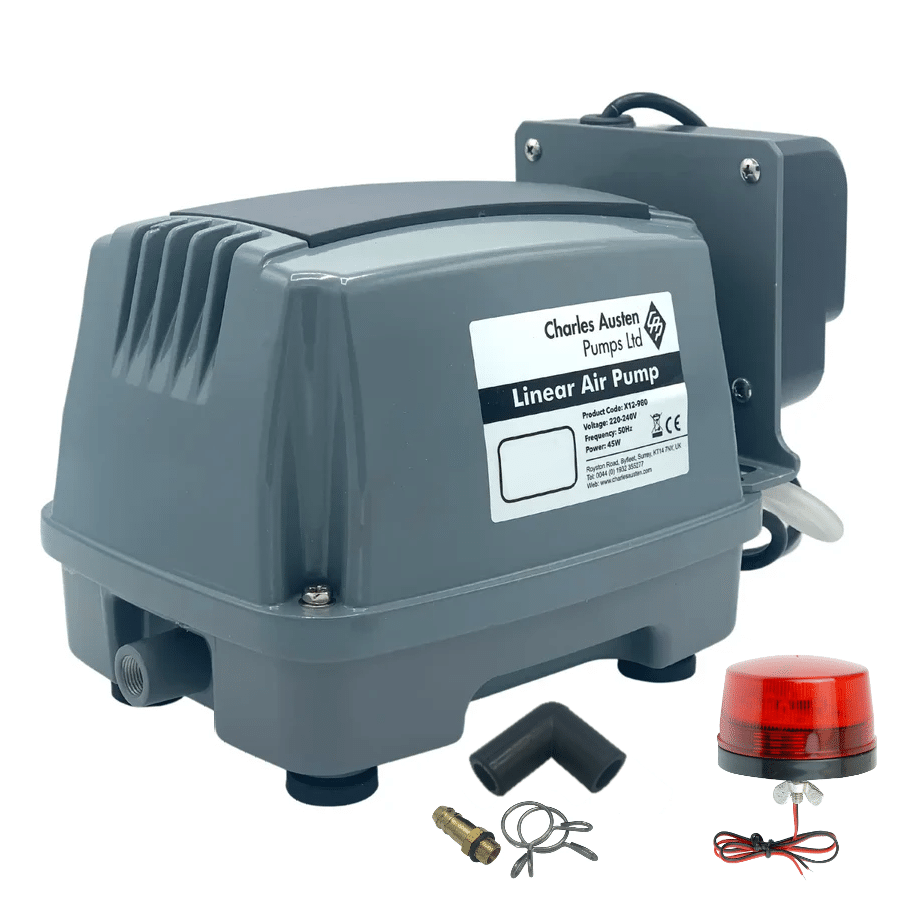
High quality diaphragm air pumps are commonly used for these systems because they provide reliable airflow, quiet operation and low energy consumption while running continuously.
Choosing the Right Air Pump
Selecting the correct air pump depends on several factors including pond size, depth, fish stocking levels and the equipment being powered.
Larger ponds require greater airflow to maintain oxygen levels throughout the water column, while deeper ponds may require slightly higher output pumps to overcome water pressure at the diffuser.
Small wildlife ponds may only require a compact aerator and air stone, while larger koi ponds or filtration systems may require a higher output linear air pump capable of running multiple diffusers, moving bed filters or aerated bottom drains.
Most pond air pumps are designed to operate continuously, so choosing an energy efficient and reliable model ensures consistent aeration without excessive running costs.
If you are unsure which air pump is suitable for your pond or filtration system, our team is always happy to help.
Why Buy Your Pond Air Pump from That Pond Guy?
When you buy from That Pond Guy you are buying from pond specialists who design, build and maintain ponds every week.
- Expert advice based on real pond systems
- Genuine UK supplied equipment
- Full manufacturer warranty support
- After sales technical guidance
- Fast UK delivery
- Trusted by pond owners and professionals
We do not just sell pond equipment. We install it, maintain it and rely on it ourselves, which means you receive honest advice and the right solution for your setup.
Air Pumps for Ponds and Sewage – Frequently Asked Questions
Choosing the right air pump for your pond or sewage treatment system is essential for maintaining stable oxygen levels, healthy fish and reliable biological filtration. Below are some of the most common questions pond owners ask when selecting a pond aerator, koi pond air pump or linear diaphragm air pump.
Why do I need an air pump in my pond?
An air pump increases dissolved oxygen levels in pond water. Oxygen is essential for fish health, beneficial bacteria and overall water stability.
Beneficial bacteria inside pond filters rely on oxygen to break down ammonia and nitrite produced by fish waste. Without adequate aeration these bacteria cannot function efficiently, which can lead to water quality problems.
Air pumps also improve water circulation, prevent stagnant areas and help maintain a balanced ecosystem.
Are air pumps good for ponds?
Yes. Air pumps are extremely beneficial for most ponds.
They increase oxygen levels, improve water circulation and support the beneficial bacteria responsible for breaking down fish waste. In ponds containing fish, especially koi ponds, oxygen demand is much higher than in natural wildlife ponds.
Even ponds with waterfalls or fountains often benefit from additional aeration.
Does a pond aerator really work?
Yes, pond aerators are very effective.
As bubbles rise through the water they create vertical circulation, mixing oxygen throughout the pond. This improves oxygen distribution while preventing stagnant areas from forming.
Aeration also helps beneficial bacteria function more efficiently, improving overall filtration performance.
Do all ponds need an air pump?
Not every pond requires an air pump, but most benefit from aeration.
Wildlife ponds with few fish and plenty of plants may maintain stable oxygen levels naturally. However, koi ponds, goldfish ponds and heavily stocked ponds should always have additional aeration.
Ponds that use moving bed filters or aerated bottom drains also rely on air pumps for proper filtration performance.
What size air pump do I need for a pond?
The correct air pump size depends on several factors including pond volume, fish stocking levels and pond depth.
Small wildlife ponds may only require a pump producing around 10 to 20 litres per minute.
Medium garden ponds often require pumps in the 20 to 40 litres per minute range.
Large koi ponds and filtration systems typically require pumps producing 40 to 100 litres per minute or more.
Deeper ponds require slightly higher airflow to overcome water pressure.
How many hours a day should I run my pond aerator?
In most cases pond aerators should run continuously.
Running an air pump 24 hours a day helps maintain stable oxygen levels and supports the bacteria responsible for biological filtration. Turning aeration off for long periods can allow oxygen levels to drop.
Continuous aeration is particularly important in koi ponds and heavily stocked systems.
Should aeration run at night?
Yes. Aeration is particularly important during the night.
Aquatic plants produce oxygen during the day but consume oxygen after dark. Oxygen levels can drop significantly during early morning hours.
Running an air pump overnight helps prevent oxygen depletion and keeps fish comfortable.
What is the cheapest way to oxygenate a pond?
The most affordable way to oxygenate a pond is usually with a small air pump and air stone.
Air pumps are inexpensive to purchase and operate while providing reliable continuous aeration.
Other options include waterfalls, fountains and additional circulation pumps, but a dedicated air pump is normally the simplest and most cost effective solution.
Do waterfalls provide enough oxygen for a pond?
Waterfalls do add oxygen to pond water, but they are not always sufficient on their own.
In heavily stocked ponds, particularly koi ponds, oxygen demand is much higher. During warm weather or periods of heavy feeding a waterfall alone may not provide enough oxygen.
Many pond owners combine waterfalls with air pumps for reliable aeration.
How important is aeration in a koi pond?
Aeration is extremely important in koi ponds.
Koi are large fish that consume significant amounts of oxygen, particularly when feeding heavily during warmer months. High stocking levels also increase waste production which places greater demand on biological filtration.
Proper koi pond aeration helps maintain stable oxygen levels, improves fish health and supports beneficial bacteria inside filtration systems.
Can aeration improve koi fish health?
Yes. Higher oxygen levels directly benefit koi health.
Fish are more active, metabolise food more efficiently and experience less stress when oxygen levels remain stable. Low oxygen conditions can cause lethargic behaviour, poor feeding and increased disease risk.
Consistent aeration helps create a stable and healthy environment for koi.
Can an air pump help fish survive heatwaves?
Yes. Aeration becomes extremely important during hot weather.
Warm water holds less oxygen while fish require more oxygen due to increased metabolism. This combination can create dangerous conditions during heatwaves.
Running an air pump helps maintain oxygen levels and significantly reduces the risk of fish losses.
Can aeration improve water clarity?
Aeration can indirectly improve water clarity.
Higher oxygen levels support beneficial bacteria that break down organic waste and excess nutrients. This reduces the conditions that promote algae growth and cloudy water.
While aeration alone will not remove green water, it works alongside filtration and UV clarifiers to maintain clearer water.
Can pond aeration help reduce sludge?
Aeration can help reduce sludge accumulation over time.
By increasing oxygen levels near the pond floor, aerobic bacteria can break down organic debris more efficiently. This helps slow the buildup of sludge and sediment.
Aeration also improves circulation, helping debris move towards filtration systems or bottom drains.
Can I have too much aeration in a pond?
It is possible but uncommon.
Very powerful aeration in a small pond may create excessive turbulence which could stress fish or disturb sediment.
In most cases however, additional oxygen is beneficial and slightly oversizing an air pump is generally safer than undersizing it.
Do air pumps help prevent pond stratification?
Yes. In deeper ponds water can form layers of different temperatures, a process called thermal stratification.
Aeration mixes the water column and prevents these layers from forming. This improves oxygen distribution and helps maintain stable conditions throughout the pond.
How deep should an air stone be placed in a pond?
The placement depth depends on the goal of the aeration system.
For general oxygenation, placing the air stone around halfway down the pond often provides good circulation.
For maximum circulation, deeper placement can move larger volumes of water. During winter however many pond keepers move air stones into shallower areas to avoid mixing cold bottom water.
Can I use one air pump for multiple air stones?
Yes. Many air pumps can operate multiple air stones or diffusers.
This is usually done using manifolds or air splitters that divide airflow between several outlets. It is important to ensure the pump provides enough airflow to supply all connected diffusers effectively.
Are air pumps noisy?
Modern linear diaphragm air pumps are designed to run quietly.
When installed on a stable surface and placed on rubber feet or a soft base, most air pumps produce very little noise or vibration. Housing the pump inside a filter shed or cabinet can reduce noise further.
Can I install an air pump indoors?
Yes. Many pond keepers install air pumps inside sheds, garages or filter houses.
The pump should be placed in a dry, ventilated area and ideally positioned above pond water level. This helps prevent water from flowing backwards through the airline.
Indoor installation also protects the pump from weather exposure.
How long do air stones last?
Air stones gradually clog due to mineral deposits and biological growth.
Most air stones last between one and three years depending on water quality and usage. If bubbles become uneven or airflow reduces, replacing the air stone will restore performance.
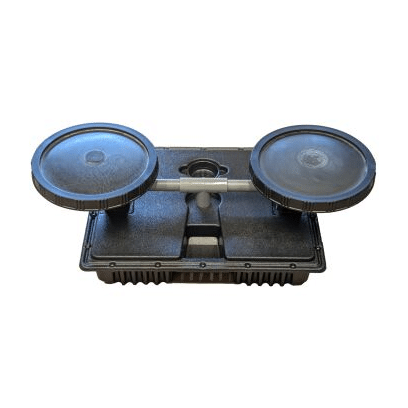
Membrane diffusers often last longer than traditional air stones.
Why do sewage treatment plants use air pumps?
Sewage treatment plants rely on aerobic bacteria to break down waste.
These bacteria require oxygen to function effectively. Air pumps provide the oxygen needed for biological treatment processes inside the system.
Without aeration the treatment process becomes inefficient and waste breakdown slows significantly.
What type of air pump is used in sewage treatment systems?
Most domestic sewage treatment plants use linear diaphragm air pumps.
These pumps provide reliable airflow while operating quietly and efficiently. They are designed for continuous operation and can run 24 hours a day with low energy consumption.
What happens if the air pump in a sewage treatment plant fails?
If the air pump stops working, oxygen levels inside the treatment chamber quickly fall.
This prevents aerobic bacteria from breaking down waste properly, which can lead to poor treatment performance and unpleasant odours.
For this reason faulty sewage air pumps should be replaced as soon as possible.
How long do sewage treatment air pumps last?
Most linear diaphragm air pumps used in sewage treatment systems last between five and ten years.
Internal diaphragms may require replacement periodically, which is a simple and inexpensive maintenance task that helps extend the lifespan of the pump.
Can the same air pump be used for ponds and sewage treatment systems?
Yes. Many linear air pumps used in ponds are also used in sewage treatment systems.
These pumps are designed for continuous duty operation and provide reliable airflow for both applications. The correct airflow rating should always be selected based on system size.
Should I keep a spare air pump?
Many koi pond owners keep a spare air pump available.
Aeration is critical for fish health, particularly in heavily stocked ponds. Having a backup pump ready ensures oxygen supply can be restored quickly if the primary pump fails.
If you’d like, I can also help you add one final section that will help this category rank much better in Google:
“How to Choose the Right Pond Air Pump”
