





Pond Hoovers & Pond Vacuums
Original price was: £299.99.£289.99Current price is: £289.99. (inc VAT)
3% Off




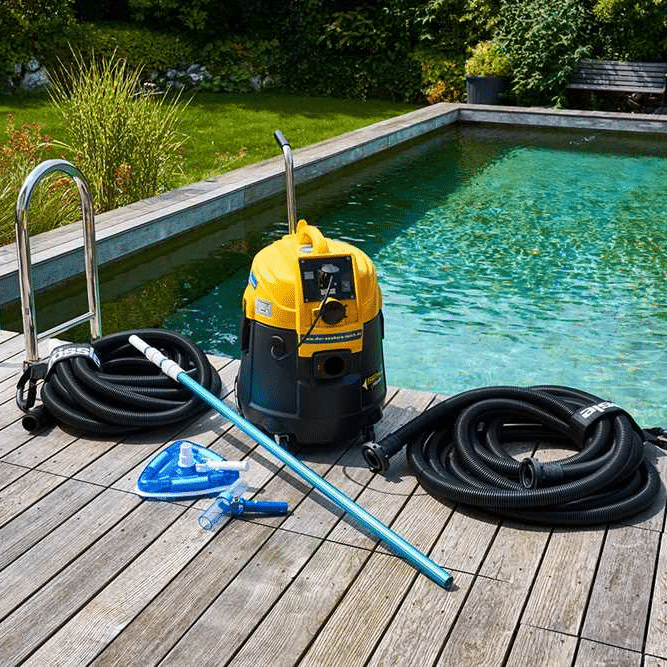
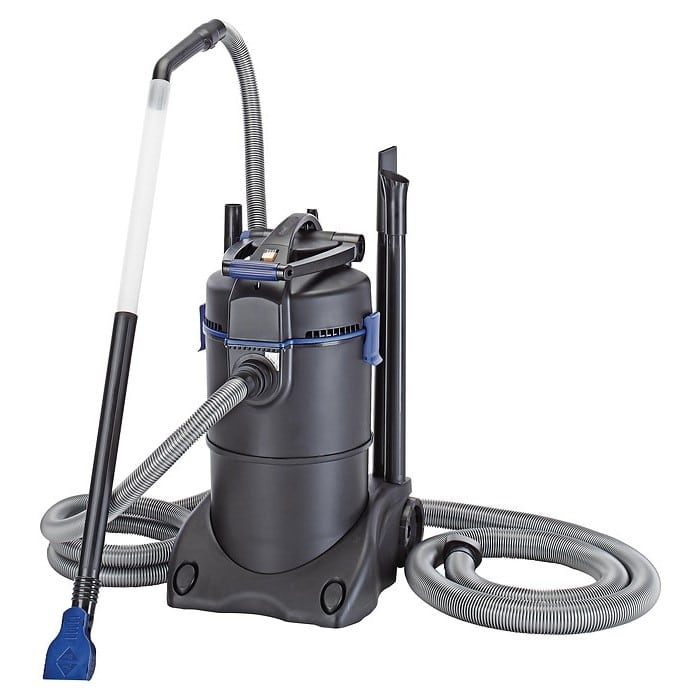
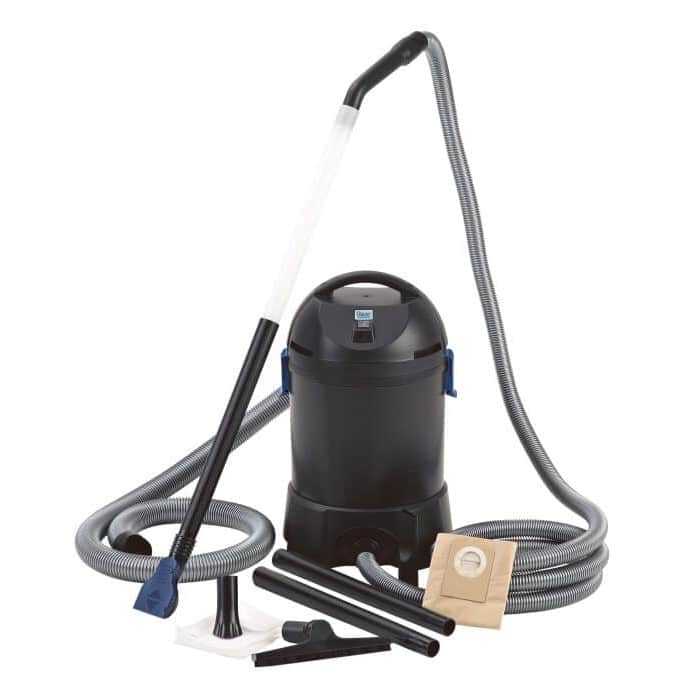
Pond Vacuum and Pond Hoover FAQs
Everything You Need to Know About Pond Vacuums, Sludge Removal and Swimming Pond Cleaning
Keeping your pond clean is essential for maintaining clear water, healthy fish and a balanced ecosystem. Whether you are maintaining a garden pond, koi pond or swimming pond, using the right pond hoover makes a huge difference.
Below you will find a comprehensive set of frequently asked questions covering pond vacuums, including Oase Pondovac units and Rössle pond vacuum systems, with detailed answers designed to help you understand how they work and how to choose the right one.
General Pond Vacuum Questions
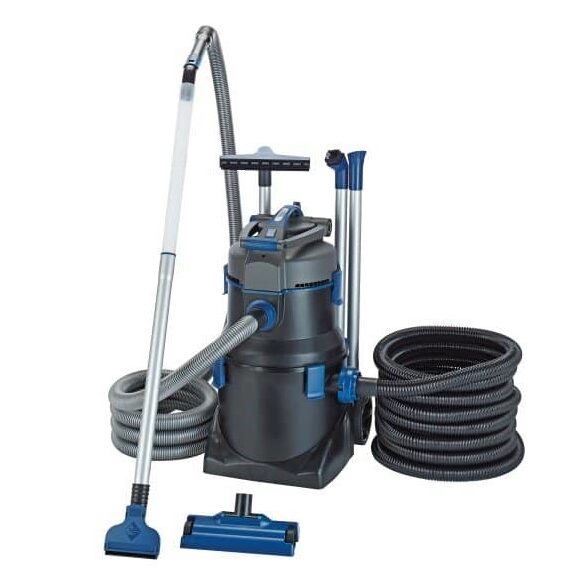
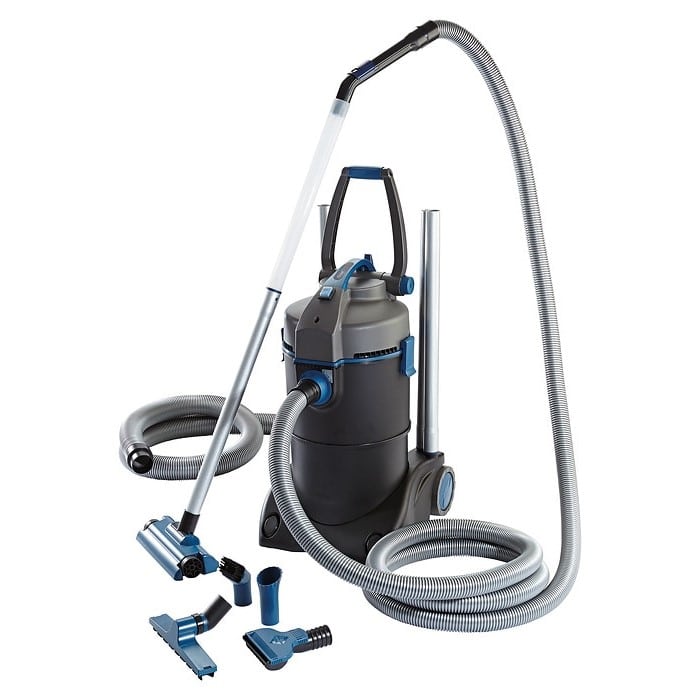
What is a pond vacuum
A pond vacuum is a specialist cleaning machine designed to remove sludge, sediment and organic debris from the bottom of a pond. While filtration systems deal with particles suspended in the water, they do not remove the heavier waste that settles on the pond floor over time.
This waste includes fish waste, uneaten food, decaying leaves and algae. As it breaks down, it releases nutrients back into the water, which can lead to algae growth and poor water clarity. A pond vacuum removes this material completely, helping to maintain a cleaner, more stable and healthier pond environment.
How does a pond vacuum work
A pond vacuum works by creating suction through a hose and nozzle, which lifts debris from the pond floor into the unit. Depending on the design, the waste is either collected in an internal chamber or discharged through a hose.
More advanced models, such as the Oase Pondovac 5 and Rössle pond vacuums, allow continuous cleaning. They achieve this through twin chamber systems or integrated pumps, meaning you can vacuum without stopping to empty the machine. This is particularly important when cleaning larger ponds or swimming ponds.
What is the difference between a pond hoover and a pond vacuum
There is no functional difference between a pond hoover and a pond vacuum. Both terms refer to the same type of equipment used to remove sludge and debris from ponds.
In the UK, “pond hoover” is commonly used by customers, while “pond vacuum” is also widely used in product listings and online searches. From an SEO perspective, it is important to include both terms, but from a practical standpoint, they describe the same tool.
Why do ponds need vacuuming
Ponds need vacuuming because not all waste is removed by filtration systems. Solid materials such as fish waste, leaves and algae settle on the bottom and accumulate over time.
If this waste is left in place, it begins to decompose, releasing nutrients that encourage algae growth and reduce water quality. Vacuuming removes this material before it causes problems, helping maintain clearer water and a healthier environment for fish and plants.
Do all ponds need a pond vacuum
Most ponds benefit from having a pond vacuum, although the level of need varies depending on the pond type. Heavily stocked koi ponds, ponds surrounded by trees and swimming ponds tend to require more regular cleaning.
Even smaller ornamental ponds can develop sediment and debris build up over time. While they may not need frequent vacuuming, occasional cleaning can still improve water clarity and reduce long term maintenance issues.
What does a pond vacuum remove
A pond vacuum removes a wide range of organic and inorganic debris from the pond floor. This includes sludge, blanketweed, algae, fish waste, uneaten food, fallen leaves and fine sediment.
By removing this material, you reduce the nutrient load in the pond. This helps prevent algae growth, improves water clarity and reduces strain on the filtration system.
Can a pond vacuum remove sludge effectively
Yes, removing sludge is one of the main purposes of a pond vacuum. Sludge is the soft, dark layer of decomposing organic material that forms on the bottom of a pond over time.
A good pond vacuum removes this sludge before it becomes excessive. More powerful machines, such as Rössle vacuums, are particularly effective at handling heavy sludge build up in larger ponds.
Can a pond vacuum remove fine sediment
Yes, most pond vacuums can remove fine sediment, although performance depends on the model. Fine sediment often appears as a dusty layer on the pond floor and can easily be stirred up into the water.
Removing it helps prevent cloudy water and improves the overall appearance of the pond.
Are pond vacuums easy to use
Most pond vacuums are designed to be easy to use, especially entry level models aimed at domestic pond owners. Setup usually involves connecting hoses, positioning the unit and starting the suction.
With a bit of practice, most users find the process straightforward. More advanced machines offer additional features, but the basic principle remains the same.
Are pond vacuums noisy
Pond vacuums do produce some noise due to the suction motor and pump, but modern units are generally quieter than older designs. Higher quality machines are designed to run more smoothly and efficiently, reducing noise levels during operation.
How long do pond vacuums last
The lifespan of a pond vacuum depends on build quality, usage and maintenance. A well maintained unit from a reputable brand such as Oase or Rössle can last many years.
Professional grade machines are designed for more frequent use and tend to be more durable than entry level models.
Swimming Pond and Natural Swimming Pool Questions
Do swimming ponds need a pond vacuum
Yes, swimming ponds require regular vacuuming to maintain water clarity and hygiene. Unlike traditional swimming pools, they rely on natural filtration systems rather than chemical treatment.
Because of this, organic waste must be physically removed. A pond vacuum is essential for keeping the pond clean, clear and suitable for swimming.
Why are pond vacuums essential for swimming ponds
Pond vacuums remove organic waste before it breaks down and releases nutrients into the water. This helps prevent algae growth and maintains clearer water.
In swimming ponds, this is particularly important because water quality directly affects usability. A clean pond floor contributes to a cleaner and more hygienic swimming environment.
How often should a swimming pond be vacuumed
The frequency depends on the size of the pond, surrounding environment and usage levels. During warmer months, when debris and algae levels are higher, more frequent cleaning is required.
Regular light maintenance combined with occasional deeper cleaning helps keep the pond in good condition throughout the year.
What happens if you don’t vacuum a swimming pond
If a swimming pond is not vacuumed, sludge and debris build up on the bottom. Over time, this leads to increased nutrient levels, algae growth and reduced water clarity.
This can make the pond less appealing and less suitable for swimming, and may require more intensive cleaning later on.
Can a pond vacuum replace chemicals in swimming ponds
A pond vacuum can reduce the need for chemical treatments by removing organic waste directly from the system. Instead of treating symptoms such as algae, it removes the cause.
This helps maintain a more natural balance and is one of the main advantages of swimming pond systems.
Koi Pond Questions
Do koi ponds need vacuuming
Yes, koi ponds almost always benefit from regular vacuuming. Koi produce a large amount of waste compared to most pond fish, especially when they are fed regularly. This waste quickly settles on the pond floor and can build up if it is not removed.
If left in place, it begins to break down and releases nutrients into the water. This can lead to poor water quality, increased algae growth and higher ammonia levels. Regular vacuuming helps remove that waste before it becomes a problem and supports a more stable environment for the fish.
Why is vacuuming especially important in koi ponds
Vacuuming is particularly important in koi ponds because of the combination of high feeding rates and stocking density. Unlike wildlife ponds, koi ponds are actively managed systems where water quality is critical.
Waste accumulates quickly, and while filtration helps process dissolved waste, it does not remove everything that settles on the bottom. Vacuuming ensures that the pond floor stays clean and prevents long term build up that could affect fish health.
What is the best pond vacuum for a koi pond
The best pond vacuum depends on the size of the pond and the amount of waste it produces. For smaller koi ponds with moderate stocking, an Oase Pondovac may be suitable for regular maintenance.
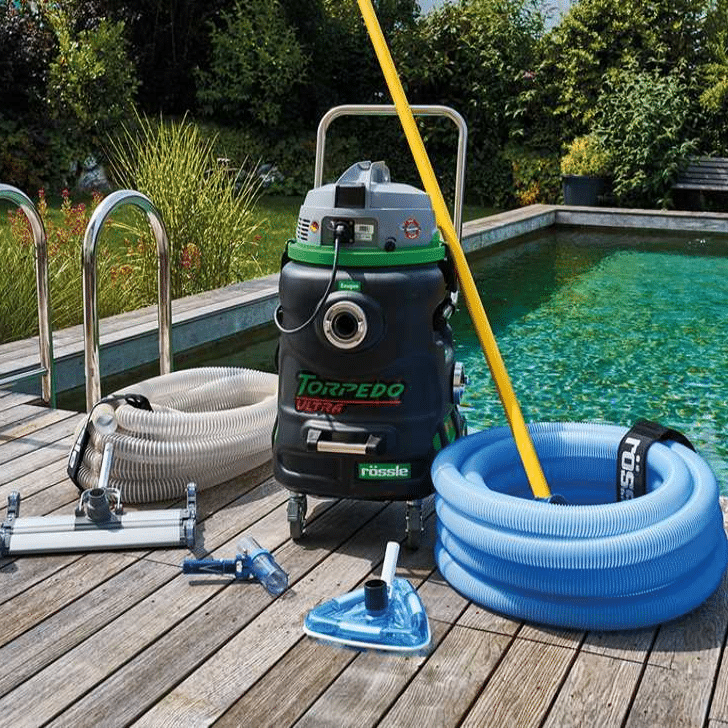
For larger koi ponds or ponds with heavier feeding and waste loads, a more powerful system such as the Rössle Torpedo or Torpedo Ultra is usually a better choice. These offer stronger suction, better debris handling and more efficient cleaning over longer periods.
Can a pond vacuum remove koi waste effectively
Yes, removing koi waste is one of the main functions of a pond vacuum. Koi produce both solid waste and uneaten food, which settle on the pond floor and can quickly build up.
A pond vacuum removes this material before it breaks down, helping to maintain better water quality and reduce the load on the filtration system.
Can vacuuming reduce ammonia levels in a koi pond
Yes, indirectly. Ammonia is produced as organic waste breaks down. By removing that waste before it decomposes, you reduce the amount of ammonia being generated in the pond.
While filtration is still responsible for processing dissolved ammonia, vacuuming reduces the overall organic load and helps keep levels more stable.
Is it safe to vacuum a koi pond with fish in it
Yes, it is safe to vacuum a koi pond while the fish are still in the water. However, care should be taken to avoid disturbing or chasing the fish with the nozzle.
Working slowly and methodically allows you to clean effectively without stressing the fish. Most koi will quickly become accustomed to the process.
Can vacuuming improve koi growth and health
Cleaner water supports better fish health, which in turn can support better growth. When waste levels are reduced and water quality is stable, koi are less stressed and more likely to thrive.
Vacuuming is not the only factor, but it plays an important role as part of overall pond maintenance.
How often should a koi pond be vacuumed
The frequency depends on the pond size, stocking level and feeding regime. During warmer months when feeding is more frequent, vacuuming may be needed more often.
Some ponds benefit from light, regular maintenance, while others may only need periodic deeper cleaning. The key is preventing excessive build up rather than letting sludge accumulate over long periods.
Choosing Between Oase and Rössle
What is the difference between Oase Pondovac and Rössle pond vacuums
Oase Pondovac vacuums are generally designed for domestic use and are very popular for garden ponds and smaller koi ponds. They offer good performance, ease of use and a wide range of models.
Rössle pond vacuums are designed more for higher performance and professional use. They typically offer stronger suction, continuous operation and the ability to handle larger volumes of debris. This makes them more suitable for large ponds, swimming ponds and commercial applications.
Which is better for large ponds, Oase or Rössle
For large ponds, Rössle is usually the better choice. The increased suction power, larger hose diameters and continuous cleaning capability make a significant difference when dealing with larger volumes of water and debris.
Oase units can still be used on larger ponds, but they may be slower and require more time to achieve the same result.
Which is better for swimming ponds, Oase or Rössle
For smaller swimming ponds, a high end Oase Pondovac may be sufficient. However, for larger or more demanding swimming ponds, Rössle systems are generally more suitable.
Their ability to handle continuous cleaning and larger debris loads makes them ideal for maintaining water clarity in natural swimming environments.
Are Rössle pond vacuums only for professionals
No, although they are designed with professional use in mind. Many private pond owners with larger ponds choose Rössle vacuums because of their performance and reliability.
They are particularly useful for anyone who wants a more powerful and efficient cleaning solution.
Are Oase Pondovac models enough for most garden ponds
Yes, for most small to medium garden ponds, Oase Pondovac models provide sufficient performance. They are easy to use and well suited to routine maintenance.
For more demanding situations, such as heavily stocked ponds or large systems, a more powerful vacuum may be required.
When should you upgrade from Oase to Rössle
You may consider upgrading if your pond is large, heavily stocked, or requires frequent cleaning. If you find that your current vacuum is slow, struggles with sludge or requires constant stopping and emptying, moving to a higher performance system can make a big difference.
Performance and Technical Questions
What is suction capacity in a pond vacuum
Suction capacity refers to how much water and debris a vacuum can move per hour. It is usually measured in litres per hour and gives an indication of the machine’s cleaning performance.
Higher suction capacity allows for faster and more effective cleaning, especially in larger ponds.
What is continuous suction
Continuous suction means the vacuum can operate without stopping to empty a chamber. This is achieved through twin chamber systems or integrated pumps that discharge waste as it is collected.
This feature is particularly important for larger ponds, as it allows uninterrupted cleaning.
Why is continuous suction important
Continuous suction reduces downtime and improves efficiency. Instead of stopping repeatedly to empty the machine, you can clean continuously, which saves time and effort.
For large ponds and swimming ponds, this can make a significant difference to how manageable the cleaning process is.
What is pump assisted discharge
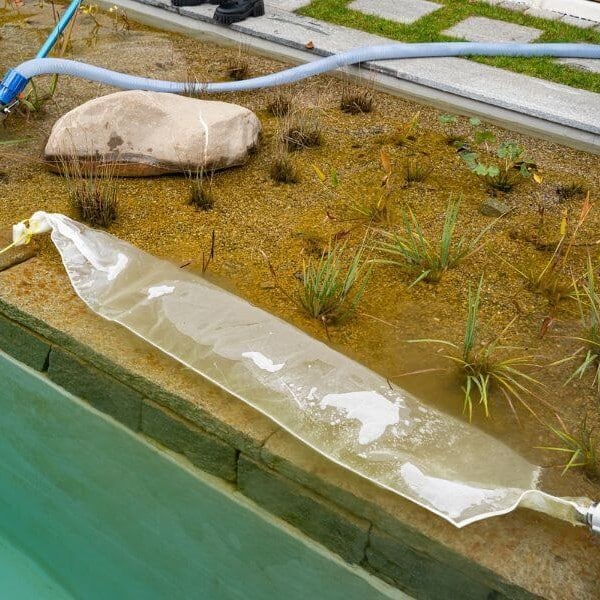
Pump assisted discharge allows the vacuum to pump waste water away from the pond, even over long distances or uphill. This is useful when there is no nearby drain or when working on larger sites.
It makes waste disposal easier and improves overall cleaning efficiency.
Can pond vacuums handle heavy sludge
Yes, especially higher performance models. The ability to handle heavy sludge depends on suction power, hose diameter and overall design.
Professional grade machines are specifically built to deal with thicker sludge and heavier debris.
Do hose size and diameter matter
Yes, larger hose diameters allow more debris to pass through without blocking. This is particularly important when dealing with leaves, sludge and heavier material.
Smaller hoses may be fine for light cleaning but can restrict performance on larger or dirtier ponds.
Usage and Operation
How do you use a pond vacuum properly
To use a pond vacuum effectively, place the nozzle on the pond floor and move it slowly across the surface. Working methodically ensures that debris is lifted without stirring up excessive sediment.
Using the correct attachment for the surface being cleaned also improves results.
Can you vacuum a pond without draining it
Yes, this is one of the main benefits of a pond vacuum. It allows you to remove debris without emptying the pond, which saves time and avoids unnecessary stress on fish and plants.
Do you need to remove fish before vacuuming
No, fish can remain in the pond during cleaning. However, care should be taken to avoid disturbing them unnecessarily.
Can pond vacuums be used on liners
Yes, pond vacuums are safe to use on liners when used correctly. The key is to use appropriate attachments and avoid excessive pressure in one area.
Can pond vacuums be used on gravel bottoms
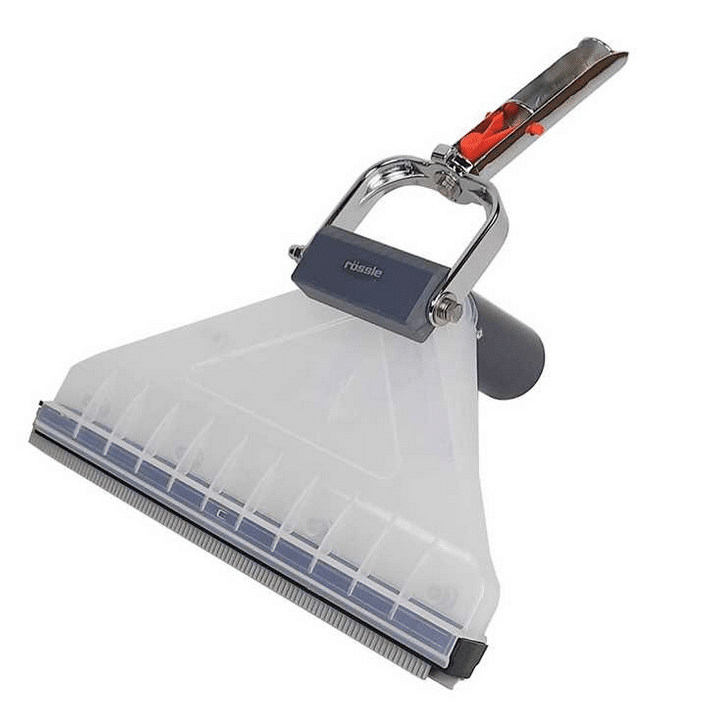
Yes, with the correct nozzle. Some attachments are specifically designed to allow debris to be removed while leaving gravel in place.
Maintenance and Seasonal Questions
When is the best time to vacuum a pond
Spring is often the best time for a full clean, as it removes debris accumulated over winter. Summer maintenance helps keep the pond in good condition, while autumn cleaning removes leaves before they break down.
Should you vacuum a pond after winter
Yes, this is highly recommended. Winter often leads to a build up of leaves and organic material, which should be removed before the warmer months.
Is autumn vacuuming important
Yes, removing fallen leaves in autumn helps prevent sludge build up and reduces maintenance later.
Do pond vacuums need maintenance
Basic maintenance such as rinsing hoses and removing debris after use helps keep the vacuum working properly and extends its lifespan.
Problems and Troubleshooting
Why is my pond water cloudy
Cloudy water is often caused by suspended particles or organic waste breaking down in the pond. Removing sludge and debris helps address the root cause.
Can a pond vacuum fix cloudy water
Yes, by removing the waste causing the problem, it helps restore clarity over time.
Why does my pond smell
Unpleasant smells are usually caused by decomposing organic material such as sludge and leaves.
Can a pond vacuum remove bad smells
Yes, removing the source of the smell often improves water quality and reduces odours.
Can vacuuming reduce algae growth
Yes, by removing nutrients that algae feed on, vacuuming helps reduce growth over time.
Commercial and Large Pond Questions
Can pond vacuums be used on large ponds and lakes
Yes, high performance pond vacuums are designed for large scale cleaning and can be used on large ponds, lakes and commercial systems.
What is the best pond vacuum for commercial use
Professional systems such as Rössle vacuums are typically the best choice for commercial applications due to their power and durability.
Can pond vacuums be used daily
Yes, professional grade machines are designed for regular use and can be used daily if required.
Are pond vacuums suitable for estate lakes and hotel ponds
Yes, higher capacity machines are specifically designed for these types of environments where large volumes of debris need to be removed efficiently.
Final Advice
What is the best way to keep a pond clean long term
The best approach is a combination of good filtration, aeration and regular vacuuming. Each part supports the others and helps maintain a balanced system.
Is a pond vacuum a good investment
Yes, it reduces maintenance effort, improves water quality and helps prevent long term problems. For most pond owners, it quickly becomes an essential tool.
Can a pond vacuum replace filtration
No, it works alongside filtration. Filtration processes the water, while vacuuming removes settled waste.
Do accessories improve performance
Yes, using the right nozzles and attachments allows you to clean more effectively and adapt to different pond conditions.
