





Lake Aerators & Diffuser Systems
Lake Aerators & Diffuser Systems
Effective Oxygenation for Lakes, Reservoirs and Large Ponds
Maintaining healthy dissolved oxygen levels is essential in lakes, reservoirs and large ponds. Our Lake Aeration range includes floating surface aerators, high output shore mounted air pump systems and bottom diffuser kits, giving you complete control over circulation and oxygen distribution throughout the water column.
Whether you require strong surface movement or targeted deep water oxygenation, the correct aeration system will improve clarity, reduce sludge build up and stabilise the entire aquatic ecosystem.
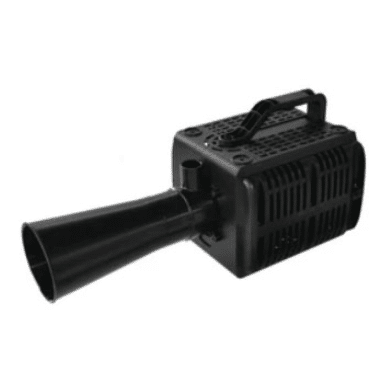
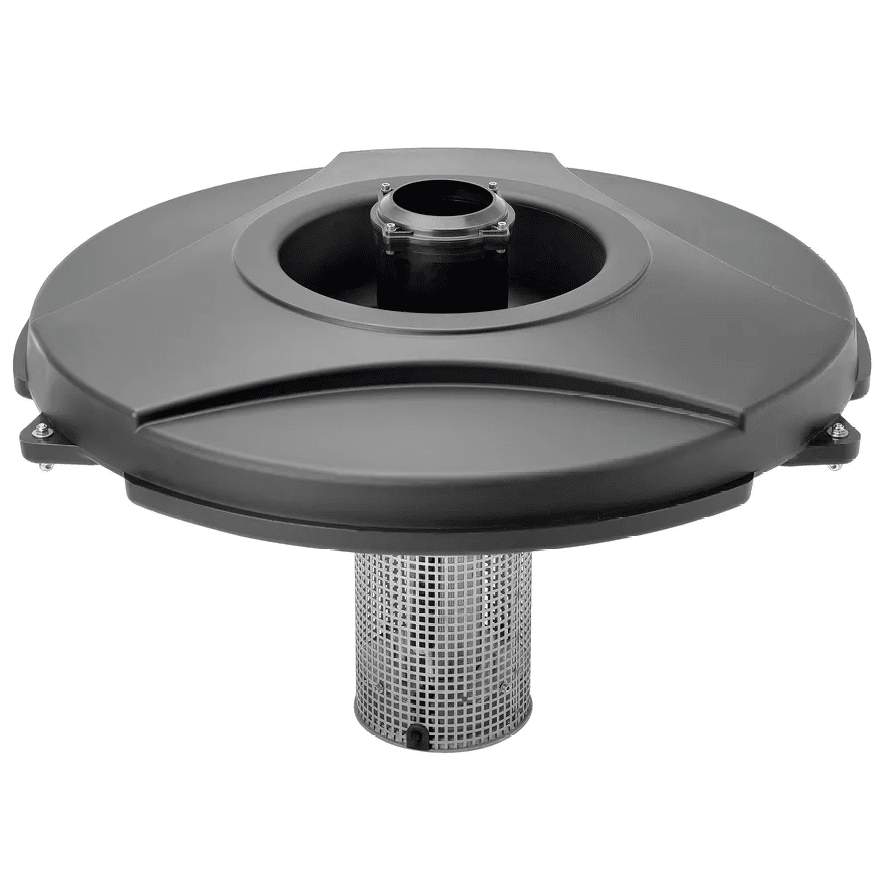
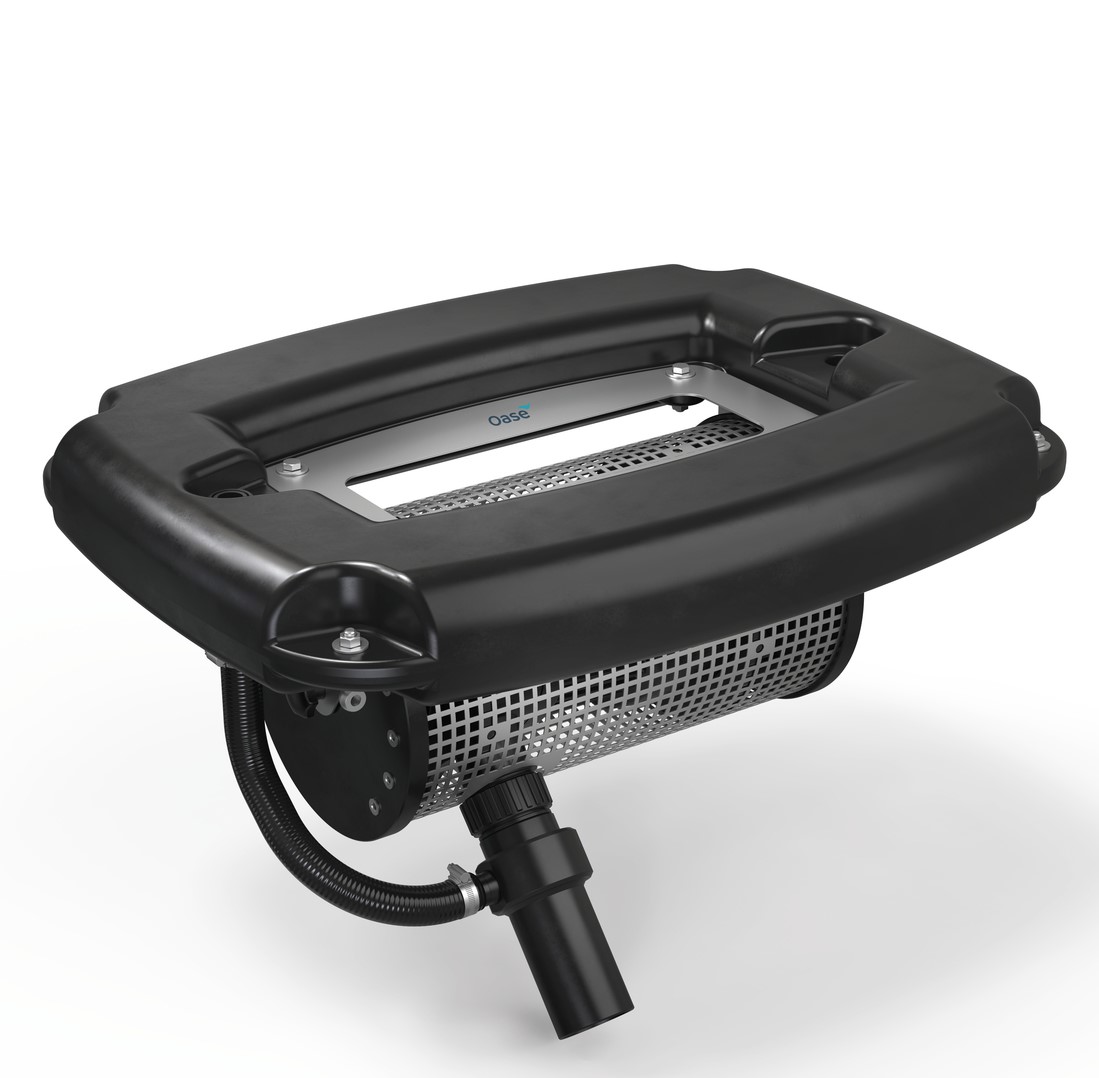
Floating Lake Aerators
Floating surface aerators increase dissolved oxygen by projecting water into the air before returning it to the lake. As water droplets collide with atmospheric oxygen, they absorb it and re-enter the lake enriched.
This process improves surface circulation, disrupts thermal layering and reduces stagnation in large open areas. Consequently, floating aerators are ideal where visible movement is desirable and rapid oxygen transfer across wide surface areas is required.
They are particularly suited to estate lakes, golf course water features and ornamental reservoirs where both performance and presentation matter.
Diffused Air Aeration Systems
In deeper or stratified lakes, bottom diffuser aeration systems provide a more targeted solution. Instead of focusing only on the surface, these systems introduce oxygen directly to lower water layers where depletion often occurs.
A shore mounted compressor pushes air through weighted airline to diffuser plates positioned on the lake bed. Fine bubbles then rise slowly through the water column, increasing dissolved oxygen at depth while gently circulating the entire lake.
As a result, diffused aeration helps break down sludge, reduce anaerobic zones and support fish health throughout all water levels. For deeper lakes, this approach is often more effective than surface aeration alone.
Shore Mounted Lake Air Pumps
High output air pumps power diffuser systems and ensure consistent airflow across large water bodies. Because pipe length, back pressure and depth all affect performance, correct pump sizing is critical.
These systems are engineered for continuous operation, energy efficient performance and heavy duty use in fisheries, estate lakes and commercial environments. When correctly specified, they deliver reliable long term oxygenation with minimal maintenance.
Why Lake Aeration Matters
Low oxygen levels create unstable water conditions. Fish become stressed, sludge accumulates, odours develop and algae can quickly dominate. In contrast, proper aeration supports aerobic bacteria that naturally break down organic waste, maintaining clearer and more balanced water.
Over time, consistent oxygenation improves biological stability and reduces long term maintenance demands.
Choosing the Right System
Selecting the correct aeration solution depends on surface area, maximum depth, fish stocking levels, organic load and available power supply.
Surface aerators suit shallow lakes and situations where visible movement is preferred. Diffused air systems suit deeper water and long term biological restoration. In many cases, combining both approaches delivers the most stable and effective result.
Why Buy From Us
Choosing the correct lake aeration system is not just about surface area. Depth, airline length, back pressure, compressor sizing and diffuser placement all affect performance.
When you purchase from us, you benefit from:
- Correct sizing advice based on real dissolved oxygen requirements
- Guidance on positioning for maximum circulation and oxygen transfer
- Support matching aeration with skimmers, filtration and lake treatments
- Practical installation advice for floating and anchored systems
- Ongoing technical support from experienced pond and lake specialists
We work with large ponds, estate lakes and commercial water bodies across Kent and the South East. Therefore, our recommendations are based on hands on experience in real water systems, not just manufacturer specifications.
Lake Aerators – Frequently Asked Questions
Below are detailed answers to the most common questions about floating lake aerators, surface aeration systems, and large water body oxygenation. This guide will help you understand how lake aeration works, why it matters, and how to choose the correct system for your lake, reservoir, or large pond.
What is a lake aerator?
A lake aerator is a system designed to increase dissolved oxygen levels and improve circulation in lakes, reservoirs and large ponds. Depending on the design, it either sprays water into the air for surface oxygen transfer or pumps air through diffuser plates at the lake bed to oxygenate deeper layers.
Both systems improve water clarity, reduce stagnation and support long term ecological balance.
What is the difference between surface aerators and bottom diffuser systems?
Surface aerators float and spray water into the air. This increases oxygen transfer at the surface and creates visible circulation.
Bottom diffuser systems sit on the lake bed and release fine bubbles that rise slowly through the water column. This method oxygenates deeper zones and helps break thermal stratification.
Surface aerators are ideal for improving upper layer circulation. Diffusers are better for deep lakes or where sludge and low oxygen at depth are a concern.
Which system is better for my lake?
It depends on:
- Surface area
- Average depth
- Maximum depth
- Existing oxygen levels
- Fish biomass
- Sludge accumulation
Shallow ornamental lakes often benefit from floating aerators. Deeper estate lakes typically perform better with bottom diffuser systems. Larger bodies of water may benefit from a combined approach.
What is dissolved oxygen and why does it matter?
Dissolved oxygen refers to oxygen molecules suspended in water. Fish, invertebrates and aerobic bacteria rely on it for survival.
Low dissolved oxygen levels can cause:
- Fish stress or mortality
- Increased algae growth
- Sludge build up
- Foul odours
- Black sediment layers
Maintaining consistent oxygen levels stabilises the entire ecosystem.
How does aeration improve water clarity?
Aeration improves clarity indirectly.
First, oxygen supports aerobic bacteria that break down organic waste efficiently. Secondly, circulation prevents nutrients from accumulating in stagnant zones. Thirdly, destratification reduces nutrient release from low oxygen bottom layers.
Over time, this reduces algae pressure and suspended organic matter.
Can lake aeration reduce sludge on the lake bed?
Yes, gradually.
When oxygen reaches the sediment layer, aerobic bacteria break down organic material more effectively. This slows sludge accumulation and improves sediment quality.
However, aeration does not instantly remove heavy silt deposits. It improves natural decomposition over time.
What is destratification and why is it important?
Destratification is the mixing of layered water caused by temperature differences.
In deep lakes, warmer surface water can separate from cooler bottom water. The lower layer may become oxygen depleted and accumulate nutrients.
Bottom diffuser aeration gently mixes these layers, improving oxygen distribution throughout the entire water column.
Will aeration stop algae completely?
No system eliminates algae entirely. However, aeration reduces the conditions that promote excessive blooms.
By increasing oxygen and improving circulation, it limits nutrient build up and discourages stagnant areas where algae thrive.
For severe algae issues, aeration is often combined with bacterial treatments or lake management products.
Can lake aerators prevent fish kills?
Properly sized aeration significantly reduces the risk of oxygen related fish kills.
This is especially important during:
- Hot summer weather
- High feeding periods
- Sudden algae die offs
- Storm induced turnover events
While extreme weather can still cause problems, aeration greatly improves system resilience.
How deep can diffuser systems operate?
Depth capability depends on the air pump model.
Higher output air compressors are required for deeper lakes because air pressure must overcome water pressure.
Some systems operate effectively at depths exceeding 4 to 5 metres, while smaller units are suited to shallower ponds.
Correct pump selection is critical for performance at depth.
How many aerators do I need for a large lake?
Large lakes may require multiple units depending on surface area and depth variation.
Factors to consider include:
- Lake shape
- Wind exposure
- Inlet and outlet flow
- Areas of heavy organic loading
- Dead zones or sheltered coves
Strategic placement often matters more than simply adding additional units.
Are lake aerators energy efficient?
Modern lake aeration systems are designed to maximise oxygen transfer per watt consumed.
Diffuser systems are often more energy efficient for deep oxygenation. Surface aerators provide higher visible circulation but may use more power due to pump driven water movement.
Correct system matching improves long term running cost efficiency.
Can lake aerators run all year?
Yes.
In summer, aeration prevents oxygen crashes and stratification. In winter, surface movement can maintain gas exchange and reduce full surface ice cover in some conditions.
However, diffuser positioning may be adjusted seasonally depending on fish behaviour and depth.
Will aeration help with bad smells?
Yes.
Foul odours are usually caused by anaerobic bacteria breaking down organic waste in low oxygen conditions.
By increasing oxygen levels, aeration shifts the system toward aerobic decomposition, which significantly reduces sulphur type odours.
How long does it take to improve a lake with aeration?
Visible circulation improvements are immediate.
Water quality improvements may begin within weeks. However, deeper ecological stabilisation can take several months depending on nutrient levels and sediment depth.
Aeration should be viewed as a long term management solution rather than a quick fix.
Can lake aerators be used alongside floating lake skimmers?
Yes.
Skimmers remove surface debris before it sinks. Aerators improve oxygen and circulation throughout the water column.
Together, they form a strong preventative management strategy that reduces long term nutrient loading.
Do lake aerators require maintenance?
Maintenance is generally minimal but includes:
- Inspecting anchors and cables
- Checking air lines for blockages
- Cleaning diffuser membranes if necessary
- Ensuring intake screens remain clear
Routine inspection ensures consistent long term performance.
Can lake aeration replace filtration?
No.
Aeration improves oxygen and circulation but does not mechanically remove solids like a filtration system would.
In smaller ornamental ponds, filtration remains essential. In larger lakes, aeration acts as a biological stabiliser rather than a mechanical filter.
