





How to Prepare Your Pond for Fibreglass Installation
Getting the base right for a strong, long lasting finish
Fibreglass is one of the most durable and reliable pond lining systems available, but the quality of the final result depends heavily on how well the pond is prepared beforehand.
Proper preparation ensures that the fibreglass bonds correctly to the surface, creating a smooth, watertight, and long lasting finish. If the base is not properly prepared, it can lead to poor adhesion, surface defects, or issues later on.
This guide explains what to agree before the lining goes in. If you are preparing the pond yourself, speak to the installer before starting so that the surface, fittings and protection match the system they will use.

Step by step pond preparation for fibreglass
Remove existing liners, debris, and planting
Before emptying an established pond, agree suitable temporary arrangements for its fish and plants and who will look after them throughout the work. Include the curing and refill period in that plan. The pond can then be cleared ready for preparation.
Any existing liner, whether rubber, PVC, or butyl, must be fully removed. Fibreglass cannot be applied to flexible materials, so the surface beneath needs to be exposed and prepared properly.
All debris, stones, roots, and planting should also be cleared out. Any loose material left behind can affect the finish and create weak points within the fibreglass layer.
The pond should be fully drained at this stage to allow full access to the structure.
Inspect the structure for damage and defects
Once the pond has been cleared, the next step is to assess the condition of the structure.
Check the base and walls for cracks, holes, or uneven areas. Even small imperfections can affect how the fibreglass sits and may lead to problems if not addressed.
Have cracks, movement and damaged areas assessed before covering them. A surface repair is not necessarily a structural repair. Agree the repair materials and preparation with the installer, and obtain structural advice where the shell itself is in doubt.
Ensure a solid and stable base
Fibreglass requires a rigid and stable surface to bond to. If the structure is not solid, the fibreglass can be compromised by movement or settling.
Block built and rendered ponds are ideal, as they provide a strong and consistent base. Concrete ponds can also work well, provided they are fully cured and free from contaminants.
An old liner pond may need a new supporting shell before it can take a GRP lining. Removing the liner and smoothing the ground is not enough. Our liner conversion guide explains why the structure needs assessing first.
Thoroughly clean the pond surface
Cleaning is a critical part of the preparation process.
Any dirt, algae, sludge, or residue left on the surface can interfere with adhesion and affect the quality of the finish. The entire pond should be cleaned thoroughly to remove all contaminants.
Use a cleaning method suitable for the existing surface and agreed preparation. Avoid damaging weak areas, and allow for the extra drying needed after washing. The final surface must meet the lining system requirements, including removal of loose material and dust.
Allow the pond to dry fully
Moisture is one of the most common causes of fibreglass failure, so the pond must be completely dry before installation begins.
There is no reliable 24 or 48 hour drying rule for every pond. Recent concrete or render, wet weather and moisture within the shell can all change the programme. The installer should confirm that the surface is ready for the selected materials before work begins.
Agree weather protection, ventilation and any drying arrangements beforehand. A dry looking surface does not by itself confirm that preparation is complete, and a heater does not remove the need for the shell to dry properly.
Why proper pond preparation matters
Taking the time to prepare the pond correctly has a direct impact on the performance and lifespan of the fibreglass lining.
A properly prepared surface allows the pond fibreglass to bond securely, reducing the risk of delamination, weak spots, or future leaks. It also ensures a smoother and more consistent finish, which improves both appearance and ease of maintenance.
Poor preparation is one of the main reasons fibreglass installations fail. Skipping steps or rushing the process can lead to issues that are difficult and costly to fix later on.
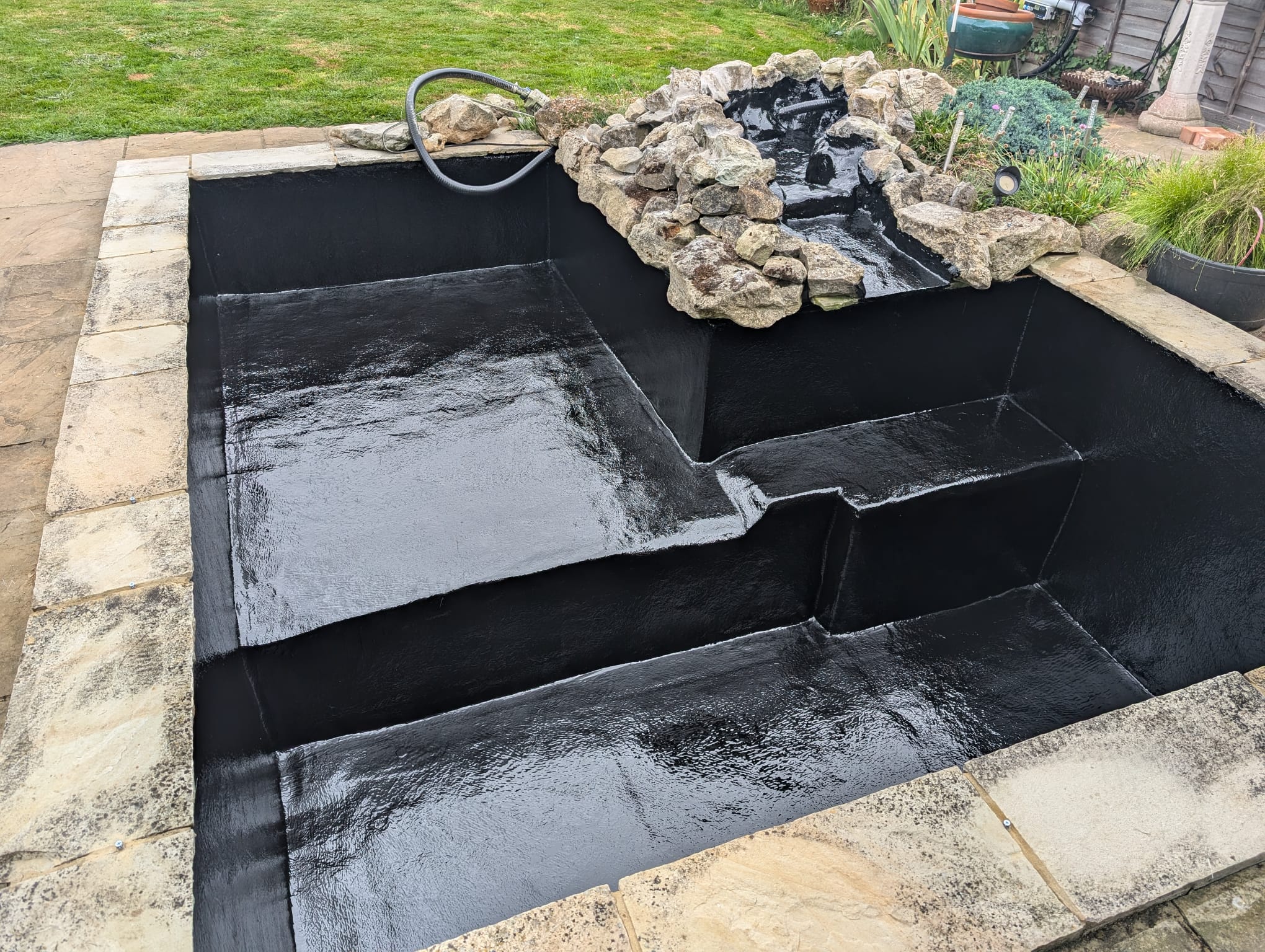
Pond fibreglassing advice and guides
If you are looking for more detailed information about pond fibreglassing, we have created a range of in depth guides covering installation, preparation, lifespan, and long term performance.
These guides are based on real projects and practical experience, helping you understand what to expect and how to get the best results from your pond.
You can explore the full guides below:
What is pond fibreglassing?
Converting a liner pond to a fibreglass pond
Fibreglass vs liner
How to prepare your pond for fibreglass installation
The lifespan of a fibreglass pond and how to extend it
How fibreglass is installed
The difference between DIY fibreglassing and hiring a professional
Insulating and fibreglassing koi ponds
Areas we cover
We provide professional pond and swimming pool fibreglassing services across the South East, covering a wide range of residential and commercial projects.
Our core service areas include Kent, London, Essex, Surrey, and Sussex. We also assess projects in Hertfordshire, Suffolk, Cambridgeshire, Norfolk, Buckinghamshire, Bedfordshire, Berkshire, and Oxfordshire, with many of these areas supported by dedicated service pages.
Each project is assessed individually, taking into account access, structure, intended use, and long term performance. This allows us to plan the installation properly and ensure the finished pond performs as expected.
We are able to travel further for larger or more specialised projects, particularly where full pond builds or fibreglass conversions are involved. If you are based outside these areas, feel free to get in touch as we may still be able to help.
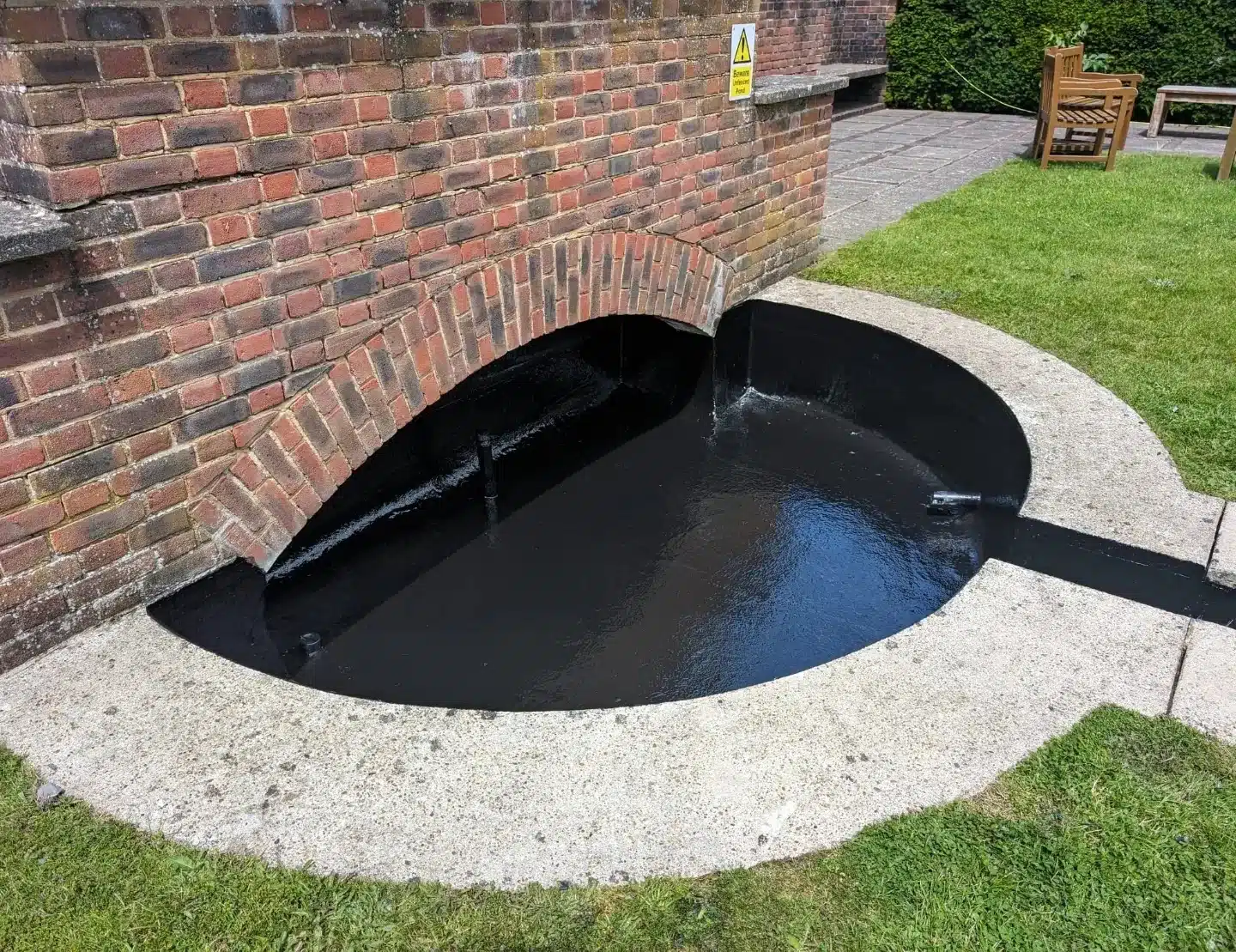
How to fibreglass a pond
A simple overview of the process
Fibreglassing a pond involves applying a GRP lining system to a prepared structure to create a strong, seamless, and waterproof finish. While the process can vary depending on the design and size of the pond, the key stages remain broadly the same.
The first step is preparation. The pond must be clean, dry, and built on a solid base such as concrete or render. Any defects, dust, or moisture can affect how the fibreglass bonds, so this stage is critical to the success of the installation.
Once the surface is ready, fibreglass matting is applied and saturated with resin. This is built up in layers, with each layer carefully worked to remove air pockets and ensure even coverage across the entire pond, including corners, shelves, and detailing.
As the resin cures, it hardens and forms a rigid shell that bonds directly to the structure. This creates a seamless lining with no joints or folds, which is one of the main advantages over traditional liners.
A final topcoat is then applied to seal the surface and provide a smooth, durable finish. This also determines the final appearance of the pond, with different colours available depending on the design.
The application and curing instructions belong to the specific resin and topcoat system. Confirm the final cure, cleaning and refill requirements before returning fish. For the stages after preparation, see how pond fibreglass is installed.
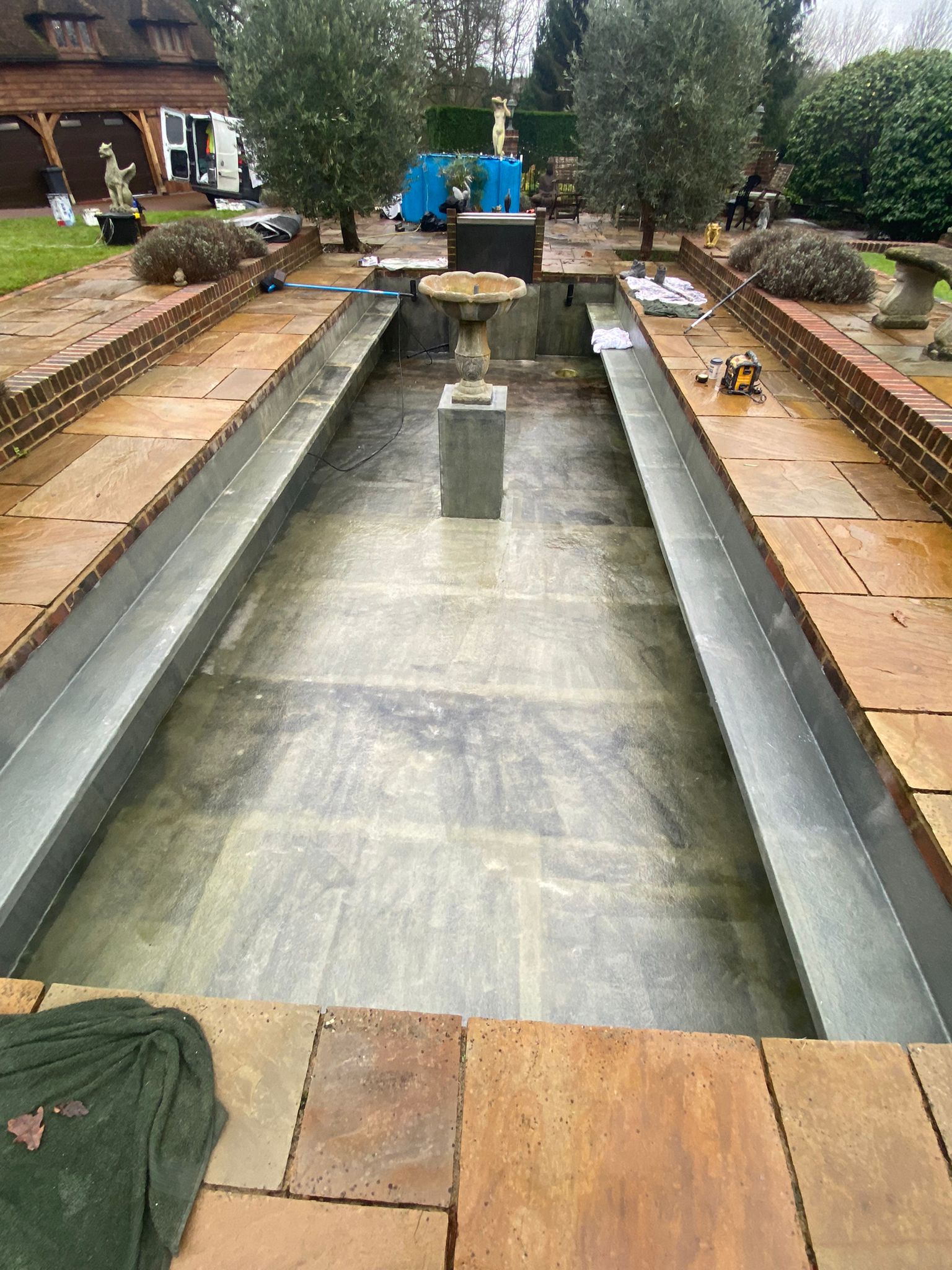
Professional preparation vs DIY
While some pond owners choose to carry out preparation work themselves, it is important to understand the level of detail required.
If you or your builder will prepare the shell, agree the finish, corners, fittings and access requirements with the specialist first. Send clear photographs as work progresses and confirm who is responsible for putting right anything unsuitable before installation.
For more complex ponds, conversions, or larger builds, having the preparation and installation carried out professionally is often the most reliable approach.
Final thoughts
Preparing a pond for fibreglass installation is a critical part of the process and should not be overlooked.
By ensuring the structure is clean, dry, stable, and free from defects, you create the right conditions for a successful fibreglass installation. This helps deliver a strong, seamless, and long lasting finish that will perform reliably for many years.
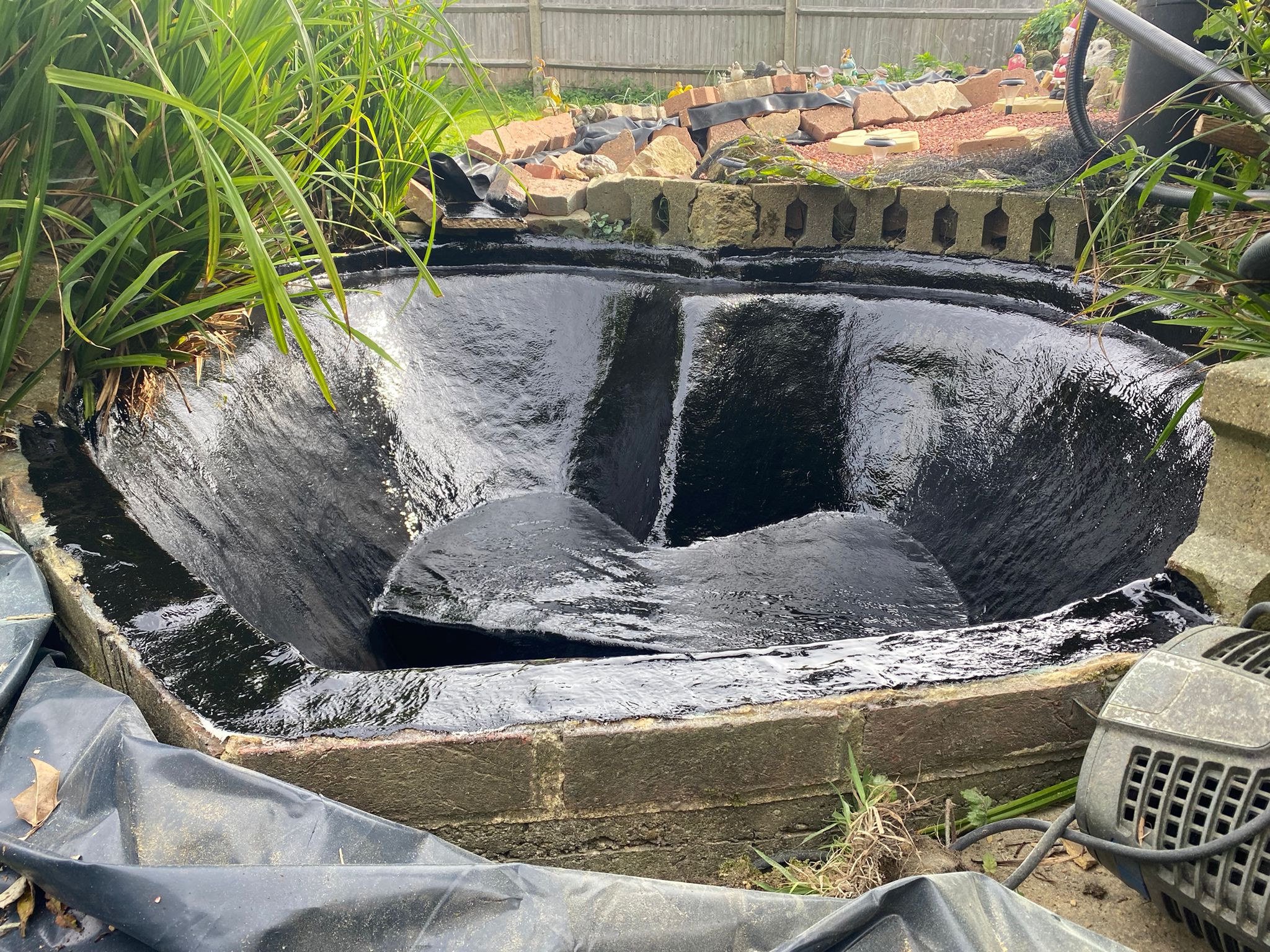
Contact Us
Please get in touch to discuss your pond needs and we will get back to you as soon as possible.
matt@thatpondguy.co.uk
07368 372129
Frequently asked questions about preparing a pond for fibreglass
How do you prepare a pond for fibreglassing
Preparing a pond for fibreglassing involves cleaning, repairing, and drying the surface to create a solid base.
The pond must be free from liners, debris, moisture, and structural defects so the fibreglass can bond properly and form a durable, watertight finish.
Can you fibreglass a pond without removing the liner
You cannot properly fibreglass a pond without removing the existing liner.
Fibreglass needs to bond to a rigid surface such as concrete or render. Applying it over a flexible liner will lead to poor adhesion and likely failure.
What surface is needed before fibreglassing a pond
Fibreglass should be applied to a solid, smooth, and stable surface.
Block and render or concrete bases are ideal, as they provide the strength and consistency needed for a reliable fibreglass installation.
Do you need to render a pond before fibreglassing
The required surface depends on the shell and the lining system; agree it with the installer before rendering.
Render may form part of the preparation, but it must be suitable and ready for the chosen system. Where insulation or another substrate is planned, its compatibility and fitting details need confirming too.
How clean does a pond need to be before fibreglassing
The pond must be completely clean and free from dust, algae, and debris before fibreglassing.
Any contamination can affect adhesion and lead to problems with the finish, so thorough cleaning is essential.
Does a pond need to be completely dry before fibreglassing
A pond must be fully dry before fibreglass is applied.
Moisture can cause bubbling, poor adhesion, and long term failure, so it is important to allow enough drying time before installation.
What happens if you fibreglass a damp pond
Fibreglass applied to a damp surface is likely to fail.
Moisture trapped beneath the fibreglass can cause delamination, air pockets, and weak bonding, leading to issues that may require repair.
Can I prepare a pond for fibreglassing myself
It is possible to prepare a pond yourself, but it must be done carefully.
Any missed defects, uneven areas, or moisture can affect the final result, so attention to detail is critical for a successful installation.
How long does pond preparation take before fibreglassing
The programme depends on the shell, repairs, weather and drying requirements; it cannot be set from pond size alone.
Allow for curing of any new construction or repairs as well as surface drying. Agree a readiness check before confirming the installation date, especially when a specialist is travelling to the site.
What are the most common mistakes when preparing a pond for fibreglass
The most common mistakes include poor cleaning, leaving moisture in the surface, and not fixing structural defects.
These issues can lead to poor adhesion and reduce the lifespan of the fibreglass lining, making proper preparation essential.
